Quick Summary: Experience unparalleled comfort and support on the scaffold with the right insoles. Discover how specialized insoles can reduce fatigue, absorb shock, and protect your feet, turning long workdays into more manageable shifts.
Insoles for Painters: Essential Comfort on the Scaffold

Working on a painter’s scaffold, day in and day out, can be tough on your feet. You stand for hours, often in awkward positions, and the constant vibration from the structure can take a toll. This continuous stress not only causes discomfort but can lead to more serious foot issues over time. Think about it: your feet are your foundation, and when they hurt, everything else suffers. But what if there was a simple, effective way to dramatically improve your comfort and protect your feet while you work? That’s where the right insoles come in. They’re not just fancy footbeds; they’re powerful tools designed to support, cushion, and stabilize your feet, making those long hours on the scaffold feel significantly better. We’ll walk through why specific insoles are a game-changer for painters and how to choose the perfect pair.
Why Every Painter Needs Quality Insoles
Understanding the Demands of Scaffold Work on Your Feet

Painters who spend their days on scaffolding face unique challenges. The surfaces are often hard and unyielding, offering little natural cushioning. You’re frequently balancing, shifting weight, and reaching, which puts unnatural pressure on your arches, heels, and ball of your foot. This constant strain can lead to conditions like plantar fasciitis (heel pain), metatarsalgia (pain in the ball of the foot), and general foot fatigue. The repetitive shock absorption your feet have to do, coupled with the lack of natural movement and support, creates a perfect storm for discomfort and potential long-term injury. It’s like walking on a hard, uneven surface all day, every day, but with added strain from your work. Your body tries to compensate, often leading to aches that travel up to your ankles, knees, and even your back.
The Game-Changing Benefits of Insoles for Painters

Imagine stepping onto your scaffold each morning feeling ready for the day. That’s the promise of good insoles. They act as a vital interface between your feet and the hard scaffold surface, offering a range of benefits:
- Superior Cushioning: They absorb the shock from every step and movement, significantly reducing impact on your joints and bones. This is crucial for preventing fatigue and soreness.
- Enhanced Support: Insoles provide arch support, helping to maintain the natural shape of your foot and distribute pressure more evenly. This can prevent issues like collapsed arches and the associated pain.
- Improved Stability: A well-designed insole helps to stabilize your heel and foot, reducing excessive motion and preventing pronation or supination (rolling inward or outward of the foot), which can lead to imbalances.
- Pressure Point Relief: By redistributing weight, insoles can alleviate pressure from sensitive areas, like the ball of your foot or your heel, providing targeted relief.
- Moisture Wicking: Many performance insoles are designed to draw moisture away from your feet, keeping them drier and reducing the risk of blisters and fungal infections.
- Temperature Regulation: Some advanced insoles even offer features to help keep your feet at a comfortable temperature, preventing overheating or excessive coldness.
These benefits combine to offer a tangible difference in your workday. You’ll likely find yourself less tired at the end of the day, with fewer aches and pains, allowing you to focus on your work rather than your discomfort.
Choosing the Right Insoles: What Painters Need to Consider

Not all insoles are created equal, and what works for one person might not be ideal for another, especially for the specific demands of scaffold work. Here’s what painters should look for when selecting insoles:
Material Matters: Durability and Comfort
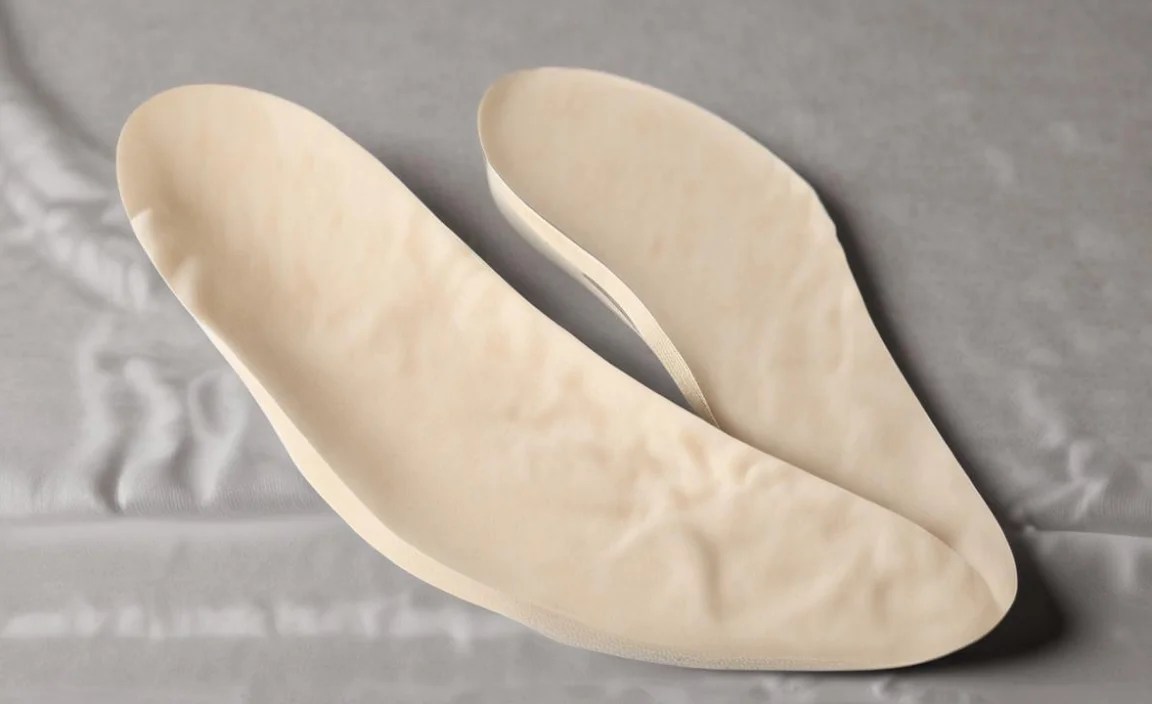
The materials used in insoles play a huge role in their performance and longevity. For scaffold work, you need something that can withstand daily wear and tear while providing consistent comfort.
- EVA Foam (Ethylene-vinyl acetate): This is a common, lightweight, and very shock-absorbent material. It offers excellent cushioning and flexibility, making it a great all-around choice.
- Polyurethane: Known for its durability and resilience, polyurethane offers a good balance of cushioning and support. It’s often found in more robust insoles designed for heavy-duty use.
- Cork: Natural cork is naturally shock-absorbent and molds to the shape of your foot over time, offering personalized arch support. It’s breathable but can be less durable than synthetic options for very demanding jobs.
- Gel: Gel insoles provide excellent shock absorption, especially in the heel and ball of the foot. They can be very comforting but might offer less overall arch support compared to other materials.
- Felt/Wool: These materials are great for warmth and breathability, often used as top layers or in specialized winter insoles. They can add a comfortable feel but might not be durable enough as the primary support structure for prolonged, intense work.
Support Level: Arch Type and Foot Condition
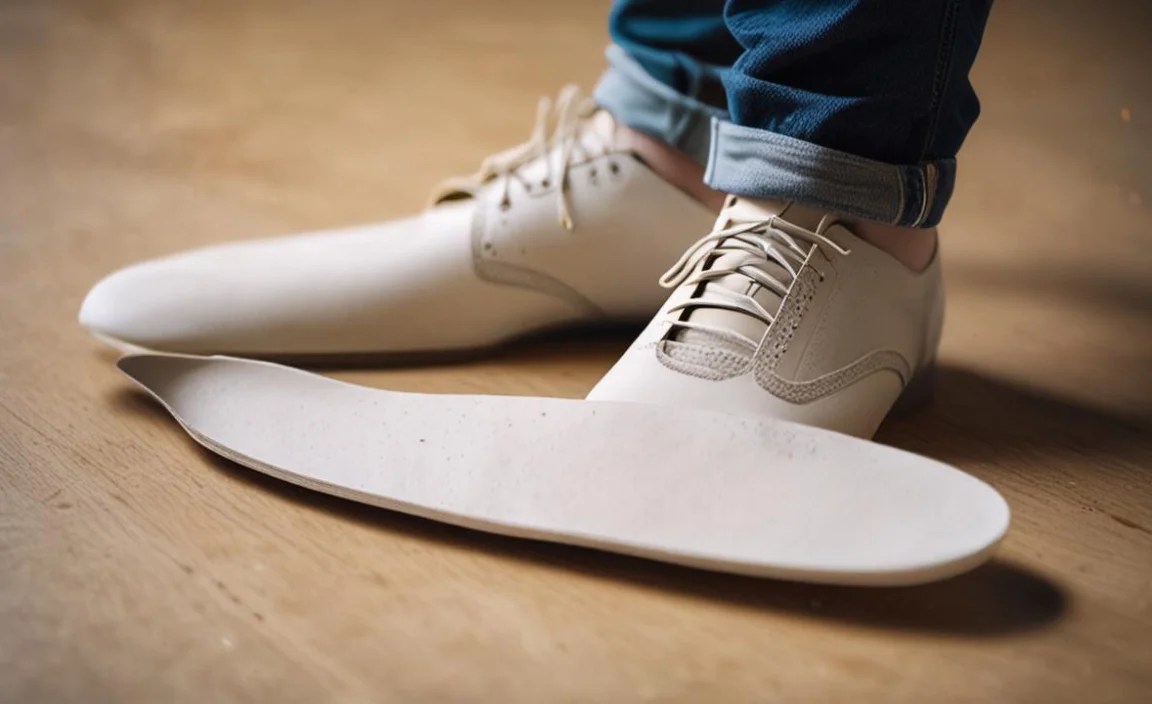
Understanding your foot type is crucial for selecting the right level of support. Your arches play a significant role in how your foot contacts the ground and absorbs shock.
- High Arches: If you have high arches, your feet may not absorb shock well. You’ll need insoles with ample cushioning and heel support to help distribute pressure more evenly and prevent shock from reaching your joints. Look for semi-flexible insoles with good shock absorption.
- Normal Arches: This is the most common foot type. You generally need balanced support, offering a good mix of cushioning and stability. Most standard insoles will work well, but look for ones that offer moderate arch support.
- Flat Feet / Low Arches: If your arches collapse when you stand, you may need more structured support to help maintain your arch and prevent overpronation (your foot rolling inward). Look for firm arch support and motion control features.
Consider any existing foot conditions like plantar fasciitis. Insoles with targeted heel cushioning and strong arch support are often recommended for this common ailment. For more specific advice on medical conditions, consulting a podiatrist is always the best approach.
Tread and Grip: Stability on the Scaffold
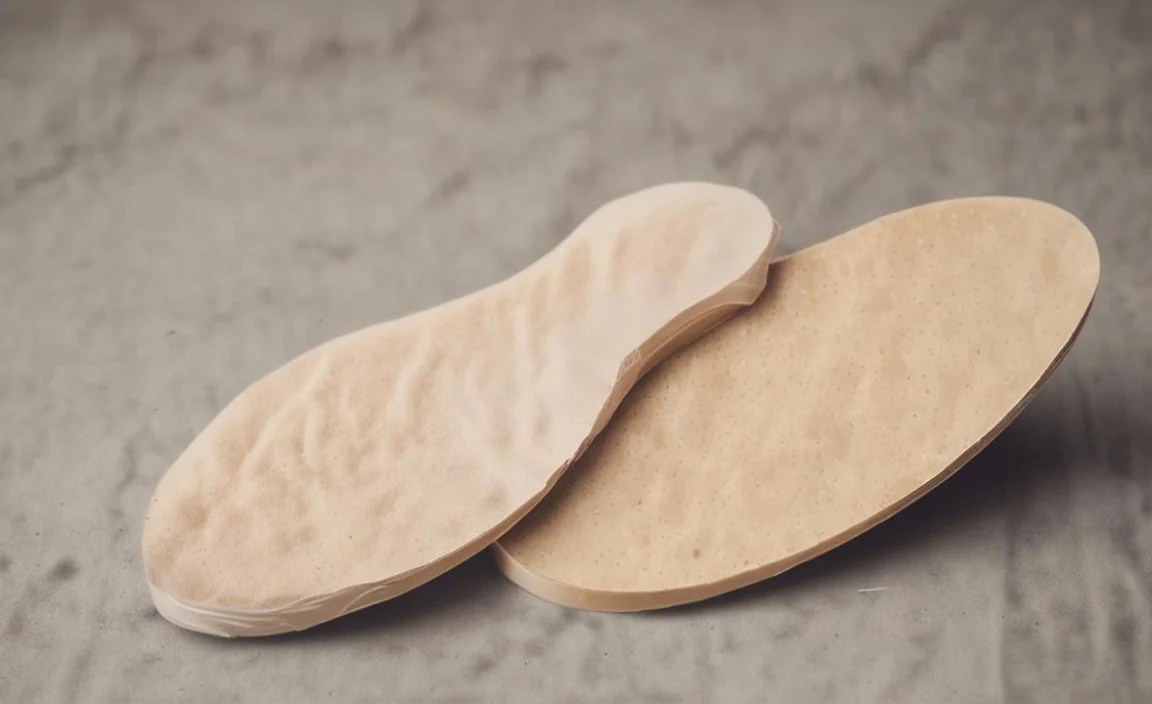
While not directly a feature of the insole itself, the material and design can contribute to your stability. A good insole should integrate well with your work boots, not make them excessively slippery. Some insoles have a slightly textured surface that can improve grip within the boot. Ensure the insole fits snugly in your boot without causing your foot to slip around inside the shoe.
Durability vs. Cost: Finding the Sweet Spot
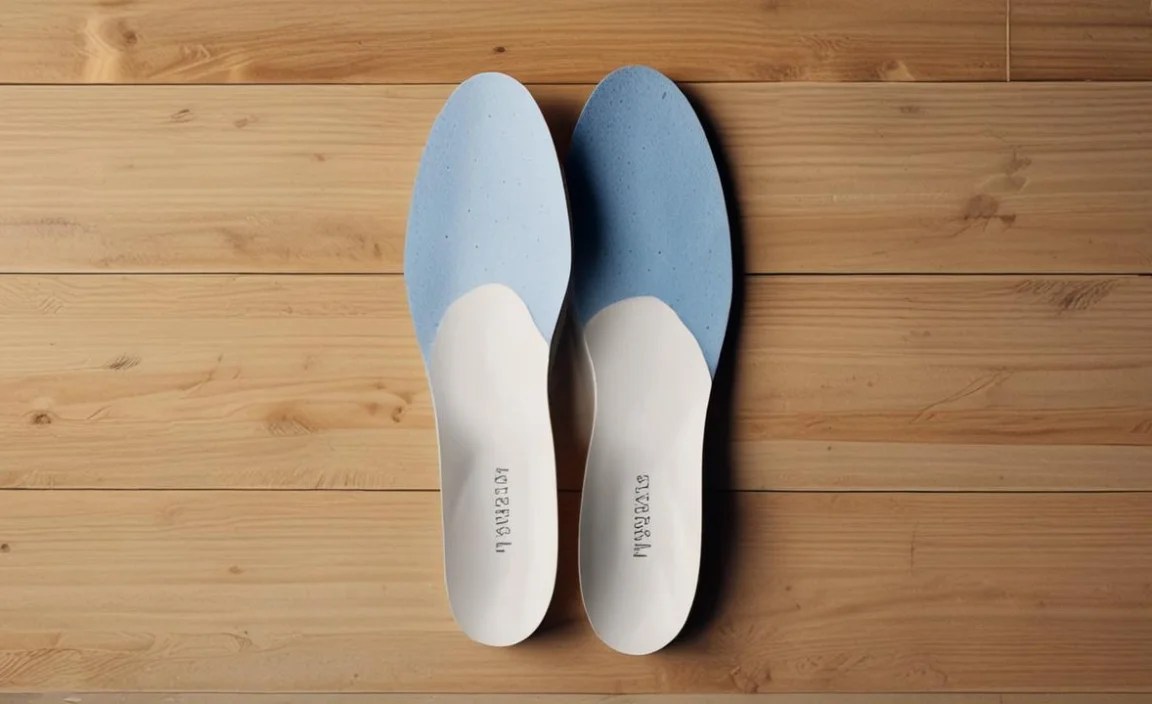
You’ll likely be replacing insoles periodically, as they do wear out. High-quality insoles made from durable materials might have a higher upfront cost but can last longer, offering better value in the long run. Consider the lifespan of the insole relative to its price. Cheaper insoles might offer initial comfort but wear down quickly, leading to recurring expenses and reduced support.
Top Types of Insoles for Painters Working on Scaffolds

Based on the unique demands of scaffold work, certain types of insoles tend to perform better than others. Here are some of the most suitable options:
1. High-Impact/Athletic Insoles
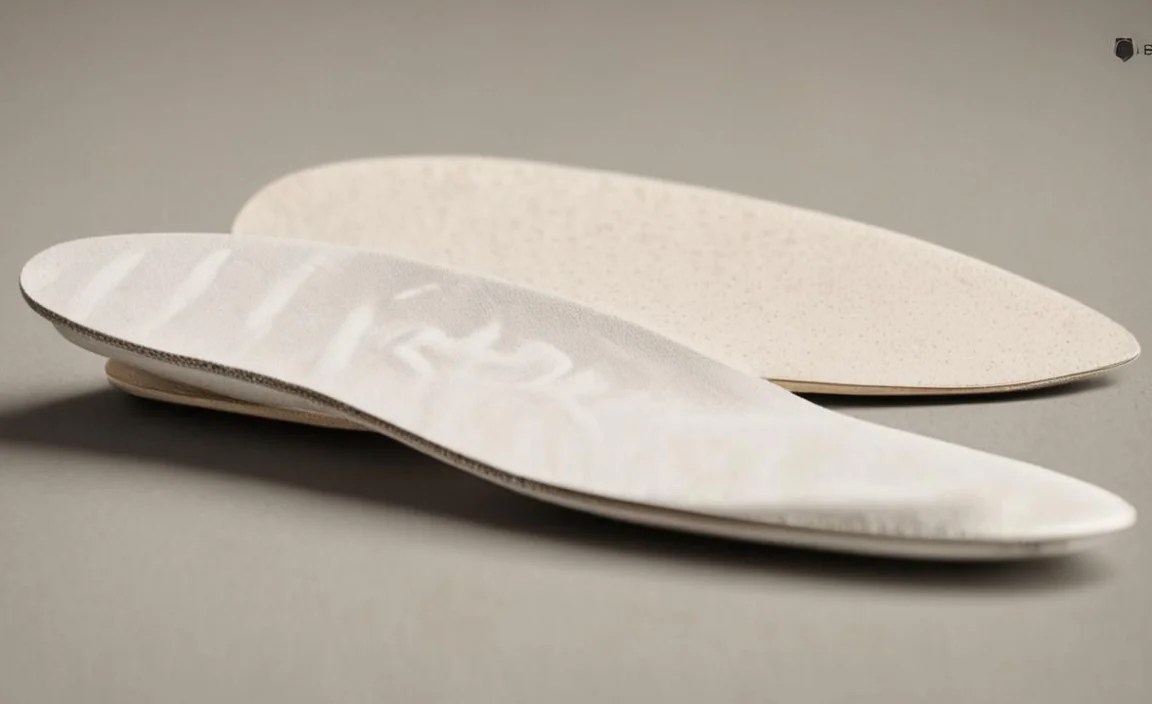
These are often designed for activities involving a lot of jumping and running, which means they excel at absorbing high levels of impact. For painters on scaffolding, this translates to excellent shock absorption, reducing the jarring effect of standing and moving on hard surfaces.
- Key Features: Deep heel cups for stability, robust cushioning (often a blend of foam and gel), and durable construction.
- Best For: Painters seeking maximum shock absorption and heel protection.
2. Work/Support Insoles
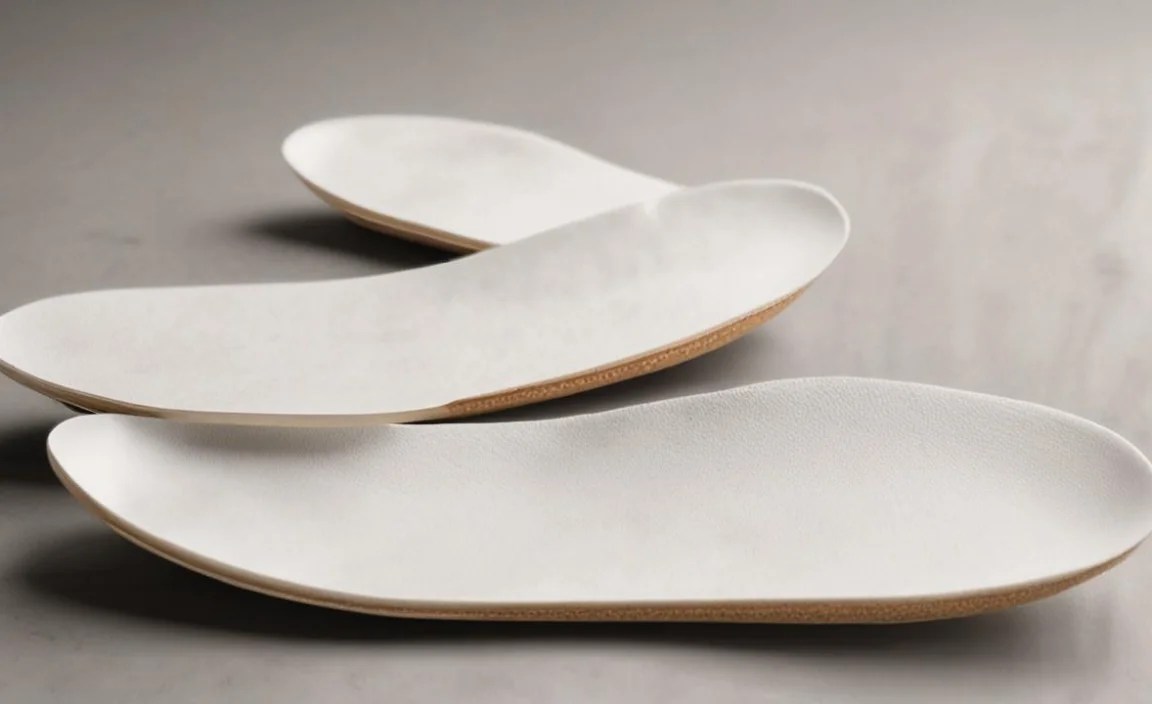
Specifically engineered for long hours of standing and working in demanding environments, these insoles prioritize support and durability. They often feature firmer materials and enhanced arch support compared to basic cushioning insoles.
- Key Features: Strong arch support, firm cushioning to prevent compression, antimicrobial top layers for foot hygiene, and robust construction to withstand consistent use.
- Best For: Painters needing all-day support and a focus on preventing foot fatigue, especially those with flatter arches or standing all day.
3. Orthotic-Style Insoles (Over-the-Counter)

While custom orthotics are the most personalized option, high-quality over-the-counter orthotic insoles can offer significant benefits. They are designed to provide structured support for common foot issues like plantar fasciitis or overpronation.
- Key Features: Contoured design to cradle the foot, pronounced arch support, heel stabilizers, and often a semi-rigid construction for optimal biomechanical control.
- Best For: Painters with specific foot conditions like plantar fasciitis, overpronation, or heel spurs, who need more advanced biomechanical correction.
4. All-Around Comfort Insoles

These insoles offer a good balance of cushioning and support, making them a solid choice for general comfort. They are often less specialized than the above but can provide a noticeable upgrade to standard shoe insoles.
- Key Features: Moderate cushioning, basic arch support, and a flexible design.
- Best For: Painters looking for a general improvement in comfort and a step up from their boot’s stock insoles.
How to Properly Fit and Insert Your Insoles

Getting your insoles to work effectively means they need to fit both your feet and your boots correctly. A poor fit can cause more problems than it solves.
Step-by-Step Fitting Guide
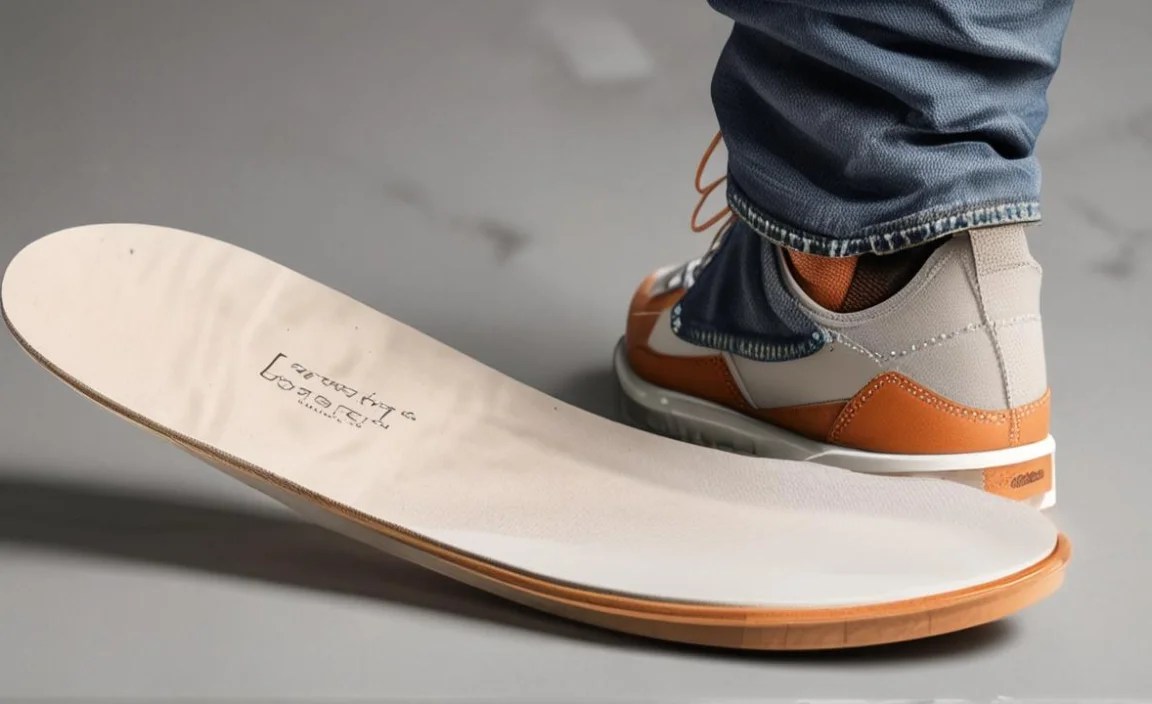
- Remove Existing Insoles: Start by taking out the original insoles from your work boots. These are usually just for basic padding and don’t offer much support or cushioning.
- Trace or Compare: Place your new insole on top of the old one. If they’re the same brand and model, they should be very similar. If not, ensure the new insole matches the
length and width of the old one. Most insoles can be trimmed to fit.
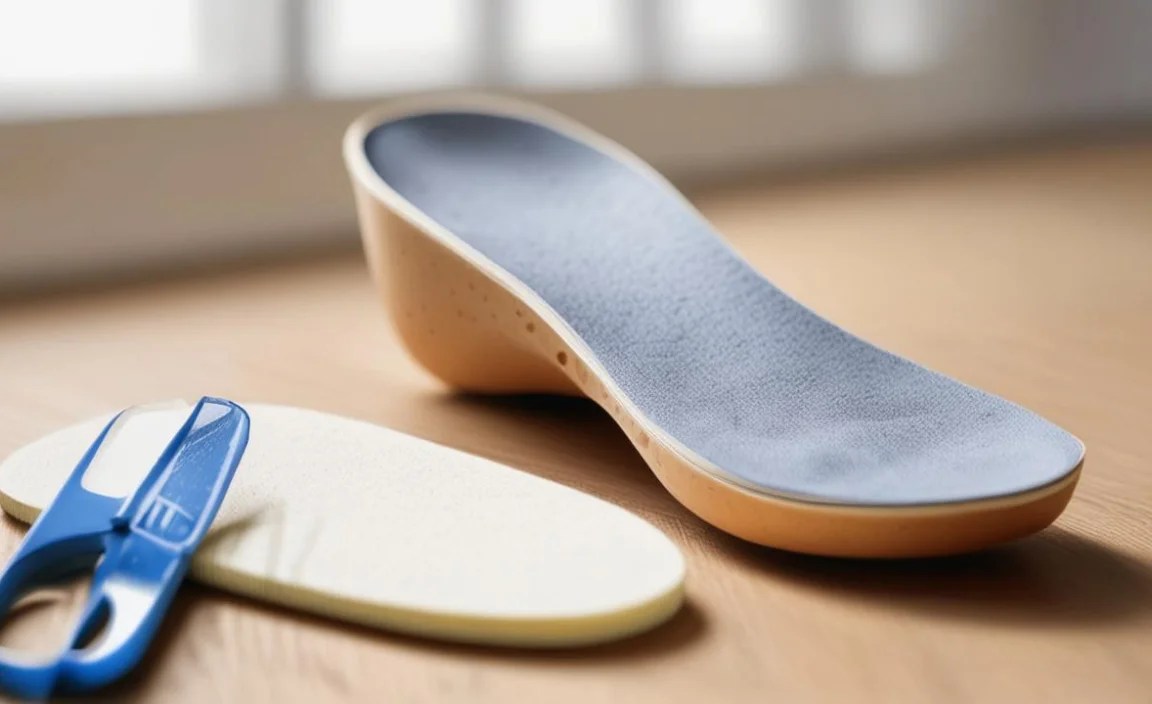
- Trim if Necessary: If the new insole is too long or wide, carefully trim it using sharp scissors. It’s best to trim small amounts at a time, especially along the toe and sides. You can often use the original insole as a template to mark the cut lines. Aim for a snug fit, but avoid over-trimming, which can compromise the support structure.
- Check for Bunching: Slide the trimmed insole into your boot. It should lie flat and not bunch up anywhere. Your heel should fit comfortably into the heel cup without slipping.
- Wear Them Around: Before committing to a full workday, wear your boots with the new insoles for a few hours at home or during less strenuous tasks. This allows your feet to adjust to the new support and helps identify any pressure points or discomfort before you’re high up on a scaffold.
Common Fitting Mistakes to Avoid
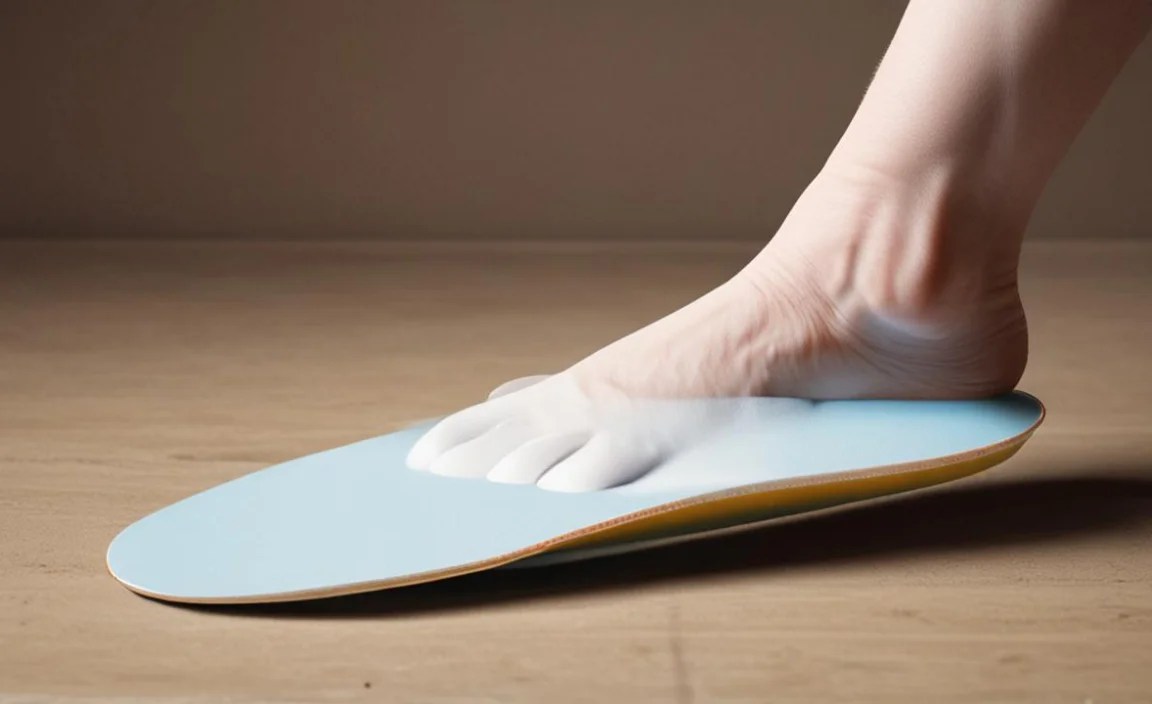
- Over-trimming: Cutting too much off can make the insole too small, leading to rubbing and blisters.
- Leaving Them Too Large: An insole that’s too big will shift inside your boot, reducing support and causing discomfort.
- Ignoring Pressure Points: If you feel a sharp or uncomfortable pressure point after a short wear, the insole might be too rigid in that area or not fit your arch correctly.
- Not Removing Original Insoles: This doubles up the thickness, making your boots too tight and altering the fit and support.
Maintaining Your Insoles for Longevity
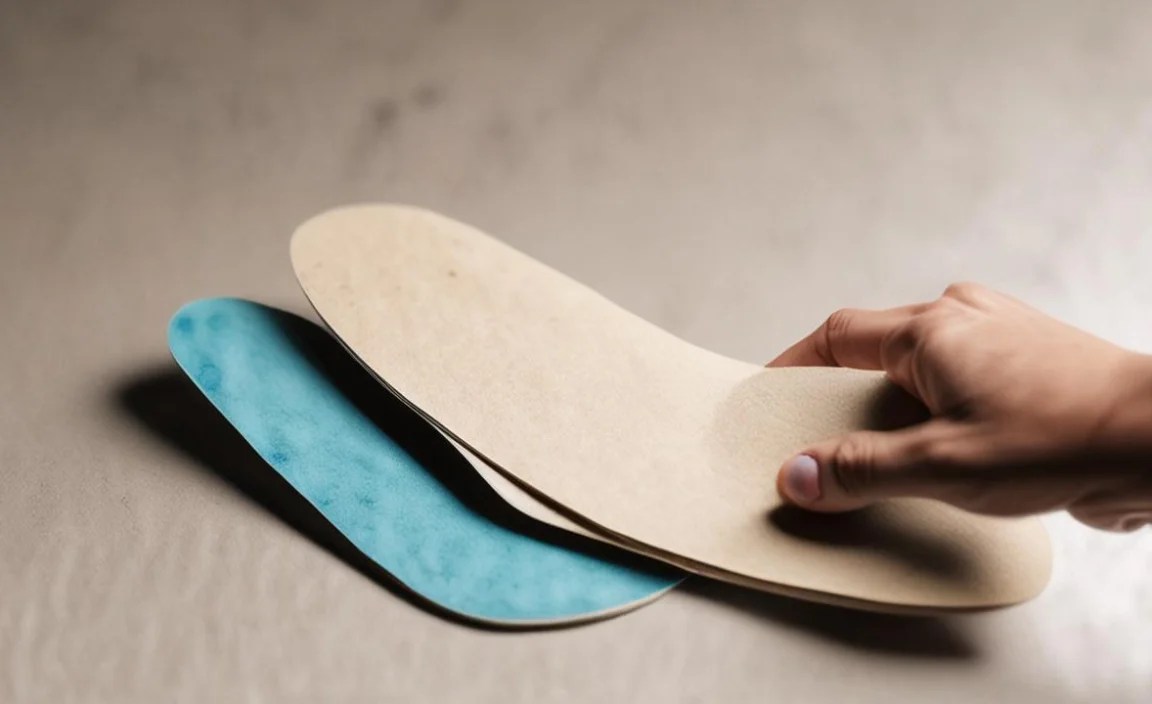
To get the most out of your investment in comfort, proper maintenance is key. Insoles, especially those made from foam or gel, will eventually compress and lose their cushioning and support. Here’s how to extend their life:
- Air Them Out Daily: At the end of each workday, remove your insoles from your boots. This allows them to dry completely, preventing moisture buildup that can lead to odors and bacterial growth.
- Wipe Them Down: If they get dirty, gently wipe them with a damp cloth and a mild soap. Avoid soaking them, as this can damage the materials.
- Hand Wash (If Necessary): Some insoles can be hand-washed; check the manufacturer’s instructions. If you do wash them, use cool water and mild detergent. Never put them in a washing machine or dryer, as the heat can warp or degrade them.
- Replace When Worn: Keep an eye on them. When you notice they are significantly less cushioned, the arch support feels less effective, or you start experiencing more foot pain, it’s time for a new pair. For heavy daily use on a scaffold, expect to replace them every 6–12 months, depending on the quality.
Insoles vs. Orthotics: What’s the Difference?
It’s common to see the terms “insoles” and “orthotics” used interchangeably, but there’s a distinction. Understanding this can help you choose the right product for your needs.
| Feature | Insoles (Superfeet, Powerstep, etc.) | Custom Orthotics (Prescribed by Podiatrist) |
|---|---|---|
| Purpose | Enhance comfort, cushioning, and general support for everyday activities and light to moderate support needs. | Correct specific biomechanical issues, treat medical conditions (e.g., severe plantar fasciitis, bunions, gait abnormalities), and provide highly customized support. |
| Customization | Offered in various sizes and support levels to fit common foot types. Some can be trimmed. | Made from detailed casts or scans of your feet for a perfect, unique fit. |
| Material | Typically made of foam, gel, polyurethane, or a combination. | More robust and often semi-rigid/rigid materials like plastics, carbon fiber, or specialized composites, designed for correction. |
| Cost | Generally $20 – $60. Offers good value for general comfort and support. | Can range from $200 – $800+ per pair, often covered partially by insurance. |
| Availability | Widely available in shoe stores, sporting goods stores, and online. | Available only through a podiatrist or medical professional. |
For most painters seeking to improve comfort and prevent fatigue on the scaffold, high-quality over-the-counter insoles or support/work insoles are an excellent and cost-effective solution. If you have significant pain or a diagnosed foot condition, consulting a podiatrist about custom orthotics might be necessary. A podiatrist can assess your gait and foot structure to recommend the most appropriate treatment, which might include custom orthotics or specific types of insoles.
Beyond Insoles: Holistic Foot Care for Painters

While insoles are a fantastic tool, they’re part of a bigger picture when it comes to keeping your feet healthy and comfortable while painting. Integrating good foot habits can amplify the benefits of your insoles.
Proper Footwear is Paramount
The best insoles won’t magically fix ill-fitting or unsupportive work boots. Ensure your work boots are:
- Well-fitted: Plenty of room in the toe box, no heel slippage, and snug across the arch and instep.
- Supportive: They should have a firm sole and good ankle support.
- In Good Condition: Worn-out soles or broken-down uppers offer little protection or support.
For many painters, robust, well-cushioned work boots are the first line of defense. For more information on selecting suitable footwear for demanding jobs, resources like the Occupational Safety and Health Administration (OSHA) guidelines on personal protective equipment can offer insights into ensuring your work gear, including footwear, meets safety standards.
Stretching and Mobility Exercises
Simple daily exercises can make a huge difference in foot flexibility and reduce muscle tightness. Try these before or after a long day:
- Ankle Circles: Rotate your ankles clockwise and counter-clockwise 10 times each way.
- Calf Stretches: Stand facing a wall, place your hands on it, and step one foot back, keeping the heel on the ground. Lean into the stretch. Hold for 30 seconds, then switch legs.
- Toe Curls: While sitting, place a small hand towel on the floor. Use your toes to scrunch the towel towards you.
- Foot Rolling: Roll a tennis ball or a frozen water bottle under your foot, from heel to toe, for a minute or two on each foot. This can help release tension in the arch.
