Insoles for painters’ ladders make a big difference in comfort and safety by cushioning the hard rungs, reducing foot fatigue, and improving stability. Choosing the right insoles helps painters stay focused and pain-free during long workdays.
Oh, the life of a painter! Up and down ladders, often for hours on end. It’s tough work, and one of the most overlooked sources of discomfort for painters is their feet. Standing on those hard, narrow ladder rungs can feel like walking on rocks. Your feet ache, your arches scream, and by the end of the day, you’re just counting the minutes until you can get them off. But what if there was a simple, effective way to make those long hours on the ladder much more bearable? There is! We’re talking about insoles, specifically designed to bring comfort and support right where you need it most. We’ll break down exactly why insoles are a game-changer for painters and how to pick the perfect pair.
Why Painters Need Special Insoles

Let’s face it, the modern ladder isn’t exactly designed for foot pampering. Those metal or fiberglass rungs are hard, unyielding surfaces. When you’re up and down them all day, your feet take a serious beating. This constant pressure and impact can lead to a host of problems:
- Foot Fatigue: Your feet get tired quickly because muscles and ligaments have to work overtime to absorb shock and maintain balance on a hard surface.
- Arch Pain: The lack of arch support on ladder rungs can cause strain and pain in your plantar fascia, the band of tissue that runs across the bottom of your foot.
- Heel Pain: Similar to arch pain, the impact can aggravate heel spurs or cause plantar fasciitis, a common condition characterized by sharp heel pain.
- Numbness and Tingling: Reduced blood flow and nerve compression from prolonged pressure on hard surfaces can lead to pins and needles or numbness.
- Blisters and Calluses: Friction and pressure points from the rungs can cause skin irritation, leading to painful blisters and hardened calluses.
- Instability: Slippery or hard surfaces can make it harder to find stable footing, increasing the risk of slips and falls.
Traditional work boots offer some protection, but they often lack the specific cushioning and arch support needed to counteract the unique demands of ladder work. This is where specialized insoles come in. They act as a crucial buffer between your feet and the harsh ladder rungs, transforming your work experience.
Understanding Different Types of Insoles

Not all insoles are created equal. They come in various materials and designs, each offering different benefits. For painters, the key is finding insoles that provide a good balance of cushioning, support, and durability.
Cushioning Insoles
These are usually made from soft materials like foam, gel, or memory foam. Their primary goal is to absorb shock and provide immediate comfort. They feel great right out of the box but might not offer significant arch support.
- Pros: Excellent shock absorption, plush feel, can reduce immediate impact.
- Cons: May wear out faster, might lack structured support for severe arch issues.
Support Insoles (Orthotic Insoles)
These insoles are designed with a more rigid structure to support the natural arch of your foot. They help to align your foot and ankle, which can improve posture and reduce strain on your legs and back. They often have a firmer heel cup for added stability.
- Pros: Superior arch support, good for people with flat feet or high arches, can improve alignment.
- Cons: Can feel stiffer initially, might require a break-in period.
Combination Insoles
Many modern insoles aim to offer the best of both worlds, combining cushioning with structured support. They might have a gel or foam top layer for comfort, with a firmer base and arch support underneath.
- Pros: Good balance of comfort and support, versatile for various foot types.
- Cons: Can be more expensive.
Specialty Insoles
Some insoles are designed for specific activities or conditions. For painters, look for insoles that emphasize:
- Durability: They need to withstand daily use and the abrasiveness of work environments.
- Grip: A non-slip surface can be crucial for preventing your foot from sliding inside your boot on the ladder.
- Moisture Wicking: Keeping feet dry helps prevent blisters and odor.
Key Features to Look for in Insoles for Painters

When you’re out on a job, your feet are your anchors. You need insoles that are more than just fancy cushions; they need to be functional workhorses. Here’s what to prioritize:
1. Superior Cushioning
This is paramount. The ability of the insole to absorb the shock of every step and the constant pressure on ladder rungs is its most critical function. Look for insoles with:
- Gel or Foam Inserts: Strategic placement of gel or responsive foam in the heel and ball of the foot can significantly reduce impact.
- Thick Design: A thicker insole generally offers more cushioning, but ensure it doesn’t make your boots too tight.
2. Robust Arch Support
Even if you don’t think you have arch issues, consistent pressure on ladder rungs can create them. Proper arch support distributes your weight more evenly and prevents the arch from collapsing.
- Contoured Design: The insole should naturally follow the curve of your arch.
- Moderate Firmness: Too soft, and it won’t provide support. Too hard, and it might be uncomfortable. Medium-density materials are often ideal.
3. Deep Heel Cup
A well-defined heel cup stabilizes the heel, preventing it from rolling inward or outward. This is crucial for maintaining balance on the unsteady surface of a ladder, reducing ankle strain, and improving overall posture.
- Stabilizing Material: The heel area might be made of a firmer material than the rest of the insole.
4. Durability and Material Quality
Painter’s boots see a lot of action. Your insoles need to keep up. Look for,
- High-Density Foams: Materials like EVA (ethylene-vinyl acetate) or PU (polyurethane) are known for their durability and ability to retain their shape.
- Reinforced Edges: Better construction means longer life.
- Odor Control: Materials with antimicrobial properties can help keep your boots smelling fresh.
5. Moisture-Wicking Properties
Long days on a job site can get hot. Sweaty feet are uncomfortable and can lead to blisters. An insole that wicks away moisture will keep your feet drier and more comfortable.
- Breathable Fabrics: Look for top layers made of synthetic fabrics designed to pull moisture away from the skin.
6. Non-Slip Surface
This is a safety feature. Some insoles have a textured or grippy top layer that prevents your foot from sliding around inside your boot, especially when your foot is at an angle on a ladder rung. This improves control and reduces the risk of slips.
How to Choose the Right Insoles for Your Needs
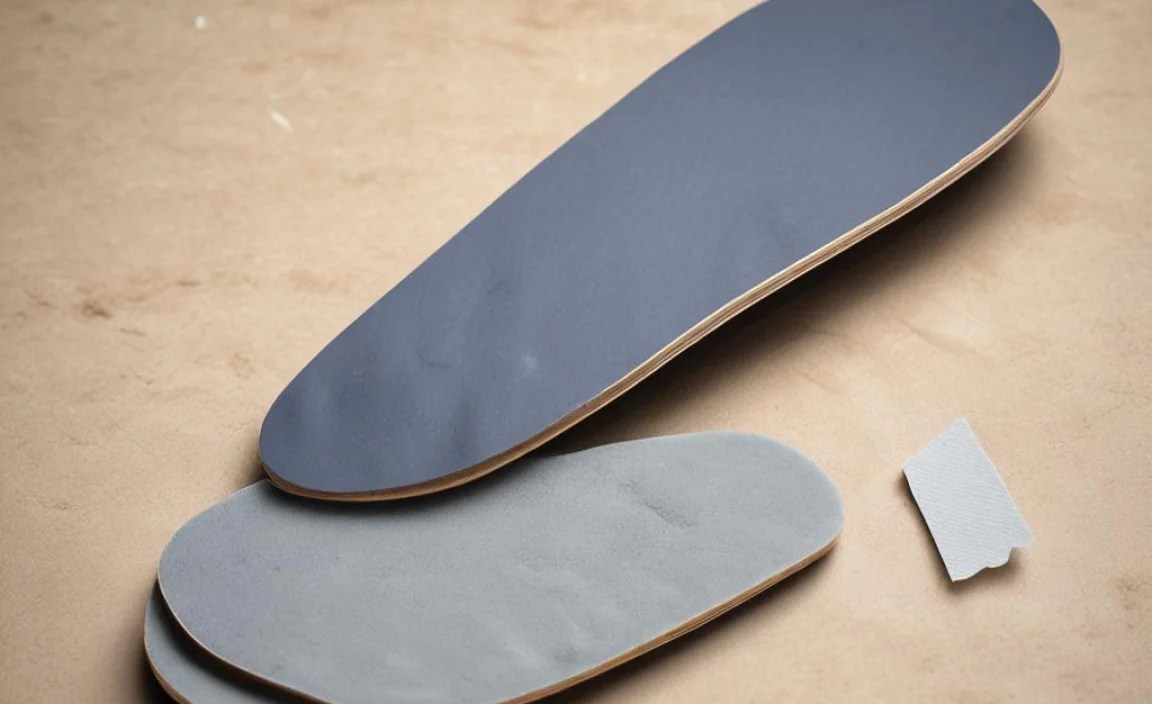
With so many options, it can feel overwhelming. Let’s simplify the process. Think about your specific situation.
Step 1: Assess Your Foot Type
Do you have flat feet, high arches, or neutral arches? Knowing this helps you choose the right level of support.
- Flat Feet: You likely need significant arch support to prevent overpronation (foot rolling inward).
- High Arches: You might need more cushioning to absorb shock, as your arch doesn’t naturally absorb impact well.
- Neutral Arches: You can often get away with a good balance of cushioning and moderate support.
A simple test is the “wet foot test.” Wet your feet and step onto a piece of paper. Look at the imprint:
- A full, wide footprint indicates flat feet.
- A footprint with a very thin or no connection between the heel and ball of the foot indicates high arches.
- A footprint with a visible, but not overly wide, curve along the inside shows neutral arches.
Step 2: Consider Your Footwear
What kind of boots do you wear on the job? Painters often wear sturdy work boots, which usually have enough volume to accommodate most insoles. However, if your boots are already a snug fit, you might need a thinner insole or to remove the original factory insole before inserting a new one.
Step 3: Identify Your Primary Pain Points
Where do you feel the most discomfort? Is it the:
- Heel? Look for insoles with extra heel cushioning and a deep heel cup.
- Arch? Prioritize insoles with excellent, structured arch support.
- Ball of the foot? Opt for insoles with forefoot cushioning and metatarsal support.
- General fatigue? A combination insole with good all-around cushioning and support will be best.Finding information on foot biomechanics can be helpful. Reputable sources like the American Podiatric Medical Association (APMA) offer great insights into foot health and how different foot types benefit from specific support.
Step 4: Read Reviews and Compare
Once you have an idea of what you need, research specific brands and models. Look for reviews from other tradespeople or people who stand for long periods. Pay attention to comments about durability, comfort on hard surfaces, and effectiveness for foot pain.
Recommended Insoles for Painters (Examples)
While specific product recommendations can change, here are some popular types and brands known for their quality and suitability for demanding jobs:
| Insole Type/Brand | Key Features for Painters | Best For |
|---|---|---|
| Superfeet GREEN Inserts | Deep heel cup, moderate arch support, durable construction. Excellent for shock absorption and alignment. | Neutral to moderately pronated feet, general foot fatigue. |
| Dr. Scholl’s Work Insoles | Designed for standing all day, good shock absorption, specific comfort for hard surfaces. | Anyone working on hard floors, general comfort and pain relief. |
| Powerstep Pinnacle Maxx | Semi-rigid arch support, deep heel cup, good cushioning. Offers excellent stability. | Moderate to severe overpronation, flat feet, plantar fasciitis. |
| Spenco RX Heavy Duty Insoles | Extra cushioning, good shock absorption, often includes metatarsal support. Durable and can be trimmed to fit. | Heavy-duty comfort, high impact absorption for very hard surfaces or heavy workers. |
| OOFOS OOsool Recovery Insoles | Extraordinarily soft and shock-absorbing, made from proprietary foam. Great for immediate relief and fatigue reduction. | Severe foot fatigue and pain, recovery after long days, though may lack rigid support for some. |
When looking at insoles, always check the manufacturer’s description for information on:
- Material: What is it made of? (e.g., EVA, PU, gel, memory foam)
- Support Level: Is it soft, medium, or firm? Does it specify arch support?
- Cushioning: Where is the cushioning concentrated? (e.g., heel, forefoot)
- Durability Rating: Some brands give an indication of lifespan.
How to Use and Care for Your Insoles
Getting the right insoles is only half the battle. Proper use and care will ensure they perform their best and last as long as possible.
Inserting Your New Insoles
- Remove Old Insoles: Take out the original insoles from your work boots.
- Trim if Necessary: Many insoles are designed to be trimmed to fit. Place your old insole (or your foot inside the boot) on top of the new insole and trace the outline with scissors. Start by trimming a little, as you can always trim more, but you can’t add it back.
- Place Them In: Slide the new insoles into your boots, ensuring they lie flat and the heel is properly seated in the heel cup.
- Break Them In: Start by wearing them for short periods, perhaps only a few hours at a time, and gradually increase the duration. This allows your feet to adjust. Some people find they need a week or two to fully break them in.
Caring for Your Insoles
- Daily Airing: Remove your insoles from your boots at the end of each workday to allow them to air out. This helps prevent moisture buildup, reduces odor, and extends the life of the insole material.
- Spot Clean: For minor dirt or grime, use a damp cloth with mild soap. Avoid soaking them in water, as this can damage some materials, especially foam and gel.
- Gentle Washing: If a deeper clean is needed, hand wash with cool water and mild soap. Rinse thoroughly and let them air dry completely, out of direct sunlight or heat. Never put them in a washing machine or dryer.
- Regular Inspection: Periodically check your insoles for signs of wear and tear, such as compression, thinning in critical areas, or breakdown of the material.
Replacing your insoles every 6 to 12 months, depending on usage and the type of insole, is generally recommended to ensure you continue to get the maximum benefit from their cushioning and support.
Beyond Insoles: Other Foot Care Tips for Painters
Insoles are a fantastic addition, but they’re part of a bigger picture of foot health. Here are some other essential tips for painters to keep their feet happy and healthy:
- Choose the Right Boots: Invest in high-quality work boots that offer good ankle support, a comfortable fit, and a durable sole. Ensure they have enough toe room.
- Proper Sock Choice: Wear moisture-wicking socks made of wool or synthetic blends. Avoid cotton socks, as they hold moisture and increase the risk of blisters.
- Keep Feet Dry: Change socks if they become damp during the day. If your boots get wet, allow them to dry out completely before wearing them again, ideally by removing the insoles.
- Regular Foot Hygiene: Wash and dry your feet thoroughly every day. Check for any cuts, blisters, or signs of skin irritation.
- Stretching and Exercises: Gentle foot and ankle stretches can improve flexibility and circulation. Calf raises, toe curls, and ankle circles can be beneficial.
- Listen to Your Body: Don’t push through significant pain. Take breaks when you can, and if you experience persistent foot pain, consult a healthcare professional or a podiatrist. They can offer a diagnosis and personalized advice.
- Proper Lifting Techniques: When carrying materials, use proper lifting techniques to avoid strain that can travel down to your feet and ankles.
Taking a holistic approach to foot care will pay dividends in comfort, performance, and long-term health. For more in-depth information on maintaining foot health, resources from organizations like the National Institute for Occupational Safety and Health (NIOSH) provide valuable insights into preventing work-related foot injuries.
Frequently Asked Questions (FAQs)
Q1: How often should I replace my insoles?
It’s generally recommended to replace insoles every 6 to 12 months, depending on how often you use them and the type of insole. If you notice they’ve lost their cushioning or support, or if your foot pain returns, it’s time for new ones.
Q2: Can I use insoles in any type of shoe?
While insoles can be used in many types of shoes, they are most effective when they fit well and are suited to the shoe’s design. Work boots, sneakers, and sturdy walking shoes are excellent candidates. Very high heels or minimalist shoes might not be suitable.
Q3: Do insoles actually help with arch pain?
Yes, absolutely. Insoles designed with proper arch support can help distribute pressure more evenly across your foot, reducing strain on the plantar fascia and alleviating arch pain. They help maintain the natural shape of your foot while you stand or walk.
