Overpronating feet roll inward too much with each step. Insoles designed for overpronation offer crucial arch support and stability, helping to realign your foot strike, reduce pain, and prevent future issues like plantar fasciitis or shin splints. This guide covers understanding overpronation and finding the right insoles for you.
Have you ever noticed your feet feeling tired, achy, or sore after a long day, or perhaps experienced discomfort in your knees or hips? For many of us, this isn’t just normal fatigue; it can be a sign that our feet might be overpronating. This happens when your foot rolls inward excessively as you walk or run. It’s a common gait issue that can lead to a cascade of problems, from arch pain to shin splints and even knee discomfort.
But don’t worry! Understanding what overpronation is and how the right insoles can help is the first step toward much greater comfort and better foot health. In this guide, we’ll break down the basics of insoles for overpronation, making it simple to understand and easy to find relief. We’ll cover how to identify if you’re overpronating, what to look for in an insole, and how to use them effectively to get you back on your feet with renewed comfort.
Understanding Overpronation: What It Is and Why It Matters

Overpronation is a biomechanical term describing how your foot moves when you walk or run. When your foot strikes the ground, it naturally rolls inward to absorb shock. This inward rolling motion is called pronation. For most people, this is a healthy and necessary part of walking, helping to distribute force and maintain balance. However, when this inward roll is excessive, it’s called overpronation.
Imagine your foot as a spring. A normal pronation allows the spring to compress and then rebound effectively. In overpronation, the foot’s arch collapses too much, and the spring is compressed too far, stretching the ligaments and tendons beyond their normal capacity. This can lead to strain on various parts of your foot, ankle, and even your legs and back.
The Mechanics of Your Foot Strike
When you walk, your foot goes through a cycle: striking the ground, supporting your weight, and then pushing off. The way your foot lands and transitions through these phases is crucial for proper biomechanics.
- Heel Strike: Your heel hits the ground.
- Midstance: Your foot rolls inward to absorb shock and adapt to the ground’s surface. This is where healthy pronation happens normally. Overpronation means this inward roll is too significant.
- Toe-off: Your foot pushes off the ground, primarily from the big toe and forefoot. In overpronation, the foot might not supinate (roll outward) sufficiently during this phase, leading to less efficient push-off and increased stress.
Common Signs and Symptoms of Overpronation
Recognizing overpronation symptoms is key to finding the right solution. While a professional gait analysis is the most accurate way to diagnose it, many common signs can point towards this issue:
- Foot Pain: Especially in the arch, heel, or the ball of your foot. This is often due to the arch collapsing and tendons being overstretched.
- Flat Arches: If your feet look very flat when wet (the “wet test”) or if your arches appear to collapse when you stand, you might be overpronating.
- Ankle Instability: A tendency to “roll” your ankles inward or feeling like your ankles are weak.
- Bunions: Overpronation can put extra pressure on the big toe joint, contributing to the development or worsening of bunions.
- Plantar Fasciitis: Inflammation of the plantar fascia, the band of tissue running across the bottom of your foot, often causes heel pain. Overpronation is a significant contributing factor.
- Shin Splints: Pain along the shin bone (tibia) can occur because the muscles in the lower leg are working harder to stabilize the foot.
- Knee Pain: The inward rolling motion of the foot can cause the knee to align improperly, leading to pain on the inside of the knee (medial knee pain) or general discomfort.
- Wear Pattern on Shoes: Check the soles of your shoes. If the inner edge of the sole is significantly more worn down than the outer edge, it can indicate overpronation.
Why Does Overpronation Happen?
Overpronation can be caused by a variety of factors, some of which are within our control, and others less so:
- Genetics: The structure of your foot, like having naturally flat feet or flexible arches, can be inherited.
- Foot Structure: Amore common cause is having flexible flat feet. When you put weight on your feet, the arch collapses.
- Age: As we age, the muscles and ligaments that support our arches can weaken, leading to increased pronation.
- Weight: Carrying extra body weight puts additional stress on your feet and arches, potentially exacerbating overpronation.
- Activity Level: Certain activities, especially those involving a lot of impact or repetitive motion, can contribute. Lack of proper conditioning can also play a role.
- Injury: Past injuries to the foot, ankle, or leg can sometimes alter biomechanics and lead to overpronation.
- Improper Footwear: Shoes that lack support or are worn out can fail to provide adequate stability, allowing the foot to overpronate.
The Role of Insoles in Correcting Overpronation

Insoles, also known as orthotics or arch supports, are inserts placed inside your shoes to provide cushioning, support, and stability. For overpronation, specifically designed insoles can make a significant difference by helping to control the excessive inward roll of your foot and realign your gait.
How Insoles Help Overpronating Feet
The primary goal of insoles for overpronation is to provide support to the medial arch (the inside arch of your foot). This support works in several ways:
- Arch Support: They lift and support the collapsing arch, preventing it from rolling inward excessively. This realigns the foot and ankle into a more neutral position.
- Heel Cupping: Many overpronation insoles feature a deep heel cup. This helps to stabilize the heel, preventing it from rolling inward and keeping the foot aligned during the gait cycle.
- Motion Control: They help to control the supination (outward roll) and pronation (inward roll) of the foot, ensuring a smoother and more balanced stride.
- Cushioning: While the focus is on control, good insoles also offer cushioning to absorb shock, reducing impact on your joints.
- Pain Relief: By controlling the mechanics of your foot, insoles can alleviate pressure points and reduce strain on muscles, tendons, and ligaments, leading to significant pain relief.
Types of Insoles for Overpronation
When choosing insoles for overpronation, you’ll encounter a few key types, mainly distinguished by their level of support and the materials they use. It’s important to note that “pronation control” or “stability” insoles are typically what you’ll want.
Insoles can be broadly categorized based on their stiffness and intended use:
1. Semi-Rigid Insoles
These are often the go-to for overpronation. They offer a good balance between support and flexibility, incorporating a combination of firm materials for control and cushioning for comfort. They are usually made with a rigid or semi-rigid shell (often plastic or carbon fiber) coupled with a softer top layer.
2. Rigid Insoles
These are the firmest and most supportive option. They are typically made of hard plastic or carbon fiber and offer maximum motion control. While very effective for severe overpronation or for individuals who need a very stable foot, they can sometimes feel less comfortable for casual wear.
3. Cushioned/Soft Insoles
While less common as a primary solution for controlling overpronation, some softer insoles might offer mild arch support in addition to cushioning. These are better for individuals with mild overpronation or those whose main concern is shock absorption rather than structural correction.
For overpronation, you’ll primarily be looking for insoles labeled as “stability,” “motion control,” or “pronation support.”
Custom vs. Over-the-Counter (OTC) Insoles
This is an important distinction to make:
- Custom Orthotics: These are made by a podiatrist or specialized healthcare professional after a detailed examination and casting of your feet. They are tailored precisely to your foot’s unique structure and biomechanics. They are highly effective but also significantly more expensive and typically require a prescription.
- Over-the-Counter (OTC) Insoles: These are readily available in pharmacies, sporting goods stores, and online. They are designed to address common foot conditions like overpronation, flat feet, or plantar fasciitis and come in various support levels. They are much more affordable and convenient. For most people starting out, OTC insoles are an excellent first step.
How to Choose the Right Insoles for Overpronation

Selecting the correct insole can feel overwhelming with so many options available. Here’s a breakdown of what to consider:
Key Features to Look For
When browsing for insoles specifically for overpronation, keep these features in mind:
- Arch Support: Look for noticeable support under the medial arch. The amount of support might be described as “moderate” or “firm,” depending on your needs.
- Heel Cup: A deeper heel cup is crucial for stability. It cradles the heel and prevents excessive inward rolling.
- Rigid or Semi-Rigid Construction: The insole should have some firmness to control foot motion. This is often achieved with a supportive midsole or shell.
- Defined Metatarsal Pad: Some insoles have a slight elevation behind the ball of the foot (metatarsal pad) which can help redistribute pressure and support the transverse arch.
- Materials: While a firm shell is important, ensure there’s adequate cushioning. EVA foam, polyurethane, and gel are common cushioning materials.
Assessing Your Foot Type and Needs
Before you buy, think about your feet and your lifestyle:
- Arch Height: Do you have naturally flat feet, or do your arches tend to fall when you stand? If your arches are very low or collapse significantly, you’ll need more robust support.
- Activity Level: Are you a runner, a walker, or do you stand for long hours at work? High-impact activities require more durable and shock-absorbent insoles. For casual wear, a balance of support and comfort is key.
- Footwear: What kind of shoes will you be wearing the insoles in? Consider the depth of your shoes. Some insoles are thicker than others. You might need different insoles for running shoes versus dress shoes.
- Weight: Heavier individuals often benefit from more rigid and supportive insoles to counteract the increased pressure.
Top Features of Top Overpronation Insoles (A Comparative Look)
Here’s a simplified comparison of what you might find in popular insoles:
| Feature | Insole Type A (e.g., Stability) | Insole Type B (e.g., Motion Control) | Insole Type C (e.g., Cushioned Support) |
|---|---|---|---|
| Primary Goal | Moderate pronation control, arch support | Maximum pronation control, stability | Comfort and mild arch support |
| Arch Support Level | Moderate to firm | Firm to very firm | Mild to moderate |
| Heel Cup | Deep | Very deep | Moderate |
| Material Rigidity | Semi-rigid midsole with cushioning | Rigid or semi-rigid shell with durable cushioning | Softer EVA or gel |
| Best For | Mild to moderate overpronation, everyday wear, athletic shoes | Moderate to severe overpronation, intense activity, heavy individuals | Mild pronation, comfort focus, those needing extra shock absorption |
It’s also helpful to consult resources like the American Orthopaedic Foot & Ankle Society (AOFAS) website for general foot health information, though specific product recommendations will depend on individual assessment.
How to Use Insoles Effectively
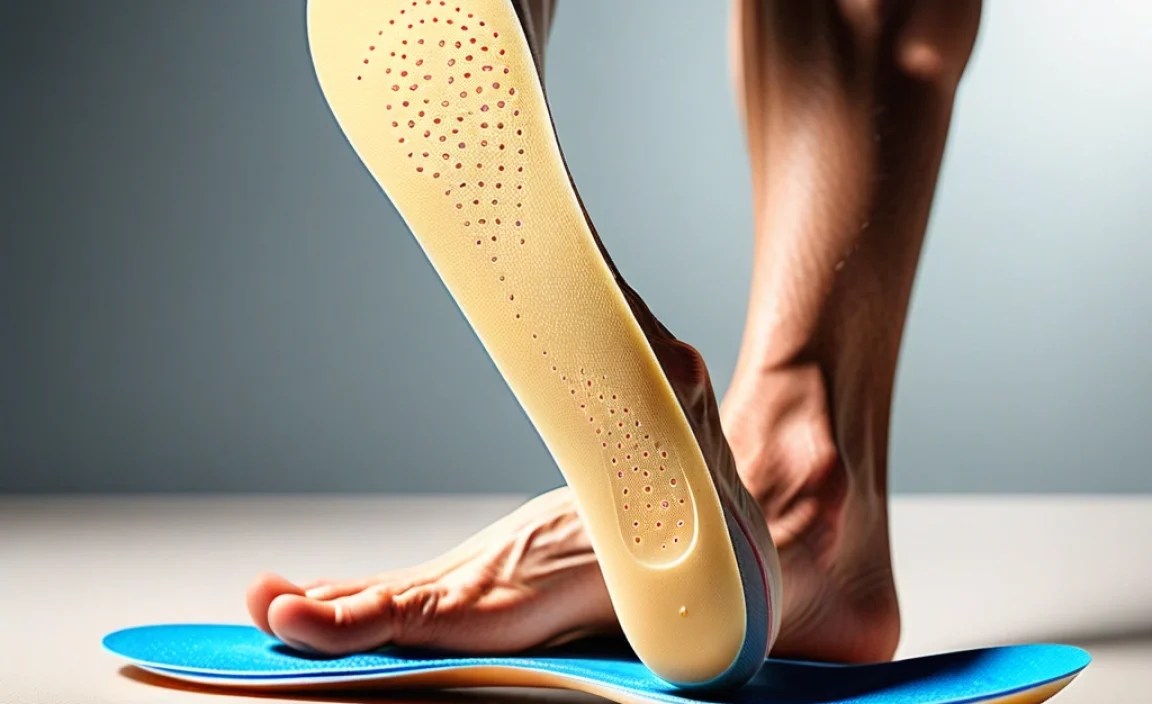
Simply buying the right insoles isn’t the whole story. Proper use is essential for comfort and effectiveness. Here’s how to get the most out of your new supports:
Breaking Them In
Your feet and body need time to adjust to the new support. Insoles, especially firmer ones designed for pronation control, can feel very different from your old insoles or the shoe alone.
- Start Slowly: Begin by wearing the insoles for an hour or two each day.
- Gradually Increase Wear Time: Add an hour or two each day as you feel comfortable.
- Listen to Your Body: If you experience significant discomfort or pain, reduce the wear time or take a day off.
- Full-Time Wear: Most people can transition to full-time wear within one to two weeks. If discomfort persists, the insole might not be the right fit, or you may need a professional assessment.
Placement and Fit in Your Shoes
Correct placement ensures the insole functions as intended:
- Remove Original Insoles: Always remove your shoe’s factory-inserted insoles (if possible) before inserting your new ones. This makes space and prevents the shoe from becoming too tight.
- Ensure Proper Seating: Place the new insole in the shoe so that the arch support lines up with your foot’s arch and the heel nestles correctly into the heel cup. The insole should lie flat and flush against the bottom of the shoe.
- Check for Bunched-Up Material: Make sure the insole isn’t bunching up at the edges or causing friction.
- Shoe Fit: Your shoes should still fit comfortably. If the insole makes your shoes too tight, you may need to try a thinner insole or shoes with more depth.
When to Consider Professional Help
While OTC insoles are a great starting point, there are times when professional intervention is necessary:
- Persistent Pain: If pain doesn’t improve after several weeks of using appropriate OTC insoles and breaking them in.
- Severe Deformities: If you have significant foot deformities, such as very flat feet, high arches, or bunions that cause severe pain or dysfunction.
- Specific Medical Conditions: Conditions like diabetes, neuropathy, or arthritis can affect foot health, and professional advice is essential.
- For Athletes: Competitive athletes or those with very high training volumes may benefit from custom orthotics for precise correction.
A podiatrist can perform a thorough gait analysis and recommend custom orthotics, or advise on the best type of OTC insole for your specific needs. You can find qualified podiatrists through organizations like the American Podiatric Medical Association (APMA).
Insoles for Different Activities and Footwear

Your choice of insole should also match what you’ll be doing and what shoes you’ll be wearing them in. Using the wrong type can be ineffective or even uncomfortable.
Insoles for Running Shoes
Running involves high impact, so insoles for running shoes need to offer both excellent shock absorption and robust pronation control. Look for insoles with:
- Durable cushioning, often made from resilient foams like EVA or polyurethane.
- A firm heel counter to stabilize the foot upon landing.
- A moderately to very firm arch support to control the inward roll during the higher forces experienced during running.
- A design that doesn’t add too much bulk, so they fit comfortably within the often snug fit of running shoes.
Insoles for Walking and Everyday Shoes
For daily activities, comfort and sustained support are key. These insoles might be slightly less rigid than running insoles but still provide crucial pronation control and cushioning.
- Good arch support is essential for long periods of standing or walking.
- Balanced cushioning that provides comfort without sacrificing stability.
- A profile that fits well into casual shoes, sneakers, or even some types of boots.
Insoles for Work Boots and Dress Shoes
This is where fit and thickness become very important. Work boots and dress shoes often have less.
