Insoles for orthodontists standing offer excellent support and cushioning, significantly reducing fatigue and discomfort during long hours on your feet. Investing in the right pair can transform your workday by improving posture and preventing common foot issues.
Standing for extended periods can be tough on anyone’s feet, and for orthodontists, it’s a daily reality. The precise nature of your work requires you to be on your feet for hours, often in a focused, static posture. This can lead to tired feet, aching arches, and even more serious issues like plantar fasciitis. But what if there’s a simple solution that doesn’t involve changing your profession? Insoles! This guide is designed to help you discover how the right insoles can bring you effortless comfort, keep your feet healthy, and make those long standing hours feel significantly easier. We’ll cover what makes an insole great for standing professions, how to choose the best ones for your needs, and how to use them effectively.
Why Standing All Day Demands the Right Foot Support

Your feet are the foundation of your body. When you stand for prolonged periods, especially in a clinical setting like orthodontics, they bear a considerable amount of your body weight. This constant pressure can strain the muscles, ligaments, and tendons in your feet, leading to a cascade of discomfort that can spread up to your ankles, knees, and even your back.
Consider the forces at play: each step you take, or even each prolonged static stance, sends shockwaves through your skeletal system. Without adequate support, your feet’s natural shock absorption capabilities can become overwhelmed. This is where specialized insoles come into play for professions like orthodontics. They act as a crucial buffer, providing:
Enhanced Cushioning: Absorbing impact from the hard clinic floors.
Arch Support: Distributing weight more evenly across the foot.
Stability: Helping to maintain proper foot alignment.
Reduced Fatigue: Easing the strain on foot muscles and joints.
For orthodontists, the need is even more pronounced. The intricate nature of your work demands focus and precision, which can be incredibly difficult when you’re distracted by foot pain. Thankfully, finding the right insoles is more accessible than ever.
Understanding Insoles: More Than Just a Cushion
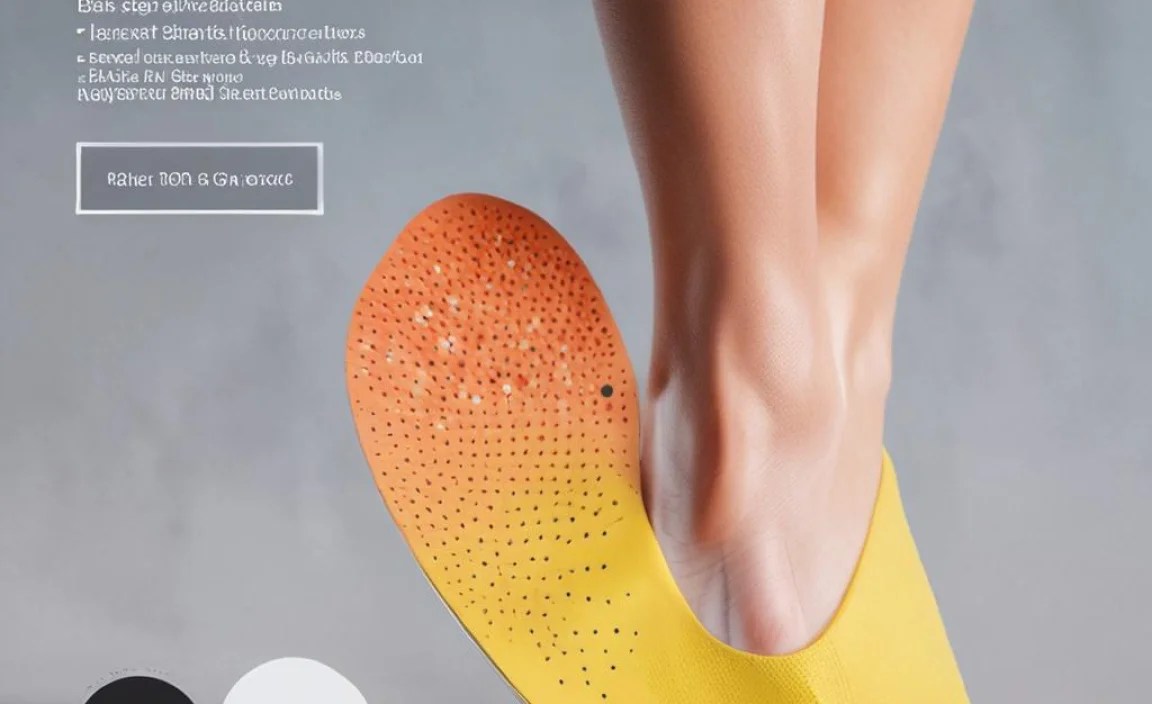
Insoles, often referred to as orthotics or inserts, are designed to be placed inside your shoes. They are not just about adding softness; they play a vital role in supporting your foot’s natural structure and biomechanics. Different types of insoles offer varying levels of support and cushioning, making them suitable for a range of needs.
Key Features of Supportive Insoles
When looking for insoles, especially for prolonged standing, keep an eye out for these features:
Cushioning Material: Look for materials like EVA foam, gel, or memory foam. These materials provide shock absorption and comfort. Different densities offer different levels of firmness and support.
Arch Support: This is crucial for distributing pressure evenly. Insoles come with varying degrees of arch support, from neutral to high. Choosing the right level depends on your foot’s natural arch.
Heel Cup: A well-defined heel cup helps to stabilize the heel, preventing excessive pronation (rolling inward) or supination (rolling outward) and providing a secure fit.
Metatarsal Support: Some insoles include padding or a slight rise under the ball of your foot (metatarsal area) to relieve pressure and pain in this region.
Durability: As you’ll be on your feet for many hours, consider how well the insoles will hold up over time. Higher-quality materials generally offer better longevity.
Types of Insoles
Insoles can broadly be categorized by their function:
Cushioning Insoles: Primarily designed to provide extra softness and absorb shock. Great for general comfort and reducing impact.
Supportive Insoles (Ortho-insoles): Offer structured support to control foot motion, align the foot and ankle with the leg, and improve posture. These are often recommended for people with specific foot conditions.
Performance Insoles: Engineered for specific activities, often providing a balance of cushioning, support, and energy return.
For orthodontists standing, a blend of cushioning and supportive features is usually ideal.
Choosing the Best Insoles for Orthodontists Standing

Selecting the right insole is a personal journey, as everyone’s feet are unique. However, for the specific demands of standing and working in a clinical environment, certain qualities are paramount.
Factors to Consider
1. Your Foot Type: Do you have high arches, flat feet, or neutral arches? Understanding your arch type is fundamental to selecting the correct support.
Flat Feet (Low Arches): Often benefit from firm arch support to help control pronation and prevent the arch from collapsing.
High Arches: May require more cushioning, especially in the heel and ball of the foot, as these areas might bear more pressure. They also need support to prevent the foot from rolling outward.
Neutral Arches: Generally have the most flexibility and can often use a well-cushioned insole with moderate arch support.
You can test your arch type with the “wet test.” Wet your feet, step onto a piece of cardboard or dark paper, and examine the imprint. A full foot imprint indicates flat feet, a very narrow or non-existent imprint suggests high arches, and a partial imprint with a visible arch curve is a neutral arch.
2. Your Work Shoes: The type of shoes you wear as an orthodontist plays a significant role.
Dress Shoes: Often have less natural cushioning and support. You’ll need thinner insoles designed to fit well without making the shoe too tight.
Comfort Shoes/Sneakers: More forgiving, allowing for thicker, more supportive insoles.
Always ensure the insole fits comfortably within your shoe without causing pressure points or making the shoe too snug, which can create new problems.
3. Your Specific Pain Points: Are you experiencing heel pain, arch soreness, or general fatigue?
Heel Pain: Look for insoles with good heel cushioning and a supportive heel cup.
Arch Pain: Prioritize insoles with robust arch support tailored to your arch type.
General Fatigue: A combination of cushioning and moderate support will likely provide the most relief.
4. Material and Durability: Given the daily wear, opt for high-quality materials that offer both comfort and longevity. EVA, polyurethane, and quality gel composites are good choices.
Recommended Insole Features for Standing Professionals
Moderate to Firm Arch Support: Essential for maintaining proper foot alignment and reducing strain.
Deep Heel Cup: For heel stability and shock absorption.
Cushioned Forefoot and Heel: To absorb impact from constant standing.
Breathable Materials: To help keep feet dry and comfortable, reducing the risk of fungal infections.
Slim Profile (if needed): If your work shoes are already snug, a lower-profile insole will be more comfortable without altering the shoe fit significantly.
Top Insole Features for Extended Standing
Here’s a breakdown of how different features can benefit you:
Table: Benefit of Insole Features for Standing
| Insole Feature | Benefit for Orthodontists Standing |
| Arch Support | Distributes body weight evenly, prevents foot collapse, reduces arch strain, improves posture. |
| Heel Cup | Stabilizes the heel, absorbs shock, prevents overpronation/supination, reduces heel pain. |
| Cushioning | Absorbs impact from hard surfaces, reduces foot fatigue, provides overall comfort. |
| Metatarsal Pad | Relieves pressure and pain in the ball of the foot, common for those standing for long periods. |
| Durable Materials | Ensures long-lasting support and comfort, cost-effective over time. |
| Breathable Top | Manages moisture, keeps feet dry, prevents odor and fungal issues, enhances comfort. |
Insole Reviews: What to Look For in Specific Products
When browsing for insoles, you’ll encounter a wide range of brands and models. While a detailed review of every single option is beyond this scope, understanding common characteristics of highly-rated insoles for standing professions can guide your choice.
Generally, insoles that receive high marks for standing comfort often share these traits:
1. Balanced Support and Cushioning: They don’t sacrifice one for the other. They offer enough structure to support your arch and heel, without feeling stiff, and enough padding to absorb impact.
2. Durability: Users report that these insoles last for many months, even with daily, intensive use. This suggests they are made from robust materials that don’t compress or break down quickly.
3. Good Fit Out-of-the-Box: While some trimming might be necessary, the best insoles are designed to fit a variety of shoe types and foot shapes without causing immediate discomfort.
4. Effective Pain Relief: Many testimonials highlight significant reductions in foot, ankle, and even lower back pain after using these insoles.
Example: Popular Insole Types for Standing Jobs
While product availability and specific models change, you can generally find effective solutions from brands known for their comfort and orthopedic focus. Look for models that specifically mention “all-day comfort,” “standing support,” or are designed for “work shoes.”
Full-Length Orthotic Inserts: These run the entire length of the shoe and provide comprehensive support from heel to toe. They are often made of materials like firm-density EVA and have a structured heel cup and arch support.
Gel Insoles with Arch Support: These combine the shock-absorbing qualities of gel with the structural benefits of an arch. They can be a good compromise for those who prefer a softer feel but still need support.
Custom-Molded Inserts: While more expensive, these are molded to your specific foot. They offer the highest level of personalized support and comfort, often recommended by podiatrists.
A good starting point for research would be to look at reviews for brands like Superfeet, Powerstep, or Dr. Scholl’s (specifically their advanced support lines).
How to Use Insoles for Maximum Benefit
Simply buying insoles isn’t enough; proper usage is key to unlocking their full potential for comfort and foot health.
Step-by-Step Guide to Using Your New Insoles
1. Remove Existing Insoles: If your shoes have removable insoles or sock liners, take them out first. This creates space for your new insoles and ensures a proper fit.
2. Trim to Fit (if necessary): Most insoles are designed to be trimmed to fit your specific shoe size. Follow the manufacturer’s instructions carefully. You might need a sharp pair of scissors and a pen. It’s often easier to cut slightly smaller than your exact size and then trim more if needed than to cut too much.
3. Insert the Insoles: Place the new insoles into your shoes, ensuring they sit flat and align correctly with the shoe’s contours. The heel should fit snugly into the heel cup.
4. Wear them Gradually: It’s a good idea to break in new insoles gradually, especially if they offer significant support. Start by wearing them for a few hours each day and slowly increase the duration. This allows your feet to adapt to the new support.
5. Pay Attention to Your Body: Listen to your feet. If you experience any new or increased pain, adjust your wear time or consult with a foot care professional. Slight initial discomfort as your feet adjust to better support is normal, but sharp or lasting pain is not.
6. Clean and Maintain: Follow the manufacturer’s recommendations for cleaning. Usually, this involves hand washing with mild soap and water and air drying. This helps keep them hygienic and maintains their material integrity.
When to Consider Professional Orthotics
While over-the-counter (OTC) insoles can provide significant relief, they may not be sufficient for everyone. If you have severe foot conditions, chronic pain that isn’t improving, or specific biomechanical issues identified by a medical professional, custom orthotics prescribed by a podiatrist may be a better investment. Custom orthotics are made from molds or scans of your feet and are designed to address your exact needs. You can learn more about the role of podiatrists from resources like the American Podiatric Medical Association (APMA).
Frequently Asked Questions About Insoles for Standing
Q1: How long do insoles typically last?
The lifespan of insoles varies depending on the quality of the materials, your weight, your activity level, and how often you wear them. Generally, good quality OTC insoles can last anywhere from 6 months to a year, or sometimes longer, before their cushioning and support begin to degrade significantly. You’ll know it’s time for new ones when they start feeling flatter or less supportive.
Q2: Can insoles help with back pain caused by standing?
Yes, they absolutely can. Foot pain and misalignment can affect your posture, leading to compensatory strain in your back. By improving your foot’s alignment and providing better shock absorption, insoles can help restore a more natural posture, often alleviating discomfort in the lower back and even the knees and hips.
Q3: Should I wear insoles in all my shoes?
It’s ideal to wear them in the shoes you use most often, especially those where you spend the most time standing. While you can transfer them between shoes, dedicated pairs for different work shoes can offer consistent support. If your shoes are already a snug fit, a thicker insole might make them too tight, so consider less bulky options or thinner insoles.
Q4: How do I know if I need arch support?
If you experience arch pain, fatigue in your feet after standing, or notice your arches collapsing inward (overpronation), you likely need arch support. The “wet test” (mentioned earlier) can give you a good indication of your arch type. If you’re unsure, a consultation with a podiatrist can provide a definitive answer and recommendation.
Q5: Can insoles help prevent foot conditions like plantar fasciitis?
Properly supportive insoles can play a preventative role. They help maintain correct foot alignment, reduce stress on the plantar fascia (the thick band of tissue on the bottom of your foot), and absorb shock, all of which are crucial in preventing conditions like plantar fasciitis. If you are already experiencing symptoms, insoles can be part of a treatment plan, but it’s important to consult a healthcare professional.
Q6: Are insoles comfortable to wear right away?
Most people find insoles comfortable immediately, but some may need a short break-in period of a few days to a week. This is especially true for insoles that offer more structured support. If you experience significant pain or discomfort after the break-in period, the insole may not be the right type for your feet, or it may require professional adjustment.
Conclusion: Invest in Your Comfort, Invest in Your Health
As an orthodontist, your feet are your tireless partners throughout your demanding workday. The commitment to providing precise, excellent care means you’re often on them for hours on end. Ignoring foot discomfort is not only detrimental to your immediate well-being but can lead to chronic pain and long-term health issues that impact your ability to do your job and enjoy your life.
Insoles are a powerful, accessible tool to combat the fatigue and pain associated with prolonged standing. By understanding your foot type, evaluating your shoes, and choosing insoles that offer a combination of cushioning, arch support, and heel stability, you can significantly enhance your daily comfort. Remember to break them in gradually, listen to your body, and replace them when their support diminishes.
Investing in a quality pair of insoles is an investment in your health, your comfort, and your professional longevity. You deserve to stand with ease, focus on your patients, and leave work without the heavy burden of tired, aching feet. Make the smart choice for your feet today – your future self will thank you.
