Insoles for netball shoes provide crucial support and cushioning, significantly enhancing comfort and performance. They can help absorb shock from jumping and landing, reduce fatigue, and prevent common foot issues like plantar fasciitis, making them a vital addition for any netball player.
Netball is a fast-paced sport that demands quick movements, jumps, and landings. All these actions put a lot of stress on your feet. If your netball shoes don’t offer enough support, you might start to feel discomfort, pain, or even sustain injuries. Thankfully, there’s a simple solution that can make a world of difference: insoles. These little inserts can transform your regular netball shoes into powerhouses of comfort and support. We’re going to explore how the right insoles can help you play your best and keep your feet happy, even after a tough match.
Why Your Netball Shoes Need Good Insoles

Netball shoes are designed for agility and grip, but the built-in insoles often provide only basic cushioning. For the high-impact nature of netball, this usually isn’t enough. Think about all the jumping, pivoting, and sudden stops. Each of these movements sends shockwaves through your feet, ankles, and even up to your knees and back.
Without adequate support, these repetitive impacts can lead to:
- Foot pain, especially in the arch and heel
- Plantar fasciitis (a common cause of heel pain)
- Shin splints
- Ankle instability and increased risk of sprains
- General fatigue in your feet and legs, affecting your performance
Insoles, also known as orthotics or arch supports, are designed to fill the gaps in your shoe’s existing cushioning and support system. They can provide targeted support where you need it most, absorb shock more effectively, and help maintain proper foot alignment. For netball players, this means more comfort, better stability, and a reduced chance of injury.
Understanding Insole Basics for Netball
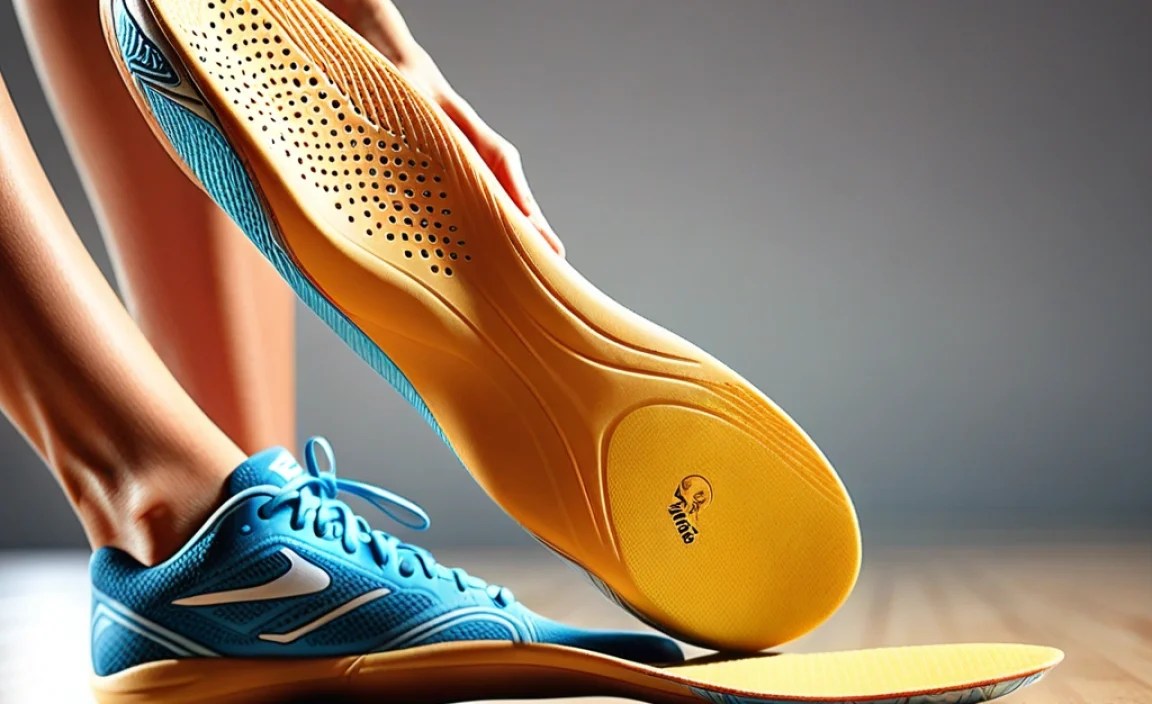
Not all insoles are created equal, and the ones you choose for netball should be suitable for high-impact sports. Here’s a quick rundown of what to look for:
Types of Insoles
Insoles generally fall into a few categories based on their purpose and design:
- Cushioning Insoles: These are all about shock absorption. They are typically made from soft, pliable materials like foam or gel and are great for adding extra padding to your shoes, which is crucial for landing after jumps.
- Supportive Insoles (Arch Supports): These insoles have a firmer structure, often with a contoured heel cup and arch support. They help to maintain the natural shape of your foot, preventing excessive pronation (rolling inward) or supination (rolling outward), which can cause pain and injuries.
- Combination Insoles: Many good insoles blend cushioning with support, offering the best of both worlds. They provide a stable base while also absorbing impact.
- Performance Insoles: These are specifically designed for athletes. They often incorporate advanced materials for lightweight durability, moisture-wicking properties to keep feet dry, and enhanced shock absorption.
Key Features for Netball Insoles
When picking insoles for your netball shoes, consider these features:
- Arch Support Level: You’ll need to determine your arch type.
- Heel Cup: A deep heel cup helps to stabilize your foot and absorb shock.
- Material: Look for durable yet flexible materials. EVA foam is common and offers a good balance of cushioning and support.
- Breathability: Netball is demanding, and your feet will sweat. Insoles with moisture-wicking properties can help prevent blisters and keep your feet more comfortable.
- Thickness: You don’t want insoles that make your shoes too tight. Some insoles are low-profile, while others are thicker and provide more substantial cushioning.
Determining Your Arch Type

Knowing your arch type is fundamental to choosing the right insole. An insole that matches your arch can provide the most effective support and comfort. Here’s a simple way to check:
The Wet Foot Test
1. Pour a shallow amount of water into a tray or shallow basin.
2. Step into the water with a bare foot.
3. Step onto a piece of paper or cardboard that will clearly show your footprint.
4. Examine the imprint your foot leaves.
Normal Arch (Medium Arch): Your footprint will show a distinct curve along the inside of your foot, with a clear band connecting the heel and the ball of your foot. This is the most common arch type, and it usually offers good natural shock absorption.
Flat Arch (Low Arch/Fallen Arch): Your footprint will appear almost complete, with very little to no curve on the inside. This means your foot may roll inward excessively (overpronation), and you’ll likely benefit from insoles that offer significant arch support and stability.
High Arch: Your footprint will show a very narrow or non-existent band connecting the heel and the ball of your foot, with a lot of empty space in the middle. People with high arches may experience more shock than average and could benefit from insoles with extra cushioning to absorb impact and support the heel.
Choosing the Best Insoles for Netball Shoes: A Step-by-Step Guide
Now that you understand the basics, let’s walk through how to select the perfect insoles for your netball shoes.
Step 1: Assess Your Needs
First, consider what problems you’re trying to solve.
- Are your feet tired and achy after games?
- Do you suffer from specific foot pain, like heel pain or arch pain?
- Do your current netball shoes feel lacking in support or cushioning?
- Have you been told you overpronate or supinate?
Your answers will guide you towards the type of insole that will be most beneficial. For example, if heel pain is your main complaint, you’ll want insoles with excellent heel cushioning and a stabilizing heel cup, often recommended for conditions like plantar fasciitis. If you feel unstable during quick movements, firm arch support might be your priority.
Step 2: Identify Your Arch Type
As we covered with the Wet Foot Test, knowing if you have a normal, flat, or high arch is crucial.
- Flat Arches: Look for supportive insoles with moderate to firm arch support to help control overpronation.
- High Arches: Prioritize insoles with generous cushioning, especially in the heel and forefoot, to absorb impact.
- Normal Arches: You have more flexibility, but a good balance of cushioning and support will still enhance comfort.
Step 3: Consider Insole Materials and Design
Netball demands durability and performance.
- Foam (EVA/Polyurethane): These are common, offering good cushioning and shock absorption. Polyurethane is generally more durable than EVA.
- Gel: Gel insoles provide excellent shock absorption and can be very comfortable, but they might not offer as much structural support as firm foam.
- Carbon Fiber/Composite: These are very rigid and lightweight, often used by elite athletes for maximum energy return and stability, but they can be less comfortable for everyday use and may require a break-in period.
For netball, a good combination of EVA foam with a supportive heel cup and some degree of arch contouring is usually ideal.
Step 4: Check for Activity-Specific Features
Some insoles are marketed specifically for sports. These often include features like:
- Deep Heel Cups: To cradle and stabilize the heel.
- Forefoot Padding: For cushioning during push-offs.
- Moisture-Wicking Top Sheets: To keep feet dry and reduce friction, which can prevent blisters.
- Anti-Microbial Treatments: To help control odor.
Step 5: Try Them On (If Possible)
If you can, try insoles on before you buy. Wear them with your netball socks and try them in your netball shoes. Walk around, and if possible, do a few light jumps or movements to see how they feel. Do they add too much pressure anywhere? Do they feel supportive?
Step 6: Read Reviews
Insole reviews from other athletes can be incredibly helpful. Look for reviews that mention netball or similar high-impact sports. Pay attention to comments about durability, comfort during play, and how well they address common foot issues. Websites like The American Podiatric Medical Association (APMA) often have resources or lists of recommended products. It’s also wise to check reviews on reputable sporting goods sites.
Insole Reviews: Top Picks for Netball Comfort
Finding the ‘best’ insole is subjective, as it depends on your unique foot and needs. However, based on common athlete feedback and product features, here are a few types of insoles that often perform well for netball players.
Table 1: Recommended Insole Types for Netball Players
| Insole Type/Brand Example | Best For | Key Features | Consideration |
|---|---|---|---|
| Superfeet Run Comfort/Everyday | Versatile support for normal to high arches, good cushioning. | Deep heel cup, moderate arch support, durable construction. | Can be a bit firmer for some, ensure proper fit with your shoes. |
| Dr. Scholl’s Athletic Series-Performance | General athletic use, good shock absorption. | Provides support and cushioning, often with odor control. | May not offer specialized arch support for severe pronation/supination. |
| Powerstep Pinnacle Maxx | Significant arch support and motion control for overpronators. | High arch support, deep heel cup, semi-rigid construction. | Might feel too rigid for those with high arches or who prefer soft cushioning. |
| CurrexSole RunPro (or similar dynamic supports) | Dynamic support for various arch types, often recommended by podiatrists for athletes. | Designed with biomechanics in mind, varying levels of support and cushioning depending on the model. | Can be pricier, specific models might be best for specific activities. |
It’s always best to research specific models and read user reviews, as brands often update their offerings. A good place to start is by looking at what is recommended by professional organizations, like those linked to the American Podiatric Medical Association (APMA), where they discuss foot health and footwear.
How to Insert and Maintain Your Netball Insoles
Once you’ve chosen your insoles, proper insertion and care will maximize their lifespan and effectiveness.
Inserting Your New Insoles
Most insoles are designed to be a direct replacement for your shoe’s existing sockliner (the thin, removable insole that comes with your shoes).
- Remove the Original Insole: Take out the sockliner that came with your netball shoes. It usually lifts straight out or may be lightly glued in. If glued, gently pry it out with your fingers or a blunt tool. Clean any debris left behind.
- Place New Insole: Position the new insole into the shoe. Ensure it sits flat and the heel of the insole aligns with the heel of the shoe.
- Check the Fit: The insole should fill the shoe’s cavity comfortably. It shouldn’t bunch up, wrinkle, or feel like it’s sticking out too much. If it feels too large, you might need to trim it slightly (follow the manufacturer’s instructions – many insoles have trim lines for different shoe sizes). If it’s too small, it may not provide adequate support.
- Wear them in: In some cases, especially with more rigid insoles, it’s a good idea to wear them for short periods initially to allow your feet to adjust. However, for most cushioning insoles, you can start playing immediately.
Maintaining Your Insoles
Proper care extends the life and effectiveness of your insoles.
- Daily Removal: After playing, it’s a good idea to remove your insoles from your shoes to allow them to air out. Place them on a radiator or in direct sunlight to speed up drying, but avoid excessive heat which can damage some materials.
- Cleaning: If they get dirty, clean them with mild soap and cool water. A soft brush can help remove stubborn dirt. Rinse thoroughly and allow them to air dry completely before reinserting them. Avoid putting them in a washing machine or dryer.
- Inspection: Periodically check your insoles for signs of wear and tear, such as thinning cushioning, cracks, or loss of support. Most insoles typically last between 6 months to a year, depending on usage and the specific product. If they no longer feel supportive or comfortable, it’s time for a replacement.
Addressing Common Netball Foot Problems with Insoles
Insoles can be a game-changer for players experiencing specific foot ailments.
Plantar Fasciitis
This is a condition causing sharp heel pain, often worse in the morning. It’s caused by inflammation of the plantar fascia, a thick band of tissue running across the bottom of your foot.
- How Insoles Help: Insoles with excellent arch support and a deep heel cup can help cradle the heel and reduce strain on the plantar fascia. Good cushioning also absorbs shock from impact. Some insoles are specifically designed with extra heel padding for plantar fasciitis relief.
Achilles Tendinitis
Pain in the back of the heel or lower calf, often due to overuse or tightness in the Achilles tendon.
- How Insoles Help: While insoles don’t directly treat the tendon, well-fitting insoles that promote proper foot alignment during movement can indirectly reduce stress on the Achilles. A slight heel lift in some supportive insoles can also help by taking some tension off the tendon.
Metatarsalgia
Pain and inflammation in the ball of your foot, often felt as a burning sensation.
- How Insoles Help: Insoles with forefoot cushioning and metatarsal pads can help redistribute pressure away from the painful area. Supportive insoles that maintain proper foot mechanics also prevent abnormal stress on the metatarsal heads.
General Foot Fatigue and Soreness
This is common for any athlete, but especially in a sport like netball.
- How Insoles Help: Enhanced cushioning and support help to absorb repetitive impact and reduce the strain on your foot muscles and joints. This leads to less fatigue and greater comfort during and after games.
When to Seek Professional Advice
While insoles are a fantastic support tool, they aren’t a magic bullet for every foot problem. If you experience persistent or severe pain, significant changes in foot structure, or if your symptoms don’t improve with insoles, it’s essential to consult a healthcare professional. A podiatrist or a sports medicine doctor can:
- Diagnose the exact cause of your pain through a physical examination and gait analysis.
- Recommend custom orthotics if over-the-counter insoles are insufficient.
- Provide advice on exercises, stretching, and other treatment options.
You can find resources and information from organizations like the NHS (National Health Service) for general foot health advice and to understand when to seek medical attention for foot pain.
Frequently Asked Questions (FAQs) about Insoles for Netball Shoes
Here are some common questions beginner netball players have about using insoles:
Q1: Do I need insoles if my netball shoes are new and expensive?
Even expensive netball shoes often have basic insoles that prioritize fit and performance over long-term comfort and injury prevention. Adding aftermarket insoles can significantly boost cushioning and support tailored to your foot, reducing fatigue and impact-related issues.
Q2: Can I use the same insoles for netball as I do for running?
While there can be overlap, insoles designed specifically for netball are often better. Netball involves more lateral (sideways) movements and stability demands than typical running. Look for insoles that provide good lateral support and shock absorption suitable for jumping and quick stops.
Q3: How long do insoles for netball shoes typically last?
This depends on the material, your activity level, and how often you use them. Generally, for active use like netball, you might need to replace them every 6 to 12 months. Signs of wear like flattened cushioning or loss of support indicate it’s time for a new pair.
Q4: Can insoles make my netball shoes too tight?
Yes, they can if they are too thick or your shoes already have a snug fit. Always measure the thickness of your new insole against the original one. If they are significantly thicker, consider a thinner profile insole or ensure your shoes have enough volume to accommodate them comfortably.
Q5: Will insoles help with foot odor in my netball shoes?
Some insoles are designed with anti-microbial treatments and moisture-wicking properties that can help manage odor and keep your feet drier, indirectly reducing odor. However, regular cleaning of both your shoes and insoles is the most.
