If your shoes feel tight and pinchy in the toe area, finding the right insoles can be tricky. Look for slim, flexible insoles with a tapered or low-profile toe design. Materials like thin foam or gel are best to avoid adding bulk, ensuring a snug yet comfortable fit for narrow toe boxes. Always check the insole’s shape and thickness before buying.
Hey there, foot-friendly friends! Millard Mar here, and I get it. That feeling of your toes being squeezed in shoes can turn a great day into a painful one. It’s a common frustration: you find a shoe you love, but the toe box feels just a bit too narrow. Adding an insole, which can be a godsend for comfort and support, often feels impossible because you fear it’ll just make the tightness worse. But what if I told you there are insoles specifically designed to hug those narrower spaces without adding uncomfortable bulk? It’s true! We’re diving deep into the world of insoles for narrow toe boxes, uncovering how to find that “genius fit” that brings relief and lets your feet breathe easy. Get ready to say goodbye to toe pinching and hello to happy feet!
Why Narrow Toe Boxes Are a Common Problem
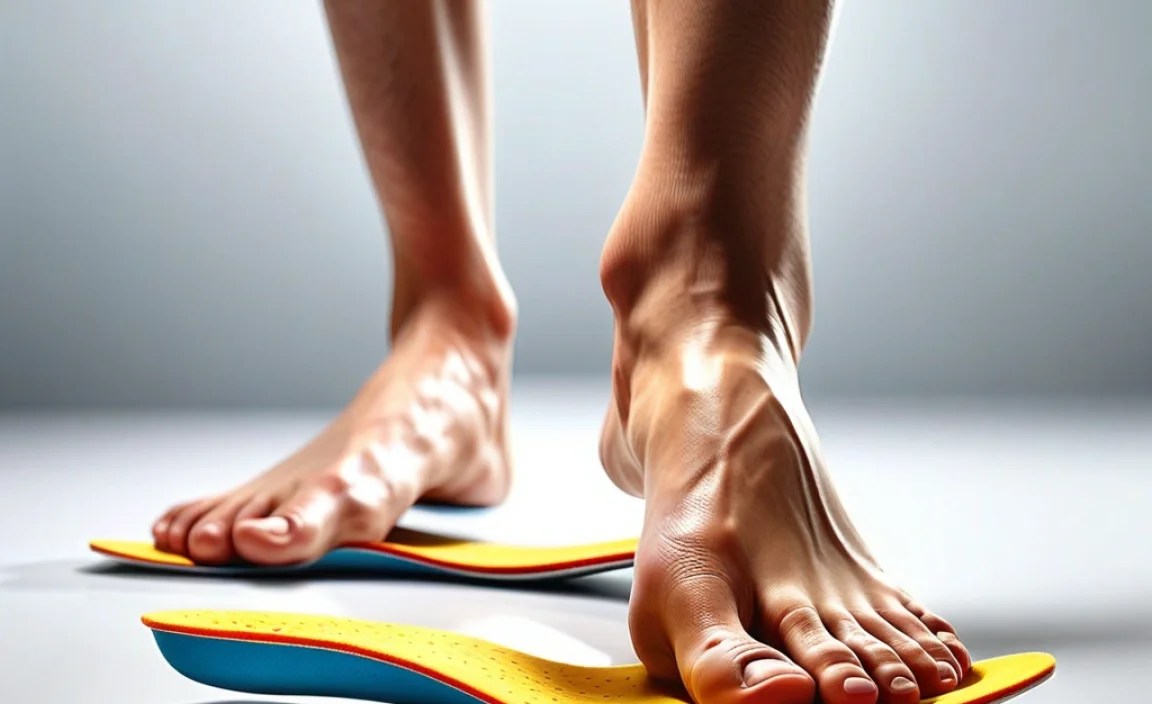
It seems counterintuitive, right? Our feet gradually widen towards the toes, but many shoes, especially stylish or athletic ones, taper dramatically at the front. Here’s why this narrow toe box issue pops up so often:
- Fashion Trends: Many fashionable shoes are designed with a sleek, pointed, or almond-shaped toe. This often means the front of the shoe is narrower than what’s ideal for the natural splay of the toes.
- Shoe Construction: The way a shoe is manufactured can dictate its shape. Some brands prioritize a particular aesthetic over ergonomic design, leading to narrower toe boxes.
- Foot Type Variations: While many people have naturally wider forefeet, others might have narrower feet overall. However, even those with average-width feet can experience discomfort if the shoe’s design doesn’t accommodate their toe splay.
- Swelling and Deformities: Feet can swell throughout the day, especially in warmer weather or after prolonged activity. Conditions like bunions or hammertoes can also make the forefoot appear wider, exacerbating the problem in narrow shoes.
- Incorrect Sizing: Sometimes, a shoe might be the right length but the wrong width, especially in the toe area, leading to a feeling of constriction.
The result? Cramped toes, potential for blisters, nerve pain, and long-term issues like bunions. The good news is that with the right approach, insoles can actually help manage this by providing support without adding unwanted pressure.
Understanding Insole Basics for a Narrow Fit

When we talk about insoles, think of them as custom-fit upgrades for your shoes. They can add cushioning, arch support, and stability. However, for a narrow toe box, certain insole features are crucial:
- Profile: This is the height or thickness of the insole. For narrow toe boxes, you want a low-profile or slim insole. Thick, plush insoles might feel great in wide shoes, but they’ll leave zero wiggle room in a narrow one.
- Toe Shape: Insoles come in different shapes. Some have a rounded toe, while others are more tapered. For narrow toe boxes, a tapered or slightly pointed toe shape on the insole will better match the shoe’s design and prevent bunching.
- Material: The material significantly impacts thickness and flexibility. Thin, responsive materials like EVA foam, gel, or flexible plastics are ideal. Avoid very rigid or thick cushioned materials.
- Flexibility: An insole that’s too stiff can feel restrictive in a narrow shoe. You want an insole with some give that can mold slightly to the shoe’s contours without fighting against it.
- Arch Support: Even with narrow toe boxes, good arch support is vital for overall foot alignment and comfort. Look for insoles that offer a moderate, non-intrusive arch.
It’s a bit of a balancing act: you need support and cushioning, but without adding bulk that makes your shoes feel even tighter. The key is selecting an insole designed with these narrow-fit principles in mind.
Key Features to Look for in Insoles for Narrow Toe Boxes

So, how do you spot the perfect insole when you’re shopping? Keep an eye out for these specific features:
1. Slim and Low-Profile Design
This is arguably the most critical factor. A good insole for a narrow toe box will be noticeably thinner than standard insoles, especially in the forefoot region. They are designed to take up minimal vertical space, allowing your toes to rest without being pressed against the top of the shoe. Think of them as a supportive liner rather than a thick insert.
2. Tapered or Contoured Toe Shape
While many insoles have a rounded toe, some are specifically designed to be more tapered or to contour to the shape of narrower shoes. This prevents the material from bunching up or creating pressure points at the sides of your toes. Some even have a slightly pointed or sleeker front section to better integrate with the shoe’s design.
3. Flexible Materials
Rigid materials can be problematic in tight spaces. Look for insoles made from flexible materials such as:
- EVA (Ethylene-vinyl acetate): A common, lightweight, and shock-absorbent foam.
- Gel: Offers good cushioning and can be made very thin.
- Thin Polyurethane (PU): A durable and resilient option that can be molded into slim profiles.
- Composite Fabrics: Some advanced materials offer support and flexibility in a very thin package.
These materials allow the insole to move with your foot and the shoe, avoiding unnecessary friction or pressure.
4. Minimal Heel Cup or Low Heel Height
While a supportive heel cup is great for many insoles, excessive depth can sometimes push the foot forward slightly, making the toe box feel even tighter. For narrow toe boxes, a shallower heel cup or an insole with a less pronounced heel counter can be more comfortable, ensuring your toes have maximum room.
5. Breathability
Even if an insole is slim, if it’s not breathable, it can trap moisture and heat, leading to further discomfort and potential foot issues in a tightly-fitting shoe. Mesh top layers or perforated materials are a big plus.
6. Customizable or Trim-to-Fit Options
Some insoles are designed to be trimmed. This can be a lifesaver for narrow shoes, allowing you to customize the length and even the width of the forefoot section to perfectly match your shoe.
When you’re browsing, don’t be afraid to look at product descriptions carefully. Terms like “slim fit,” “low volume,” “performance,” or “running insoles” (as these often prioritize space and flexibility) can be good indicators.
Types of Insoles Best Suited for Narrow Toe Boxes

Not all insoles are created equal, especially when you’re dealing with a shoe that hugs your toes. Here’s a breakdown of the types that tend to work best:
1. Slim Orthotic Insoles
These are designed to provide moderate arch support and heel stability without being overly bulky. They often have a lower volume construction, making them a great choice for dress shoes, casual shoes, or athletic shoes with a narrower fit. Key is to look for “slim,” “low-volume,” or “dress shoe” orthotics.
2. Performance or Running Insoles
Many performance-oriented insoles are engineered to be lightweight and provide support without taking up much space. They are often made from responsive foams like EVA or PU and have a streamlined design. While providing cushioning and shock absorption for impact, their slim profile makes them excellent candidates for narrow toe boxes.
3. Gel Insoles
Gel insoles can be incredibly thin, offering shock absorption and cushioning right where you need it. Their semi-fluid nature allows them to conform to the shoe’s shape, and they usually have a low profile, making them a good fit for tighter shoes. They may not offer significant arch support, but they excel at comfort and preventing impact stress.
4. Custom (or Semi-Custom) Insoles
While true custom orthotics from a podiatrist are often thicker, there are semi-custom options available. These often involve heat-molding or significant trimming to fit your specific foot and shoe. If you have persistent issues, consulting a professional about custom solutions that can be made with a lower volume might be an option, though these can be pricier.
5. Minimalist Insoles
These are very thin insoles, often just a layer of cushioning or support. They add minimal thickness and are designed to work with shoes that offer a more natural foot feel. They are excellent for preventing rubbing and adding a touch of comfort without compromising space.
When to Consider Insoles for Your Narrow Toe Box Shoes
It’s not just about the shoe feeling tight; there are specific signs that indicate insoles could offer a solution:
- Toe Crowding and Pain: If you experience numbness, tingling, or sharp pain in your toes after wearing certain shoes for a while, it’s a clear sign of overcrowding.
- Blisters or Corns: Friction from toes being pressed against the shoe material or each other can lead to blisters, calluses, and corns, especially at the tips or sides of the toes.
- Bunions or Hammertoes: If you have these conditions, narrow toe boxes can significantly worsen pain and progression. Supportive insoles can help improve foot alignment.
- Arch Discomfort: Even in a shoe with a narrow toe, inadequate arch support can lead to aching feet and legs. A slim insole can provide that much-needed support.
- Plantar Fasciitis or Heel Pain: While the issue is at the toe box, poor overall foot mechanics can contribute to heel pain. Insoles can help correct gait and reduce strain.
- Standing or Walking for Long Periods: If your job or lifestyle requires extended time on your feet, any discomfort in a narrow shoe will be amplified.
The goal is to use insoles not to force a narrow shoe to fit a wide foot, but to enhance the comfort and support within the existing structure of a shoe that might be slightly less accommodating in the toe box, without making the problem of tightness worse.
How to Choose the Right Insole: A Step-by-Step Guide
Finding the perfect insole for your narrow-toe-box shoes doesn’t have to be a trial-and-error nightmare. Follow these steps:
- Assess Your Needs:
- Foot Pain Location: Is it the arch, heel, or specifically your toes?
- Support Level: Do you need basic cushioning, arch support, or something more specialized?
- Shoe Type: Are you fitting these into dress shoes, athletic shoes, or casual wear? This affects the required insole profile.
- Examine Your Shoes:
- Measure Existing Insole (if removable): If your current insole comes out, measure its thickness at the toe, arch, and heel. This gives you a baseline for how much space you have.
- Consider the Toe Box Shape of the Shoe: Is it pointed, almond, or slightly squared? This helps in selecting an insole with a similar taper.
- Prioritize “Narrow Fit” Features:
- Look for ‘Slim’ or ‘Low-Volume’: These are keywords you want to see in product descriptions.
- Check Material and Thickness: Opt for EVA, gel, or thin PU. Avoid thick foam or rigid plastic that can’t bend.
- Examine Toe Shape: A tapered toe on the insole is often better for narrow shoes.
- Read Reviews (with a Grain of Salt):
- Search for reviews that specifically mention use in narrow shoes or the insole’s slim profile.
- Be wary of reviews solely focused on extreme cushioning, as this often means bulk.
- Consider Trimmable Insoles:
- Many insoles come with guides to trim them to size. This is invaluable for achieving a precise fit in a snug shoe. Always trim conservatively; you can always cut more off, but you can’t add it back!
- Try Before You Buy (if possible):
- If you can, feel the insole. Is it flexible? Does it feel overly thick? Some specialty shoe stores or online retailers have good return policies if the fit isn’t right.
- The Test Drive:
- Once you have your insoles, insert them into your shoes. Wear them around the house for a few hours. Walk, stand, and move.
- Pay attention to toe comfort: Is there any new pressure? Can you wiggle your toes at all?
- Check for heel slip or arch discomfort.
- If it feels good, gradually increase wear time.
Remember, the goal isn’t to make a shoe fit that’s fundamentally too small but to optimize comfort and support within a shoe that might have a less accommodating toe box. If a shoe feels painfully tight even with the slimmest insole, it might simply be the wrong shoe size or shape for your foot.
Insoles for Narrow Toe Box: A Comparison of Features
To help you visualize what makes an insole suitable for a narrow toe box, here’s a comparison. We’ll look at features that are important for narrow-fit insoles versus features that are generally less ideal.
| Feature | Ideal for Narrow Toe Boxes | Less Ideal for Narrow Toe Boxes |
|---|---|---|
| Profile/Thickness | Low-volume, slim throughout, minimal thickness in the forefoot. | Thick, plush, overly cushioned, high volume. |
| Toe Shape | Tapered, contoured, or slightly pointed; designed to follow shoe lines. | Very rounded, bulky toe area; can bunch up. |
| Material Flexibility | Highly flexible EVA, gel, flexible TPU; allows natural foot movement. | Rigid plastic, stiff carbon fiber, very dense foam that doesn’t bend easily. |
| Arch Support Design | Moderate, contoured support that doesn’t intrude into toe space. | Aggressive, high arch bumps or rigid supports that press upwards. |
| Heel Cup | Shallow or less pronounced; avoids pushing foot forward unnecessarily. | Deep, rigid heel cup that can alter foot position within the shoe. |
| Top Cover Material | Breathable, thin fabric or mesh that wicks moisture. | Thick, non-breathable materials; can add bulk and heat. |
| Overall Construction | Streamlined, designed for minimal added volume. | Bulky, designed for maximum cushioning or support in shoes with ample space. |
When you’re shopping, keep this table in mind. Focus on how the insole is constructed to occupy space, rather than just how soft it feels. A truly supportive insole for a narrow toe box will feel like it complements the shoe’s fit, not fights against it.
Tips for Using Insoles in Narrow Shoes Effectively
Once you’ve found the right slim insoles, there are a few tricks to make sure they work best in your snugger shoes:
- Remove Existing Inserts: If your shoe has a removable insole or sock liner, take it out before adding your new one. This ensures you’re not doubling up on thickness.
- Trim Carefully: If your insoles are trimmable, use the original insole as a guide. Focus on getting the heel and sides snug, but be extra careful with the toe area. You want a smooth transition, not bunched material. You can always trim a little more if needed, but you can’t add it back!
- Position Correctly: Ensure the insole sits flat and flush with the shoe’s interior. The heel of the insole should fit snugly into the heel of the shoe.
- Wear Them In: Just like new shoes, new insoles can sometimes feel a bit stiff at first. Wear them for short periods initially and gradually increase the duration to allow them to mold to your foot and the shoe.
- Listen to Your Feet: If you experience new or increased discomfort after inserting insoles, something isn’t right. It could be the insole’s shape, thickness, or simply that the shoe is fundamentally too narrow for your foot, even with support.
