Quick Summary: Insoles specifically designed for MS foot drop act as a crucial support system, helping to lift the foot and improve gait. They are essential for enhancing mobility and reducing the risk of tripping, making daily life more manageable for those with Multiple Sclerosis.
Insoles for MS Foot Drop Support: Proven Essential

Experiencing foot drop can make walking feel like a chore, and sometimes even a hazard. It’s like your foot just doesn’t want to lift properly when you take a step. This lack of control can lead to shuffling, stumbling, and a general feeling of insecurity with every move. If you’re dealing with this, know that you’re not alone, and there are effective ways to regain confidence and ease in your stride. We’re going to explore how specialized insoles can be a game-changer for managing MS foot drop. Get ready to learn how to make your feet happier and your steps more secure!
Understanding Foot Drop in Multiple Sclerosis
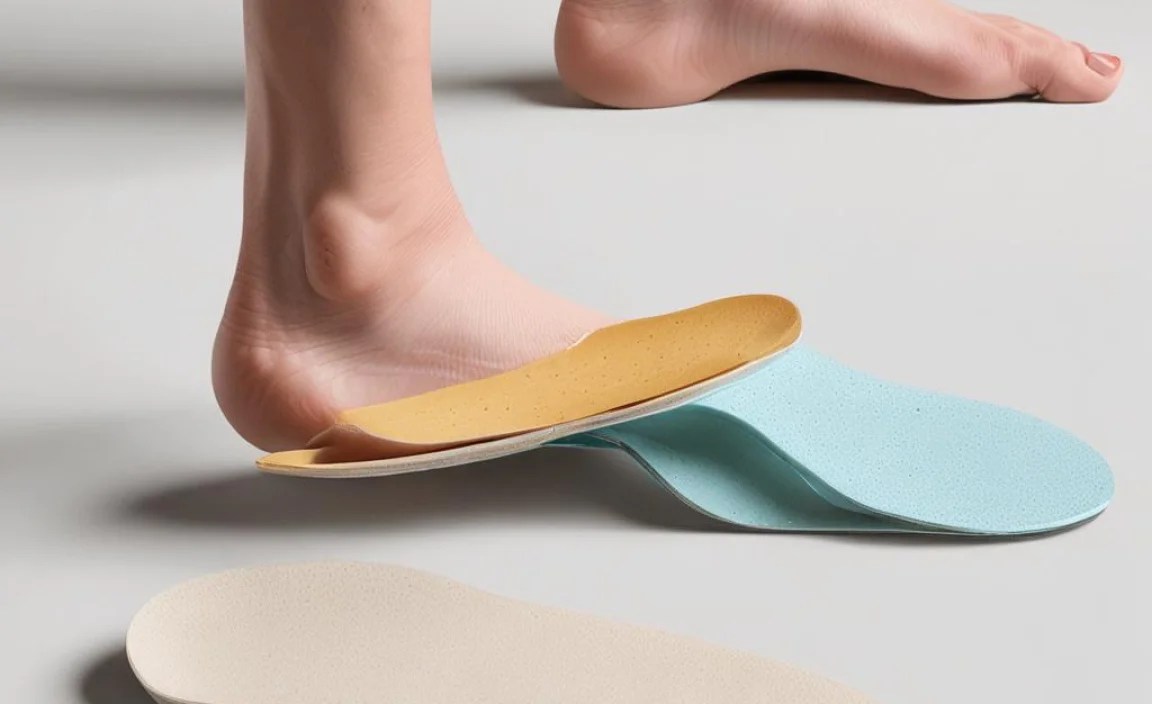
Multiple Sclerosis (MS) is a complex condition that affects the central nervous system. For many individuals with MS, one of the common challenges they encounter is foot drop. This isn’t just a minor inconvenience; it’s a significant issue that impacts mobility and daily function. Let’s break down what’s happening and why it matters.
What Exactly is Foot Drop?
Foot drop, also known medically as “dorsiflexor weakness,” is the inability to lift the front part of your foot. When you try to walk, your foot may drag along the ground. This happens because the muscles in your leg that are responsible for lifting your foot (the tibialis anterior muscle) are weakened or not functioning correctly. This weakness can be caused by nerve damage, which is often a symptom of conditions like MS.
How MS Causes Foot Drop
In Multiple Sclerosis, the immune system mistakenly attacks the myelin sheath, which is the protective covering around nerve fibers in the brain and spinal cord. This damage disrupts the signals that travel between the brain and the muscles. When the nerve signals to the muscles that lift your foot are interrupted or blocked, those muscles become weak, leading to foot drop. The specific areas of the nervous system affected by MS can vary, which is why symptoms like foot drop can appear in some individuals and not others, or affect one foot more than the other.
Impact on Daily Life
The implications of foot drop extend far beyond just a dropped foot. The shuffling gait that often results increases the risk of tripping and falling, which can lead to serious injuries. For people with MS, falls can have a more significant impact due to the underlying condition. Beyond safety concerns, foot drop can make everyday activities incredibly tiring and challenging. Tasks like climbing stairs, walking on uneven ground, or even just navigating your home can become sources of anxiety and physical strain. This can lead to reduced participation in social activities, exercise, and work, affecting overall quality of life.
Why Traditional Insoles Aren’t Enough for Foot Drop

When we think of insoles, we often picture them as simple cushions that add comfort to our shoes. While many off-the-shelf insoles are great for providing general arch support or cushioning a heel, they typically lack the specific features needed to address the complexities of foot drop, especially when caused by a condition like Multiple Sclerosis.
Limitations of Standard Insoles
- Lack of Targeted Support: Generic insoles are designed for common foot issues like flat feet or plantar fasciitis. They don’t provide the dynamic lift or stabilization required to counteract the weakness seen in foot drop.
- No Active Assistance: Regular insoles primarily offer passive support – they support what’s already there. Foot drop requires an active assist to help lift the foot, which standard insoles simply cannot provide. They don’t have the mechanical properties to help pull the foot up.
- Potential for Discomfort: Trying to force a foot into a position it can’t naturally achieve with the wrong type of support can actually cause new problems. Ill-fitting or unsuitable insoles can lead to pressure points, blisters, and increased fatigue.
- Bulk and Fit Issues: Many specialized foot drop solutions can be quite bulky. Standard insoles might not have enough space or the right structure to accommodate the additional components often needed to assist with foot drop within a shoe.
Because foot drop involves a specific muscular weakness and potential nerve signal disruption, it requires a more specialized approach than what typical shoe inserts can offer. This is where custom or specifically designed insoles for foot drop support come into play, offering a targeted solution where general comfort measures fall short.
Introducing Specialty Insoles for MS Foot Drop Support

For individuals managing MS foot drop, the right kind of insole can be a powerful tool. These aren’t your average foot inserts; they are engineered with specific goals in mind: to support the weakened muscles and improve your walking pattern. Let’s dive into what makes them so effective.
How Specialty Insoles Help
These insoles work by providing a level of mechanical assistance that helps compensate for the muscle weakness. They are designed to encourage the toe to lift during the swing phase of your gait, preventing it from dragging. Here’s a breakdown of their mechanisms:
- Assisted Dorsiflexion: The primary goal is to help lift the front of the foot. Many insoles incorporate designs that gently encourage your toes to rise as you lift your leg to take a step.
- Stabilization: They can help stabilize the foot and ankle, providing a more secure base of support, which is crucial for reducing the risk of trips and falls.
- Improved Gait Pattern: By facilitating a better foot lift, these insoles help promote a more natural and efficient walking pattern, reducing the compensatory movements that can lead to fatigue and other musculoskeletal issues.
- Comfort and Reduced Friction: Beyond support, they are often designed to minimize pressure points and friction on the sole of the foot, especially in areas that might be more sensitive due to nerve involvement.
Types of Foot Drop Insoles
When seeking insoles for MS foot drop, you’ll encounter a few primary categories, varying in their complexity and the level of support they offer. Understanding these can help you choose the best fit for your needs:
1. Functional Foot Orthotics (Custom-Molded Insoles)
These are perhaps the most sophisticated and personalized option. They are custom-made specifically for your feet, often based on casts or 3D scans. They are designed to correct biomechanical issues and provide very precise support.
- Pros: Highly customized, excellent fit, addresses unique foot and ankle mechanics, can be designed for specific gait abnormalities.
- Cons: Most expensive option, requires professional fitting and consultation, might take time to fabricate.
2. Prefabricated Functional Insoles
These are over-the-counter insoles that are engineered with specific features to assist with foot drop, but they are not custom-made. They come in various designs and might offer adjustable features.
- Pros: More affordable than custom orthotics, readily available, can offer significant improvement for many users.
- Cons: Less personalized than custom options, might require some modification or fitting adjustments, may not address highly complex foot mechanics.
3. Hybrid Systems (Often Incorporating Ankle-Foot Orthoses – AFOs)
While not strictly insoles in the traditional sense, it’s important to mention that sometimes insoles are used in conjunction with or as part of a larger supportive brace system like an Ankle-Foot Orthosis (AFO). These braces are worn around the ankle and lower leg. Some AFOs incorporate an insole component, or a specialized insole might be used within a less restrictive AFO.
- Pros: Offers the most robust support for significant foot drop, can be very effective in preventing falls.
- Cons: Can be more visible and less comfortable for some, requires a prescription and professional fitting, might limit some natural foot movement.
When considering insoles for MS foot drop, it’s best to consult with a healthcare professional, such as a neurologist, physical therapist, or a certified orthotist, to determine the most appropriate type for your specific condition and needs.
Choosing the Right Insoles for Your MS Foot Drop

Selecting the best insoles for managing MS foot drop is a decision that can greatly impact your comfort, stability, and overall mobility. It’s not a one-size-fits-all situation, and a thoughtful approach will yield the best results. Here’s a guide to help you navigate the process.
Factors to Consider
- Severity of Foot Drop: How much assistance do you need? Mild cases might benefit from prefabricated functional insoles, while more severe drop might necessitate custom orthotics or even an AFO.
- Foot and Ankle Anatomy: Do you have any other foot conditions like high arches, flat feet, or bunions? The insole needs to accommodate these while addressing the foot drop.
- Type of Footwear: Insoles need to fit comfortably inside your daily shoes. Consider the toe box depth, width, and overall space available in your preferred footwear. Some insoles are designed for specific shoe types (e.g., athletic shoes, dress shoes).
- Activity Level: Are you mostly at home, or do you walk extensively, engage in sports, or have a physically demanding job? Your activity level will influence the durability and type of support you need.
- Comfort and Fit: This is paramount. Even the most technically advanced insole is useless if it causes pain or discomfort. It should feel supportive without being intrusive.
- Budget: Insoles range widely in price. Determine what you can comfortably afford, keeping in mind that a higher upfront cost for custom options might save money and discomfort in the long run.
Where to Get Professional Advice
Navigating the world of orthotics can be confusing. Seeking professional guidance is highly recommended. Here’s who can help and what they do:
- Neurologist: Your primary neurologist can diagnose foot drop as a symptom of MS and may refer you to other specialists.
- Physical Therapist (PT): A PT can assess your gait, muscle strength, and functional limitations. They can recommend specific types of orthotics or braces and provide exercises to strengthen surrounding muscles. They often work closely with orthotists. You can learn more about physical therapy’s role in MS management on the National Multiple Sclerosis Society website.
- Orthotist: This is a healthcare professional who specializes in designing, fabricating, and fitting orthoses (braces and supports). An orthotist can conduct a thorough assessment of your feet and legs to create custom-molded insoles or recommend the best prefabricated options and ensure proper fit.
- Podiatrist: A podiatrist is a doctor of podiatric medicine who specializes in foot and ankle conditions. They can diagnose the cause of foot drop and prescribe or provide appropriate orthotic solutions.
The Importance of a Proper Fit
A proper fit is non-negotiable. An insole that is too short, too long, too narrow, or too wide can lead to pressure sores, blisters, and exacerbate existing foot pain. For custom orthotics, the fit achieved through professional casting or scanning is unparalleled. For prefabricated options, look for those that can be trimmed, or consult with a professional who can assist with fitting, ensuring the insole follows the contour of your shoe and your foot.
How to Use and Care for Your Foot Drop Insoles
Once you have the right insoles, using and caring for them properly will ensure they provide maximum benefit and last as long as possible. It’s a simple process, but crucial for maintaining their effectiveness.
Getting Started: The Break-In Period
Don’t expect to wear your new insoles for 12 hours straight on the first day. Your feet, and your body, need time to adjust to the new support. Here’s how to ease into it:
- Start Slowly: Wear them for just an hour or two the first day.
- Gradually Increase Wear Time: Add an hour or two each subsequent day, or wear them for a specific activity (like a short walk).
- Listen to Your Body: If you experience any unusual soreness or discomfort, reduce the wear time. It’s normal to feel a slight difference, but you shouldn’t be in pain.
- Monitor Your Foot: Check your feet daily for any red spots or irritation, especially at pressure points.
Most people find they can comfortably wear their specialized insoles for most of the day within a week or two.
Daily Use Tips
- Ensure Proper Placement: Make sure the insole sits flat and securely in your shoe, without bunching up or shifting. If it moves around, it might need to be trimmed or secured.
- Wear with Appropriate Socks: Thinner socks are usually better with specialized insoles to avoid making your shoes too tight. Smooth, moisture-wicking socks can also help prevent blisters.
- Be Mindful of Shoe Fit: If your insoles add a bit of bulk, your shoes might feel snugger. This is normal and part of the intended fit.
Cleaning and Maintenance
Keeping your insoles clean not only prevents odor but also helps maintain the material’s integrity.
- Wipe Down Regularly: Use a damp cloth with mild soap or a gentle cleaner to wipe the surface of the insoles. Avoid harsh chemicals or soaking them in water.
- Air Dry Completely: After cleaning or if they get wet, let your insoles air dry thoroughly away from direct heat or sunlight. Heat can damage certain materials.
- Inspect for Wear: Periodically check your insoles for signs of wear and tear, such as thinning, cracking, or loss of cushioning.
When to Replace Your Insoles
Insoles, like any supportive gear, don’t last forever. The lifespan depends on the material, how often they are worn, and the level of activity. Generally, you might need to replace them every 6 to 12 months, or sooner if you notice:
- Significant flattening or loss of cushioning.
- Cracks or tears in the material.
- A return of foot pain or discomfort that the insoles used to alleviate.
- A visible change in their shape or support capabilities.
Regular checks and knowing when it’s time for a new pair are key to ensuring you continue to receive the benefits of your MS foot drop support.
Proven Benefits of Insoles for MS Foot Drop
The impact of using the right insoles for MS foot drop can be profound, touching on various aspects of an individual’s daily life and overall well-being. These benefits are not just theoretical; they are often experienced directly by users and are supported by therapeutic principles.
Enhanced Mobility and Gait
This is the most direct and noticeable benefit. By providing the necessary lift to the forefoot, insoles help:
- Reduce foot drag: This significantly lowers the risk of tripping and stumbling.
- Promote a more natural stride: Your steps become more even, with a better heel-to-toe roll.
- Increase walking speed: Many users report being able to walk faster and with more confidence.
- Improve balance: A more stable foot placement contributes to better overall balance, reducing the fear of falling.
Increased Comfort and Reduced Fatigue
Foot drop often forces the body to compensate. This can lead to strain in other muscles and joints. Properly supportive insoles can:
- Alleviate compensatory pain: By supporting the foot correctly, the strain on ankles, knees, hips, and even the back can be reduced.
- Minimize fatigue: A more efficient gait means your muscles work less hard to achieve the same distance or duration of walking.
- Provide cushioning: Beyond support, many insoles offer shock absorption, making walking on hard surfaces more comfortable.
Improved Safety and Fall Prevention
Falls are a major concern for individuals with MS and foot drop. The proactive support offered by specialized insoles directly addresses this:
- Early warning for obstacles: Better foot clearance allows you to react more quickly to uneven surfaces or unexpected objects.
- Greater stability: A stabilized foot within the shoe provides a more secure base as you walk.
- Psychological benefit: The increased confidence and reduced fear of falling can lead to greater participation in activities and an improved sense of independence. The Centers for Disease Control and Prevention (CDC) highlights fall prevention as a critical aspect of maintaining health and independence at any age.
Potential for Improved Posture
The feet are the foundation of the body. When the feet are not functioning optimally, it can create a cascade effect up the kinetic chain.
- Alignment: Correcting foot positioning can subtly improve the alignment of the ankle, knee, hip, and spine.
- Reduced strain on posture muscles: With a more even gait and stable base, the muscles that maintain your upright posture may experience less strain.
