Quick Summary: Yes, insoles specifically designed for standing offer crucial comfort and support for MRI techs. They help alleviate foot, ankle, and leg fatigue by providing cushioning and proper arch support, making long shifts much more bearable and promoting better long-term foot health.
Insoles for MRI Techs Standing: Essential Comfort for Long Shifts

Hospitals are busy places, and being an MRI tech means you’re on your feet for extended periods. Standing for hours during scans, moving around equipment, and staying alert can take a toll on your feet and body. If you’ve been experiencing aches and pains after a long shift, you’re not alone. The good news is that a simple solution can make a world of difference: high-quality insoles. This guide will walk you through why these supportive inserts are a game-changer for standing professions like yours, and how to find the perfect pair to keep you comfortable and pain-free.
We’ll explore the specific challenges MRI techs face, the science behind foot support, and practical tips for choosing and using insoles. Get ready to transform your workdays from physically draining to remarkably comfortable!
Why Standing All Day is Tough on an MRI Tech’s Feet

Your feet are miracle workers, supporting your entire body with every step. But when you’re an MRI tech, that support is tested constantly. Imagine standing for 8, 10, or even 12 hours straight. Your feet absorb a tremendous amount of impact, and over time, this can lead to a variety of issues:
- Fatigue and Aches: Constant pressure on the muscles, ligaments, and tendons in your feet can lead to deep fatigue and persistent soreness.
- Plantar Fasciitis: This common condition causes heel pain, especially in the morning, due to inflammation of the band of tissue on the bottom of your foot.
- Arch Strain: Whether you have high arches or flat feet, prolonged standing can overwork the muscles and ligaments supporting your arch, leading to pain and discomfort.
- Knee and Back Pain: Foot discomfort doesn’t just stay in your feet. When your feet aren’t properly supported, it can affect your gait and posture, leading to pain that radiates up to your knees, hips, and lower back.
- Swelling: Extended standing can cause fluid to pool in your lower legs and feet, leading to swelling and a feeling of heaviness.
The demanding nature of your role, often requiring you to be precise and attentive to detail for prolonged periods, makes comfort and support non-negotiable. Investing in the right insoles is like giving your feet a much-needed upgrade.
The Science of Support: How Insoles Help

Insoles, also known as orthotics or inserts, are designed to enhance the comfort and functionality of your shoes. They aren’t just extra padding; they work by addressing the biomechanics of your feet and how you stand and move. Here’s how they come to your rescue:
1. Cushioning and Shock Absorption
The primary job of many insoles is to provide a soft, responsive layer between your feet and the hard surfaces you stand on. This cushioning absorbs the impact of each step, reducing the stress on your feet, ankles, and joints. For MRI techs, who often stand on hard linoleum or concrete floors, this is a critical feature to prevent micro-trauma and fatigue.
2. Arch Support
Your foot’s arch acts as a natural shock absorber and helps distribute your body weight evenly. When your arch collapses or is unsupported, it throws your entire body alignment out of whack. Insoles with proper arch support help realign your feet, distribute pressure more evenly, and prevent the strain that leads to foot pain. Whether you need support for a high arch, a flat arch, or a neutral arch, there’s an insole designed for you.
A study published in the Journal of the American Podiatric Medical Association highlighted the significant role of proper foot support in managing conditions like plantar fasciitis, underscoring the importance of arch-aligned insoles.
3. Heel Stability
Many insoles feature a deep heel cup, which cradles the heel and helps to stabilize it. This prevents excessive side-to-side rolling (pronation or supination) and keeps your foot in a more neutral position. This stability is key to preventing ankle twists and reducing stress on your ligaments and tendons.
4. Pressure Distribution
By creating a more stable and cushioned platform, insoles help redistribute pressure across the entire sole of your foot. This means fewer “hot spots” or areas of intense pressure that can lead to pain and discomfort. Even weight distribution is essential for comfort during long standing periods.
Choosing the Right Insoles for MRI Tech Jobs

Not all insoles are created equal. For the demanding job of an MRI tech, you need specific features. Here’s what to look for:
Types of Insoles
- Supportive/Orthotic Insoles: These are designed for maximum support and alignment. They often have rigid or semi-rigid structures that control foot motion and correct biomechanical issues. If you experience significant pain or have conditions like plantar fasciitis or overpronation, these are usually the best bet.
- Cushioning Insoles: These prioritize shock absorption and comfort. They are typically softer and more flexible, providing a plush feeling underfoot. While great for general comfort, they might not offer enough corrective support for more severe foot issues.
- Combination Insoles: Many insoles blend cushioning and support, offering a good balance for everyday wear and long standing periods.
Key Features to Consider
- Material: Look for durable, shock-absorbent materials. EVA (ethylene-vinyl acetate) foam is common for cushioning, while materials like graphite or TPU (thermoplastic polyurethane) offer more rigid support. Some may also have breathable fabric tops to manage moisture.
- Arch Type: This is critical! Insoles come with varying levels of arch support:
- Neutral Arch: For those with a balanced arch.
- Flat Arch (Low Arch): Requires more significant support to prevent overpronation.
- High Arch: Needs cushioning and support that doesn’t push too hard into the arch.
If you’re unsure of your arch type, you can perform a “wet test” by stepping out of the shower onto a paper bag or cardboard. The imprint will show your arch shape.
- Heel Cup Depth: A deeper heel cup provides better stability and cushioning for your heel, which is vital for absorbing shock.
- Thickness/Profile: Consider the space in your work shoes. A very thick, cushioned insole might make your shoes too tight, while a thin, minimalist insole might not provide enough support.
- Durability: As an MRI tech, you’ll be putting these insoles to the test daily. Opt for reputable brands known for quality and longevity.
Top Insole Materials Explained
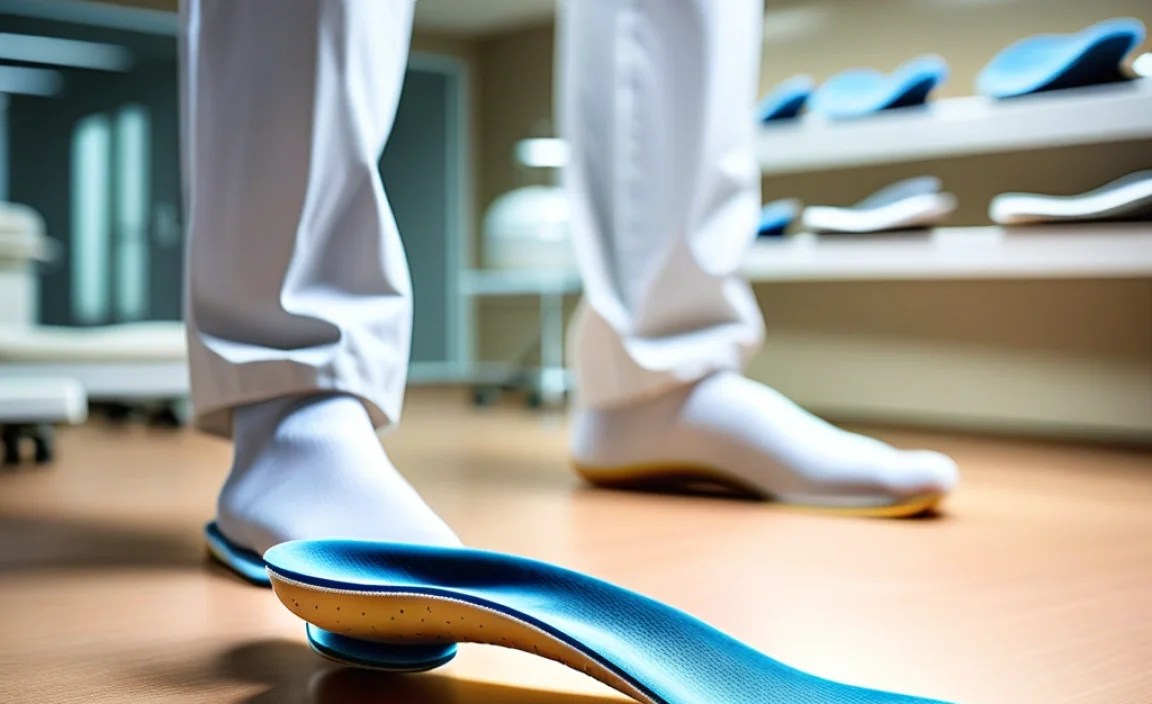
Understanding what your insoles are made of can help you make a more informed choice:
| Material | Pros | Cons | Best For |
|---|---|---|---|
| EVA Foam (Ethylene-Vinyl Acetate) | Excellent shock absorption, lightweight, flexible, often inexpensive. | Can compress and lose support over time with heavy use. | General cushioning, moderate support for everyday standing. |
| Polyurethane (PU) Foam | More durable and resilient than EVA, good cushioning and support. | Can be slightly heavier and less flexible than EVA. | Active users, those needing a balance of cushioning and durability. |
| Memory Foam | Conforms to the foot’s shape for personalized comfort, soft feel. | Can trap heat and moisture, may not offer enough dynamic support for all foot types, can compress too much over time. | Users seeking plush comfort and a custom feel, especially for moderate standing. |
| TPU Gel (Thermoplastic Polyurethane) | Excellent shock absorption and energy return, durable, can be molded into specific shapes. | Can be more expensive, might feel a bit firmer than foam. | High-impact activities, standing for very long periods, users needing robust shock absorption. |
| Carbon Fiber/Graphite | Very rigid and supportive, lightweight, durable, excellent for controlling pronation. | Lack cushioning, can be uncomfortable if not properly fitted, expensive. | Severe overpronation, athletic use, those needing maximum motion control. |
How to Use Insoles for Maximum Benefit
Once you’ve chosen your insoles, follow these steps to ensure you get the most comfort and support from them:
1. The Break-In Period
Don’t expect to wear brand-new insoles for an entire 12-hour shift on day one. Most insoles, especially supportive ones, require a break-in period. Start by wearing them for a few hours at a time, gradually increasing the duration over several days. This allows your feet to adjust to the new support and prevents discomfort.
2. Proper Placement
Remove the original insoles from your work shoes if possible, especially if they are thin, non-removable inserts. Place the new insoles firmly into your shoes. Ensure they lie flat and don’t bunch up, particularly at the heel or toe.
3. Listen to Your Body
Pay attention to how your feet feel. Some initial mild pressure or awareness of the arch support is normal, especially with new, supportive insoles. However, if you experience sharp pain, blisters, or significant discomfort that doesn’t subside after a week of gradual wear, the insoles might not be right for you, or you may need to consult a podiatrist.
4. Cleaning and Maintenance
To keep your insoles fresh and functional, clean them regularly. Most can be wiped down with a damp cloth and mild soap. Allow them to air dry completely. Avoid putting them in a washing machine or dryer, as this can damage the materials. Replacing insoles every 6-12 months, or sooner if they show signs of wear (flattened cushioning, cracked material), is recommended.
5. Sock Choice Matters
The socks you wear can also impact comfort. Opt for moisture-wicking socks made from materials like merino wool or synthetic blends rather than pure cotton. Cotton holds moisture against your skin, which can lead to blisters and discomfort. Good socks will work in conjunction with your insoles to keep your feet dry and comfortable.
Beyond Insoles: Other Foot Care Tips for MRI Techs
While insoles are a fantastic tool, they’re part of a larger picture of foot health. Here are some additional tips to keep your feet in top condition:
- Supportive Footwear: Ensure your primary work shoes are also well-cushioned, supportive, and fit correctly. Worn-out shoes can negate the benefits of even the best insoles. Look for shoes with good ankle support and adequate toe box room.
- Stay Hydrated: Proper hydration is essential for overall body function, including the health of your tissues and joints.
- Regular Stretching: Simple foot and calf stretches throughout the day can help relieve tension and improve circulation.
- Elevate Your Feet: At the end of a long shift, elevate your feet for 15-20 minutes. This helps reduce swelling and promotes circulation.
- Massage: Gently massaging your feet and arches at home can help relax muscles and ease soreness. A foot roller or a tennis ball can be effective tools.
- Weight Management: Carrying excess weight puts additional stress on your feet and lower extremities.
For more in-depth information on foot health, the American Podiatric Medical Association (APMA) offers a wealth of consumer-friendly resources.
When to Seek Professional Help
While insoles can solve many common discomforts, it’s important to know when to consult a medical professional. If you experience any of the following, it’s time to see a podiatrist or your doctor:
- Severe, persistent pain that doesn’t improve with rest or home care.
- Sudden onset of pain or swelling.
- Numbness, tingling, or loss of sensation in your feet.
- Open sores or infections on your feet.
- Signs of a structural foot deformity that is causing pain.
A podiatrist can diagnose specific conditions and recommend custom orthotics or other treatments tailored to your unique needs. Custom orthotics are made to exact specifications of your feet, offering personalized support that over-the-counter insoles cannot replicate.
FAQ: Your Top Questions About Insoles for MRI Techs
Q1: How often should MRI techs replace their insoles?
Most insoles need replacing every 6 to 12 months, depending on the material, how much you stand, and the severity of your foot issues. High-activity users or those with significant foot problems might need to replace them sooner. Look for signs of wear like flattened cushioning or cracks.
Q2: Can insoles really help with back pain caused by standing all day?
Yes, well-fitted insoles can definitely help! When your feet are properly supported and aligned, it corrects your posture and gait. This can alleviate the stress that travels up your kinetic chain, often reducing strain on your knees, hips, and lower back.
Q3: Are expensive insoles always better?
Not necessarily. While very cheap insoles often lack durability and support, you don’t always need the most expensive option. Focus on insoles made from quality materials that offer the specific type of support (cushioning, arch support, stability) you need for your foot type and job demands. Many mid-range insoles offer excellent value and performance.
Q4: Can I use insoles in any type of shoe?
Insoles work best in shoes that provide adequate space and a secure fit. They are ideal for athletic shoes, work boots, sturdy walking shoes, and most casual shoes. They might not fit well or offer optimal support in very narrow shoes, flimsy sandals, or high heels.
Q5: How do I know if I need firm or soft insoles?
Firm insoles typically offer more rigid support and control foot motion, ideal for conditions like overpronation or plantar fasciitis. Soft insoles provide maximum cushioning and comfort, better suited for general fatigue relief or if you have high arches that require more padding. If you have specific medical conditions, it’s always best to consult a podiatrist.
Q6: What’s the difference between over-the-counter insoles and custom orthotics?
Over-the-counter insoles purchased from a store are designed for common foot types and issues and are a more affordable option. Custom orthotics are made from a mold or 3D scan of your specific feet, providing highly personalized support and correction for complex biomechanical problems. Custom orthotics are typically much more expensive and prescribed by a podiatrist.
Conclusion: Step into Comfort and Confidence
Being an MRI tech is a vital role that demands focus and stamina. The long hours spent standing shouldn’t be a source of persistent pain or discomfort. By understanding the benefits of supportive insoles and choosing the right pair tailored to your needs, you can significantly enhance your daily comfort and protect your long-term foot health.
Remember to look for insoles that offer adequate cushioning, appropriate arch support for your foot type, and good heel stability. Don’t forget the importance of a proper break-in period and regular maintenance. Combined with supportive footwear and good foot care habits, the right insoles will empower you to stand taller, feel better, and perform at your best throughout even the most demanding shifts. Your feet will thank you.
