Adding the right insoles to your motorcycle boots can transform your ride, reducing fatigue and boosting comfort. Choose insoles that offer good arch support, cushioning, and vibration dampening for a safer, more enjoyable experience on the road.
Riding a motorcycle is an exhilarating experience, but long rides can take a toll on your feet. Soreness, fatigue, and discomfort in your motorcycle boots can distract you from the joy of the open road. Thankfully, there’s a simple solution: insoles! These small additions can make a huge difference, providing much-needed support and cushioning. We’ll walk you through everything you need to know to find the perfect insoles for your motorcycle boots.
Why Insoles Matter for Motorcycle Boots

Motorcycle boots are designed for protection, and while they offer crucial safety features like ankle support and abrasion resistance, they often lack the comfort and support needed for extended wear. This is where insoles come in. They act as a shock absorber, a comfort enhancer, and a pain reliever, especially for riders who spend hours in their boots.
Think about it: your feet are constantly subjected to vibrations from the engine and the road. Without proper support, this can lead to fatigue, aches, and numbing. Good insoles can help mitigate these issues by:
- Providing extra cushioning to absorb impact and vibrations.
- Offering specific arch support tailored to your foot’s needs.
- Improving the overall fit and feel of your boots.
- Helping to prevent common foot problems like plantar fasciitis.
Many motorcycle boots, especially performance-oriented ones, come with basic, often removable, insoles. These are rarely optimized for long-term comfort or specific foot issues. Upgrading them is one of the easiest and most effective ways to enhance your riding experience. You can find resources on foot health from the Centers for Disease Control and Prevention (CDC), highlighting the importance of proper foot care, which extends to the footwear you choose.
Understanding Your Foot Type and Needs
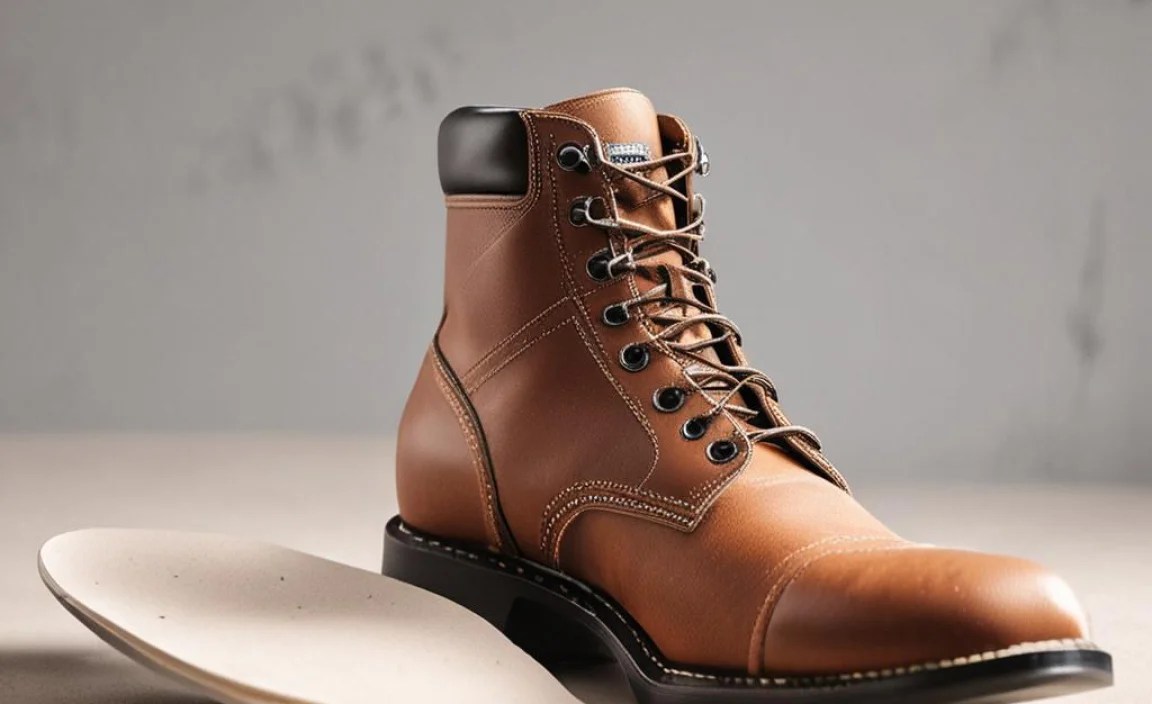
Before you even look for insoles, it’s important to understand your own feet. Not all feet are created equal, and what works for one person might not work for another. This is fundamental to good foot health and finding the right support.
Arch Support: The Foundation of Comfort
Your arches play a vital role in how your weight is distributed. There are three common arch types:
- High Arches: Feet with high arches tend to have a large gap between the heel and the ball of the foot when pressed onto a surface. People with high arches often benefit from insoles with significant arch support and ample cushioning to fill the gap and absorb shock.
- Normal Arches: If your footprint shows a clear, but not overly large, curve on the inside, you likely have normal arches. You can usually wear a wider variety of insoles, but those offering balanced support and cushioning are often ideal.
- Flat Arches (Fallen Arches): With flat arches, your entire sole of the foot may touch the ground when standing. These feet can benefit from insoles that provide good arch support to help lift and support the arch, improving alignment and reducing strain.
You can easily check your arch type with a simple wet test. Wet your feet, step onto a piece of paper or cardboard, and examine the imprint. A full footprint indicates flat arches, while a print with a very narrow or non-existent arch suggests high arches. A normal arch will show a distinct curve.
Common Foot Pain Points for Riders
Motorcycle riders often experience specific types of foot discomfort due to the nature of riding:
- Heel Pain: Often caused by impact and lack of cushioning.
- Ball-of-Foot Pain (Metatarsalgia): Can result from pressure and vibration.
- Arch Aches: Due to insufficient support over long periods.
- Numbness or Tingling: Can be caused by compression or poor circulation, sometimes exacerbated by ill-fitting boots or lack of support.
- Fatigue: General tiredness in the feet and legs from prolonged standing or awkward positions.
Insoles can directly address these issues by providing targeted cushioning, support, and realignment.
Types of Insoles for Motorcycle Boots

The world of insoles can be overwhelming, but they generally fall into a few main categories based on their purpose and material:
1. Cushiong Insoles
These are designed to provide maximum shock absorption and comfort. They often use soft materials like foam, gel, or air pockets. For motorcycle boots, cushioning is key to reducing the impact of road vibrations.
- Pros: Excellent shock absorption, immediate comfort, reduces foot fatigue.
- Cons: May offer less structured support, can sometimes feel too soft for very active use, might take up more space in the boot.
- Best for: Riders who prioritize plush comfort, casual riders, those experiencing general foot soreness.
2. Support (Orthotic) Insoles
These are built with a firmer structure to provide arch support and control foot motion. They aim to correct alignment issues and provide a stable foundation for the foot. You can get over-the-counter orthotics or custom-made ones.
- Pros: Superior arch and heel support, improves foot alignment, can help with specific foot conditions like plantar fasciitis.
- Cons: Can be stiffer, may require a break-in period, might feel less cushioned initially.
- Best for: Riders with flat feet, high arches, plantar fasciitis, or those needing help with foot posture.
3. Performance Insoles
A hybrid of cushioning and support, performance insoles are designed for active use. They often use advanced materials that combine shock absorption with stability and energy return.
- Pros: Balanced cushioning and support, durable, lightweight, can enhance performance and reduce fatigue.
- Cons: Can be more expensive, might be designed for specific activities, may not be as plush as dedicated cushioning insoles.
- Best for: Riders who are on their feet a lot, engage in spirited riding, or want a versatile insole.
4. Specialty Insoles
These include insoles designed for specific purposes, such as:
- Anti-fatigue Insoles: Often feature targeted cushioning or energy return materials to combat fatigue during long hours.
- Temperature-Regulating Insoles: Made with materials that help keep feet cool in hot weather or warm in cold weather, a significant plus for motorcyclists.
- Vibration-Dampening Insoles: Specifically engineered to absorb and dissipate the constant vibrations from a motorcycle engine and road.
Choosing the Right Insoles for Your Motorcycle Boots

Now that you know the types, let’s get down to choosing the best ones for your motorcycle boots. The goal is to find insoles that enhance comfort, support, and safety without compromising the fit or function of your boots.
Here’s a step-by-step guide:
Step 1: Assess Your Boots
Removable Insoles? Most modern motorcycle boots have removable insoles. If yours do, measure the space left when you remove the original insole. This will give you an idea of the maximum thickness and length you can accommodate.
Internal Space: Even if insoles aren’t removable, there’s often some space. Consider how snug your boots are now. Adding insoles will take up space, so you want to avoid making them too tight, which can lead to discomfort and circulation issues. A snug but not constricting fit is ideal. A good reference for boot fit and care can be found on resources like the U.S. Forest Service’s guidance on boot care, which emphasizes proper fit.
Step 2: Identify Your Foot Needs
As discussed earlier, know your arch type. Do you have particular pain points like heel spurs or general foot fatigue? This will guide you towards the right type of insole.
Step 3: Consider Riding Conditions
Long Rides vs. Short Rides: For long tours, maximum comfort and support are crucial. For shorter, spirited rides, a more responsive insole might be preferred.
Weather: If you ride in extreme temperatures, temperature-regulating insoles can be a game-changer.
Vibration Sensitivity: If you notice significant issues with vibration, look for insoles specifically designed to dampen them.
Step 4: Material Matters
Insoles come in various materials, each with distinct properties:
- Foam (EVA, Polyurethane): Offers good cushioning and shock absorption. EVA is lighter and more common, while polyurethane is denser and more durable.
- Gel: Provides excellent cushioning and can feel very comfortable. It’s good for shock absorption but can sometimes lack dynamic support.
- Cork: A natural material that molds to your foot over time, offering good support and breathability.
- Carbon Fiber: Very lightweight and rigid, offering excellent support and stability, often found in high-performance orthotics.
- Felt/Wool: Great for insulation and moisture-wicking, ideal for colder weather riding.
Step 5: Try Them On (If Possible)
The best way to know if an insole is right for you is to try it. If buying online, look for retailers with good return policies. When trying them in your boots, wear the socks you typically ride with. Walk around, flex your foot, and see how they feel. Pay attention to any pressure points or areas of discomfort.
Step 6: Don’t Forget the Break-In Period
Some insoles, especially supportive orthotics, may require a short break-in period. Start by wearing them for a few hours at a time, gradually increasing the duration. This allows your feet to adjust and the insole to conform to your foot.
Top Features to Look for in Motorcycle Boot Insoles

When comparing different insoles, keep these features in mind:
- Arch Support: Crucial for alignment and preventing fatigue. Look for options that match your arch type.
- Heel Cup: A well-defined heel cup helps stabilize the heel, improves shock absorption, and can enhance overall comfort.
- Cushioning: Especially important for absorbing road vibrations. Gel, foam, and air inserts are common.
- Vibration Dampening: Some insoles are designed with specific materials or layers to counteract engine and road vibrations.
- Breathability and Moisture-Wicking: Important to keep your feet dry and comfortable, preventing blisters and odor. Materials like wool, bamboo, or certain synthetic weaves excel here.
- Durability: Motorcycle riding can be tough on footwear. Choose insoles made from robust materials that won’t flatten or break down quickly.
- Thickness/Profile: Ensure the insole fits comfortably within your boot without making it too tight. Some insoles are low-profile, while others are thicker and offer more padding.
Insoles vs. Boot Modification
While insoles are the most common and easiest solution, sometimes more drastic measures are considered. However, for most riders, insoles offer the best balance of effectiveness, cost, and ease of implementation.
Insoles:
- Affordable and readily available.
- Easy to install and remove.
- Can be transferred between different boots.
- Can be replaced as they wear out or as your needs change.
Boot Modification:
- Can be expensive and requires professional expertise.
- Permanent changes to the boot.
- May void warranties.
- Not transferable to other footwear.
For almost all common foot comfort issues in motorcycle boots, a well-chosen insole is the superior solution. For deeper insights into footwear mechanics, exploring guides on biomechanics can be enlightening, like those found through university resources exploring gait analysis.
A Quick Look at Insole Options: Comfort vs. Support
Here’s a table to help you visualize the trade-offs:
| Insole Type | Primary Benefit | Best For | Potential Downsides |
|---|---|---|---|
| Full Cushioning | Maximum shock absorption, plush feel | General foot soreness, long rides with minimal foot strain | May lack firm arch support, can feel “mushy” |
| Structured Support (Orthotic) | Arch support, alignment correction | Flat feet, high arches, plantar fasciitis, foot fatigue | Can be stiff, may require break-in, less initial cushioning |
| Performance Blend | Balanced cushioning & support, durability | Active riding, all-around comfort and stability | Can be pricier, might not be as plush as pure cushioning |
| Specialty (e.g., Anti-Fatigue) | Targeted relief for specific issues | Extended riding, vibration sensitivity | May be less versatile, can be niche |
Installing and Maintaining Your New Insoles
Once you’ve purchased your new insoles, installation is straightforward. Most insoles are designed to simply replace the existing ones in your boots.
Installation Steps:
- Remove Old Insoles: If your boots have removable insoles, take them out.
- Clean the Boot Interior: Before inserting new insoles, it’s a good idea to wipe down the inside of your boots to remove any dust or debris.
- Insert New Insoles: Place the new insoles into the boots, ensuring they lie flat and are properly aligned with the heel and toe of the boot.
- Check the Fit: Put on your riding socks and then your boots. Walk around to ensure there are no pressure points and the fit is comfortable. You don’t want them to bunch up or slip.
Maintenance:
To make your insoles last longer and keep your boots fresh:
- Air Them Out: After each ride, remove the insoles from your boots to let them air dry. This is especially important if they get sweaty.
- Spot Clean: If they get dirty, clean them with a mild soap and water. Avoid harsh chemicals or machine washing, as this can damage the materials.
- Inspect Regularly: Check for signs of wear and tear, such as thinning cushioning, flattened arches, or fraying edges. Replace them when they no longer provide adequate support or comfort.
The lifespan of insoles can vary, but typically, over-the-counter insoles last anywhere from 6 to 12 months with regular use, depending on the material and quality. Orthotic insoles, especially those made with more durable materials, can last longer. For more on foot comfort and long-term health, you might find general foot hygiene tips from reputable health organizations useful.
Frequently Asked Questions (FAQ)
Q1: Can I use insoles for motorcycle boots if my boots already have padding?
Yes, absolutely! Most motorcycle boots have basic insoles that offer minimal support or cushioning. Adding a specialized insole can significantly enhance comfort and provide targeted support that the boot’s built-in padding doesn’t offer.
Q2: Will adding insoles make my motorcycle boots too tight?
It’s possible, as insoles add volume. However, if your boots are already a perfect fit or slightly loose, insoles can actually improve the fit. If your boots are already tight, opt for thinner, low-profile insoles or consider loosening your boot laces slightly.
Q3: How often should I replace insoles in my motorcycle boots?
This depends on usage and the insole material, but generally, insoles should be replaced every 6 to 12 months. If you start to feel increased foot fatigue or discomfort, it’s a good sign they’ve worn out and need replacing.
Q4: Are custom orthotics worth it for motorcycle boots?
For most riders, high-quality over-the-counter insoles are sufficient and offer excellent value. Custom orthotics are typically recommended for severe foot issues or specific biomechanical problems, and they can be a significant investment.
Q5: Can insoles help with numb feet while riding?
Yes, insoles can help. Numbness can be caused by pressure points or poor support, leading to circulation issues. A supportive, well-cushioned insole can help distribute pressure more evenly and improve foot alignment, potentially alleviating numbness.
