Insoles can transform your moccasins, offering crucial arch support and transforming them from casual comfort to genuinely beneficial footwear for foot health and alignment. Discover how the right insoles can boost support, ease pain, and improve your daily comfort in relaxed moccasin styles.
Insoles for Moccasins Support: Essential Arch Aid

Moccasins are loved for their soft feel and relaxed fit. They’re perfect for a casual stroll or lounging around. But let’s be honest, they often lack the sturdy support our feet need, especially our arches. This can lead to discomfort, foot fatigue, and even more serious issues over time. If you love your moccasins but wish they offered a bit more help for your feet, you’re in the right place! We’re going to explore how adding the right insoles can turn your favorite slip-ons into a supportive powerhouse.
You’ll learn what to look for, how to choose the best insoles for your specific needs, and how easily you can insert them for immediate relief. Get ready to give your feet the support they deserve, right inside the comfort of your moccasins.
Why Moccasins Often Need More Support
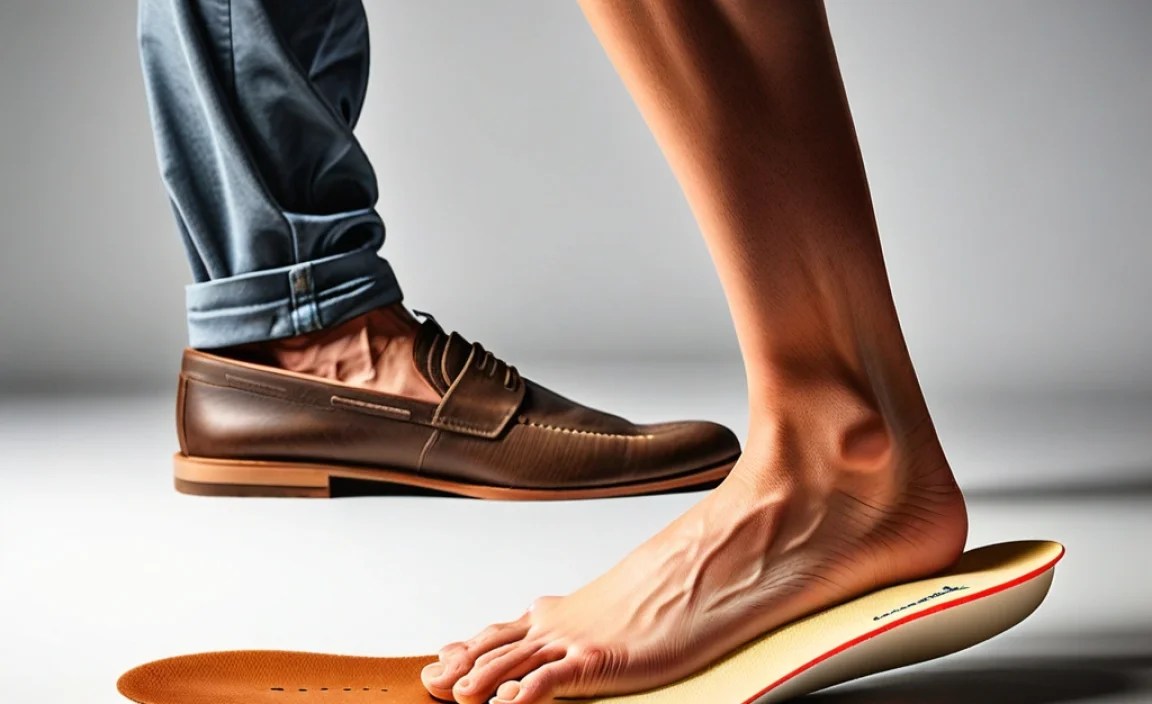
Moccasins are designed with flexibility and a natural feel in mind. Their soft construction, thin soles, and often unstructured design mean they don’t typically offer much in the way of built-in arch support or cushioning. While this is great for that easygoing vibe, it can leave your feet vulnerable.
Our feet have a complex architecture with arches that act as natural shock absorbers and provide stability. When these arches aren’t properly supported, the impact of walking and standing is distributed unevenly. This can lead to:
- Foot Pain: Especially in the arch and heel area.
- Plantar Fasciitis: Inflammation of the band of tissue that runs across the bottom of your foot.
- Knee and Back Pain: Poor foot alignment can affect your entire body’s posture.
- Fatigue: Your feet and leg muscles work harder to compensate for a lack of support.
Moccasins, in their standard form, don’t do much to combat these issues. They offer comfort, but not necessarily therapeutic support. This is where insoles come in as absolute game-changers.
What to Look For in Insoles for Moccasins

Choosing the right insoles is key to getting the most benefit without sacrificing the comfort of your moccasins. Not all insoles are created equal, and some might be too rigid or bulky for the snug fit of a moccasin. Here’s what to consider:
1. Arch Support Level
This is the most crucial factor. Insoles come with varying levels of arch support:
- Mild Support: Good for those with relatively healthy arches who just need a little extra boost or cushioning.
- Medium Support: Ideal for many people who experience occasional foot fatigue or mild discomfort.
- Maximum Support: Best for individuals with flat feet, high arches, or those who require significant correction and stability.
For moccasins, a medium to maximum support insole is often the sweet spot, as standard moccasins offer minimal natural support.
2. Material and Cushioning
The material of the insole affects both comfort and durability. Common materials include:
- Foam (EVA, Polyurethane): Offers excellent shock absorption and cushioning. It’s lightweight and can be molded to the foot.
- Gel: Provides superior shock absorption, especially at the heel, and can be very comfortable.
- Cork: A natural, firm material that molds to your foot over time, offering personalized support and some shock absorption. It’s durable but can be less cushioned initially.
- Felt: Often used as a base layer for warmth and a bit of cushioning, but not usually the primary support material.
Consider how much padding you need. If your moccasins already have some soft lining, you might opt for a firmer, more supportive insole with less bulk. If they’re very thin, a bit more cushioning might be welcome.
3. Profile and Thickness
Mocassins can have limited interior space, especially around the toe box and heel. You need insoles that fit without making your shoes too tight or causing your heel to slip out.
- Low-Profile Insoles: These are thinner and designed to fit into snug-fitting shoes, including loafers, dress shoes, and many types of moccasins. They offer support without adding significant bulk.
- Orthotic Insoles: These are often more structured and may have a higher heel cup or more pronounced arch. Some orthotics are designed for specific shoe types, while others are more universal. You might need to find a low-profile orthotic designed for casual shoes.
Measure the space inside your moccasins, or try to find insoles specifically marketed for casual shoes or loafers.
4. Durability and Lifespan
Insoles, especially those providing significant support, will wear out over time. High-quality materials will last longer. A general guideline is to replace insoles every 6 to 12 months, depending on usage and the materials.
Look for brands that use robust materials and offer warranties, which can be a good indicator of quality.
5. Specific Foot Conditions
If you have a specific condition like plantar fasciitis, flat feet, or high arches, you’ll want an insole designed to address that. Many insoles are categorized by the foot condition they aim to help.
For instance, if you have flat feet, look for insoles with strong arch support and a good heel cup to help control pronation (the inward rolling of the foot). For high arches, look for insoles that offer more cushioning and shock absorption while still supporting the curve of your foot.
Types of Insoles Best Suited for Moccasins

Given the typical design of moccasins, certain types of insoles tend to work better than others. Here’s a breakdown:
1. Supportive Comfort Insoles
These are often the best all-around choice. They strike a balance between cushioning and arch support. They are typically made from flexible foams or gels and have a contoured design that cradles the foot.
Pros:
- Comfortable for all-day wear.
- Provide noticeable arch and heel support.
- Generally flexible enough to fit into most moccasins.
- Often come in varying levels of support (mild to medium-high).
Cons:
- May not be sufficient for severe foot conditions.
- Can wear out faster than more rigid orthotics if made of softer foam.
2. Low-Profile or Slim Orthotics
These are specially designed to fit into dressier or tighter shoes. They offer more rigid, structured support than comfort insoles but are made to be less bulky. They often feature a stronger heel cup and a more defined arch.
Pros:
- Excellent for providing corrective support.
- Less likely to make shoes feel too tight.
- Can help improve posture and alignment significantly.
Cons:
- May offer less initial cushioning than comfort insoles.
- Can be more expensive.
- Might require a short break-in period.
3. Moldable or Heat-Moldable Insoles
These insoles allow you to create a custom fit for your feet. Some mold to your feet just through body heat and pressure, while others require gentle heating (following manufacturer instructions) for a more precise mold.
Pros:
- Offer a highly personalized fit.
- Conform to the unique contours of your arch.
- Can provide superior comfort and support once molded.
Cons:
- Require a bit more effort to use effectively.
- The molding process needs to be done carefully to avoid damage.
- May not be as easily transferable between shoes if they mold very specifically.
4. Custom Orthotics (Consider with caution for moccasins)
While custom orthotics are the gold standard for severe foot issues, they are often very rigid and may have a substantial profile. It’s unlikely that standard custom orthotics would fit comfortably into most moccasins without making them unwearable. If you have custom orthotics, discuss with your podiatrist or orthotist if a lower-profile, flexible version suitable for casual shoes exists.
For most moccasin wearers, a high-quality supportive comfort insole or a slim orthotic will be the most practical and beneficial choice.
How to Choose the Right Insoles: A Step-by-Step Guide
Ready to find the perfect insoles for your moccasins? Follow these simple steps:
Step 1: Assess Your Foot Needs
Before you shop, take a moment to understand what your feet need. Are they generally healthy but just need a bit more cushioning? Do you have noticeably flat feet or high arches? Do you experience pain after wearing your moccasins for a while? Knowing this will help you narrow down the options.
- For general comfort and mild support: Look for cushioned insoles with a moderate arch.
- For flat feet or overpronation: Seek insoles with strong arch support and a deep heel cup to help guide your foot.
- For high arches or supination: Prioritize insoles with excellent shock absorption and a softer, more accommodating arch.
- For plantar fasciitis: Opt for insoles with firm heel support and good arch contouring to reduce strain on the plantar fascia.
Step 2: Measure Your Moccasins (If Possible)
If you can, remove the existing insole from your moccasin (if it has one) and measure its length and width at the widest part. This will give you a tangible size reference. If your moccasin has no removable insole, roughly measure the interior length and width.
Insoles are typically sold in shoe sizes (e.g., Men’s 8-10, Women’s 6-8). Try to match your shoe size as closely as possible. If you’re between sizes, it’s often better to get the larger size and trim it down.
Step 3: Consider the Insole Profile
As discussed, moccasins can be shallow. You need an insole that won’t lift your foot too high or cramp your toes. Look for terms like “low-profile,” “slim fit,” or insoles designed for casual shoes, loafers, or flats.
A good rule of thumb is to check the thickness of the insole’s heel and forefoot if the dimensions are provided. You don’t want the heel counter of the moccasin to push your heel out of the shoe.
Step 4: Read Reviews and Compare Brands
Once you have an idea of what you need, it’s time to research. Authentic customer reviews can be incredibly helpful. Look for reviews from people who have used insoles in similar types of footwear (e.g., loafers, casual shoes). Pay attention to comments about:
- Comfort and cushioning
- Arch support effectiveness
- Durability
- Fit in snug shoes
- Relief from foot pain
Reputable brands often have more consistent quality. Some well-regarded brands for supportive insoles include Superfeet, Powerstep, Vionic, Currex, and SOLE.
Step 5: Make Your Purchase
Based on your assessment, measurements, and research, make your choice. Many online retailers and shoe stores offer a good selection. If possible, try them on before buying, or ensure there’s a good return policy.
Inserting Insoles into Your Moccasins
This is the easy part! Most of the time, adding insoles to moccasins is as simple as following these steps:
- Remove the existing insole: If your moccasin has a factory-inserted insole, carefully slide your fingers under it and lift it out. Sometimes, they are glued in, so you might need to use gentle force or a bit of heat from a hairdryer to loosen the adhesive.
- Trim if necessary: If the new insole is slightly too large, especially in length or width, you may need to trim it. Most insoles have lines printed on the bottom corresponding to shoe sizes. Use sharp scissors or a craft knife to carefully cut along the appropriate line. Start by trimming a little; you can always trim more if needed.
- Insert the new insole: Slide the insole into the moccasin, ensuring it sits flat and the arch support is positioned correctly under your foot’s arch. The heel of the insole should rest snugly in the heel cup of the moccasin.
- Test the fit: Put on your moccasin with the new insole. Wear it around the house for a bit to see how it feels. Check for any pinching, excessive tightness, or areas where your foot doesn’t feel properly supported.
It might take a few wears for your feet to fully adjust to the new support, especially if you’re switching from unsupportive shoes.
Benefits of Wearing Insoles in Moccasins
Adding supportive insoles to your moccasins isn’t just about preventing pain; it’s about actively improving your foot health and overall well-being. Here are some key benefits:
1. Enhanced Comfort and Reduced Fatigue
By providing proper arch support and cushioning, insoles help to distribute pressure more evenly across your feet. This reduces the strain on your foot muscles and joints, allowing you to stand and walk for longer periods without feeling tired or achy.
2. Improved Foot Alignment and Posture
Moccasins, with their flexible construction, often allow feet to splay or roll inward (pronation), especially if you have flatter feet. Supportive insoles help to correct this by guiding your foot into a more neutral position. This improved alignment can have a positive effect on your knees, hips, and even your back, contributing to better overall posture.
For more information on foot biomechanics and its impact on posture, the National Institutes of Health (NIH) has extensive resources.
3. Pain Relief for Common Foot Conditions
Are you dealing with plantar fasciitis, heel spurs, or general arch pain? Insoles can offer significant relief. They provide the necessary support to take pressure off the inflamed tissues and help to manage the symptoms of these conditions, making your daily activities much more bearable.
4. Increased Stability
A well-supported foot is a more stable foot. Insoles can enhance your balance and reduce the risk of slips and falls, especially on uneven surfaces. This is particularly beneficial for those who spend a lot of time on their feet or have balance issues.
5. Protection and Shock Absorption
The soles of moccasins are typically thin, offering little protection from the impact of hard surfaces. Insoles add a layer of cushioning that absorbs shock, protecting your feet and joints from the jarring effects of walking on concrete or other hard terrains.
Consider this comparison of insole benefits:
| Benefit | How Insoles Help Moccasins | Resulting Improvement |
|---|---|---|
| Comfort | Adds cushioning and arch support to thin soles. | Reduced foot fatigue, ability to wear moccasins longer. |
| Alignment | Corrects overpronation or supination with structured support. | Improved posture, reduced knee/back strain. |
| Pain Relief | Takes pressure off painful areas like the arch or heel. | Eases symptoms of plantar fasciitis, heel pain, general aches. |
| Stability | Provides a more secure base for the foot. | Better balance, reduced risk of slips/falls. |
| Shock Absorption | Acts as a buffer against impact from walking surfaces. | Protects joints, reduces stress on feet. |
When to Consider Replacing Your Insoles
Supportive insoles are fantastic, but they aren’t eternal. Like any footwear component, they wear out. Paying attention to signs of wear can ensure you continue to get the maximum benefit.
Here are some indicators that it’s time for a new pair:
- Visible Wear and Tear: Look for flattened cushioning, cracked materials, or worn spots on the surface.
- Reduced Support: If you start feeling less arch support or cushioning than before, the insole has likely lost its integrity.
