Quick Summary: Insoles can effectively act as leg length shims to correct minor leg length discrepancies, providing crucial support and alignment. They offer a comfortable, adjustable, and accessible solution for improving posture, reducing pain, and enhancing overall mobility without the need for complicated medical procedures.
Insoles for Leg Length Shims: A Proven Aid for Better Balance and Comfort

Ever feel like you’re walking uphill even on flat ground? Or perhaps experience a nagging ache in your hip, knee, or back that just won’t quit? Sometimes, the culprit isn’t just your shoes or how you’re standing – it could be a slight difference in your leg lengths. This is a surprisingly common issue that can throw your whole body off balance. But don’t worry! There’s a simple, effective way to address this: using insoles as leg length shims. In this guide, we’ll explore how these everyday foot aids can work wonders in correcting leg length discrepancies, improve your alignment, and bring back that feeling of comfortable, balanced movement.
Understanding Leg Length Differences
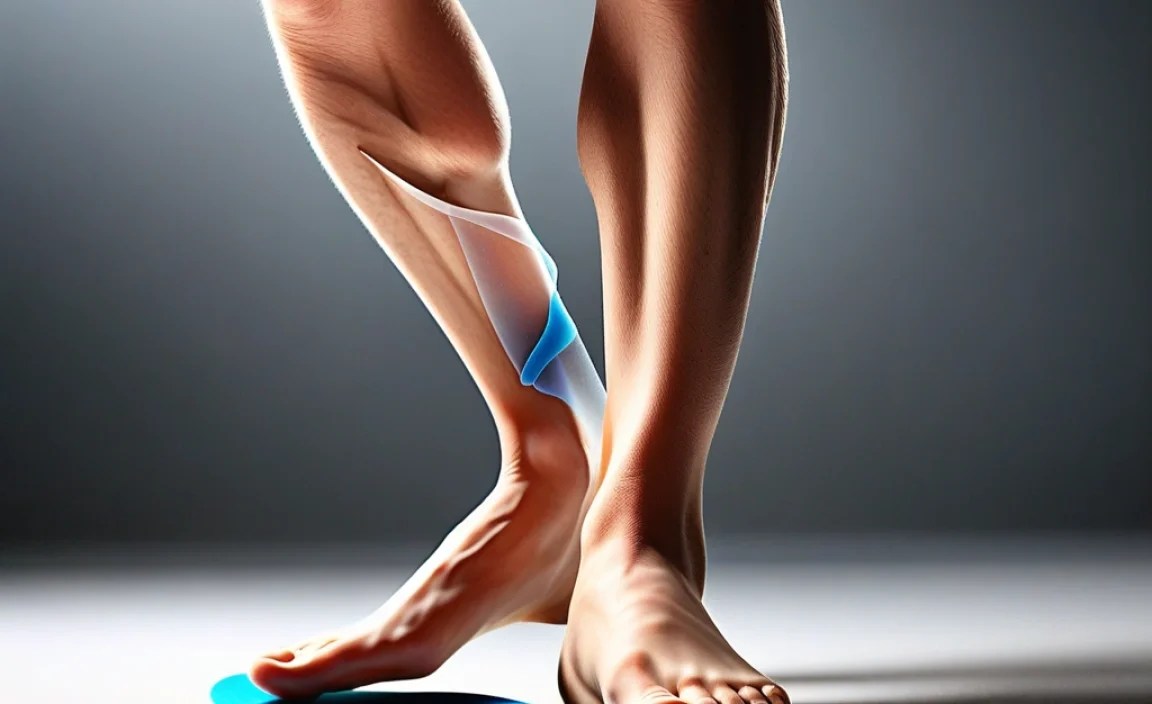
Before we deep dive into insoles, let’s understand what a leg length difference is. It’s exactly what it sounds like – one leg is slightly shorter than the other. This might sound small, but even a quarter-inch difference can create significant imbalances in your body over time.
What Causes Leg Length Differences?
Leg length differences can stem from a variety of sources, some you’re born with, and others that develop over time:
- Congenital Factors: Some people are born with one leg that is naturally shorter due to developmental variations in bone growth.
- Injuries: Fractures in the leg or hip can sometimes shorten the affected bone, especially if there’s damage to the growth plate in younger individuals.
- Medical Conditions: Certain conditions like developmental dysplasia of the hip (DDH) or issues affecting the spine or pelvis can lead to functional or structural leg length differences.
- Arthritis: Degenerative joint disease, particularly in the hip or knee, can cause cartilage to wear away, effectively shortening the leg on that side due to reduced joint space.
- Surgery: Hip or knee replacement surgeries, while beneficial, can sometimes result in minor differences in leg length.
- Muscle Imbalances and Posture: Sometimes, tightness or weakness in the muscles around the hips, back, and legs can create a functional leg length discrepancy. This means the bones are the same length, but the way soft tissues hold them creates the appearance of a difference.
The Impact of Uncorrected Differences
When your legs aren’t the same length, your body tries to compensate. This can lead to a cascade of problems:
- Pain: You might experience pain in your feet, ankles, knees, hips, or lower back as your body works harder to maintain balance.
- Posture Issues: Your body might tilt or twist to adjust, leading to poor posture that can affect your spine and the rest of your skeletal alignment.
- Gait Problems: Your walking pattern (gait) can change, which may feel awkward and inefficient.
- Increased Fatigue: Your muscles have to work overtime to keep you stable, leading to quicker tiredness.
- Joint Strain: Over time, this can put extra stress on joints like the hips and knees, potentially accelerating wear and tear.
How Insoles Can Act as Leg Length Shims

Think of a leg length shim as a small wedge that you place under the heel of the shorter leg to make it even with the longer one. Insoles, particularly thicker or layered ones, can perform this exact function. By their very nature, insoles add height within your shoe. When placed in the shoe of the shorter leg, they can effectively “shim” that leg up to match its longer counterpart.
The “Shim” Effect Explained
When you have a leg length discrepancy, your pelvis will tilt to compensate. Imagine trying to stand on an uneven surface; you’d naturally shift your weight and posture to stay upright. Your body does the same thing with leg length differences. This pelvic tilt can lead to:
- One shoulder appearing lower than the other.
- Uneven wear patterns on your shoes.
- Pain on one side of your body more than the other.
By using an insole as a shim, you are essentially creating a more level surface for your feet, helping to:
- Level the pelvis.
- Reduce compensatory tilting and twisting in your spine and hips.
- Potentially alleviate the pain and strain caused by the imbalance.
Choosing the Right Insoles for Shimming

Not all insoles are created equal, especially when you’re looking to use them for leg length correction. You need insoles that offer enough support and can be layered or are naturally thicker in the heel.
Types of Insoles to Consider
- Orthotic Insoles: These are designed to provide significant support and alignment for the foot. Many have a rigid or semi-rigid structure that can effectively add a substantial amount of lift.
- Heel Cups/Heel Lifts: These are specifically designed to add height to the heel. They are often made of firm material like rubber or dense foam and can sometimes be stacked or combined with other insoles.
- Adjustable Insoles: Some specialized insoles come with removable layers, allowing you to customize the height and therefore the shimming effect.
- Full-Length Insoles: While many insoles cover the full length of the foot, focus on those with a substantial heel cup or thicker rear portion to maximize the shimming potential.
Materials Matter
The material of your insole plays a role in both comfort and its ability to function as a shim:
- Firm Materials (Cork, Dense EVA Foam, Rubber): These provide a stable base and are excellent for adding a consistent lift without compressing too much. They mimic the function of traditional shims more closely.
- Softer Materials (Gel, Softer Foams): While comfortable for cushioning, they may compress too much to provide a consistent shim effect for significant leg length differences. They might be better for very minor discrepancies or used in combination with firmer materials.
How to Use Insoles as Leg Length Shims: A Step-by-Step Guide
Using insoles to shim your leg length discrepancy is a practical, hands-on approach. It’s important to start gradually and listen to your body.
Step 1: Identify the Shorter Leg
This is the most crucial first step. A healthcare professional (like a doctor, physical therapist, or podiatrist) can accurately measure your leg lengths. They can differentiate between a structural leg length difference (where the bones themselves are different lengths) and a functional one (caused by muscle imbalances or posture). Self-assessment can be tricky, so professional advice is highly recommended.
A simple, though less precise, way to get an idea is to lie on your back with your feet flat on the floor, then let your heels drop to the floor. Look at the relative position of your ankle bones or the size of the gap beneath your heels. Another method involves standing against a wall and checking if your hips are level.
Step 2: Select Your Shim Insoles
Based on the professional assessment, you’ll know the approximate amount of lift needed. This is typically measured in millimeters or fractions of an inch. Start with insoles that can provide this lift. If you need a significant lift (e.g., over 1 cm), you might need to use specialized heel lifts or stack multiple insoles, which we’ll discuss later.
Step 3: Prepare Your Shoes
Ensure the shoes you plan to use are comfortable and have enough depth to accommodate the insole. Remove any existing insoles that came with the shoe, as they can affect the overall height and fit.
Step 4: Insert the Insole
Place the chosen insole into the shoe on your shorter leg. Ensure it sits correctly and doesn’t buckle or shift. For the longer leg, you might use a standard supportive insole or no insole at all. The goal is to bring the shorter leg up to match the longer one.
Step 5: Gradual Introduction
Don’t wear the shimmed shoes all day immediately. Start by wearing them for short periods, like 30 minutes to an hour, while you’re at home. Pay close attention to how your body feels. You might experience new sensations as your posture adjusts.
Step 6: Monitor and Adjust
- Assess Comfort: Does it feel more balanced? Is the pain reducing?
- Check Posture: Stand in front of a mirror. Do your hips and shoulders appear more level?
- Listen to Your Body: If you experience increased pain or discomfort, take out the insoles and try for shorter periods or a slightly lower shim height, if possible.
It can take several days to a couple of weeks for your body to fully adapt. Increase wear time gradually as comfort allows. If you’re aiming for a lift of more than 1 cm (about half an inch), you might need a combination of approaches, such as using a full insole plus a dedicated heel lift.
When to Consider More Than Just Standard Insoles
While standard insoles can work wonders for minor discrepancies, some situations call for a more targeted approach.
Stacking Insoles and Using Heel Lifts
For larger leg length differences, you might need more height than a single insole can provide. This is where specialized heel lifts come into play. These are often firm, dense material specifically designed to add precise amounts of height under only the heel. They can be placed inside a shoe and worn with a standard supportive insole or even with no other insole, depending on the shoe and the required lift.
A common strategy for moderate differences is to:
- Insert a supportive, full-length insole into both shoes for arch support and general comfort.
- If more height is needed, add a heel lift on top of the insole in the shoe of the shorter leg.
You can often buy heel lifts that come in various thicknesses or can be trimmed to size. This allows for very precise adjustment.
Custom Orthotics
For significant or complex leg length differences, or when combined with other foot issues like flat feet or plantar fasciitis, custom orthotics prescribed by a podiatrist or orthotist are often the best solution. These are made from precise measurements of your feet and gait, and can incorporate specific wedging or build-up to correct both your foot mechanics and your lower limb alignment simultaneously.
Professional Guidance is Key
It’s vital to consult with a healthcare professional if you suspect you have a significant leg length difference or if your symptoms are severe. They can:
- Accurately diagnose the cause and severity of your leg length difference.
- Recommend the appropriate amount of lift needed.
- Advise on the best type of orthotic or insole to use.
- Monitor your progress and make adjustments as needed.
They can help you avoid over-correcting or exacerbating other biomechanical issues. For example, the American Academy of Orthopaedic Surgeons provides excellent resources on leg length discrepancy evaluation and treatment.
Benefits of Using Insoles as Leg Length Shims
The advantages of using insoles for leg length shimming are numerous, making it an appealing option for many:
- Cost-Effective: Compared to custom orthotics or surgical interventions, good quality insoles and heel lifts are significantly more affordable.
- Accessible: They are readily available at pharmacies, sporting goods stores, and online.
- Adjustable: You can often adjust the amount of lift by stacking insoles or using different heel lifts until you find the perfect height.
- Comfort and Pain Relief: The primary benefit is often a reduction in pain from conditions like back pain, hip pain, and knee pain, as well as improved overall comfort.
- Improved Posture and Alignment: By leveling the pelvis, insoles can help improve spinal alignment and posture, leading to a more balanced and efficient way of moving.
- Enhanced Athletic Performance: For athletes, correcting leg length discrepancies can lead to better biomechanics, improved stride efficiency, and reduced injury risk.
- Non-Invasive: It’s a simple, non-surgical approach to addressing a biomechanical issue.
Potential Downsides and What to Watch For
While insoles are a great solution, it’s important to be aware of potential downsides and how to manage them:
- Discomfort During Adaptation: Your body needs time to adjust. Initial discomfort is possible, but it should subside.
- Over-Correction: Using too much lift can create a new set of problems, potentially shifting your body’s imbalance to the other side. This is why professional guidance is important.
- Shoe Fit: Added insoles and lifts can make shoes feel tighter. You might need to switch to shoes with more volume or a wider fit.
- Durability: Cheaper insoles or stacked materials might wear out faster, requiring frequent replacement.
- Not a Cure for Severe Discrepancies: For very large or complex leg length issues, insoles may only offer partial correction or might not be sufficient on their own.
Always start with a small lift and gradually increase it. If persistent pain or discomfort occurs, it’s a sign to reduce the lift or consult a professional. For example, the National Institutes of Health (NIH) often discusses biomechanical interventions for orthopedic issues, highlighting the importance of proper fitting and gradual introduction of supports.
Comparing Insoles to Other Leg Length Shimming Methods
It’s helpful to see how insoles stack up against other methods:
| Method | Pros | Cons | Best For |
|---|---|---|---|
| Insoles/Heel Lifts | Affordable, accessible, adjustable, non-invasive, comfortable for mild to moderate differences. | May not be sufficient for severe discrepancies, can affect shoe fit, requires careful adjustment. | Mild to moderate leg length differences, improving posture, reducing pain. |
| Custom Orthotics | Highly personalized, address multiple foot and gait issues, excellent support and correction. | More expensive, require professional fitting and fabrication. | Moderate to severe discrepancies, complex foot conditions, athletes. |
| Surgical Leg Lengthening | Can correct significant discrepancies permanently. | Most invasive, expensive, long recovery time, significant risks. | Very severe structural leg length differences where other methods fail. |
| Shoe Build-up/Orthopedic Shoes | Provides a permanent lift integrated into the shoe. | Less flexible than insoles, requires custom shoe modification or purchase. | Consistent lift required, for individuals who don’t want to switch insoles. |
Frequently Asked Questions About Insoles for Leg Length Shims
Q1: How much of a leg length difference can insoles correct?
A1: Insoles are typically best for minor to moderate leg length differences, generally up to about 1 cm (roughly half an inch). For larger differences, you might need specialized heel lifts or custom orthotics.
Q2: Do I put the insole in both shoes or just one?
A2: You only place the shim insole or lift in the shoe of your shorter leg. The goal is to raise the shorter leg to match the longer one, thereby leveling your hips and torso.
Q3: How do I know if I have a leg length difference?
A3: Symptoms can include uneven shoulder or hip height, pain in the back, hip, or knee, uneven shoe wear, or a noticeable limp. The most reliable way to know is to get a professional assessment from a doctor or physical therapist.
Q4: Can I use regular arch support insoles to shim my leg length?
A4: Yes, some thicker arch support insoles can provide enough lift. However, if you need a specific amount of height, a purpose-made heel lift or an insole designed for adding height might be more effective. You can also sometimes stack a heel lift on top of a regular insole.
Q5: How long does it take to get used to insoles as leg length shims?
A5: It varies. Many people start to feel a difference within a few days, but it can take a week or two for your body to fully adjust. Start by wearing them for short periods and gradually increase the time.
