Insoles can offer effective, non-invasive solutions for leg length discrepancies, often providing immediate relief and improved posture. By compensating for the difference, they can reduce pain, prevent further issues, and enhance comfort during daily activities.
Have you ever felt like one leg was a little shorter than the other? It might sound strange, but it’s a surprisingly common issue that can lead to all sorts of discomfort, from hip pain and knee aches to back stiffness and even foot problems. This difference in leg length is called a leg length discrepancy (LLD), and it can affect your balance, your gait, and how your body feels overall.
The good news is, you don’t always need drastic interventions to find relief. Simple, smart solutions like specially designed insoles can make a significant difference. We’re going to explore how insoles can be your secret weapon against the challenges of LLD, making your steps more even and your body feel more aligned. Let’s discover the genius solutions that can bring you comfort and balance!
Understanding Leg Length Discrepancy (LLD)
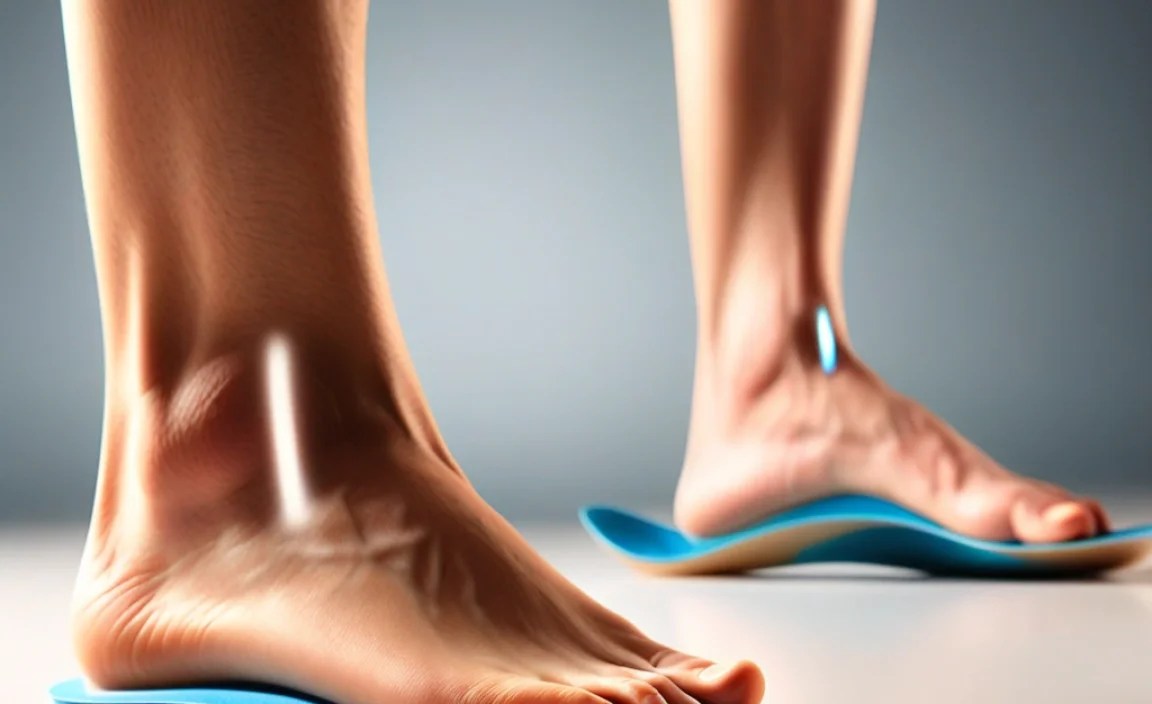
A leg length discrepancy, or LLD, is pretty much what it sounds like: one of your legs is measurably shorter than the other. This difference can be small, just a few millimeters, or quite significant. It’s important to understand that LLDs aren’t always obvious at first glance. Many people live with mild discrepancies without even realizing it, attributing symptoms like fatigue or minor aches to other causes. However, even a slight difference can influence how you walk, stand, and bear weight, potentially leading to a cascade of issues throughout your musculoskeletal system.
Causes of Leg Length Discrepancy
LLD can pop up for a few different reasons. Some people are born with it, meaning the difference was present from birth. This is often referred to as a congenital LLD. Other times, it can develop later in life due to injury. A fracture that doesn’t heal perfectly straight, an injury to a growth plate in a developing leg, or even certain surgical procedures can all contribute to a leg appearing shorter. Conditions that affect bone growth or density, like arthritis or certain pediatric conditions, can also play a role. Sometimes, it’s not the bone itself but issues with joints, muscles, or even footwear that can create the functional appearance of a shorter leg.
How LLD Affects Your Body
When one leg is shorter, your body tries its best to compensate. This often means tilting your pelvis to meet the shorter side, which can lead to:
- Uneven Posture: Your spine might curve to one side to keep your head level.
- Increased Stress on Joints: Your hips, knees, and even ankles on the longer leg side can experience more wear and tear. The shorter leg side might also develop issues as it’s forced to reach or stretch more.
- Muscle Imbalances: Muscles on one side of your body might become overused and tight, while those on the other side can weaken from underuse.
- Pain: This can manifest as lower back pain, hip pain, knee pain, or even foot pain (like plantar fasciitis) due to improper gait.
- Balance Issues: It can make you feel less stable, especially during activities that require balance.
Recognizing these signs is the first step toward finding relief. If you suspect you have an LLD, consulting a healthcare professional, like a podiatrist or physical therapist, is always a good idea to get a precise diagnosis and personalized advice.
Insoles: A Powerful Tool for LLD
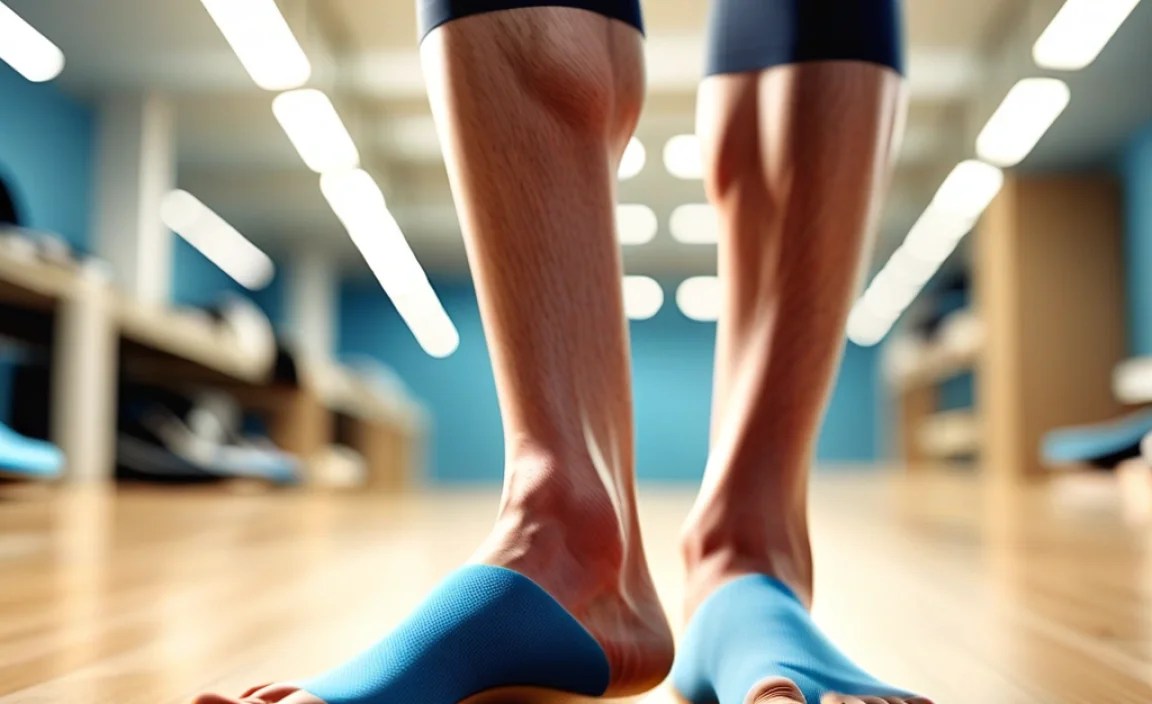
When it comes to managing a leg length discrepancy, insoles are often one of the first and most effective solutions recommended. They act as a simple yet powerful way to “level the playing field” for your legs without invasive procedures. Think of them as custom wedges that sit inside your shoes, subtly but effectively adding the cushioning and support needed to make up for that missing length.
How Insoles Help with LLD
Insoles for LLD work by providing a lift or elevation to the shoe worn on the shorter leg side. This lift helps to:
- Equalize Leg Length: The primary function is to add height to the shorter leg, bringing both legs to a more similar length. This immediate correction can alleviate much of the compensatory strain your body has been enduring.
- Improve Pelvic Alignment: By evening out the leg length, insoles help bring the pelvis back into a more neutral, level position, reducing tilting and associated back pain.
- Enhance Gait and Balance: A more even stride leads to better balance and a more natural walking pattern. This can reduce the risk of falls and improve overall mobility.
- Reduce Joint Stress: When legs are more even, the weight distribution across your hips, knees, and ankles becomes more balanced, lessening abnormal stress and potentially preventing long-term damage.
- Relieve Pain: By correcting the underlying biomechanical issue, insoles can significantly reduce or eliminate pain in the back, hips, knees, and feet.
The effectiveness of insoles depends on the severity of the LLD and the type of insole used. For mild to moderate discrepancies, off-the-shelf insoles with built-in heel lifts or customizable options can be very beneficial. For larger discrepancies, a more substantial lift might be needed, which can sometimes be built into custom orthotics or even a shoe modification.
Types of Insoles for LLD
When you’re looking for insoles to address an LLD, you’ll encounter a few different types. The best choice often depends on the degree of your discrepancy, the type of shoes you wear, and your personal comfort preferences.
Heel Lifts (Orthotic Inserts)
These are specifically designed to add height to the heel of the shoe. They are often made of firm but cushioning materials like cork, dense foam, or rubber. Heel lifts can be:
- Full-Length Insoles with a Built-in Lift: These cover the entire footbed and have a thicker heel section to provide elevation. They offer support throughout the foot while lifting the heel.
- Separate Heel Cups or Pads: These are smaller inserts that sit under the heel only. They are useful for very minor discrepancies or when you want to add a specific amount of lift to an existing insole.
Custom Orthotics
For more significant LLDs or when you have complex biomechanical issues, custom orthotics prescribed by a podiatrist or orthotist are often the best solution. These are made from molds of your feet and precisely built to your specifications, including the exact amount of lift needed. Custom orthotics offer:
- Perfectly calibrated height adjustment.
- Targeted support for your arch and foot structure.
- Superior comfort and durability.
Shoe Modifications
In some cases, particularly for larger LLDs, the lift might be permanently built into the sole of the shoe by a cobbler or shoe repair specialist. This is a more robust solution for substantial discrepancies, ensuring the lift is stable and integrated with the shoe.
Choosing the Right Insole
When selecting insoles for an LLD, consider these factors:
- Amount of Lift Needed: This is the most crucial factor. A healthcare professional can help determine the precise measurement.
- Shoe Compatibility: Ensure the insole fits comfortably in your preferred shoes. Some thick insoles might require shoes with more depth.
- Material and Cushioning: Look for materials that offer both support and shock absorption for comfort during everyday activities.
- Activity Level: If you’re active, you’ll need insoles designed for performance that can withstand more impact.
It’s always best to consult with a podiatrist or physical therapist. They can accurately measure your LLD, assess your gait, and recommend the most appropriate type of insole or shoe modification for your specific needs. They can also help you understand if your LLD requires more than just an insole, such as specific exercises or physical therapy.
How to Use Insoles for Leg Length Discrepancy

Once you have the right insoles, using them correctly is key to experiencing their full benefits. It’s not just about placing them in your shoes; it’s about gradual adaptation and mindful wear.
Step-by-Step Guide to Using Your Insoles
Here’s a simple process to get you started:
- Prepare Your Shoes: Remove any existing insoles or inserts from the shoes you plan to wear on your shorter leg side. This ensures the new insole fits properly and provides the intended level of correction.
- Insert the Insole: Place the insole into the shoe designed for your shorter leg. Ensure it sits flat against the bottom of the shoe, without bunching or folding.
- Gradual Introduction: It’s vital not to wear the new insoles for extended periods right away. Your body needs time to adjust to the new alignment.
- Day 1-3: Wear the insoles for just 1-2 hours per day.
- Day 4-7: Gradually increase wear time by an hour or two each day.
- Week 2 onwards: If you’re comfortable, you can start wearing them for longer periods during the day, as needed.
- Listen to Your Body: Pay close attention to how you feel. Some initial mild awareness or tightness is normal, but significant pain or discomfort is a sign to reduce wear time or re-evaluate the insole.
- Wear Them Consistently: For LLD management, consistent use is important. Try to wear them in your primary walking or standing shoes throughout the day.
- Check for Wear and Tear: Insoles, especially those with lifts, will eventually wear down. Inspect them regularly for signs of compression, loss of shape, or damage, and replace them as needed to maintain their effectiveness.
Tips for Comfort and Adjustment
Adapting to insoles, especially those designed for LLD, is a process. Here are some tips to make it smoother:
- Start Slow: Seriously, don’t rush it. Breaking in new footwear or inserts takes time.
- Wear Supportive Socks: Good socks can prevent blisters and add to overall comfort.
- Choose the Right Shoes: Ensure your shoes have enough depth and support to accommodate the insole. Running shoes, walking shoes, and sturdy boots are often good candidates.
- Adjust as Needed: If an insole feels too firm, consider a softer material. If the lift feels slightly off, a professional can often make minor adjustments.
- Hydration and Movement: Staying hydrated and gentle stretching can help your body adapt more readily.
Remember, the goal is to achieve comfortable, balanced alignment. If you experience persistent pain or discomfort, consult the professional who recommended or fitted your insoles.
When Insoles Might Not Be Enough
Insoles are fantastic for many leg length discrepancy issues, especially mild to moderate ones. They are accessible, relatively inexpensive, and can provide significant relief. However, for some individuals, insoles alone might not be the complete solution. Understanding these limitations helps in seeking the right comprehensive treatment plan.
Factors Requiring More Advanced Solutions
There are several scenarios where insoles might be part of a larger treatment strategy, or where more significant interventions are necessary:
- Significant Discrepancies: If the difference in leg length is substantial (often considered more than 1-2 cm or about half an inch), an insole or even a shoe modification might not provide enough lift or stability. In growing children, strategies to equalize leg length might involve techniques to slow growth in the longer leg or encourage growth in the shorter leg. In adults with large discrepancies, surgery to lengthen the bone, or surgical shortening of the longer leg, might be considered in specific cases, though these are major procedures with significant risks. Visit OrthoInfo by the American Academy of Orthopaedic Surgeons for more detailed information on surgical options related to LLD in children, which often informs approaches for adults.
- Complex Biomechanics: LLD can sometimes be accompanied by other foot or ankle deformities, or systemic conditions that affect posture and gait. In these complex cases, a simple lift might not address all the underlying issues.
- Rapidly Worsening Pain: If pain is severe, sudden, or worsening despite using insoles, it might indicate a more serious underlying problem that needs immediate medical attention.
- Impact on Athletic Performance: While insoles can help, elite athletes with very specific biomechanical needs may require highly specialized orthotics or training regimens to optimize performance and prevent injury.
- Functional vs. Anatomical LLD: Sometimes, the perceived leg length difference is “functional” rather than “anatomical” (a true difference in bone length). This can be caused by muscle tightness, joint restrictions, or pelvic misalignment. In such cases, physical therapy to address these functional issues might be the primary treatment, with insoles playing a secondary supportive role.
When to Seek Professional Help
It’s always recommended to consult with a healthcare professional for diagnosis and management of LLD. Here are key times to seek expert advice:
- Initial Diagnosis: If you suspect you have an LLD, a podiatrist, orthopedist, or physical therapist can perform tests to confirm it and measure the discrepancy accurately.
- Determining the Cause: Understanding whether your LLD is congenital, due to injury, or related to another condition is crucial for effective treatment.
- Receiving a Prescription for Insoles/Orthotics: Professionals can recommend the right type and correction amount for your needs.
- Persistent Pain or Discomfort: If pain doesn’t improve or worsens with insole use.
- Children with LLD: Early intervention is critical for children to ensure proper growth and development.
- Considering Shoe Modifications or Surgery: For significant discrepancies, professionals can discuss all available options.
A professional assessment ensures that you are treating the right issue with the most appropriate methods, maximizing your chances for comfort and long-term health.
DIY vs. Professional LLD Solutions
When faced with a leg length discrepancy, the DIY approach often comes to mind first. It’s tempting to try and fix things yourself with readily available materials. However, for a condition like LLD, professional guidance is usually the best path for sustainable relief and avoiding potential complications.
DIY Solutions and Their Limitations
Some people attempt to correct LLD at home by placing items like folded socks, thick pads, or store-bought insoles with a significant heel lift into their shoe. While these might offer a temporary feeling of improvement, they often have significant limitations:
- Inaccurate Correction: It’s very difficult to accurately measure and consistently apply the correct amount of lift at home. Too much or too little lift can worsen your problems.
- Poor Support: DIY solutions typically lack the proper structural support for your arch and heel. This can lead to new foot problems like plantar fasciitis, metatarsalgia, or arch collapse.
- Instability: Homemade lifts can shift or slide within the shoe, creating an unstable base that can lead to tripping or altered gait.
- Discomfort: Without proper contouring and cushioning, these solutions can cause pressure points, blisters, and general discomfort.
- No Gait Analysis: DIY methods don’t account for your unique walking pattern or other biomechanical issues you might have, which are vital considerations for LLD management.
While a simple, thin heel pad might be okay for a very minor, temporary issue, relying on DIY fixes for a diagnosed leg length discrepancy is generally not recommended for long-term health and comfort.
The Advantage of Professional Solutions
Professional solutions, whether they involve custom insoles (orthotics) or professionally recommended over-the-counter options, offer several distinct advantages:
Precision and Accuracy
Healthcare professionals (podiatrists, orthotists, physical therapists) use specialized equipment and their expertise to accurately measure your leg length discrepancy. They can also perform gait analysis to understand how this impacts your movement. This ensures the solution provided is precisely calibrated to your needs.
Customization and Support
Custom orthotics are made from molds of your feet. This allows them to:
- Incorporate the exact amount of lift required.
- Provide tailored arch support, heel cupping, and forefoot padding.
- Address any other biomechanical issues present in your feet or ankles.
Material Quality and Durability
Professionally made insoles and orthotics use high-quality, durable materials designed for optimal comfort, shock absorption, and longevity. They are built to withstand daily use and maintain their corrective properties over time.
Holistic Approach
A professional will consider your LLD within the context of your overall health and lifestyle. They can advise on:
- Appropriate footwear to ensure the orthotic works effectively.
- Exercises or stretches to complement the correction.
- When additional treatments, like physical therapy or even shoe modifications, might be necessary.
