Are you a landscaper struggling with sore feet after long days? Insoles designed for landscapers offer essential relief. They provide much-needed cushioning, arch support, and shock absorption to combat fatigue and pain, making those demanding days on your feet much more tolerable and promoting long-term foot health.
Working as a landscaper is physically demanding. You’re on your feet for hours, often on uneven terrain, carrying heavy tools, and exposed to various weather conditions. By the end of the day, your feet can feel like they’ve run a marathon. This constant stress can lead to significant discomfort, fatigue, and even long-term foot problems. But there’s good news! The right insoles can be a game-changer, offering the support and cushioning needed to make those long days more manageable. In this guide, we’ll explore how insoles can provide essential relief for landscapers and help you keep your feet happy and healthy, no matter how tough the job.
Why Landscapers Need Special Foot Support

Landscaping is more than just digging and planting; it’s a job that puts exceptional stress on your feet. Unlike an office job where smooth floors and limited walking are the norm, your work environment is dynamic and challenging.
- Constant Standing and Walking: You’re on your feet for most of your shift, covering significant distances on varied surfaces.
- Uneven Terrain: Walking on grass, soil, gravel, and slopes puts uneven pressure on your foot’s arches and joints.
- Heavy Lifting and Vigorous Movements: Pushing wheelbarrows, carrying equipment, and bending down repeatedly add to the strain.
- Impact and Shock: Every step on hard ground sends shockwaves through your feet and legs.
- Weather Conditions: Extreme heat or cold can affect your feet’s comfort and circulation, and wet conditions pose slip risks.
These factors combined can lead to common but painful conditions like plantar fasciitis (heel pain), arch pain, fatigue, blisters, and even knee or back pain due to poor foot alignment.
Understanding Insoles: More Than Just Padding
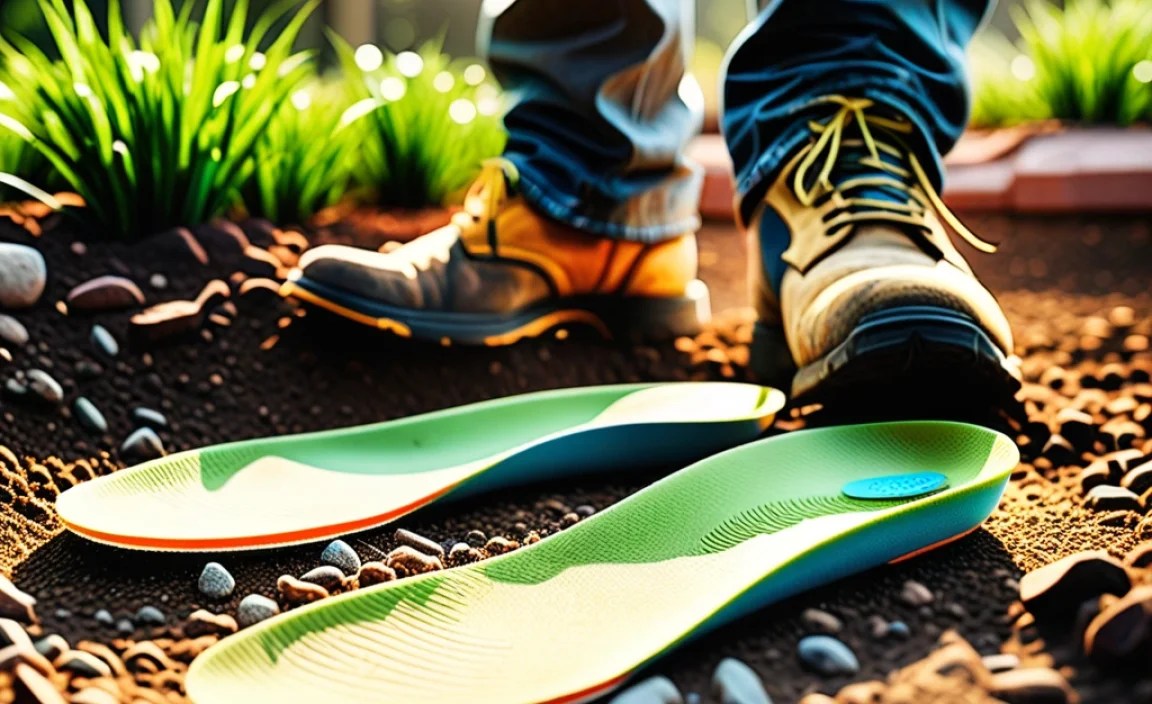
Insoles, also known as orthotics or shoe inserts, are designed to be placed inside your footwear to enhance comfort, support, and performance. They are not just simple foam or gel pads; they are engineered to address specific biomechanical issues and provide targeted relief. For landscapers, the key benefits of quality insoles include:
- Cushioning: Absorbs shock from impact, reducing stress on your feet, ankles, and knees.
- Arch Support: Helps maintain the natural shape of your foot’s arch, preventing it from collapsing and distributing weight more evenly.
- Heel Support: Cups the heel to provide stability and reduce jarring impact.
- Alignment: Can help correct mild pronation (inward rolling of the foot) or supination (outward rolling), promoting better posture.
- Moisture Wicking: Some insoles are designed to draw sweat away from your feet, keeping them drier and more comfortable.
- Odor Control: Materials can be treated to minimize bacterial growth and odor.
Choosing the Right Insoles for Landscaping: Key Features

Not all insoles are created equal, and what works for an office worker might not be sufficient for a landscaper. When selecting insoles for long, demanding days in the field, look for these crucial features:
Durability and Robust Construction
Your insoles will be subjected to a lot of abuse. They need to be made from materials that can withstand constant stress, moisture, and abrasion without breaking down quickly. Look for insoles with reinforced heels and robust cushioning layers.
Superior Shock Absorption
This is paramount. With every step on hard or uneven ground, your feet absorb impact. Insoles with advanced shock-absorbing materials, like EVA foam, polyurethane, or specialized gel inserts, will significantly reduce this stress.
Targeted Arch Support
Landscapers often deal with plantar fasciitis or arch strain. Insoles with firm, yet flexible, arch support are essential. The level of support needed can vary based on your foot type (high arch, flat arch, or neutral arch). Medium or firm arch support is typically recommended.
Deep Heel Cups
A deep heel cup stabilizes the heel, preventing excessive motion and absorbing shock. This is vital for providing a secure base for your foot and protecting the heel bone.
Moisture Management and Breathability
Working outdoors means dealing with sweat, and sometimes water. Insoles with breathable top layers and moisture-wicking properties can keep your feet drier, more comfortable, and help prevent blisters and odor.
Comfortable but Firm Feel
While cushioning is important, you don’t want insoles that are too soft. Excessive softness can lead to instability. You need a balance of cushioning and firmness to provide support without feeling mushy or unstable.
Activity-Specific Design
Some brands offer insoles specifically designed for “work boots” or “standing all day.” These are often engineered with the demands of such activities in mind.
Types of Insoles for Landscapers

Insoles can generally be categorized by their level of support, cushioning, and intended use. For landscapers, a hybrid approach, prioritizing support and durability, is usually best.
Support Insoles (Orthotic Inserts)
These are designed to provide structured support to the foot’s natural biomechanics. They often feature a rigid or semi-rigid shell that cradles the heel and supports the arch. They are excellent for correcting mild to moderate overpronation or supination and are a top choice for long days on rough terrain.
Cushioning Insoles
While good for general comfort, standard cushioning insoles alone might not offer enough structural support for the rigorous demands of landscaping. However, insoles that combine substantial cushioning with good arch and heel support can be very effective.
Work Boot Insoles
These are specifically engineered for the unique challenges of work boots and demanding jobs. They typically offer a combination of durability, shock absorption, arch support, and sometimes features like anti-fatigue technology.
| Insole Type | Best For Landscapers When… | Key Benefits | Potential Drawbacks |
|---|---|---|---|
| Support Insoles | Experiencing arch pain, plantar fasciitis, or foot fatigue from uneven terrain. | Excellent arch and heel support, improved foot alignment, durability. | Can feel stiff initially; may require a break-in period; can be more expensive. |
| Work Boot Insoles | Your primary footwear is work boots; you need robust, all-around protection. | High durability, superior shock absorption, tailored for work boot fit. | May vary widely in quality; some can be bulky. |
| Heavy-Duty Cushioning Insoles | You need extra shock absorption and comfort on hard surfaces, with moderate arch support. | Significant cushioning, reduced impact stress. | May lack the structural support for severe foot issues; can wear out faster than support insoles. |
How Insoles Help Prevent Common Landscaping Foot Problems
The chronic stress of landscaping work can lead to several common ailments. Here’s how the right insoles act as preventative medicine for your feet:
Plantar Fasciitis (Heel Pain)
This occurs when the plantar fascia, a thick band of tissue running across the bottom of your foot, becomes inflamed. Insoles with firm arch support and heel cushioning help distribute pressure more evenly, reduce strain on the plantar fascia, and absorb shock, preventing the repetitive micro-tears that cause inflammation.
Arch Strain and Fatigue
When your arches flatten or over-engage due to prolonged standing and uneven surfaces, they strain. Supportive insoles help maintain the arch’s natural structure, reducing muscle fatigue and the aching sensation at the end of the day. Some studies suggest that proper orthotics can improve foot biomechanics and reduce the risk of injury in physically demanding occupations.
Metatarsalgia (Pain in the Ball of the Foot)
This type of pain often results from excessive pressure on the ball of the foot. Insoles with good cushioning and metatarsal pads can help redistribute weight away from this sensitive area and absorb shock.
Knee, Hip, and Back Pain
Your feet are the foundation of your body. Misalignment or excessive shock absorption from your feet can create a ripple effect, causing pain higher up your kinetic chain. By improving foot alignment and shock absorption, supportive insoles can contribute to better posture and reduce stress on joints and the spine.
How to Use Insoles Effectively
Simply buying the right insoles isn’t enough; proper usage ensures you get the most benefit and avoid potential issues.
1. Choose Your Insoles Wisely
As discussed, select insoles with durability, shock absorption, and adequate arch and heel support suited to your specific foot needs.
2. Break Them In Gradually
New insoles can take some getting used to. Start by wearing them for a few hours each day, gradually increasing the time as your feet adapt. This is especially important for more rigid support insoles. Trying to wear them for a full 10-hour workday immediately can lead to discomfort.
3. Ensure Proper Fit in Your Boots
Most insoles are designed to replace the existing factory insoles in your work boots. Remove the original insoles before inserting the new ones. If your boots are already a snug fit, adding insoles might make them too tight, so consider this when purchasing.
4. Pay Attention to Your Foot’s Needs
Listen to your body. If an insole causes new pain or discomfort, it might not be the right fit, or you may need to adjust how you’re using them. Consult with a foot specialist if problems persist.
5. Regular Replacement
Even the best insoles wear out. Depending on the material and how much you use them, they typically last between 6 to 12 months. Look for signs of wear, like flattened cushioning, compressed arch support, or torn materials. Replacing them regularly ensures you continue to receive optimal support and comfort.
When to Consider Professional Orthotics
While over-the-counter insoles can provide significant relief, there are situations where custom or semi-custom orthotics from a podiatrist or medical professional are recommended:
- Severe Foot Pain: If you experience intense or persistent pain that doesn’t improve with over-the-counter options.
- Specific Medical Conditions: For conditions like severe diabetes-related foot issues, significant deformities, or certain types of arthritis.
- Athletic Performance Demands: For landscapers who also participate in high-impact sports, custom orthotics can be tailored for peak performance and injury prevention.
- Post-Injury Rehabilitation: Following a significant foot or ankle injury.
Professional orthotics are custom-molded to your feet and can address very specific biomechanical issues that general insoles cannot. The American Podiatric Medical Association (APMA) recommends consulting a podiatrist for foot pain that interferes with daily activities.
Top Features to Look for in Landscaper Insoles: A Quick Checklist
Durable, high-density foam (EVA or polyurethane) for cushioning and support.
Firm, contoured arch support to prevent pronation and maintain foot shape.
Deep heel cup for stability and shock absorption.
Breathable top cover with moisture-wicking properties.
Resilient materials that won’t flatten out quickly.
Anti-fatigue technology (often found in specialized work insoles).
DIY Foot Care Tips for Landscapers
Beyond insoles, integrating good foot care habits into your routine can make a huge difference.
- Hydration: Drink plenty of water to keep your tissues healthy.
- Stretching: Perform simple foot and calf stretches before and after work.
- Foot Soaks: Epsom salt soaks can help soothe tired muscles and reduce inflammation.
- Proper Footwear: Ensure your work boots fit properly, are well-maintained, and offer good ankle support. Many experts emphasize that the foundation of good foot health starts with appropriate footwear, and insoles enhance this base.
- Listen to Your Body: Don’t push through severe pain. Rest when you can, and seek professional advice if pain is persistent.
- Hygiene: Keep your feet clean and dry, and change socks if they become damp during the day.
Insole Brands Worth Considering for Landscapers
While specific model recommendations can change and personal preference is key, certain brands are known for producing durable, supportive insoles suitable for demanding work. Look for product lines that cater to “work,” “heavy impact,” or “all-day standing.” Some brands that people often find effective include:
- Superfeet: Known for their structured support and durability, with several models suitable for work boots.
- SOLEMATE: Offers robust support and comfort designed for active lifestyles and long hours on your feet.
- Powerstep: Provides a good balance of cushioning and firm arch support, offering specific models for work shoes.
- Dr. Scholl’s (Work Line): While a broad brand, their specific “work” or “heavy duty” lines are designed to withstand more strenuous use and offer enhanced support.
- Timberland PRO Anti-Fatigue Technology Insoles: Often integrated into their boots or available separately, these offer excellent shock absorption and energy return.
When choosing, read reviews from other landscape professionals or individuals in similar physically demanding jobs to gauge real-world performance.
Frequently Asked Questions About Insoles for Landscapers
Q1: How often should I replace my insoles?
For landscapers, daily wear and tear are significant. You should plan to replace your insoles every 6 to 12 months, or sooner if you notice the cushioning has flattened or the arch support feels less effective.
Q2: Can insoles really help with back pain?
Yes, they can. Poor foot alignment and inadequate shock absorption can cause your body to compensate, leading to strain in your knees, hips, and lower back. By improving your foot’s foundation, insoles can help alleviate this chain reaction of discomfort.
Q3: Are supportive insoles uncomfortable at first?
Some supportive insoles, especially those with a firmer arch, might feel different and require a short break-in period. Start wearing them for a few hours a day and gradually increase the duration as your feet adjust.
Q4: What’s the difference between insoles and orthotics?
Insoles (or inserts) are generally over-the-counter products offering cushioning and mild support. Orthotics are typically custom-made or semi-custom devices prescribed by a podiatrist to correct specific biomechanical issues. For many landscapers, high-quality over-the-counter insoles provide ample benefits.
Q5: Can I use insoles in any type of shoe?
Insoles are most effective when used in shoes that offer a good base, such as sturdy work boots or athletic shoes. They are less effective in flimsy or unsupportive footwear like sandals or casual slip-ons where there’s no structure to begin with.
Q6: How do I know if I need arch support?
If you experience pain along the arch of your foot, feel your feet flattening out during the day, or have been diagnosed with conditions like plantar fasciitis or fallen arches, you likely benefit from arch support. Observing your feet’s wear patterns on old shoes can also give clues: excessive wear on the inside edge of the sole can indicate pronation, which often requires arch support.
Conclusion: Invest in Your Foot Health, Invest in Your Work
The life of a landscaper is physically demanding, and your feet bear the brunt of it. The persistent standing, walking on uneven ground, and heavy lifting take a toll, leading to pain, fatigue, and potential long-term issues. Fortunately, “insoles for landscapers long days” aren’t just a comfort accessory; they are an essential tool for maintaining foot health and enduring the work.
By choosing insoles that offer robust cushioning, superior shock absorption, and firm arch support, you can significantly alleviate discomfort, prevent common foot ailments, and improve your overall well-being on the job. Remember to break them in gradually, ensure they fit well in your work boots, and replace them as they wear out. Investing in the right insoles is an investment in your ability to perform your job comfortably and to protect your foot health for years to come. So, step up your foot game, and make those long days on the job a whole lot easier.
