Quick Summary: For lab technicians who stand all day, the right insoles are key to comfort and foot health. Look for supportive, cushioned insoles that offer arch support and good shock absorption to reduce fatigue and prevent pain. Investing in quality insoles can significantly improve your workday.
Working in a lab often means being on your feet for hours at a time. Whether you’re meticulously pipetting, checking samples, or moving between stations, prolonged standing can take a toll on your feet and your overall well-being. You might start to feel aches, pains, or a general tiredness that makes it hard to focus on your critical work. But don’t worry, there’s a simple yet effective solution to help you stay comfortable and pain-free throughout your demanding shifts. It all starts with understanding the benefits of specialized insoles designed for standing professions like yours.
In this guide, we’ll dive into why standing all day is tough on your feet and how the correct insoles can transform your experience. We’ll explore the features that make an insole ideal for lab technicians, offer practical advice on choosing the best pair, and share tips for their use and care. Get ready to step into a world of enhanced comfort and better foot health!
We’ll cover:
- The unique demands of standing in a lab environment.
- Key features to look for in insoles for lab technicians.
- A step-by-step guide to selecting your perfect insoles.
- How to properly break in and care for your new insoles.
- And much more to ensure your feet feel great, shift after shift.
Why Lab Technicians Need Special Foot Support
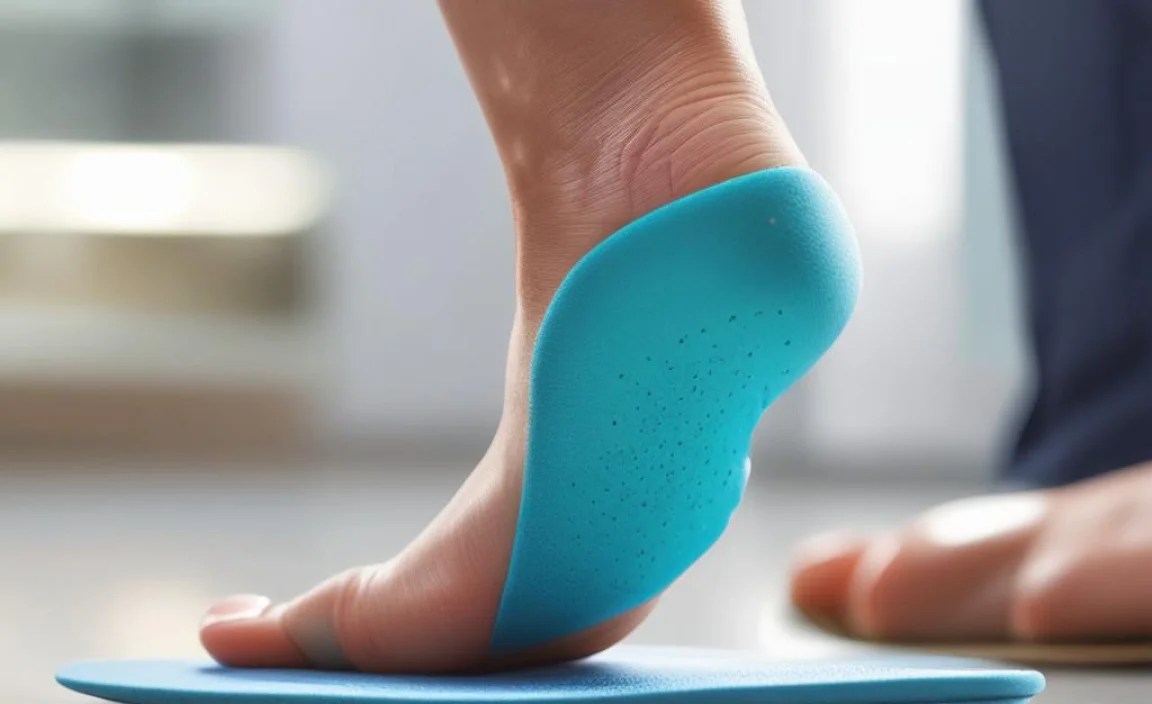
Lab technicians perform a vital role, often in environments that are ergonomically challenging. The continuous standing required can lead to a variety of foot-related issues if proper support isn’t in place. These can range from simple fatigue and soreness to more complex conditions like plantar fasciitis, heel spurs, and metatarsalgia (pain in the ball of the foot).
The nature of the work itself adds to the challenge. Lab environments often have hard floors (tile, concrete) that offer little natural cushioning. Technicians are frequently focused on detailed tasks, which can lead to a less-than-ideal posture, putting extra strain on the feet, ankles, and even the back. Moreover, the need for safety often dictates the type of footwear worn, which might not always be designed for maximum comfort during extended periods of standing. This is where strategic support from insoles becomes not just a luxury, but a necessity.
Consider the typical lab workflow: long periods of static standing, occasional walking between workstations, and demanding concentration. All of these factors contribute to foot stress. Without adequate shock absorption and arch support, the natural cushioning of your feet gradually diminishes, leaving them vulnerable to the repetitive impact of standing. Specialized insoles act as a vital buffer, absorbing shock and redistributing pressure points that can cause discomfort and pain.
Essential Features of Insoles for Lab Technicians Standing

Not all insoles are created equal, and for the specific demands of a lab technician’s workday, certain features are paramount. Finding the right insole means looking beyond basic cushioning and focusing on supportive elements that address the realities of prolonged standing on hard surfaces.
1. Superior Cushioning and Shock Absorption
This is arguably the most critical feature. The hard flooring common in labs offers no natural shock absorption. Insoles should provide a substantial layer of cushioning that can absorb the impact of each step and the pressure of standing. Materials like EVA foam, gel, or advanced memory foam are great for this. They help to reduce the stress placed on your feet, ankles, and knees throughout the day, preventing that tired, achy feeling.
Think of it this way: your feet are the first point of contact with a hard surface. Without a good buffer, every bit of impact travels up your leg. High-quality insoles act as that buffer, making a significant difference in comfort over an 8-10 hour shift. The denser the cushioning, generally the better the shock absorption and durability.
2. Robust Arch Support
Your arches are natural shock absorbers and help to distribute your body weight evenly. When you stand for long periods, especially on hard surfaces, the arches can become fatigued or even collapse slightly if not properly supported. Insoles with contoured arch support help maintain the natural alignment of your feet, preventing overpronation (when the arch collapses inward) or supination (when the arch rolls outward). This support is crucial for preventing conditions like plantar fasciitis and metatarsalgia.
Arch support isn’t just about comfort; it’s about biomechanical alignment. When your arches are properly supported, your entire kinetic chain – from your feet to your hips – functions more efficiently. This can reduce strain on your ankles, knees, and lower back. The type of arch support you need (e.g., moderate, firm, high) often depends on your foot type (flat feet, neutral arches, high arches).
3. Heel Cup and Stability
A properly designed heel cup helps to cradle your heel, providing stability and preventing excessive movement within your shoe. This is important for overall foot alignment and can help reduce the risk of ankle sprains or strains. A deep heel cup also contributes to shock absorption and can help cushion your heel bone, which is a common site for pain, especially for those suffering from heel spurs or plantar fasciitis.
Stability is key in static standing. Your feet need to remain in a neutral, supported position. A good heel cup ensures your foot isn’t sliding around, which can lead to blisters and general discomfort. It also helps to keep the foot’s natural fatty pad in place, providing an additional layer of cushioning directly under the heel bone.
4. Breathability and Moisture-Wicking Properties
Lab environments can sometimes be warm, and standing for long periods can lead to sweaty feet. Poorly ventilated insoles can create a breeding ground for bacteria, leading to odor and increasing the risk of fungal infections like athlete’s foot. Look for insoles made with breathable materials or those that incorporate moisture-wicking fabrics to keep your feet dry and comfortable. Some even have antimicrobial treatments to help control odor.
Keeping your feet dry is not just about comfort; it’s about foot health. Moist skin is more susceptible to friction, blisters, and infections. Breathable materials allow air to circulate, while moisture-wicking fabrics pull sweat away from your skin, helping to regulate temperature and prevent discomfort.
5. Durability and Material Quality
You need insoles that can withstand the rigors of daily use in a demanding environment. Cheaply made insoles will quickly compress and lose their cushioning and support, rendering them ineffective. Opt for well-constructed insoles from reputable brands that use high-quality, durable materials. While they might be a larger initial investment, durable insoles will last longer, providing consistent comfort and support, ultimately saving you money in the long run.
Consider the lifespan of an insole. Cheaper options might compress in just a few months, meaning you’ll be buying replacements more often. Investing in quality means you get consistent support and cushioning for a longer period. Look for materials that are known for their resilience and ability to maintain their shape and function over time.
6. Non-Slip Surface
While not always a primary feature, some insoles incorporate a non-slip surface on the top layer. This can be beneficial in preventing your foot from sliding around inside your shoe, especially if the shoe itself has a smooth interior. This adds an extra layer of stability and can help prevent blisters caused by friction.
Choosing the Right Insoles for Your Lab Work

Selecting the perfect insoles can feel overwhelming with so many options available. Here’s a simplified approach to help you find the best fit for your needs as a lab technician who spends a lot of time on your feet.
Step 1: Understand Your Foot Type and Arch Height
Your foot’s arch plays a significant role in how it supports your weight and absorbs shock. Knowing your arch type helps you choose insoles that offer the correct kind of support. You can determine your arch type with the “wet test”:
- Step onto a piece of paper or cardboard with a wet foot.
- Examine the imprint.
- High Arch: You’ll see only your heel and the ball of your foot, with a very thin or no connection between them. This foot type often needs more cushioning and support to absorb shock.
- Neutral Arch: You’ll see about half of your arch area. This is a common foot type that generally benefits from moderate support and cushioning.
- Flat Arch (Low Arch): You’ll see most of your foot’s imprint, with little to no curve. This foot type often benefits from insoles that provide firmer arch support to help control pronation.
You can also assess your current shoes. If the wear pattern is heavily on the inside edge, you might overpronate (often due to flatter arches). If it’s on the outside edge, you might supinate (often associated with higher arches).
Step 2: Consider Your Shoe Type
Lab technicians often wear specific types of shoes for safety and hygiene, such as comfortable, closed-toe shoes, clogs, or dedicated lab footwear. The insole needs to fit well within these shoes without making them too tight or changing the fit negatively.
Consider the depth of your shoe’s existing footbed. Some shoes have a removable insole that you can simply replace. Others have a fixed, shallow footbed. For shoes with shallow footbeds, you might need a lower-profile insole. For clogs or shoes with deeper interiors, you can often accommodate thicker, more cushioned insoles.
Step 3: Identify Your Primary Pain Point or Comfort Goal
What are you trying to achieve with insoles? Are you experiencing:
- General fatigue and soreness?
- Sharp heel pain (plantar fasciitis)?
- Pain in the ball of the foot (metatarsalgia)?
- Ankle or knee discomfort?
Different insoles are designed to target specific issues. For instance, insoles with deep heel cups and extra heel cushioning are great for heel pain. Those with metatarsal pads can help relieve pressure on the ball of the foot. For general fatigue, a balanced approach of cushioning and arch support is often best.
Step 4: Look for Specific Materials and Technologies
As mentioned earlier, focus on insoles made from quality materials. Here’s a quick reference:
| Material/Technology | Benefit |
|---|---|
| EVA Foam | Lightweight, good cushioning, shock absorption. Common in many supportive insoles. |
| Memory Foam | Molds to the foot for personalized cushioning and pressure relief. Can sometimes retain heat. |
| Gel Inserts | Excellent for shock absorption, especially in the heel and forefoot. Durable. |
| OrthoLite® (or similar proprietary foams) | Breathable, moisture-wicking, antimicrobial properties, long-lasting cushioning. |
| Carbon Fiber | Rigid and supportive, often used in medical-grade orthotics for maximum stability and motion control. May be too firm for some. |
Step 5: Try Before You Buy (If Possible) or Check Return Policies
If you can, try on insoles in a store to feel the difference. Many online retailers offer generous return policies, allowing you to try them at home and send them back if they don’t meet your expectations. This is crucial because foot comfort is very personal.
Step 6: Read Reviews from Similar Professions
Look for reviews from people in similar jobs or who have similar foot concerns. While a marathon runner’s needs might differ, someone working long shifts on their feet in a healthcare or retail setting can offer valuable insights. Search for terms like “insoles for standing all day,” “best insoles for nurses,” or “how to make work shoes more comfortable.”
Top Insole Types for Lab Technicians
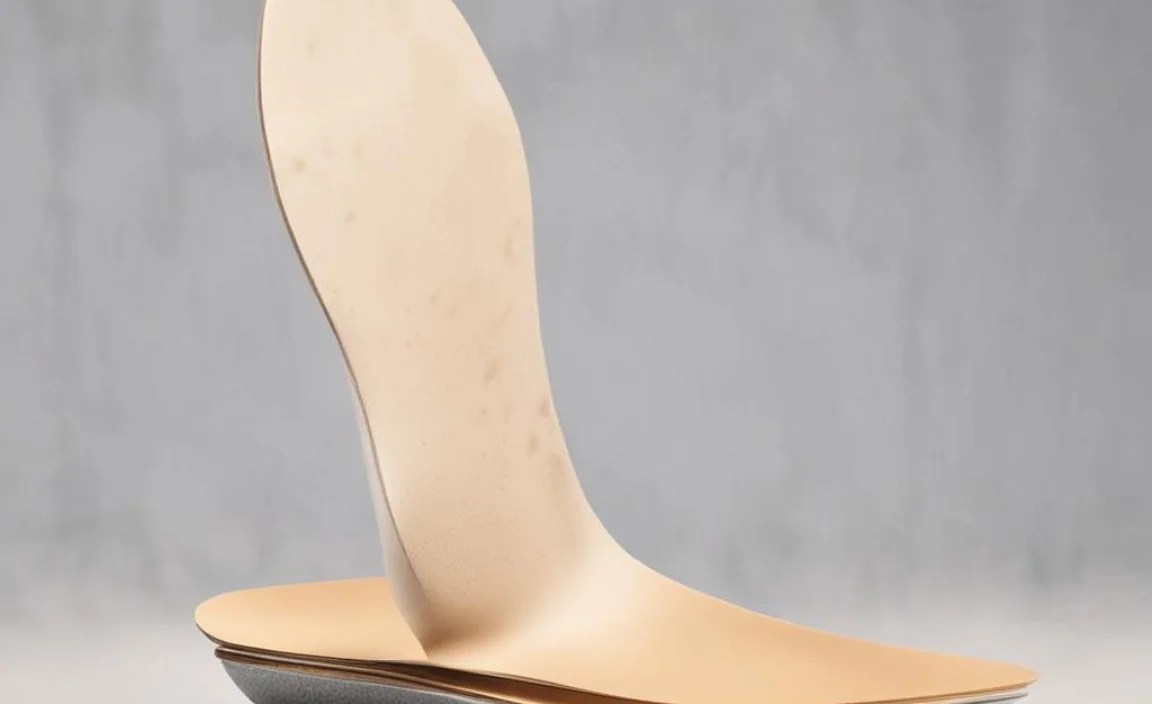
Based on the needs of lab technicians, here are the types of insoles that are often recommended:
1. Supportive/Orthotic Insoles
These insoles are designed to provide significant arch support and help correct foot mechanics. They often have a semi-rigid or rigid structure to provide maximum stability and control over pronation. They are excellent for preventing conditions like plantar fasciitis and general foot fatigue.
2. Cushioned Insoles
While support is vital, don’t underestimate the power of superior cushioning. Many cushioned insoles offer gel pads or thick EVA foam layers that greatly enhance shock absorption. These are great for general comfort and reducing impact, especially if you don’t have significant biomechanical issues.
3. Combination Insoles
The ideal insole often blends both features. These insoles provide a good amount of cushioning for shock absorption while also featuring a contoured design that offers substantial arch support and heel stability. This balance makes them a versatile choice for long hours of standing.
4. Activity-Specific Insoles
Some brands offer insoles specifically designed for people who are on their feet all day. These might incorporate features like enhanced heel padding, forefoot cushioning, and durable materials tailored for prolonged standing.
How to Use and Care for Your New Insoles

Getting the right insoles is only half the battle. Properly using and caring for them ensures they provide maximum benefit and longevity.
1. The Break-In Period
Your feet might need a little time to adjust to new insoles, especially if they offer more support than your previous footwear. It’s a good idea to gradually introduce them into your routine:
- Day 1-2: Wear your new insoles for a few hours at a time, perhaps during less demanding parts of your shift or outside of work.
- Day 3-5: Increase the duration you wear them. If you feel any discomfort, remove them and give your feet a break.
- After a week (or as needed): You should be able to wear them for your entire shift comfortably.
Listen to your body. If you experience persistent pain, it might be a sign that the insoles aren’t the right fit for your feet or that your foot requires professional assessment by a podiatrist. For a brief explanation on foot biomechanics and why proper support matters, resources from organizations like the American Podiatric Medical Association (APMA) can be very informative.
2. Proper Placement
First, remove the original insoles from your lab shoes if they are removable. If your shoes don’t have removable insoles, you might be able to place the new insoles on top, provided there’s enough space and they don’t make the shoes too tight or uncomfortable. Place the new insoles into your shoes, ensuring they lie flat and are positioned correctly according to their design (e.g., the arch support lines up with your natural arch).
3. Cleaning Your Insoles
Regular cleaning is essential for hygiene and to prolong the life of your insoles.
- Spot Cleaning: For minor dirt or spills, use a damp cloth with mild soap and water. Rinse the cloth and wipe away any soap residue.
- Hand Washing: For a more thorough clean, hand wash the insoles in cool water with a small amount of gentle detergent. Gently scrub with a soft brush if needed.
- Drying: This is critical! NEVER put insoles in a washing machine or dryer, as the heat and tumbling can damage them. Always air dry them thoroughly away from direct heat or sunlight. Ensure they are completely dry before putting them back into your shoes to prevent odor and mildew.
It’s a good practice to have a second pair of insoles to swap out while the other pair is air-drying. This ensures you always have support in your shoes.
4. Storage When Not in Use
If you tend to switch shoes throughout the day or take your shoes off at work, store your insoles properly. Keeping them flat and protected (e.g., in a small bag or dedicated compartment) will help maintain their shape and prevent damage.
Insoles vs. Orthotics: What’s the Difference?
While often used interchangeably, there’s a distinction between over-the-counter insoles and custom or semi-custom orthotics.
- Insoles (or Orthotic Inserts/Arch Supports): These are generally available in shoe stores or online. They are designed to provide cushioning, arch support, and shock absorption. While they can significantly improve comfort and address common foot pain, they are mass-produced and may not perfectly match individual foot anatomy.
- Orthotics (Custom or Prescription Orthotics): These are custom-made devices prescribed by a healthcare professional, such as a podiatrist or orthopedist. They are designed to precisely fit your feet and correct specific biomechanical issues. Custom orthotics are typically more rigid, more supportive, and significantly more expensive.
For most lab technicians seeking relief from standing discomfort, high-quality over-the-counter insoles can be.
