Quick Summary: Yes, adding insoles to your lab clogs can dramatically boost comfort and support, transforming them into personal havens for your feet. Choose insoles designed for arch support and cushioning to combat fatigue and pain, especially during long shifts.
Insoles for Lab Clogs Support: Genius Comfort for Your Hardworking Feet

Spend enough time on your feet in a lab setting, and you quickly learn that comfort isn’t a luxury – it’s a necessity. Many professionals, from researchers to technicians, rely on clogs for their ease of wear and protective qualities. However, even the best lab clogs can leave your feet aching after hours of standing, walking, and constant motion. The good news? There’s a simple, effective solution: insoles. These unsung heroes can transform your clogs from basic footwear into personalized support systems, offering a genius level of comfort you might not have thought possible.
If your feet feel tired, sore, or unsupported by the end of your workday, you’re not alone. Many standard-issue clogs lack the advanced cushioning and arch support needed for prolonged wear, leading to discomfort that can impact your focus and overall well-being. But don’t worry; improving your comfort is achievable with the right understanding and a few key insights into what makes an insole truly work for lab environments. We’ll walk through everything you need to know to select and use insoles that will make your lab clogs a joy to wear. Get ready to discover the secret to happy, supported feet all day long!
Why Your Lab Clogs Might Need a Little Extra Help
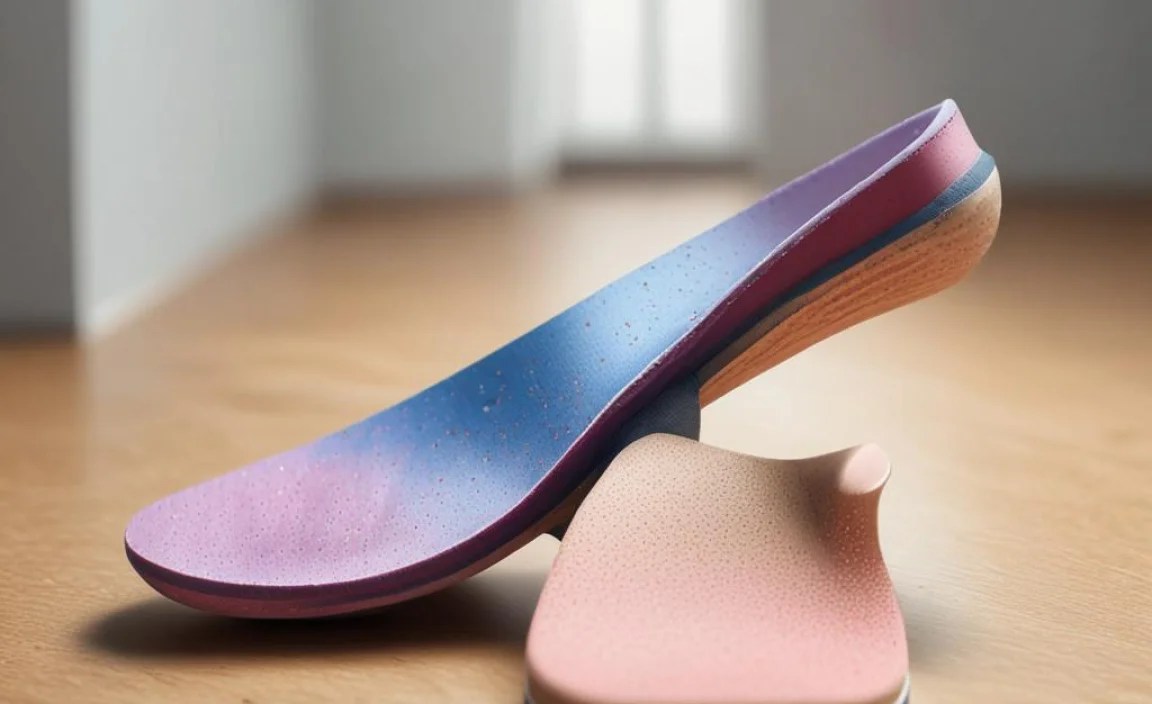
Lab clogs are designed with specific needs in mind: they’re typically easy to clean, offer some level of protection from spills, and provide a secure fit that’s crucial in a dynamic work environment. However, their utilitarian design often means they fall short when it comes to personalized comfort and long-term foot health. Many are made with rigid materials that don’t adapt to your unique foot shape or provide adequate shock absorption. This can lead to a cascade of issues, including:
- Foot fatigue and soreness
- Plantar fasciitis pain
- Arch strain and collapse
- Heel pain
- Knee and back discomfort due to poor alignment
- Increased pressure points
Think of your clogs as a sturdy shell. Insoles are the customized, supportive padding that fills that shell perfectly, adapting to your foot’s contours and needs. They provide that extra layer of cushioning and stability that standard clogs often miss.
Understanding Insole Basics for Lab Environments

Not all insoles are created equal, especially when you need them to perform in a lab setting. Here’s a breakdown of what to look for:
Types of Insoles
Insoles generally fall into a few categories, each offering different benefits:
- Cushioning Insoles: These are all about shock absorption and soft comfort. They’re great for reducing impact and making hard surfaces feel softer. If your primary complaint is general foot soreness, these are a good starting point.
- Support Insoles (often called Orthotic Insoles): These are designed to provide structure and support to your feet, helping to correct or improve your natural arch and alignment. They can help redistribute pressure away from sore spots and improve posture.
- Stability Insoles: A hybrid, offering both cushioning and structure. These are often ideal for prolonged standing, as they aim to control foot motion while providing comfort.
- Specialty Insoles: Some insoles offer specific features like odor control, moisture-wicking, or added heel cups for extra stability.
Key Features to Look For in Lab Cloq Insoles
When choosing insoles for your lab clogs, consider these important features:
- Arch Support: This is crucial. Look for insoles that match your arch height – whether it’s low, neutral, or high. Proper arch support helps distribute weight evenly, reducing strain on your feet, ankles, and even your back.
- Cushioning Level: Given the hard surfaces and long hours, you’ll want ample cushioning. This absorbs shock, reduces impact on your joints, and provides a softer feel. Gel or foam materials are common and effective.
- Heel Cup: A well-defined heel cup helps stabilize the heel, preventing excessive side-to-side motion and providing better shock absorption at the point of impact.
- Material: Breathable materials are a bonus, helping to keep your feet drier and cooler, which is especially important in demanding work environments. Look for materials that wick away moisture.
- Durability: Lab work can be tough on shoes. Choose insoles made from high-quality materials that won’t flatten or break down quickly under pressure.
- Trim-to-Fit: Most insoles are designed to be trimmed to your specific shoe size. This ensures a snug, secure fit within your clogs without slipping or bunching.
Choosing the Right Insoles: A Step-by-Step Guide
Selecting the perfect insoles for your lab clogs doesn’t have to be complicated. Follow these steps:
Step 1: Identify Your Primary Foot Issue
Before you shop, think about what bothers you most. Is it general soreness? Sharp heel pain? Arch fatigue? Understanding your main concern will guide your choice. If you’re unsure, a general support and cushioning insole is often a safe bet.
Step 2: Consider Your Arch Type
Your arch type plays a big role in how your foot moves and what kind of support it needs. A simple test can help you figure this out:
- Wet the bottom of your foot.
- Step onto a flat surface that will show your footprint (like a paper bag or a dark tile).
- Examine the imprint:
- High Arch: You’ll see only the heel and the ball of your foot, with very little or no connection in the middle. You need insoles that provide extra cushioning and help fill the arch gap.
- Normal/Medium Arch: You’ll see a clear, well-defined curve. You likely need standard support insoles that offer a balance of cushioning and stability.
- Low Arch/Flat Feet: You’ll see almost your whole foot imprinted, with little to no curve. You benefit most from insoles with good arch support to help lift and support your arch, preventing overpronation.
Step 3: Measure Your Clogs (If Needed)
While most insoles are trim-to-fit, knowing the general internal dimensions of your clogs can be helpful. You can often replace the existing insole (if present) or place a new one directly inside. Ensure the insole isn’t too bulky for your clog.
Step 4: Read Reviews and Compare Options
Once you have an idea of what you need (e.g., “insoles for lab clogs support with high arch”), start looking at specific products. Read reviews from people who have similar needs or use them in similar work environments. Look for comments about durability, comfort over long hours, and how well they fit into different types of shoes.
Step 5: Choose Based on Features and Material
Prioritize materials that offer good shock absorption and support. For lab environments, consider insoles that are easy to wipe down or are made of moisture-wicking fabrics to help manage sweat. Look for specific technologies mentioned by brands that focus on comfort, pressure relief, or stability.
Top Insole Features for Lab Clogs: A Comparison
Here’s a table to help you compare some common insole features and determine what’s best for your lab clog needs:
| Insole Feature | Benefit for Lab Clogs | Best For | Considerations |
|---|---|---|---|
| Deep Heel Cup | Provides stability, cushioning, and comfort for the heel bone, reducing impact during long standing periods. | Users with heel pain or those looking for enhanced stability and shock absorption. | May add slight bulk to the heel area. |
| Contoured Arch Support | Distributes weight evenly across the foot, preventing arch strain and improving posture. Crucial for all arch types. | Individuals with common foot issues like plantar fasciitis, flat feet, or high arches. | Ensure the arch height matches your foot’s needs. |
| Responsive Cushioning (e.g., Foam, Gel) | Absorbs shock from hard surfaces, reducing fatigue and making long hours on your feet feel more comfortable. | Anyone who stands or walks for extended periods. | Some ultra-soft cushioning might lack durability or sufficient support for very flat feet. |
| Moisture-Wicking Top Sheet | Helps keep feet dry and comfortable by drawing sweat away from the skin, which is vital in busy, warm lab environments. | People who experience sweaty feet or work in areas with fluctuating temperatures. | Effectiveness can vary by material; some may require more frequent cleaning. |
| Antimicrobial Treatment | Helps control odor-causing bacteria, keeping your clogs fresher over time. | Anyone concerned about foot odor or working in shared environments. | This is a secondary benefit; it doesn’t replace regular cleaning. |
Installing and Using Your New Insoles
Once you’ve chosen your insoles, the next step is to get them into your lab clogs and enjoy the benefits. It’s usually a straightforward process:
Getting Them Ready
- Remove Existing Insoles: If your clogs have removable insoles, take them out. This gives you a clean slate and ensures the new insoles will lie flat.
- Trim to Fit: If your insoles are too large, use sharp scissors to trim them along the indicated lines based on your shoe size, or trace the outline of your clog’s inner sole onto the new insole. Trim slowly and carefully; you can always trim more, but you can’t add material back.
- Check the Fit: Place the trimmed insole into your clog. It should fit snugly without bunching up or overlapping the edges significantly.
Breaking Them In
Just like new shoes, new insoles might feel a little different at first. It’s a good idea to gradually introduce them:
- Start by wearing them for a few hours each day.
- Increase the wear time as your feet get used to the new support and cushioning.
- Pay attention to how your feet and body feel. Most people find significant relief within a few days to a week.
Maintenance for Longevity
To keep your insoles working their best:
- Air Them Out: Remove insoles from your clogs after each use to allow them to air dry and prevent moisture buildup, which can lead to odors and material breakdown.
- Wipe Clean: If your insoles are made of non-absorbent material, wipe them down with a damp cloth. For fabric-topped insoles, follow manufacturer instructions – some can be hand-washed with mild soap. Avoid machine washing or harsh detergents if possible.
- Inspect Regularly: Check your insoles periodically for wear and tear, such as flattened cushioning or fraying edges. Most insoles typically last 6 months to a year, depending on usage and material.
Beyond Insoles: Holistic Foot Care in the Lab
While insoles are a powerful tool, they are part of a larger picture of foot health. Consider these additional tips for comfortable and healthy feet in your lab environment:
Proper Footwear Choices
Even with the best insoles, the foundation matters. Ensure your lab clogs fit well. They shouldn’t be too tight or too loose, and there should be enough room for your toes to wiggle. If your current clogs are worn out or ill-fitting, consider replacing them.
Movement and Stretching
Don’t underestimate the power of small movements throughout the day. If possible, take short breaks to walk around, stretch your calves, and roll your feet on a tennis ball or a specialized foot roller. For quick breaks, try these simple exercises:
- Ankle Circles: Lift one foot slightly off the ground and rotate your ankle clockwise, then counterclockwise.
- Toe Flexes: While standing or sitting, spread your toes as wide as possible, then curl them inwards. Repeat several times.
- Calf Stretches: Stand facing a wall, place your hands on the wall, step one foot back, keeping the heel on the ground, and lean forward until you feel a stretch in your calf. Hold for 30 seconds, then switch legs.
These movements can help improve circulation, keep muscles supple, and reduce stiffness.
Hydration and Nutrition
Staying well-hydrated is essential for overall bodily function, including the health of your connective tissues and joints. A balanced diet rich in vitamins and minerals supports bone and joint health. While not directly related to insoles, good general health habits contribute to your body’s resilience against the strains of long work hours. For instance, ensuring adequate Vitamin D and Calcium intake is critical for bone density. The National Institutes of Health (NIH) Office of Dietary Supplements provides comprehensive information on these essential nutrients.
Foot Hygiene
Keeping your feet clean and dry is fundamental. This not only prevents infections and odor but also allows you to notice any changes or potential issues early on. After removing your insoles, ensure your clogs are clean and dry before storing them. Regularly washing your feet with mild soap and water, and drying thoroughly, especially between the toes, is a simple yet effective practice.
Common Questions About Insoles for Lab Clogs
Q1: Can I put insoles into any type of lab clog?
Generally, yes. Most insoles are trim-to-fit and can adapt to various clog styles. However, extremely narrow or shallow clogs might not accommodate thicker, more supportive insoles without feeling too tight.
Q2: How often should I replace my insoles?
Insoles typically need replacement every 6 to 12 months, depending on the material, how often you wear them, and the demands placed on them. If you notice they’ve lost their cushioning or support, it’s time for a new pair.
Q3: Will insoles help with back pain if I stand all day in lab clogs?
Yes, they can. Poor foot alignment and lack of support can contribute to back pain. By improving your posture and gait through proper foot support from insoles, you can often alleviate or reduce back discomfort.
Q4: Are all “orthotic” insoles the same?
No. “Orthotic” often refers to insoles designed to provide structured support and biomechanical correction. Some are over-the-counter, while others are custom-made. For most people, high-quality over-the-counter support insoles are effective for lab clogs.
Q5: What if my lab clogs already have some cushioning?
If your clogs have built-in cushioning, you can usually still add supportive insoles. You might need to choose thinner insoles or trim down the existing ones to make space. The goal is to add targeted support and better cushioning, not just more bulk.
Q6: How do I choose between cushioning and support insoles?
If your main problem is general soreness and impact on hard surfaces, cushioning insoles might be enough. If you experience arch pain, heel pain, or feel your feet “fall flat,” insoles with specific arch support and a heel cup are usually a better choice. Many find a combination of both is ideal.
Conclusion: Step into Comfort and Productivity
Your feet work tirelessly, especially in demanding environments like a laboratory. By understanding the unique needs of your feet and the benefits of specialized insoles, you can unlock a new level of comfort and support in your lab clogs. Insoles are more than just a soft liner; they are essential tools for enhancing your well-being, reducing fatigue, and even preventing long-term foot and body pain. By choosing insoles that offer appropriate arch support, ample cushioning, and a stable heel cup, you’re making an investment in your daily comfort and your overall health.
Don’t let foot discomfort detract from your important work. Take a few simple steps to identify your needs, select the right insoles, and properly install them. You might be surprised at how much of a difference a well-chosen pair of insoles can make. Embrace the genius comfort they provide, stay productive, and keep your hardworking feet happy and healthy, shift after shift.
