Knee surgery insoles are not just an afterthought; they can be a crucial component of your recovery journey, significantly impacting your comfort, stability, and long-term knee health. While the surgical intervention itself is a major step, the rehabilitation process requires careful attention to every detail. One often-overlooked but vital element is the footwear you choose and, more specifically, the supports you place within that footwear. For many individuals navigating the path to recovery after knee surgery, finding the best insoles after knee surgery can make a tangible difference in their ability to move, exercise, and return to daily life with reduced pain and enhanced confidence.
The knee joint is a complex structure, bearing a significant amount of weight and undergoing constant movement. When it’s compromised by injury and subsequent surgery, its ability to function optimally is temporarily or even permanently altered. This is where specialized insoles come into play. They are designed to address specific biomechanical issues that can arise or be exacerbated by knee surgery. These issues might include uneven weight distribution, altered gait patterns, overpronation or supination, and general instability around the joint. By providing targeted support, insoles can help realign the foot and ankle, which in turn influences the mechanics of the entire lower limb, including the knee.
The Role of Insoles in Knee Surgery Rehabilitation

Understanding the specific benefits of insoles after knee surgery is key to appreciating their value. The primary goal of rehabilitation is to restore strength, flexibility, and function to the knee. However, if the foot and ankle are not properly supported, the stress placed on the healing knee can be uneven, leading to compensatory movements that might hinder progress or even cause secondary issues.
Shock Absorption: Post-operative knees are often sensitive and can be painful when subjected to impact. High-quality insoles can provide superior cushioning, absorbing shock during walking and other low-impact activities. This reduces the jarring forces that travel up the leg to the knee, offering immediate relief and protecting the healing joint.
Arch Support and Alignment: The arch of the foot plays a critical role in distributing body weight. If the arch is collapsed (overpronation) or too high (supination), it can lead to misalignment of the leg, placing undue stress on the knee joint. Insoles with proper arch support can correct these imbalances, promoting a more neutral foot posture and improving knee alignment.
Heel Stabilization: A stable heel is essential for a controlled gait. Insoles designed for post-surgical recovery often feature a deep heel cup that cradles the heel, preventing excessive side-to-side motion. This stability can be particularly important for individuals who have undergone procedures like ACL reconstruction or meniscus repair, where overall joint stability is a primary concern.
Gait Correction: Surgery can alter a person’s natural walking pattern, leading to a limp or compensatory gait. Certain insoles can help guide the foot through a more efficient and biomechanically sound motion, encouraging a smoother and more balanced gait, which in turn can reduce strain on the knee.
Choosing the Best Insoles After Knee Surgery

Navigating the market for the best insoles after knee surgery can feel overwhelming, given the variety of options available. However, focusing on a few key characteristics will help you make an informed decision.
1. Medical-Grade vs. Over-the-Counter: While over-the-counter insoles might offer some comfort, they are often generic and may not provide the specific support needed for post-surgical recovery. Medical-grade insoles, often recommended by podiatrists or physical therapists, are designed with biomechanics in mind and can offer more targeted solutions.
2. Material and Cushioning: Look for insoles made from high-quality, durable materials that offer a balance of cushioning and support. EVA foam, gel, or polyurethane are common choices. The level of cushioning should be sufficient to absorb shock without making the shoe feel unstable.
3. Arch Support Type: There are generally three types of arch support: neutral, high, and low. The best type for you will depend on your foot’s natural arch and any pre-existing conditions. If you are unsure, consulting a healthcare professional is advisable.
4. Heel Cup Design: A well-designed heel cup is crucial for stability. It should be deep enough to cradle the heel and prevent slippage, contributing to overall foot and ankle control.
5. Fit and Comfort: Ultimately, the best insoles are the ones that feel comfortable and provide relief without causing new problems. They should fit well within your shoes, without making them too tight. Trying them on, if possible, or understanding the return policy of the manufacturer is important.
When to Consider Insoles
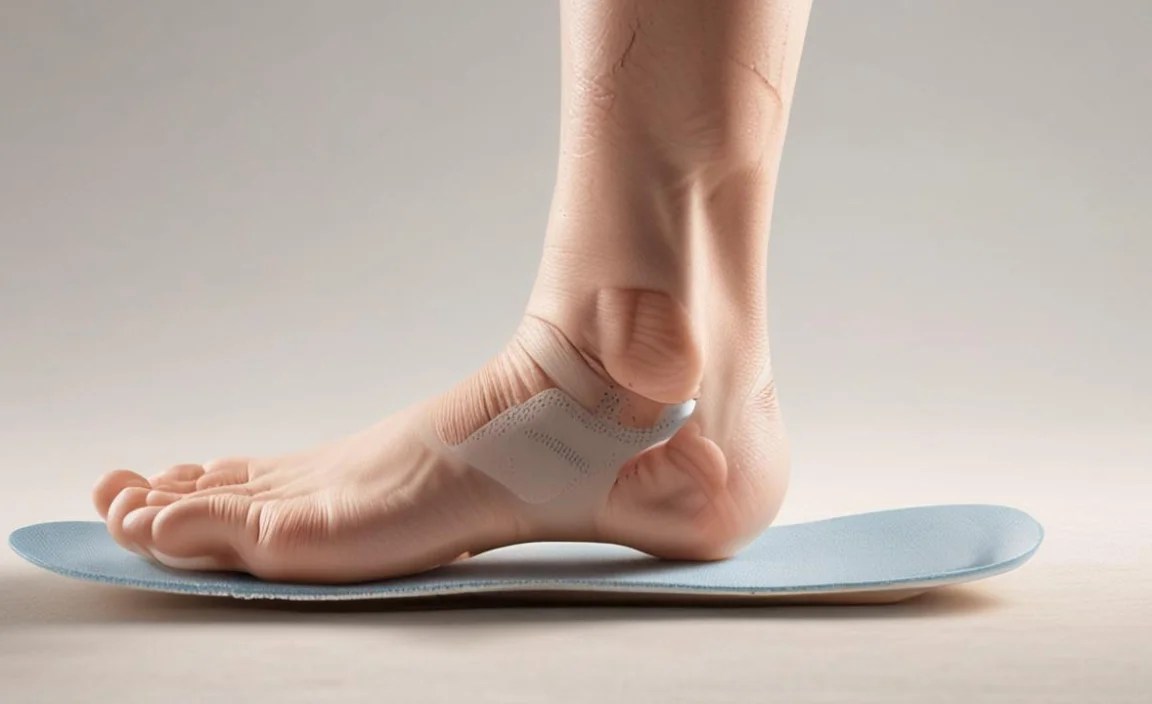
The decision to use insoles after knee surgery should ideally be made in consultation with your orthopedic surgeon or physical therapist. They can assess your specific needs and recommend the type of support that would be most beneficial for your particular surgery and recovery phase. For instance, someone recovering from a meniscus tear might benefit from different support than someone who has undergone a total knee replacement.
Insoles can be particularly helpful during the weight-bearing phases of rehabilitation. As you progress from crutches to walking unassisted, the demands on your knee increase. Wearing supportive insoles can help manage this increased load more effectively. They are also beneficial for ongoing management, even after you’ve completed formal physical therapy, to help maintain proper biomechanics and prevent future knee issues.
In conclusion, the role of insoles after knee surgery cannot be overstated. They are a powerful tool for enhancing comfort, improving stability, and supporting the intricate biomechanics of the lower limb during a critical recovery period. By understanding their benefits and carefully selecting insoles that meet your specific needs, you can significantly contribute to a smoother, more comfortable, and ultimately more successful knee surgery recovery.
