Quick Summary: Insoles can significantly help knee pain by improving foot alignment, cushioning impact, and distributing pressure properly. Choosing the right insoles addresses the root cause of knee discomfort originating from the feet, offering a simple, effective solution for common knee aches.
Hello everyone! I’m Millard Mar, your go-to guide for all things foot health and comfortable footwear here at SoleForShoes. Are you dealing with that nagging knee pain? It can really put a damper on your day, making simple activities feel like a chore. You might be surprised to learn that the solution could start right at your feet. Many times, knee discomfort is actually linked to how your feet are aligned and supported. In this guide, we’ll explore the basics of insoles and how they can offer much-needed relief for your knees. We’ll walk through what to look for and how they work, so you can get back to feeling great. Let’s dive in!
Understanding the Link Between Insoles and Knee Pain

It might seem strange to connect your knees to your feet, but they are intricately linked. Think of your legs as a chain: your feet are the foundation. If the foundation isn’t quite right, the stress can travel upwards, impacting your ankles, knees, and even your hips and back.
When your feet don’t have the proper support or alignment, it can lead to:
- Overpronation: Your foot rolls inward too much.
- Supination (Underpronation): Your foot doesn’t roll inward enough, placing more pressure on the outer edge.
- Flat Feet: The arch of your foot collapses, affecting shock absorption.
- High Arches: Less surface area for shock absorption and can lead to stiffness.
These biomechanical issues can cause uneven weight distribution. This means certain parts of your knee joint might bear more stress than they should, leading to pain, inflammation, and discomfort. Insoles, often called orthotics when they are custom-made, are designed to correct these issues by providing support, cushioning, and proper alignment, effectively acting as a shock absorber and stabilizer for your entire leg.
How Do Insoles Help Knee Pain?
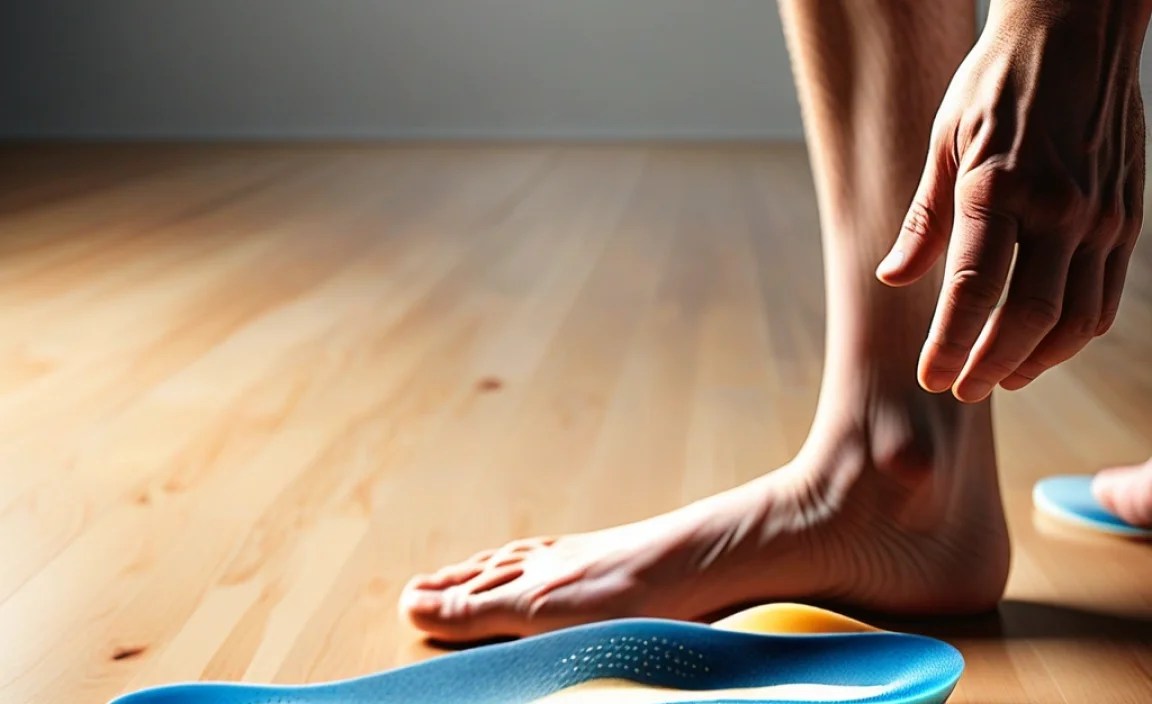
Insoles work in several key ways to alleviate knee pain:
- Arch Support: They help maintain the natural shape of your foot’s arch. This ensures your foot can absorb shock effectively and prevents excessive inward or outward rolling, which directly impacts knee alignment.
- Cushioning: Many insoles are designed with shock-absorbing materials. This reduces the impact force that travels from your foot up through your leg with every step you take, lessening the jolt on your knee joint.
- Alignment Correction: Insoles can guide your foot into a more neutral position. By correcting pronation or supination, they help ensure your leg moves in a straighter line, reducing unnatural twisting forces on the knee.
- Pressure Distribution: They spread your body weight more evenly across your foot. This prevents concentrated pressure points that can contribute to pain and discomfort, not just in the feet but also radiating up to the knees.
- Improved Stability: A well-supported foot provides a stable base. This improved stability can translate to better balance and control when you walk or stand, reducing strain on your knee ligaments and cartilage.
Think of it like wearing a good pair of running shoes. The cushioning and support built into those shoes help protect your joints. Insoles offer a similar, often more targeted, benefit for your existing footwear.
Types of Insoles for Knee Pain

When you’re looking for insoles, you’ll find a variety of types, each suited for different needs. For knee pain, the focus is generally on support and stability.
1. Over-the-Counter (OTC) Insoles
These are the most accessible and affordable option. They come in various shapes, sizes, and materials and are designed to offer general support and cushioning.
- Cushioning Insoles: Made from soft materials like gel or foam, these are great for general comfort and absorbing impact. They are a good starting point if your knee pain is mild and you need basic shock absorption.
- Supportive Insoles: These offer more structured arch support and heel cupping. They are designed to help control pronation and supination, making them beneficial for knee stability. Look for options with firm, yet flexible, support.
- Performance Insoles: Often designed for athletes, these balance cushioning with responsiveness and stability. They can be a good choice if you’re active and experience knee pain during exercise.
2. Semi-Rigid Insoles
These are a step up from basic OTC insoles. They typically have a firmer, often semi-moldable base, providing more robust support and alignment correction. They can be made from materials like cork or plastic, often with a layer of cushioning on top. These are good for moderate to severe foot alignment issues contributing to knee pain.
3. Custom Orthotics
These are the most personalized and often the most effective option for significant foot and knee issues. They are made from an impression or scan of your feet by a podiatrist or other foot health professional. Custom orthotics are specifically designed to address your unique foot structure and biomechanics. They offer precise correction for overpronation, supination, or other gait abnormalities that might be causing your knee pain. While more expensive, they provide the highest level of support and correction.
According to the American Podiatric Medical Association, custom orthotics can be incredibly effective in managing a wide range of foot conditions, which in turn can alleviate pain in the lower extremities, including the knees. For persistent or severe knee pain linked to foot issues, consulting a podiatrist for custom orthotics is highly recommended.
Key Features to Look for in Insoles for Knee Pain

Not all insoles are created equal, especially when your goal is to reduce knee pain. Here are the essential features to consider:
- Arch Support: This is crucial. Determine your arch type (flat, normal, high) and choose an insole that complements it. For flat feet or overpronation, you’ll need good arch support to lift and stabilize the foot. For high arches, a well-cushioned insole with some arch support can help.
- Heel Cup: A deep heel cup helps to cradle your heel bone, providing stability and cushioning. This is important for shock absorption and preventing your heel from rolling excessively.
- Cushioning: Look for insoles with ample cushioning, especially in the heel and forefoot areas. Materials like EVA foam, gel, or memory foam can effectively absorb impact.
- Rigidity/Flexibility: The right balance is key. You want an insole that is supportive enough to control your foot’s motion but flexible enough to allow for natural movement. Overly rigid insoles can sometimes cause discomfort, while too-flexible ones may not provide enough support.
- Material: Breathable materials like fabric or treated foams are best to prevent moisture buildup and odor.
- Fit: Insoles should fit comfortably in your shoes without making them too tight. They should support your foot’s natural contours.
Choosing the Right Insole Based on Arch Type
Your foot’s arch is a primary determinant of how you walk and bear weight. Understanding your arch type can help you select the most beneficial insole.
| Arch Type | Characteristics | Recommended Insole Type | Look For |
|---|---|---|---|
| Flat Arch (Low Arch) | Foot appears to be mostly flat on the ground; little to no visible arch. Often associated with overpronation. | Supportive; Neutral to Stability | Strong arch support, deep heel cup, moderate cushioning. Designed to prevent the foot from rolling inward. |
| Normal Arch | A well-defined arch that provides a good balance of shock absorption and stability. Usually a neutral gait. | Cushioning with moderate support; Neutral | Good all-around cushioning and some arch contouring. Focus on comfort and shock absorption. |
| High Arch (Supinated) | A pronounced arch that doesn’t flatten much during walking. Less shock absorption; can lead to stiffness and pressure on the heel and ball of the foot. | Cushioning with extra shock absorption; Neutral | Extra cushioning, particularly in the heel and forefoot. A supportive feel to prevent the foot from being too rigid and to distribute pressure. |
You can easily check your arch type by performing the “wet test.” Wet your feet, then stand on a piece of paper or cardboard. Step off and examine the footprint. A full footprint indicates flat feet. A print with a very thin line connecting the heel and toes suggests a high arch. A print showing about half of your foot’s width is a normal arch.
How to Use Insoles for Knee Pain Effectively

Simply inserting insoles into your shoes isn’t always enough. Proper use is key to maximizing their benefits for knee pain relief.
1. Gradual Introduction
Your feet and body need time to adjust to new support. Start by wearing the insoles for a few hours each day. Gradually increase the duration over a week or two. This helps prevent initial discomfort or stiffness in your feet, ankles, or even your knees.
2. Proper Placement in Shoes
Remove the original shoe inserts (if any) before placing your new insoles. Ensure the insoles lie flat and fit snugly without bunching up. They should feel like a natural extension of your shoe’s interior.
3. Wear Them in Supportive Shoes
Insoles work best in shoes that offer good support and structure themselves. This includes athletic shoes, walking shoes, and sturdy boots. Avoid using them in flimsy footwear like flip-flops or high heels, where they won’t provide adequate stability and can even be detrimental.
4. Pay Attention to Your Body
Listen to your body. If you experience increased pain or significant discomfort after wearing the insoles, try wearing them for shorter periods or consult with a foot health professional. Sometimes, a different type of insole or a minor adjustment is needed.
5. Cleaning and Maintenance
Follow the manufacturer’s instructions for cleaning. Most insoles can be spot-cleaned with mild soap and water and air-dried. Regular cleaning helps maintain their hygiene and prolong their life.
6. When to Seek Professional Advice
If your knee pain is severe, persistent, or accompanied by swelling, redness, or inability to bear weight, it’s essential to see a doctor or podiatrist. Insoles can be a fantastic aid, but they are not a substitute for professional medical diagnosis and treatment for underlying conditions.
Choosing the Right Shoes for Knee Pain Relief

While insoles offer critical support, the shoes you put them in also play a significant role in managing knee pain. The best shoes for knee pain provide a combination of cushioning, stability, and proper fit.
Key Features of Supportive Shoes:
- Ample Cushioning: Look for shoes with thick, shock-absorbing midsoles, especially in the heel. This reduces the impact on your joints with each step.
- Good Arch Support: The shoe’s internal structure should complement your arch type and work with your insoles.
- Stability: Shoes designed for stability help control excessive foot motion (like overpronation), which can reduce stress on the knees.
- Proper Fit: Ensure there’s enough room in the toe box for your toes to move freely. The heel should feel secure and not slip.
- Flexibility: The shoe should bend naturally at the ball of your foot but not be overly flexible in the mid-sole.
Best Types of Shoes:
- Athletic Shoes: Running and training shoes are often designed with advanced cushioning and support technologies. Look for models marketed for stability or motion control if you overpronate.
- Walking Shoes: Specifically designed for comfort and support during long periods of walking or standing.
- Supportive Casual Shoes: Many brands offer casual footwear with built-in support and shock absorption that can accommodate insoles well.
- Orthopedic Shoes: These are designed for individuals with specific foot conditions and offer a high level of support and comfort.
For more information on choosing the right footwear, resources like the American Podiatric Medical Association’s “Choosing the Right Shoes” guide can offer further insights.
Potential Benefits of Using Insoles

Incorporating the right insoles into your daily routine can lead to a multitude of benefits, extending beyond just knee pain relief.
Immediate and Long-Term Relief
Many users report feeling immediate comfort and reduced knee pain after inserting supportive insoles. Over time, consistent use can help retrain your foot’s mechanics, leading to more sustainable relief and preventing future flare-ups.
Improved Posture and Alignment
When your feet are properly aligned, it sets a chain reaction for better posture throughout your body. Correcting foot pronation or supination can help align your ankles, legs, and spine, reducing strain on other joints and muscles.
Enhanced Comfort and Endurance
With reduced pain and better support, you’ll likely find you can stand, walk, and participate in activities for longer periods without discomfort. This can significantly improve your quality of life and encourage a more active lifestyle.
Prevention of Further Foot and Leg Issues
By addressing the biomechanical causes of knee pain, insoles can also help prevent or alleviate other related issues such as plantar fasciitis, shin splints, Achilles tendonitis, and hip pain.
Cost-Effectiveness
Compared to other treatments like custom-made footwear or some medical interventions, over-the-counter or semi-rigid insoles are a relatively affordable way to manage pain and improve foot health.
Common Misconceptions About Insoles for Knee Pain
It’s easy to get confused when exploring solutions for knee pain. Here are a few common myths about insoles:
- Myth: All insoles are the same.
Fact: There’s a huge variety in insoles, from basic cushioning to advanced orthotic support designed for specific foot conditions. Choosing the right type for your needs is essential.
- Myth: Insoles will instantly cure my knee pain.
Fact: Insoles are a supportive tool. While they can provide significant relief, they are part of a broader approach that might include specific exercises, footwear choices, and sometimes medical treatment. Patience and consistent use are key.
- Myth: Insoles are only for people with serious foot problems.
Fact: Anyone experiencing discomfort from long periods of standing, walking, or from mild biomechanical imbalances can benefit from insoles. They are a proactive step towards better foot health and overall comfort.
- Myth: You can wear the same insoles in all your shoes.
Fact: While some versatile insoles exist, it’s best to have specific insoles for different shoe types to ensure optimal fit and support. For example, bulky insoles might not fit well in dress shoes, and lightweight ones might not offer enough support in hiking boots.
- Myth: Insoles are expensive and only custom ones work.
Fact: While custom orthotics are an investment, high-quality over-the-counter and semi-rigid insoles can be very effective for many
