Quick Summary: Insoles for kids’ pronation provide crucial support to align feet, improve comfort, and prevent future issues. This essential guide helps you understand pronation and choose the right insoles for your child’s active development.
Insoles for Kids Pronation: Your Essential Support Guide

Does your child’s inner foot arch seem to collapse inward when they walk or run? This common characteristic is called pronation, and for many kids, it’s perfectly normal. However, when pronation is excessive, it can sometimes lead to discomfort or affect how they move. At SoleForShoes, we believe in making foot health simple, and that includes understanding how the right support can make a world of difference for your little ones. We’re here to guide you through everything you need to know about insoles for kids’ pronation.
In this guide, we’ll break down what pronation really means for children, why it matters, and how supportive insoles can be a game-changer. We’ll cover how to identify if your child might benefit from them and, most importantly, how to choose the best ones. Get ready to step into greater comfort and confidence for your child’s feet!
Understanding Pronation in Children

Pronation is a natural movement of the foot during walking or running. It’s the inward rolling of the foot after it strikes the ground. Think of it as your foot’s way of absorbing shock. A little bit of pronation is essential for healthy foot function, allowing the foot to adapt to different surfaces and cushion impact.
However, some children have what’s known as “overpronation.” This is when the foot rolls inward excessively, causing the arch to flatten more than usual. You might notice this as the ankle seeming to tilt inwards, or wear patterns on the inside edge of their shoes.
Is Pronation Always a Problem for Kids?
It’s crucial to understand that not all pronation requires intervention. Many children’s feet are still developing, and flat feet or mild overpronation can often resolve on their own as their bones, muscles, and ligaments mature. In fact, trying to correct mild pronation too early might interfere with natural development.
The key is monitoring for signs of discomfort or biomechanical issues. If your child:
- Complains of foot, ankle, knee, or even hip pain, especially after activity.
- Trips or stumbles frequently.
- Has visible wear on the inside edges of their shoes.
- Shows signs of fatigue easily when walking or running.
- Has very flat-looking feet that don’t seem to have an arch even when they aren’t bearing weight.
…then it might be time to consider if their pronation is contributing to these issues and if support could help.
The Importance of Early Support
When overpronation does cause problems, addressing it early can prevent a cascade of issues. Uncorrected overpronation can lead to:
- Pain: In the feet, ankles, shins (shin splints), knees (like patellofemoral pain syndrome), and even hips.
- Altered Gait: Affecting how the child walks, runs, and jumps, potentially impacting athletic performance.
- Developmental Issues: In some cases, it can affect the natural development of the foot and leg structure over time.
- Wear and Tear: Both on the body and on footwear.
Providing appropriate support, often through well-designed insoles, can help realign the foot, encourage a more neutral foot strike, and distribute pressure more evenly. This not only alleviates current discomfort but can also promote healthier foot development and prevent future problems.
What are Insoles, and How Do They Help Kids’ Pronation?

Insoles, often called orthotics or arch supports, are inserts placed inside shoes to provide cushioning, support, or correction for the foot. For children experiencing overpronation, insoles are designed to:
- Support the Arch: They lift and cradle the arch, preventing it from collapsing inward.
- Realignment: Gently guide the foot into a more neutral position, promoting proper alignment from the heel to the toe.
- Cushioning: Absorb shock, reducing impact on the joints and bones.
- Distribute Pressure: Evenly spread the forces across the foot, reducing pressure points.
Think of them as a helping hand for your child’s feet, guiding them to function in a way that feels more comfortable and is healthier for their developing bodies.
Types of Insoles for Kids’ Pronation
When looking for insoles, you’ll encounter a few main types, each with a slightly different purpose:
- Stability Insoles: These are the most common for overpronation. They often have a firmer material, a built-in arch support, and a heel cup to stabilize the foot.
- Motion Control Insoles: For more severe cases, these are typically more rigid and offer maximum support to control excessive foot motion.
- Cushioning Insoles: While not specifically designed for pronation correction, some offer good shock absorption which can complement other supports or be suitable for milder cases.
For children’s pronation, the focus is almost always on stability and realignment. The goal isn’t to make the foot rigid, but to provide gentle guidance and support.
Insole Features to Look For
When shopping for insoles for kids’ pronation, keep an eye out for these features:
- Arch Support: It should match the child’s arch height. For overpronation, a medium to firm arch support is usually best.
- Heel Cup: A defined heel cup helps to stabilize the heel and prevent excessive inward rolling.
- Material: Look for durable yet flexible materials. Some combine cushioning foam with a more rigid support structure.
- Depth: Ensure the insole has enough depth to fit comfortably in the shoe without making it too tight.
- Breathability: Kids’ feet can get warm, so breathable materials help manage moisture and odor.
- Durability: Kids are active, so the insoles need to withstand play and sports.
Identifying Pronation: What to Look For

Observing your child’s feet and shoes can provide valuable clues. Here’s a simple way to check:
The Wet Foot Test
This is a quick and easy way to get a general idea of your child’s arch type:
- Wet the bottom of your child’s feet.
- Have them step onto a firm surface where their footprint will be visible, like a concrete path, a dark piece of paper, or a paper bag.
- Examine the footprint:
- Normal Arch: You’ll see about half of their arch.
- Flat Foot/Overpronation: You’ll see most or all of the foot, with very little or no visible curve inward.
- High Arch: You’ll see very little of the heel and the ball of the foot, with a significant curve inward.
Remember, this is just a guide. A flat-looking footprint doesn’t automatically mean there’s a problem, but it can be an indicator to pay closer attention.
Shoe Wear Patterns
Turn your child’s shoes over and look at the soles. Unusual wear patterns can tell a story:
- Excessive wear on the inside edge of the sole: This is a classic sign of overpronation, as the foot rolls inward.
- Wear primarily on the ball of the foot and heel: This is more typical, but the location of wear on the heel can also offer hints.
- Uneven wear across the sole: Could indicate an imbalance.
If you notice significant wear on the inner edges, it’s a strong signal that their feet might be overpronating and could benefit from support.
Visual Observation While Standing and Walking
Watch your child from behind as they stand and walk:
- When standing: Do their ankles appear to tilt inward? Do their feet look flat?
- When walking: Observe their gait. Does one foot roll inward more than the other? Do their knees seem to rotate inward as they walk or run?
These visual cues, combined with other signs like tripping or complaining of pain, can help you determine if overpronation is a concern.
When to Seek Professional Advice
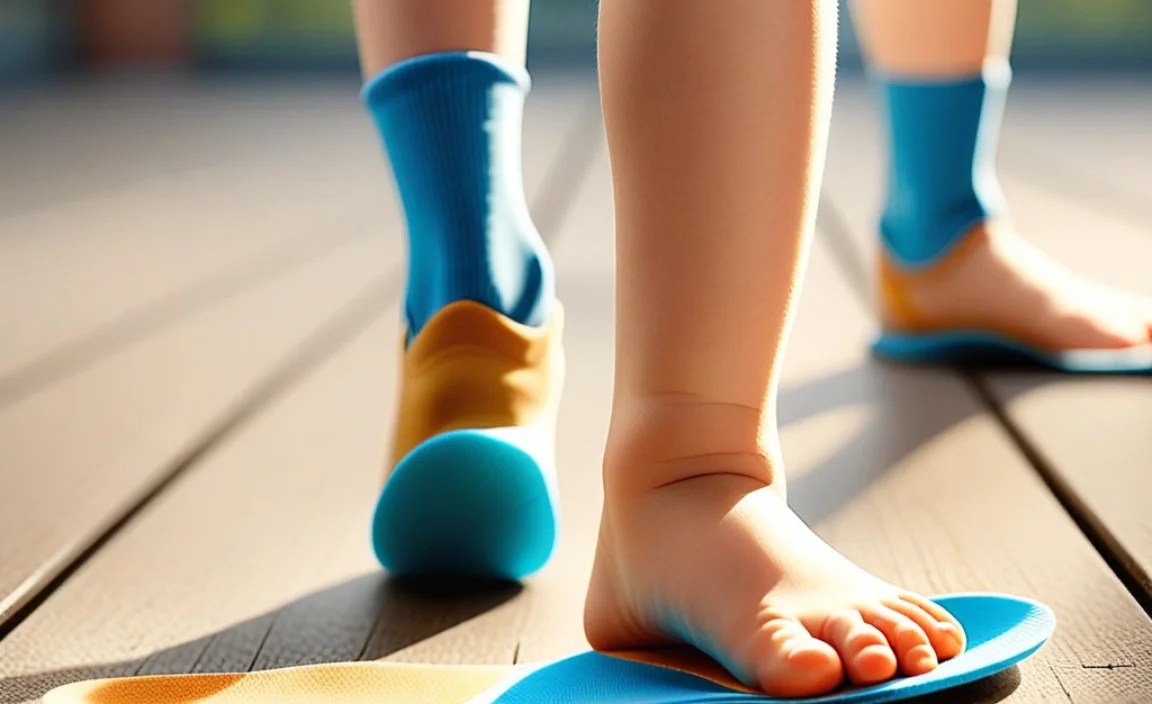
While at-home checks and observations are helpful, they are not a substitute for professional medical advice. It’s always best to consult with a healthcare professional if you have concerns about your child’s foot health.
Who to Consult
- Pediatrician: Your child’s primary doctor can be a starting point for concerns, and they can refer you to specialists if needed.
- Podiatrist (Foot Doctor): This is the specialist in foot and ankle health. They can diagnose pronation issues, assess their severity, and recommend the most appropriate treatment, including custom or over-the-counter orthotics.
- Physical Therapist: A PT can evaluate your child’s movement patterns and provide exercises to strengthen muscles that support the foot and ankle, often working alongside other recommendations.
- Orthopedic Specialist: For more complex biomechanical issues or concerns related to bones and joints.
What a Professional Assessment Involves
A professional assessment usually includes:
- Medical History: Discussing your child’s symptoms, activity levels, and any past injuries.
- Physical Examination: Observing the feet, ankles, legs, and how your child walks and runs.
- Gait Analysis: Often recorded on video or observed closely to understand foot mechanics.
- Foot Casting or 3D Scan: Sometimes used to create custom orthotics if needed.
- X-rays: May be ordered to check bone alignment or rule out other conditions.
This comprehensive evaluation ensures that any treatment, including the choice of insoles, is tailored to your child’s specific needs.
Choosing the Right Insoles for Your Child
Once you’ve determined that insoles might be beneficial, the next step is selecting the right ones. This can feel overwhelming with so many options available.
Over-the-Counter vs. Custom Orthotics
This is a key decision point:
- Over-the-Counter (OTC) Insoles:
- Pros: Readily available at pharmacies, shoe stores, and online; generally much more affordable; come in various support levels (e.g., for flat feet, high arches, general support).
- Cons: Not custom-made for your child’s foot; may not provide the precise correction needed for severe issues; can sometimes be too generic.
- Custom Orthotics:
- Pros: Made from a mold or scan of your child’s feet for a perfect fit; designed to address specific biomechanical issues precisely; offer the highest level of custom correction and support.
- Cons: Significantly more expensive; require a professional fitting and prescription; a longer process to obtain.
For many children, particularly those with moderate pronation and no significant pain, well-chosen OTC insoles can be highly effective. Custom orthotics are typically reserved for more severe cases recommended by a podiatrist or other specialist.
Key Considerations When Buying Insoles
Here’s a checklist to guide your purchase:
- Support Level: Look for “stability,” “maximum support,” or “orthotic” insoles advertised for pronation or flat feet. Ensure the arch support feels appropriate for your child’s foot.
- Firmness: For pronation correction, a moderately firm insole is usually better than a very soft, squishy one. It needs to provide resistance to collapsing.
- Heel Stability: A well-defined heel cup is vital for guiding the heel into a neutral position.
- Fit within the Shoe: The insole should fit snugly into your child’s shoe without creating pressure points or making the shoe too tight. You may need to remove the shoe’s original insole first.
- Child’s Activity Level: If your child is very active or involved in sports, look for insoles designed for athletic use, which often offer better shock absorption and durability.
- Material and Comfort: Ensure it’s comfortable for your child to wear. Some materials are better for breathability and moisture-wicking.
The American Podiatric Medical Association (APMA) Seal of Acceptance can be a good indicator of quality and suitability for foot health, though it doesn’t specifically denote pronation correction. It signifies that the product has been reviewed for safety and effectiveness in promoting foot health.
A Comparison of Popular Insole Types
Here’s a look at how different types of insoles might stack up for kids’ pronation. Keep in mind that specific models will vary.
| Insole Type | Primary Benefit for Pronation | Typical Features | Best For | Considerations |
|---|---|---|---|---|
| Stability Insoles | Arch support and heel stabilization to reduce inward roll. | Semi-rigid arch support, moderate heel cup, cushioning layer. | Mild to moderate overpronation, active children needing everyday support. | Good balance of support and comfort. |
| Motion Control Insoles | Maximum control of excessive foot motion and pronation. | Rigid or semi-rigid construction down the center, deep heel cup, stiffer materials. | Severe overpronation, specific biomechanical issues recommended by a specialist. | Can feel stiffer, may require break-in period. |
| Supportive Cushioned Insoles | Shock absorption and general comfort, with moderate arch support. | Softer cushioning, contoured footbed, lighter arch support. | Mild pronation with an emphasis on comfort, for children who don’t tolerate firmer insoles well. | May not provide enough correction for significant pronation. |
| Athletic Insoles | Combines support and shock absorption for high-impact activities. | Durable, moisture-wicking materials, good cushioning, often contoured support. | Active children prone to pronation, participating in sports. | Designed for specific sport needs; may need testing for comfort across various activities. |
When selecting, always prioritize comfort and proper fit. If the insole causes new pain or discomfort, it’s not the right one.
How to Use Insoles for Kids Effectively
Getting the right insoles is only half the battle; using them correctly ensures they provide the intended benefits without causing issues.
Introducing Insoles to Your Child
Be patient! New insoles can feel different. It’s best to introduce them gradually:
- Start Slowly: Have your child wear the shoes with the new insoles for short periods, like an hour or two each day.
- Increase Wear Time: Gradually increase the duration of wear as their feet and body adjust.
- Monitor for Discomfort: Pay attention to any new complaints of pain, blisters, or redness. If these occur, reduce wear time or re-evaluate the insole.
It can take a week or two for children to fully adjust to wearing insoles.
Insole Care and Maintenance
To ensure longevity and hygiene:
- Remove and Air Out: Take the insoles out of the shoes daily to allow them to air dry and prevent odor buildup.
- Spot Clean: Clean them with mild soap and cool water, then air dry completely. Avoid machine washing or putting them in the dryer, as this can damage the materials.
- Check for Wear: Inspect the insoles regularly for signs of wear, such as flattened cushioning or cracks.
What Shoes Work Best with Insoles?
Not all shoes are created equal when it comes to accommodating insoles:
- Sturdy, Supportive Shoes: Sneakers, athletic shoes, and supportive walking shoes are ideal. They usually have removable insoles and enough depth to fit an additional insert.
- Avoid “Holey” Soles: Very flexible, thin-soled shoes (like some flimsy sandals or ballet flats) may not provide enough structure or room for insoles.
- Lace-Up or Velcro Closures: Shoes that can be securely fastened help.
