For extreme jump rope landings, choose insoles with superior shock absorption and arch support. Look for materials like EVA foam or gel designed to cushion impact and stabilize your feet, reducing stress on joints and preventing injury. Proper insoles can transform your jump rope experience.
Insoles for Extreme Jump Rope Landing: Your Guide to Injury-Free Jumps

Jump rope is an amazing workout, but landing heavily can take a toll on your feet, knees, and ankles. If you feel that jarring impact with every jump, you’re not alone. Many athletes and fitness enthusiasts experience discomfort or even pain from the repetitive shock of landing. But don’t worry, there’s a straightforward solution to absorb that stress and keep you jumping longer and healthier. This guide will walk you through selecting the right insoles to protect your feet during intense jump rope sessions.
We’ll cover what makes an insole great for high-impact activities, how to choose the best one for your needs, and how they can drastically improve your jump rope game. Let’s dive in and give your feet the support they deserve!
Why Jump Rope Landing Needs Special Foot Support

Jumping rope is fantastic for cardiovascular health, agility, and coordination. However, the act of repeatedly landing on your feet generates significant impact forces. Without adequate cushioning and support, these forces can travel up your body, leading to problems like:
- Plantar fasciitis (heel pain)
- Shin splints
- Ankle sprains
- Knee pain
- Stress fractures
Your regular athletic shoes offer some cushioning, but they might not be enough for the extreme demands of frequent, high-intensity jump rope training. This is where specialized insoles come into play, acting as an extra layer of defense between your feet and the hard ground.
Understanding Insole Features for High-Impact Activities
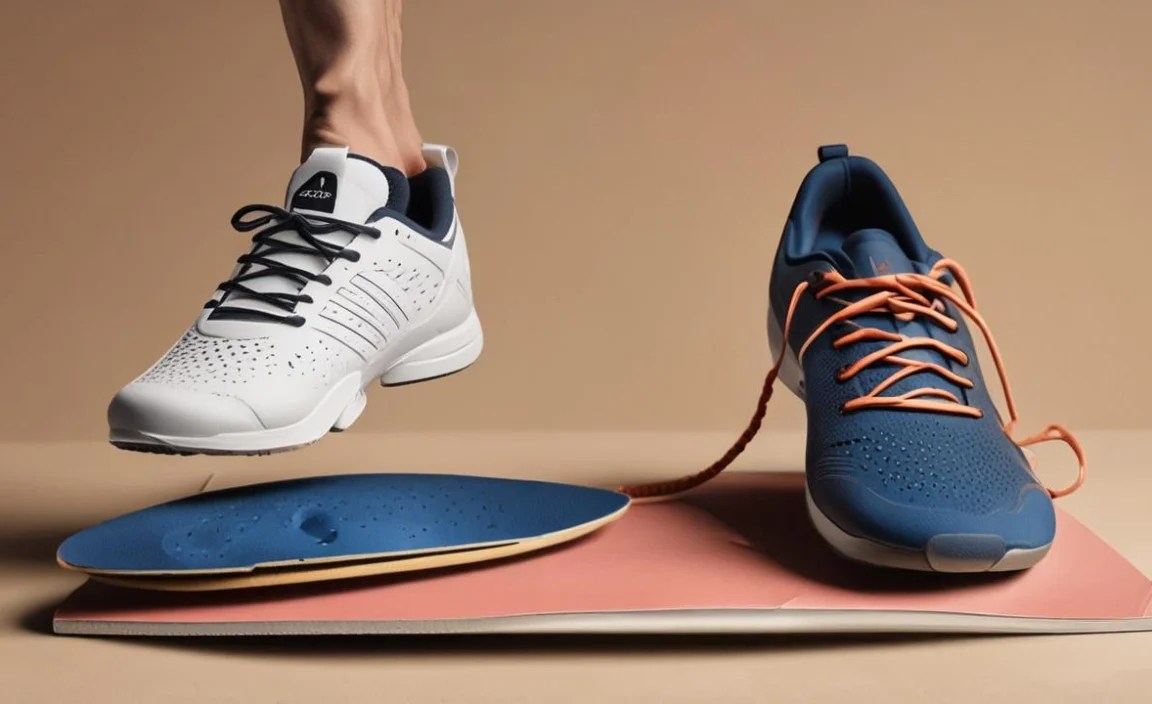
Not all insoles are created equal, especially when it comes to handling the shock of jump rope landings. Here are the key features to look for:
1. Superior Shock Absorption
This is the absolute most critical factor for jump rope insoles. You need materials that can effectively dissipate the impact force of each landing, preventing it from reaching your joints. Look for:
- EVA Foam: Ethylene-vinyl acetate (EVA) is a lightweight, flexible, and resilient material commonly used in athletic footwear and insoles. It provides excellent cushioning and shock absorption. Higher-density EVA offers more support and durability.
- Gel Inserts: Gel pads, often placed in the heel and forefoot, offer targeted cushioning. They are very effective at absorbing shock directly where you need it most during landings.
- Proprietary Cushioning Technologies: Many brands develop their own unique cushioning compounds. Research reviews to see how effective these are for high-impact activities.
2. Arch Support
Proper arch support is crucial for distributing pressure evenly across your foot and maintaining a stable landing. Without it, your arches can collapse, leading to strain and discomfort. Insoles should:
- Match Your Arch Type:
- High Arches: Need insoles with good cushioning and a slightly more flexible design that won’t put too much pressure on the ball of the foot.
- Medium Arches: Have a wider range of options, but a balanced approach to cushioning and support is key.
- Flat Arches (Low Arches): Require more structured support to prevent overpronation (the inward rolling of the foot) and provide stability.
- Provide Pronation Control: For those who overpronate, insoles with stability features or a firmer heel cup can help guide the foot into a more neutral alignment during landing.
3. Heel Cup Depth
A deep heel cup helps to cradle and stabilize the heel during impact. This prevents excessive side-to-side movement and provides a secure base for your foot upon landing, reducing the risk of ankle rolls.
4. Durability
Jump rope generates a lot of consistent stress on insoles. You want a product that is made from robust materials that won’t break down quickly. High-quality EVA, resilient gel, and reinforced stitching contribute to longevity.
5. Breathability
While not directly related to impact, good breathability is important for comfort during intense workouts. Materials that allow for airflow can help keep your feet cooler and reduce moisture buildup, preventing blisters and odor.
Types of Insoles for Jump Rope

When searching for insoles, you’ll encounter a few main categories. For jump rope, we’re primarily focusing on the top performers for shock absorption and support.
1. Performance/Athletic Insoles
These are generally designed for high-impact sports and activities. They typically offer a good balance of cushioning, support, and responsiveness. They are often molded to provide anatomically correct support for various arch types.
2. Cushioning Insoles
If your primary concern is absorbing impact, cushioning insoles might seem like the obvious choice. These often feature thicker layers of soft foam or generous gel padding. However, ensure they still offer enough underlying support to prevent your foot from collapsing too much.
3. Stability/Motion Control Insoles
These insoles are built with firmer materials and specific designs to help control overpronation or supination (outward rolling of the foot). While they offer excellent support, you need to ensure they don’t feel too rigid for the dynamic movement of jump rope. A good balance of flexibility and control is key.
Choosing the Right Insoles: A Step-by-Step Approach

Selecting the perfect insoles involves a few personal considerations. Follow these steps:
Step 1: Assess Your Foot Type
Before buying, understand your foot’s natural arch. The “wet test” is a simple way to do this:
- Wet the bottom of your foot.
- Step onto a piece of heavy paper or cardboard.
- Examine the imprint:
- A full footprint with no arch curve: Flat feet (low arches).
- A footprint with a distinct curve inwards: Normal arches (medium arches).
- A footprint with very little of the middle showing: High arches.
Step 2: Consider Your Jumping Style and Intensity
Are you doing fast, double-unders, or more slow, sustained jumping? Higher intensity and faster paces mean more impact, leaning towards insoles with maximum shock absorption and responsiveness.
Step 3: Evaluate Your Current Footwear
Ensure the insoles you choose will fit well inside your existing jump rope shoes. Insoles add volume, so you might need shoes that are a touch larger or have removable factory insoles. Most performance insoles are designed to replace the shoe’s original insert.
Step 4: Read Reviews and Brand Reputation
Look for reviews specifically from people who use insoles for high-impact activities like jump rope, plyometrics, or running. Brands known for quality athletic footwear or orthotics are usually a good starting point. Reputable brands often invest in advanced materials and research.
Step 5: Prioritize Comfort and Feel
Ultimately, the best insole is one that feels comfortable and supportive when you try it. While this might mean purchasing online, look for brands with good return policies. Wear them around the house briefly to get a feel for the cushioning and support before taking them for a jump rope session.
Top Insole Features for Jump Rope Landing Summarized

Here’s a quick comparison of the most important features:
| Feature | Importance for Jump Rope | What to Look For |
|---|---|---|
| Shock Absorption | Highest | Dense EVA foam, gel inserts, proprietary cushioning |
| Arch Support | High | Contoured shape matching foot type, corrective elements for pronation |
| Heel Cup | Medium-High | Deep, supportive cradle to stabilize the heel |
| Durability | Medium-High | High-quality materials, reinforced construction |
| Breathability | Medium | Perforated surfaces, moisture-wicking materials |
| Flexibility | Medium | Should allow natural foot movement without being too stiff |
Recommended Insole Materials for Jump Rope
When you’re checking out different insoles, the materials used are a big indicator of their performance. Here’s a breakdown of what to prioritize:
- Premium EVA Foam: Look for descriptions like “high-rebound EVA” or “dual-density EVA.” These offer a great blend of softness for comfort and firmness for support and durability. Many top-tier athletic insoles use this.
- Gel Cushioning: Often found in the heel and forefoot, gel is excellent at absorbing direct impact. Some insoles combine gel with EVA for a balanced approach.
- Carbon Fiber Plates (Less Common for Jump Rope): While popular in running shoes for energy return, rigid carbon fiber plates might be too stiff and less forgiving for the varied landing planes in jump rope. Stick to more pliable cushioning.
- Polyurethane (PU): This is another durable cushioning material that can offer good support. It’s often used in work boot insoles but can also be found in some athletic options for its longevity.
How Insoles Help Prevent Jump Rope Injuries
The benefits of using the right insoles extend beyond just comfort. They are a proactive measure against common jump rope-related injuries:
- Reducing Impact Stress: By absorbing shock, insoles decrease the forces transmitted through your feet to your ankles, shins, and knees. This is particularly important for conditions like shin splints and jumper’s knee.
- Improving Biomechanics: Proper arch support and heel stabilization help to correct overpronation or supination. This ensures your foot lands and pushes off more efficiently, reducing abnormal stress on tendons and ligaments. You can learn more about foot biomechanics from resources like the American Podiatric Medical Association (APMA).
- Enhancing Stability: A stable foot is less prone to injuries. Insoles that provide a secure fit and prevent excessive foot movement during landings can help reduce the risk of ankle sprains.
- Distributing Pressure: By supporting the arch and heel, insoles help to distribute your body weight more evenly across the entire foot. This prevents localized pressure points that can lead to pain and discomfort, like those associated with plantar fasciitis.
When to Consider Professional Orthotics
While over-the-counter insoles are excellent for many, there are times when consulting a podiatrist for custom orthotics might be necessary:
- Severe foot pain that over-the-counter insoles don’t alleviate.
- Specific diagnosed foot conditions (e.g., severe flat feet, bunions, hammertoes, significant biomechanical issues).
- If you need highly specialized support for competitive jump rope or other advanced athletic endeavors and have failed to find relief with standard options.
Custom orthotics are molded specifically to your feet and can provide unparalleled support and correction for complex foot problems. Visit a podiatrist to discuss if this is the right path for you.
Tips for Using Your New Jump Rope Insoles
Once you’ve found your perfect pair, here’s how to make the most of them:
- Break Them In Gradually: Start by wearing them for short periods at home or during light activities. Then, gradually increase the duration of your jump rope sessions to allow your feet to adapt.
- Ensure Proper Fit: They should fit snugly inside your shoes without bunching or sliding. If they move around, trim them to fit or consider a different size/model. Most insoles can be trimmed with scissors to match the size of your original shoe insert. Always use your original insole as a template.
- Transfer Between Shoes (If Applicable): If you have multiple pairs of jump rope shoes, consider getting a second pair of insoles or transferring them between shoes to maximize their lifespan and benefit.
- Clean and Maintain: Follow the manufacturer’s cleaning instructions. Typically, insoles can be cleaned with mild soap and water and air-dried. Avoid machine washing or high heat, which can damage the materials.
Frequently Asked Questions (FAQ)
Q1: Can any athletic shoe work with jump rope insoles?
A1: It’s best to use jump rope insoles with shoes designed for athletic activities, particularly cross-training or running shoes that have good base support and removable insoles. Avoid highly minimalist shoes or casual sneakers, as they may not provide a stable enough platform for insoles.
Q2: How often should I replace my jump rope insoles?
A2: This depends on the quality of the insole, how often you jump rope, and your body weight. Generally, performance insoles may need replacing every 6-12 months. Look for signs of wear like flattened cushioning, visible compression lines, or a decrease in shock absorption before your feet start to feel the impact again.
Q3: Are gel insoles or foam insoles better for jump rope?
A3: Many jump rope athletes find a combination of both is ideal. Dense EVA foam provides foundational support and cushioning, while strategically placed gel inserts offer superior shock absorption right where it’s needed during landing. Pure gel insoles can sometimes be too soft for extended support, while pure dense foam might be firm but less immediately shock-absorbing.
Q4: I have flat feet. What kind of insoles should I get for jump rope?
A4: For flat feet, you’ll want insoles with excellent arch support and stability features to help control pronation. Look for insoles specifically designed for flat feet or overpronation, often featuring a firmer heel counter and a contoured arch.
Q5: Can insoles help with ankle pain from jump rope?
A5: Yes, insoles can significantly help with ankle pain by improving stability and shock absorption. By stabilizing the foot and reducing impact forces, they can prevent excessive rolling of the ankle and alleviate stress on the joint.
Q6: Do insoles make my shoes tighter?
A6: Insoles do add a layer of material, which can make your shoes feel slightly tighter. This is why it’s often recommended to remove the original shoe liner, if possible, or to consider shoes that have a little extra room. If they feel too tight, ensure you have the correct size insole or consider one with a lower profile.
In Conclusion: Jump Smarter, Not Harder
Jump rope is an invigorating and highly effective way to stay fit, but it demands respect for your feet. By understanding the unique impact challenges of landing and choosing insoles with the right blend of superior shock absorption, comfortable cushioning, and crucial arch support, you can drastically reduce your risk of injury and enhance your performance. Don’t let foot pain hold you back from enjoying this dynamic exercise. Investing in a quality pair of insoles is an investment in your long-term health and continued jump rope Rprogress. So lace up, insert your chosen support, and jump with confidence!
