Quick Summary: Insoles can offer proven relief for jet lag swelling by improving circulation, reducing pressure, and providing cushioning. Look for supportive, well-cushioned insoles with arch support to help manage discomfort during and after long flights.
Insoles for Jet Lag Swelling: Proven Relief for Tired Travelers

Have you ever stepped off a long flight and felt that familiar throbbing, puffy sensation in your feet and ankles? Jet lag swelling, also known as travel edema, is a common and uncomfortable reality for many travelers. It happens when fluid builds up in your lower extremities due to prolonged sitting, changes in pressure, and reduced movement. But don’t let swollen feet put a damper on your travels! There’s a simple, yet effective solution that can make a world of difference: the right insoles.
In this guide, we’ll explore how insoles can be your secret weapon against jet lag swelling. We’ll break down what causes this discomfort, how insoles work to alleviate it, and what features to look for in a great insole. Get ready to say goodbye to puffy feet and hello to more comfortable journeys!
Understanding Jet Lag Swelling
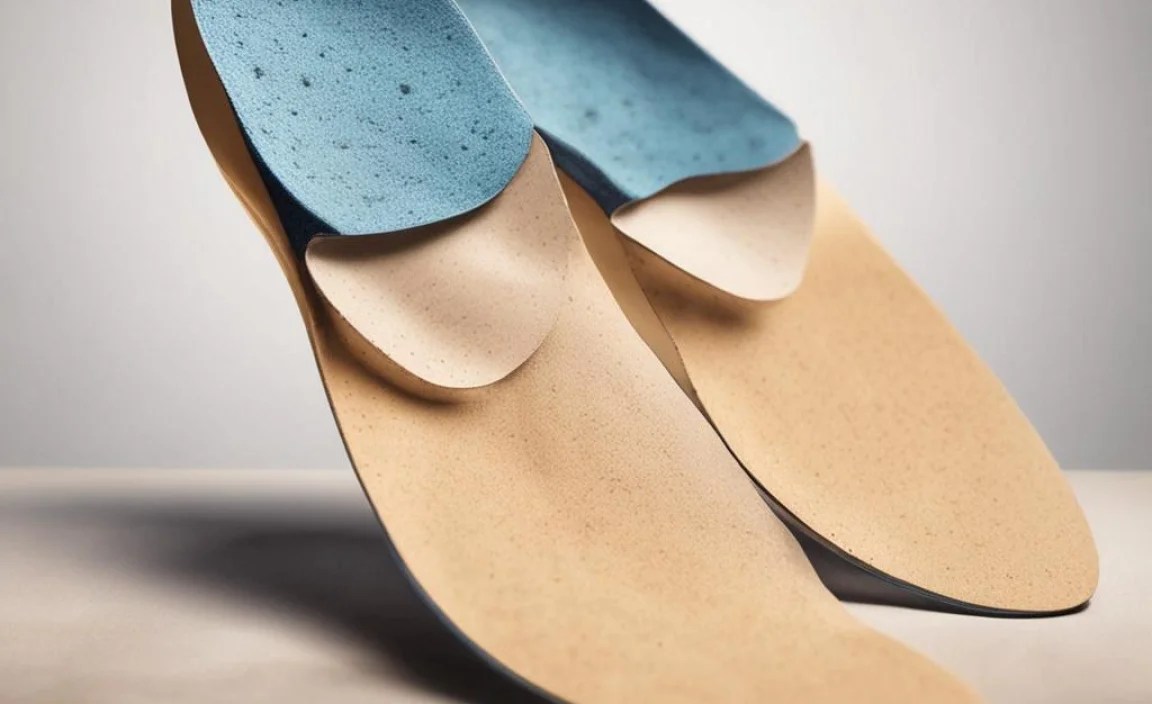
Before we dive into how insoles can help, let’s quickly understand why our feet swell after a flight. It’s a straightforward process:
- Gravity: When you sit for extended periods, gravity pulls fluids down towards your feet and ankles.
- Reduced Movement: In a confined airplane seat, your calf muscles don’t get to pump blood back up to your heart as effectively as they do when you’re walking.
- Cabin Pressure: While the pressure inside a plane is lower than on the ground, it can still contribute to fluid shifts in the body.
- Diet: Salty airplane snacks and dehydration can also play a role, leading your body to retain more fluid.
This combination can lead to that tight, achy feeling and visible puffiness. Fortunately, we can take proactive steps! For more information on travel-related swelling, the NHS explains the causes and potential treatments if you’d like to learn more from a health perspective.
How Insoles Help Combat Jet Lag Swelling

Insoles are more than just padding for your shoes; they can actively support your foot health and combat swelling. Here’s how they work their magic:
1. Enhancing Circulation
Many supportive insoles are designed to promote better blood flow. By providing gentle compression and encouraging proper foot alignment, they can help prevent stagnant fluid. Think of them as a subtle massage for your feet with every step, helping to push blood and fluid back up towards your heart.
2. Reducing Pressure Points
The thin, often unsupportive insoles in many shoes can lead to uneven pressure distribution. This can cause certain areas of your foot to bear more weight, contributing to discomfort and swelling. Insoles with good cushioning and contouring spread your body weight more evenly, reducing stress on sensitive areas.
3. Providing Arch Support
Proper arch support is crucial for maintaining good posture and reducing strain on your feet and legs. When your arches are adequately supported, your entire kinetic chain (from your feet to your back) functions more efficiently. This improved biomechanics can indirectly help reduce fluid pooling.
4. Absorbing Shock
Walking or standing for long periods, especially in unfamiliar environments, can be hard on your feet. Insoles with superior shock absorption help cushion your steps, minimizing the impact on your joints and tissues. This can lead to less inflammation and, consequently, less swelling.
Choosing the Right Insoles for Travel Swelling

Not all insoles are created equal, especially when it comes to tackling travel-related issues. Here’s what to look for:
Key Features to Consider:
- Cushioning: Look for insoles with ample cushioning, often made from materials like EVA foam or gel. This provides comfort and shock absorption.
- Arch Support: Determine your arch type (low, medium, or high) and choose insoles that offer corresponding support.
- Heel Cup: A well-defined heel cup helps stabilize your foot and can improve alignment, reducing strain.
- Breathability: Materials that allow air circulation can help keep your feet cooler and more comfortable, which can sometimes be a factor in swelling.
- Material: Consider materials that are lightweight and durable for travel.
Types of Insoles and Their Benefits for Travel
When it comes to insoles, there are a few main categories that can be beneficial:
1. Over-the-Counter (OTC) Comfort Insoles
These are your go-to for general comfort and mild support. They are readily available and can make a significant difference in everyday wear and for shorter trips.
- Pros: Affordable, widely available, can improve basic comfort.
- Cons: May lack specific support for conditions like jet lag swelling, less customizable.
- Best for: Mild swelling, improving general shoe comfort.
2. Diabetic Foot Insoles
Designed to reduce pressure and provide extra cushioning, these insoles are excellent for circulation and comfort. They often have features that redistribute pressure effectively.
- Pros: Excellent cushioning, pressure relief features, can improve circulation.
- Cons: Can be bulkier, might not offer strong arch support for everyone.
- Best for: Those seeking maximum cushioning and pressure reduction.
3. Athletic Support Insoles
These are engineered for stability, shock absorption, and support during high-impact activities. Their robust design can provide excellent general support for all-day wear.
- Pros: Excellent shock absorption, good arch and heel support, durable.
- Cons: Can be firmer, might require a break-in period.
- Best for: Active travelers who are on their feet a lot.
4. Custom-Molded Insoles
These are made specifically for your feet, offering the highest level of support and correction. If you have persistent foot issues or severe swelling, these are the most effective.
- Pros: Perfectly tailored to your feet, maximum support and correction.
- Cons: Most expensive, require a professional fitting.
- Best for: Chronic foot pain, severe swelling, or specific biomechanical issues.
For jet lag swelling, a good balance of cushioning and arch support is usually ideal. Many athletic support insoles or high-quality comfort insoles can provide this. If you’re unsure, consulting with a podiatrist can help you determine the best type for your specific needs.
Insole Materials and Their Impact on Swelling

The material of an insole plays a significant role in its effectiveness. Here’s a look at common materials and how they can help with travel swelling:
| Material | Benefits for Travel Swelling | Considerations |
|---|---|---|
| EVA (Ethylene-vinyl acetate) Foam | Lightweight, excellent cushioning and shock absorption, good flexibility. Helps reduce impact and pressure. | Can compress over time, less breathable than some other materials. |
| Polyurethane Foam | Durable, offers good balance of cushioning and support, often firmer than EVA. | Can be slightly heavier than EVA, may feel firmer initially. |
| Gel | Superior shock absorption and pressure relief, can feel cool and soothing. Great for comfort during long periods of standing or sitting. | Can be less supportive for very high arches, some gels can be slippery. |
| Cork | Molds to the shape of your foot over time, provides natural arch support, durable and breathable. | Can feel rigid initially, may require a break-in period, less cushioning than foam or gel. |
| Memory Foam | Conforms to your foot for a personalized fit, provides soft cushioning and comfort. | Can trap heat, may offer less support for high arches, can compress and lose effectiveness over time. |
For jet lag swelling, a combination of materials often works best. For example, an insole with an EVA base for cushioning and support, topped with a gel insert in the heel for extra shock absorption can be very effective. The American Podiatric Medical Association offers insights into foot structure and why support matters.
How to Use Insoles for Maximum Benefit During Travel
Simply buying a great pair of insoles isn’t quite enough; you need to use them wisely to get the most out of them:
1. Proper Insertion
Remove the existing insole from your shoes. Place the new insole inside the shoe to ensure it fits well. Some insoles may need to be trimmed to fit your specific shoe size accurately. Make sure the insole lies flat and doesn’t bunch up.
2. Break-In Period
Especially with firmer insoles or those offering structured support, it’s wise to wear them for a few hours each day before your trip. This allows your feet to adjust gradually, preventing initial discomfort and ensuring they’re ready for the demands of travel.
3. Wear Them During Flights
This is crucial! Wear shoes fitted with your chosen insoles for the entire duration of your flight. Keep your shoes on, even if you’re tempted to slip them off. Wearing them helps maintain support and circulation.
4. Stay Active (As Much As Possible)
Even with insoles, try to move around when possible. Get up and walk the aisle every hour or two. This is the most effective way to combat fluid buildup. Calf raises, ankle circles, and foot flexes while seated can also help immensely.
5. Hydration is Key
Drink plenty of water before, during, and after your flight. Staying hydrated helps prevent dehydration, which can worsen swelling. Try to limit salty snacks that can cause your body to retain fluid.
6. Elevate Your Feet
When you can, elevate your feet above your heart. This uses gravity to help drain excess fluid. On a plane, this might be as simple as resting your feet on your (clean!) carry-on bag. In your hotel, use the wall or pillows.
Using insoles is a proactive measure. Combine them with movement and hydration for the best results. A good pair of comfortable walking shoes with supportive insoles can be your best travel companions.
Debunking Common Insole Myths
There’s a lot of information (and misinformation) out there about insoles. Let’s clear up a few common myths:
Myth 1: Insoles are only for people with extreme foot pain.
Reality: While insoles can be incredibly helpful for those with foot conditions, they are also beneficial for anyone seeking increased comfort, better support, and improved posture during long periods of standing or activity. They’re for proactive health, not just reactive pain relief.
Myth 2: All insoles feel hard and uncomfortable.
Reality: Insoles come in a wide variety of materials and levels of cushioning. You can find incredibly soft, plush insoles designed for maximum comfort, as well as firmer, more structured ones for support. It’s about finding the right fit for your needs and preferences.
Myth 3: You can’t wear insoles with dress shoes or fashion footwear.
Reality: While some bulkier athletic insoles might not fit, many slim-profile, dress shoe insoles are available. These are designed to provide support and cushioning without taking up too much space or altering the look of your footwear.
Myth 4: Once you get insoles, you have to wear them forever.
Reality: Insoles are tools to help your feet. You might wear them consistently for a period to address a specific issue, or you might use them only for certain activities or shoes. Listen to your body and use them as needed.
Understanding these myths can help you make informed choices about using insoles to enhance your comfort, especially when traveling.
Travel Shoe Recommendations and Insole Compatibility
The shoe you wear is just as important as the insole you put in it. Here are some types of shoes that generally work well with insoles and are suitable for travel:
- Supportive Walking Shoes: These are often the best choice for travel. They typically have a removable insole and a decent amount of space to accommodate an aftermarket insole.
- Comfortable Sneakers: Most athletic sneakers are designed with cushioning and support in mind and usually have removable insoles.
- Hiking Boots: For active trips, hiking boots can provide excellent support. Ensure there’s enough room for your chosen insole without making the boot too tight.
- Some Loafers and Mary Janes: Certain styles of casual shoes, particularly those with a slightly deeper footbed, can accommodate thinner, supportive insoles.
Shoes to be cautious with:
- High Heels: These often have very little room and are not designed for insoles, nor are they good for preventing foot swelling.
- Ballet Flats: Typically possess minimal support and space for insoles.
- Very Tight-Fitting Shoes: Adding an insole will likely make these uncomfortable or impossible to wear.
Always ensure that when you add an insole, your shoe still feels comfortable and doesn’t pinch or rub. There should be about a thumb’s width of space between your longest toe and the end of the shoe.
FAQs About Insoles for Jet Lag Swelling
Frequently Asked Questions
Q1: Can insoles really help reduce swelling from flying?
A: Yes, supportive and well-cushioned insoles can significantly help by improving circulation, reducing pressure points, and providing a more stable walking surface, all of which aid in managing fluid buildup.
Q2: What kind of insoles should I look for if I have swollen feet after flights?
A: Look for insoles with good cushioning (like EVA or gel), adequate arch support that matches your foot type, and a deep heel cup for stability. Athletic support or specialized comfort insoles are often excellent choices.
Q3: How long does it take for insoles to start working for jet lag swelling?
A: You might feel an immediate difference in comfort. For noticeable reductions in swelling, it’s best to wear them consistently during travel and break them in beforehand. The benefits are cumulative.
Q4: Should I wear my insoles in my shoes on the plane?
A: Absolutely! Wearing shoes with insoles during your flight is a key step. It helps maintain foot support and encourages better circulation throughout the journey.
Q5: Can I put insoles in any type of shoe?
A: Most supportive insoles work best in shoes with ample space, like walking shoes, sneakers, or boots. While some thinner insoles fit in dressier shoes, very tight or shallow footwear might not be suitable.
Q6: What’s the difference between over-the-counter and custom insoles for travel swelling?
A: Over-the-counter insoles offer general support and cushioning for most people. Custom insoles are molded precisely to your feet and offer the most personalized correction and support, which can be beneficial for persistent or severe swelling.
Q7: Besides insoles, what else can I do to prevent swollen feet on a flight?
A: Stay hydrated by drinking plenty of water, avoid excessive salt, get up and walk around the cabin every hour or two, and do seated exercises like ankle circles and calf raises.
Conclusion: Step into Comfort on Your Next Journey
Jet lag swelling doesn’t have to be an inevitable part of your travel experience. By understanding why it occurs and how supportive footwear can make a difference, you’re already halfway there. Insoles offer a practical, accessible, and proven way to enhance comfort, improve circulation, and reduce the puffy, achy feeling in your feet and ankles after long flights.
Remember to choose insoles that offer a good blend of cushioning and support, consider your arch type, and break them in before you travel. Pair them with comfortable, well-fitting shoes, stay hydrated, and keep moving whenever possible. Your feet will thank you for it, allowing you to arrive at your destination feeling more refreshed and ready to explore.
