Quick Summary: Insoles can significantly boost comfort in jazz shoes by providing custom support, shock absorption, and pain relief. Choosing the right insoles addresses issues like arch instability and heel pain, transforming your dancing experience and preventing long-term foot problems.
Insoles For Jazz Shoes Comfort: Essential Gains

Jazz shoes are fantastic for expressive movement, but they don’t always offer the plush cushioning or arch support many dancers need, especially during long rehearsals or performances. This can lead to achy feet, tired arches, or even more serious discomfort. But don’t let foot fatigue hold you back! With the right insoles, you can unlock a new level of comfort and support in your favorite jazz shoes, allowing you to dance with confidence and joy. We’ll guide you through everything you need to know to make your jazz shoes a haven for your feet.
Why Your Jazz Shoes Might Need a Boost

Jazz shoes are designed for flexibility and a close fit, which is essential for precise movements. However, this design often means they lack built-in cushioning and robust arch support. This can be a recipe for discomfort, particularly for:
- Dancers spending many hours on their feet.
- Individuals with naturally flat arches or high arches.
- Those who experience foot pain, like plantar fasciitis or heel spurs.
- Anyone looking to enhance their overall foot health and posture.
Without adequate support, the impact of every plié, leap, and quick step can put unnecessary stress on your feet, ankles, and even your knees and back. Insoles act as a smart, simple solution to bridge this gap.
Understanding Insole Basics for Dancers
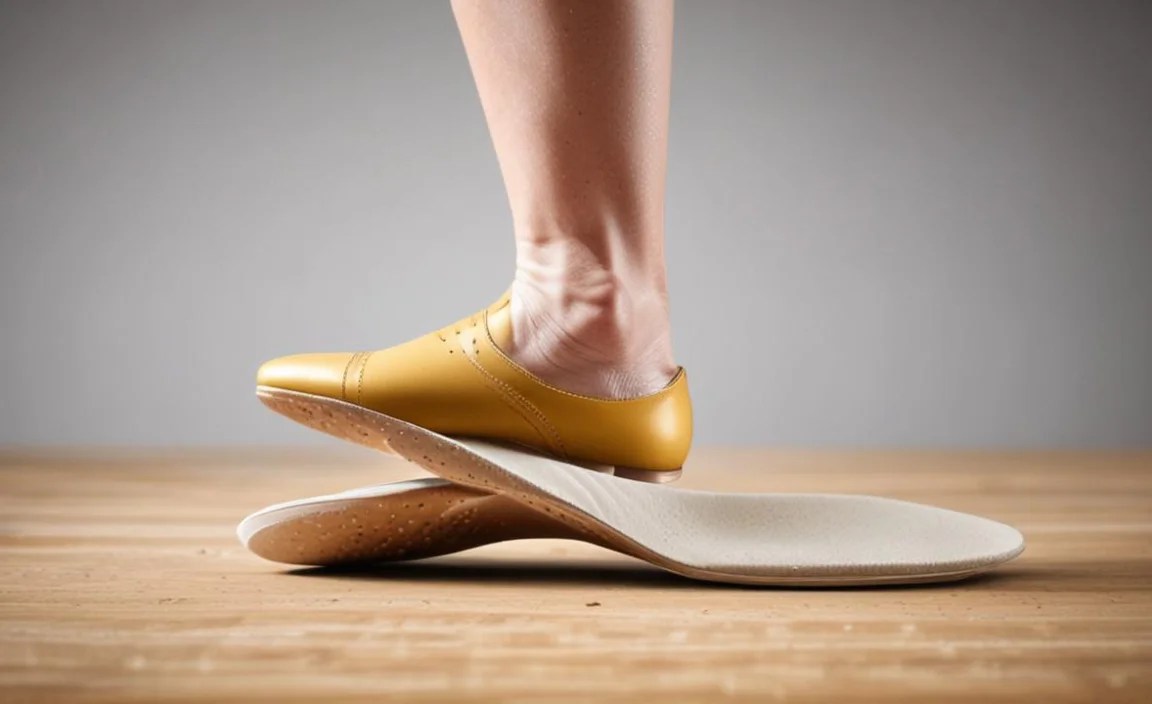
Insoles, also known as shoe inserts or orthotics, are placed inside your shoes to provide added comfort, support, and cushioning. They come in various types, each designed to address different foot needs. For jazz shoes, the goal is usually to enhance comfort without sacrificing the shoe’s flexibility and feel.
Types of Insoles to Consider

- Cushioning Insoles: These are typically made from soft materials like foam or gel. They offer excellent shock absorption, which is great for reducing the impact of dancing and making the shoes feel softer underfoot. They are ideal for general comfort and alleviating mild foot fatigue.
- Arch Support Insoles: If you have specific arch concerns (either too high or too flat), these insoles provide structured support to your arch. This helps distribute pressure more evenly across your foot, preventing strain and improving alignment. For jazz dancers, finding a balance between support and flexibility is key here.
- Performance Insoles: These are often a blend of cushioning and stability features, designed to enhance athletic performance. They can offer a good middle ground for dancers, providing support and energy return without feeling too rigid.
- Custom Orthotics: While more expensive and usually requiring a podiatrist’s assessment, custom orthotics are molded specifically to your feet. They offer the highest level of personalized support but are often not practical for the thin, flexible nature of jazz shoes.
For most jazz dancers, a well-chosen over-the-counter (OTC) cushioning or moderate arch support insole is the best starting point.
The Essential Gains of Using Insoles in Jazz Shoes

Adding insoles to your jazz shoes isn’t just about making them feel softer; it’s about investing in your foot health and enhancing your performance. Here are the key benefits:
1. Enhanced Comfort and Reduced Fatigue

The most immediate benefit is a noticeable increase in comfort. Insoles add a layer of cushioning that your jazz shoes might be missing. This means less pressure on the balls of your feet and heels, allowing you to dance longer without feeling that familiar ache. Think of it as giving your feet a gentle hug from the inside.
2. Improved Arch Support and Stability
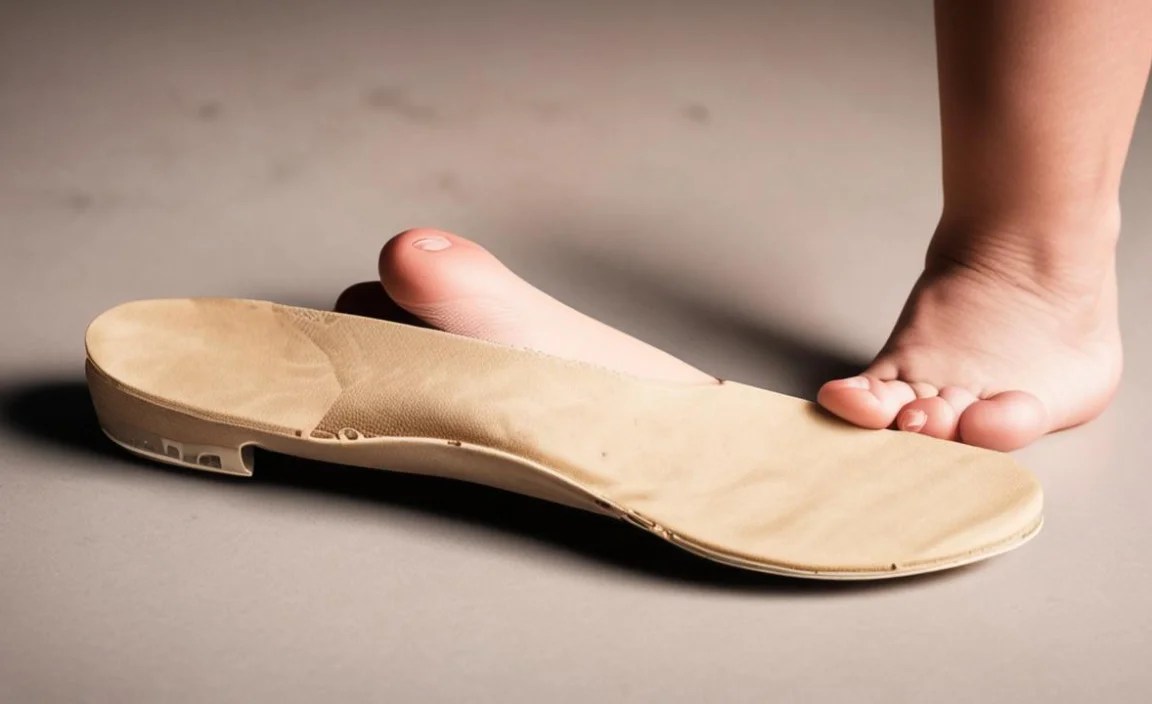
Whether you have flat feet or high arches, your natural foot structure might not be perfectly suited to the demands of jazz dance. Insoles with targeted arch support can help to:
- Distribute your body weight evenly across your foot.
- Prevent the arch from collapsing during impact.
- Reduce strain on the ligaments and muscles in your feet.
This stability helps prevent common issues like plantar fasciitis, which is pain in the sole of the foot, often felt in the heel.
3. Superior Shock Absorption
Every jump and step in jazz dance creates impact. Insoles, especially those made from gel or shock-absorbing foams, act as a buffer. They absorb a significant portion of this impact before it travels up your legs, reducing stress on your joints and helping to prevent injuries associated with repetitive shock.
4. Pain Relief and Prevention

Many foot ailments, from general soreness to specific conditions like metatarsalgia (pain in the ball of the foot) or heel pain, can be significantly eased by the right insoles. By providing proper alignment, support, and cushioning, insoles can correct biomechanical issues that contribute to pain, helping to prevent these problems from worsening over time.
5. Better Posture and Alignment
Your feet are the foundation of your body. When your feet are properly supported and aligned, it can positively impact your entire posture. This can lead to better body mechanics in dance, reducing the risk of injuries elsewhere in your body, such as in the knees, hips, and back.
How to Choose the Right Insoles for Your Jazz Shoes

Selecting the perfect insole requires a bit of thought. Here’s a step-by-step guide to help you find the best fit:
Step 1: Assess Your Foot Type and Needs

Before you shop, consider:
- Arch Height: Do you have flat feet, normal arches, or high arches? A quick way to check is the “wet test”: wet your feet, step onto a piece of paper, and examine the imprint. A full footprint suggests flat arches, a very thin or no imprint suggests high arches, and a middle-ground imprint indicates normal arches.
- Pain Points: Where do you feel discomfort the most? Is it the ball of your foot, your heel, your arch, or general soreness?
- Activity Level: How many hours do you dance per week? Are you training intensely or engaging in more casual classes?
Step 2: Consider Insole Thickness and Flexibility
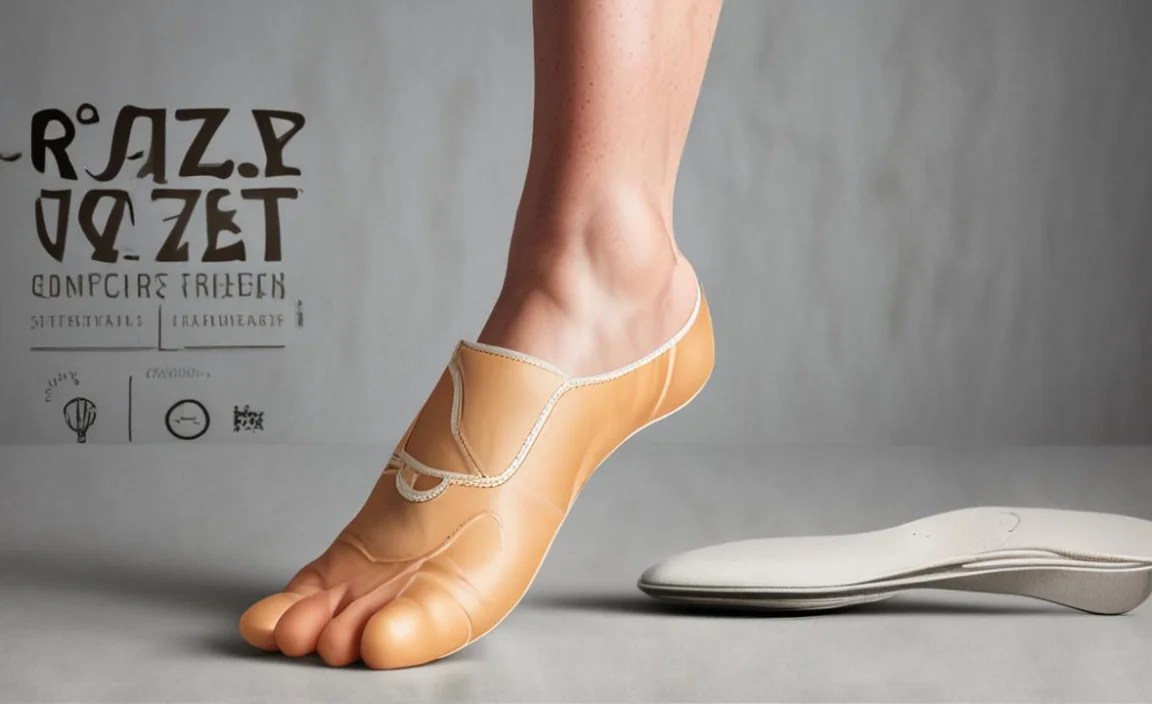
Jazz shoes are typically slim and flexible. You need insoles that complement this, not hinder it.
- Thin and Flexible: For most jazz shoes, opt for insoles that are relatively thin and flexible. Overly thick or rigid insoles can make the shoe too tight or alter the feel and flexibility needed for dancing.
- Material: Look for insoles made from breathable materials if possible, though this is less common in thin dance-specific insoles. Foam and lightweight gel materials are usually good choices.
Step 3: Prioritize Comfort and Support Balance

The “perfect” insole for jazz shoes strikes a balance. You want enough cushioning and support to feel a difference, but not so much that it makes the shoe feel bulky or restricts movement. Test insoles by walking and doing a few basic dance movements (if possible) in them.
Step 4: Read Reviews Specific to Dance or Similar Footwear

Look for reviews from other dancers or individuals who have used insoles in similar types of shoes. Real-world experiences can be incredibly valuable.
Popular Insole Options for Jazz Shoes: A Comparison

Here’s a look at some common insole features and what to look for:
| Feature | Description | Best For | Considerations for Jazz Shoes |
|---|---|---|---|
| Full-Length Cushioning Pads | Soft, often foam or gel layers that cover the entire insole area. | General comfort, reducing impact for moderate activity. | Can be a bit thicker. Ensure they don’t make the shoe too snug. Look for thinner profiles. |
| Metatarsal Pads | Targeted pads placed just behind the ball of the foot. | Relieving pressure and pain in the forefoot (metatarsalgia). | These are often stick-on and very discreet. Great if forefoot pain is your primary issue. |
| Heel Cups/Pads | Designed to cushion and stabilize the heel. | Reducing heel pain, plantar fasciitis, and providing heel shock absorption. | Excellent for dancers who feel impact most in their heels. Look for ones that are not too bulky. |
| Lightweight Arch Supports | Contoured inserts that provide gentle to moderate arch lift. | Mild to moderate arch pain, instability, or overpronation. | Crucial to find a flexible version. A rigid arch can impede the natural flex of the jazz shoe. |
How to Insert and Wear Insoles in Jazz Shoes

Putting insoles into your jazz shoes is straightforward, but a few tips can make the process smoother.
Step 1: Remove Existing Insoles (If Any)

Most jazz shoes don’t have removable insoles. If yours do, gently pull them out. If they are glued in, you can often place the new insole directly on top, but be mindful of the added thickness.
Step 2: Trim to Fit (If Necessary)

Inspect your new insoles. Many are designed to be trimmed to fit your specific shoe size. Use sharp scissors and try them in the shoe without trimming first. If they are too long, carefully trim small sections from the toe and sides until they fit snugly without bunching up or protruding.
Step 3: Place the Insole Carefully

Slide the trimmed insole into your jazz shoe. Ensure it lies flat against the bottom of the shoe, with no wrinkles or folds. The heel of the insole should align with the heel of the shoe.
Step 4: Test for Comfort and Fit

Put on your jazz shoes with the new insoles. Walk around, do a few basic dance steps if comfortable, and pay attention to:
- Snugness: Does the shoe feel too tight?
- Movement: Can you still flex your foot and point your toes naturally?
- Support: Do you feel a difference in cushioning and arch support?
- Rubbing/Pinching: Are there any new pressure points?
If the shoes feel too tight, you might need to try a thinner insole or consider stretching your jazz shoes slightly. Some insoles are designed to be used without the original insole, which might be the case if they are thicker.
Key Considerations for Dancers
As a dancer, the feel of your shoes is paramount. Here’s what to keep in mind:
Flexibility
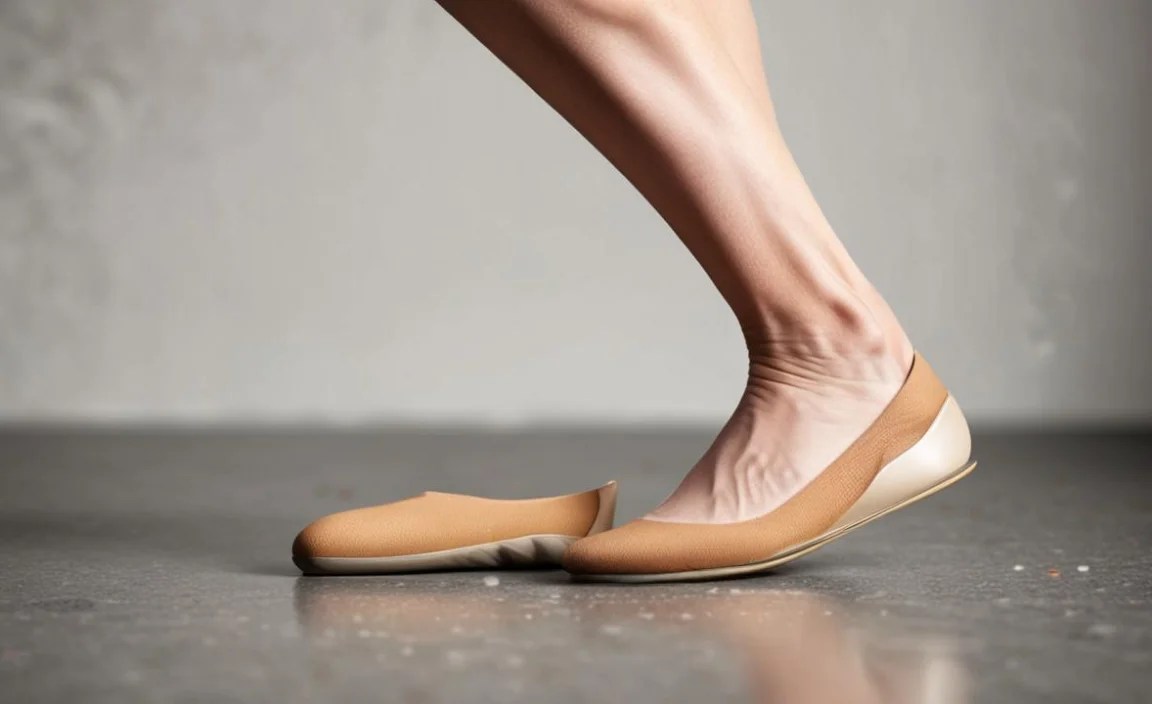
Jazz shoes are known for their flexibility. You need insoles that don’t stiffen the shoe or prevent you from pointing your toes or executing quick-footed movements. Lightweight, semi-flexible insoles are usually best. Avoid rigid orthotics that would make the shoe feel like a boot.
Thickness
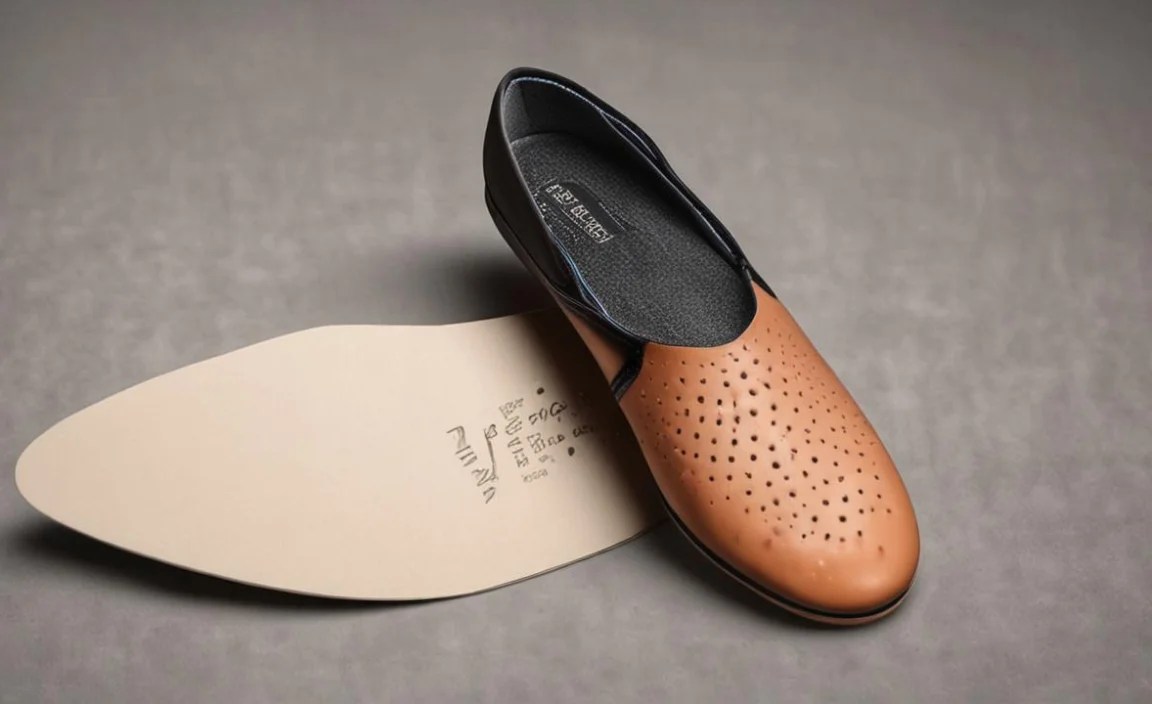
Jazz shoes have a snug fit. Adding an insole will take up space. It’s crucial to choose insoles that are thin enough not to make the shoe uncomfortably tight. If you have wide feet, this is an even more important factor.
Durability
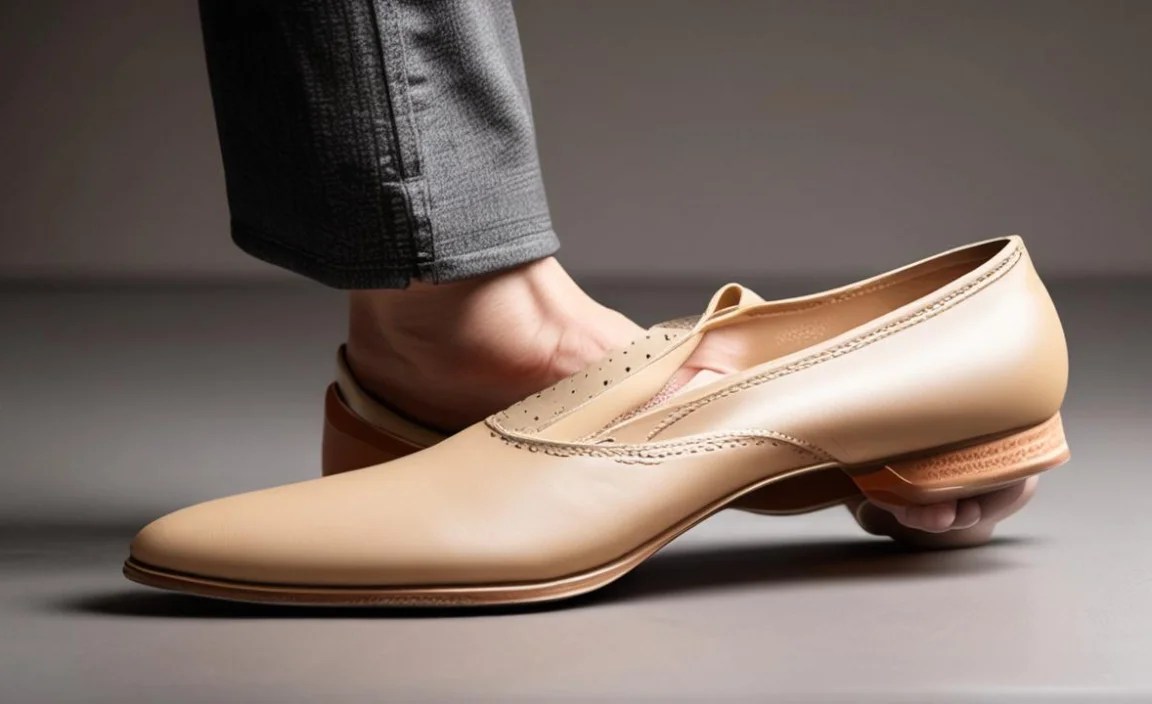
Dancers put their shoes through a lot. While specialized dance insoles might be more durable, for general comfort insoles, be prepared that they may need replacing periodically, especially if you dance frequently.
Hygiene
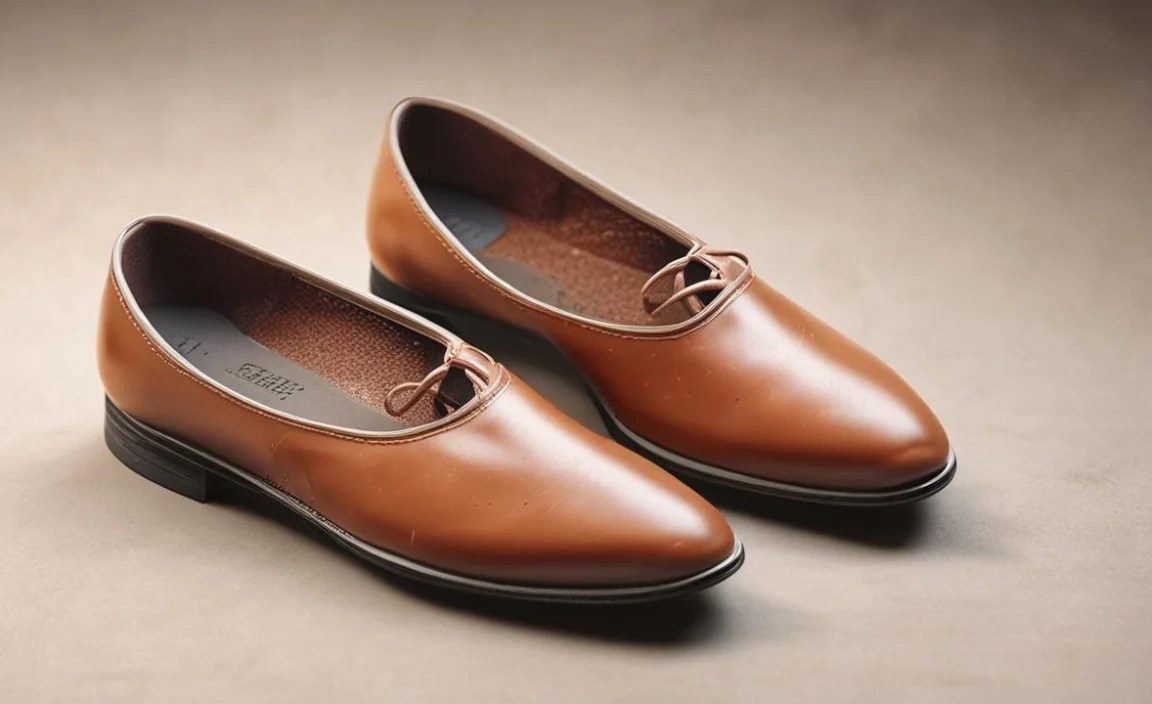
Dance shoes can get sweaty. If your insoles are removable, try to air them out after each use. Some cushioning insoles can be gently washed, but always check the manufacturer’s instructions. Odor-absorbing insoles or sprays can also be helpful.
For more information on foot mechanics and dancer’s foot health, the National Institutes of Health (NIH) offers valuable research on footwear and injury prevention.
Frequently Asked Questions (FAQs) About Insoles for Jazz Shoes
Q1: Can I wear regular shoe insoles in my jazz shoes?

A: Yes, but with caution. Look for thin, flexible cushioning or arch support insoles. Very thick or rigid insoles can make your jazz shoes too tight and restrict movement, so choose wisely.
Q2: How do I know if I need arch support insoles for my jazz shoes?

A: If you experience arch pain, foot fatigue that seems to radiate from your arch, or if your arches “fall” when you stand (flat-footed), arch support insoles can help. A simple wet test can also indicate your arch type.
Q3: Will adding insoles change the fit of my jazz shoes?

A: Yes, insoles add volume. They will make your shoes fit tighter. It’s important to choose thin insoles and test the fit to ensure the shoe remains comfortable and doesn’t become too constrictive.
Q4: How often should I replace the insoles in my jazz shoes?

A: This depends on usage and the insole’s quality. If you dance regularly, you might need to replace them every 3-6 months as they lose their cushioning and support. Look for signes of wear, flattened areas, or reduced comfort.
Q5: Are there special insoles made specifically for jazz shoes?

A: While there aren’t many brand-specific “jazz shoe insoles,” many brands offer thin, flexible, or “performance” insoles that work exceptionally well for dance shoes. Look for terms like “ballet,” “dance,” “thin,” or “flexible” when shopping.
Q6: My jazz shoes feel fine without insoles, why would I need them?

A: Even if you don’t feel immediate pain, insoles can offer preventative benefits. They can improve shock absorption and support, reducing long-term wear and tear on your feet and joints, contributing to healthier feet as you continue dancing.
Conclusion: Dancing Your Way to Happier Feet
Jazz shoes are an essential part of a dancer’s toolkit, enabling expression and agility. However, their inherent design can sometimes compromise comfort and foot health. By understanding the simple yet powerful benefits of insoles – from enhanced cushioning and shock absorption to vital arch support and pain relief – you can transform your dancing experience. Choosing the right insole, one that complements the unique requirements of jazz footwear by being thin, flexible, and supportive, is key. Don’t let foot discomfort dictate your passion. Investing a little time and effort into finding the perfect insoles can lead to significant gains, allowing you to move with greater confidence, comfort, and health for many years to come. Happy dancing!
