For hotel staff who stand all day, the right insoles are crucial. They reduce foot fatigue, prevent pain, and improve overall comfort and posture, making long shifts much more manageable. Invest in supportive insoles to protect your feet and enhance your well-being.
Insoles For Hotel Staff Standing: Essential Comfort

Working in a hotel often means being on your feet for hours on end. Whether you’re checking guests in, serving meals, or tidying rooms, constant standing can take a toll on your feet, legs, and even your back. Pain, fatigue, and discomfort are common complaints. But what if there was a simple, effective way to make those long shifts feel dramatically better? Insoles, also known as shoe inserts, can be a game-changer for hotel staff. They provide the extra cushioning, support, and alignment your feet need to combat the stresses of prolonged standing. In this guide, we’ll explore why insoles are a must-have for hotel professionals and how to choose the best ones for your unique needs.
Why Hotel Staff Need Special Foot Support
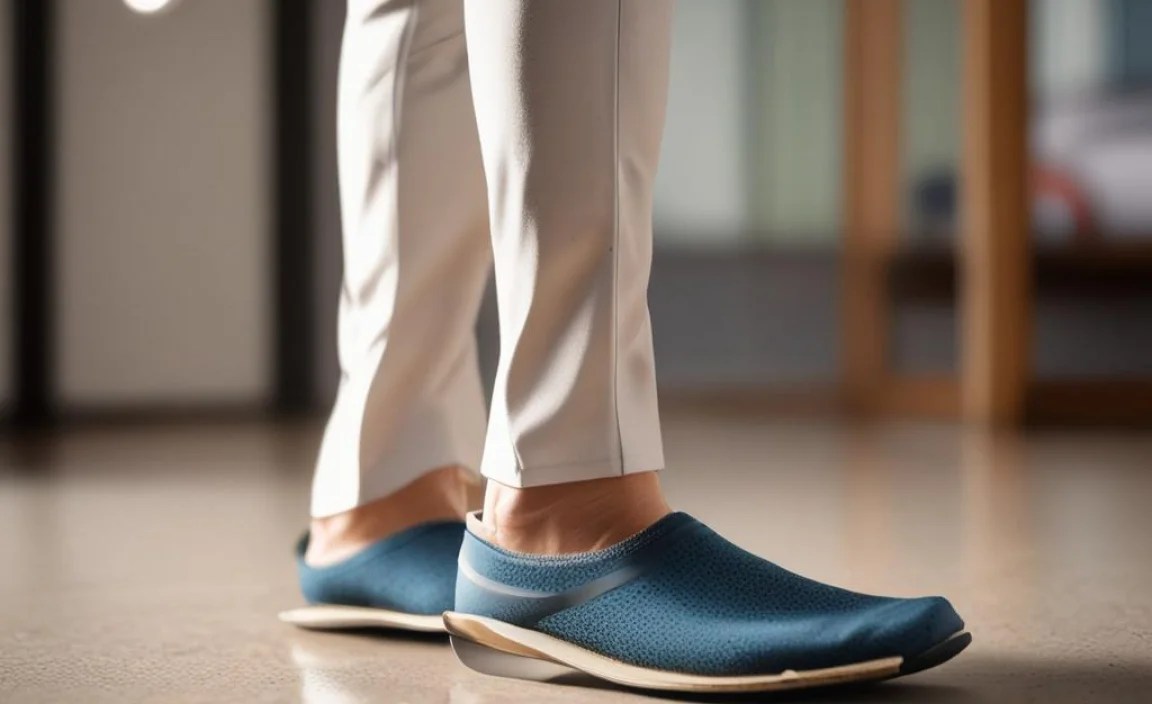
The hospitality industry is demanding. You’re constantly moving, often on hard flooring, for extended periods. This repetitive stress can lead to a range of problems:
- Foot Fatigue and Pain: The arches of your feet can ache, your heels might burn, and overall foot tiredness is a daily reality.
- Plantar Fasciitis: This common condition causes heel pain due to inflammation of the thick band of tissue on the bottom of your foot.
- Achilles Tendonitis: Inflammation of the tendon that connects your heel bone to your calf muscles, often caused by overuse.
- Metatarsalgia: Pain and inflammation in the ball of your foot.
- Shin Splints: Pain along the shin bone, often due to impact and muscle strain.
- Knee, Hip, and Back Pain: When your feet aren’t properly supported, it can affect your body’s alignment, leading to pain in your joints and back.
Hard surfaces and lack of natural shock absorption in many work shoes mean your feet bear the brunt of every step. Insoles act as a crucial buffer, providing much-needed cushioning and support to alleviate these issues.
Understanding Insole Basics

Not all insoles are created equal. They come in various types, materials, and levels of support. Knowing the basics will help you make an informed choice.
Types of Insoles
- Cushioning Insoles: These are designed for shock absorption and comfort. They are often made of soft materials like foam or gel and are great for general foot fatigue.
- Supportive Insoles (Orthotic Insoles): These provide more structured support, often with arch support and heel cups. They help to correct foot biomechanics and can be beneficial for conditions like flat feet or high arches.
- Activity-Specific Insoles: While less common for hotel staff, some insoles are designed for specific activities like running or hiking. However, for standing all day, cushioning and general support are key.
Materials Commonly Used
- Foam (EVA, Polyurethane): Lightweight, flexible, and offers good cushioning. EVA (ethylene-vinyl acetate) is a common, durable foam.
- Gel: Excellent for shock absorption and can provide targeted cushioning.
- Cork: Natural, moldable material that offers good support and breathability.
- Felt/Wool: Provides warmth and some cushioning, best for colder environments or if you prefer a softer feel.
- Carbon Fiber: Very rigid and supportive, but typically used for performance or severe biomechanical issues, less common for everyday comfort in hotel work.
For hotel staff, a combination of cushioning and supportive elements is often ideal. Look for insoles made from durable foam with a built-in arch support and a well-shaped heel cup.
Choosing the Right Insoles for Your Hotel Job

Selecting the perfect insole involves considering your specific work environment, footwear, and any existing foot conditions. Here’s a step-by-step approach:
Step 1: Assess Your Foot Type and Needs
Understanding your arch type is fundamental. You can test this by wetting your feet and stepping onto a piece of paper or a dry surface. The imprint will reveal your arch:
- Normal Arch: You’ll see about half of your arch. You likely have a balanced foot that doesn’t need major correction.
- Flat Arch (Low Arch): You’ll see almost your entire foot, indicating your arch collapses inward. You might need more arch support.
- High Arch: You’ll see very little of your arch, with most pressure on the heel and ball of your foot. You often need more cushioning and shock absorption, especially for the ball of the foot.
Consider the type of flooring you encounter most often. Hard surfaces like tile or concrete amplify impact, making cushioning essential. Also, think about the tasks you perform – are you mostly standing stationary, or do you walk long distances within the hotel?
Step 2: Evaluate Your Work Shoes
The best insoles will work in tandem with your existing footwear. Most hotel staff wear comfortable, supportive shoes like loafers, oxfords, or specialized work shoes. The insoles should fit comfortably inside these shoes without making them too tight. Some shoes have removable factory insoles, which are ideal for replacing with aftermarket ones. If your shoes have built-in, non-removable insoles, you might need thinner insoles or have less space for thicker, more supportive options.
If you’re unsure if your shoes offer adequate support, consider looking at shoes recommended by organizations like the American Podiatric Medical Association (APMA). While they don’t specifically rate shoes for hotel staff, their seal of approval indicates good design for foot health.
Step 3: Look for Key Features
When shopping for insoles, prioritize these features:
- Arch Support: Whether you have flat feet or high arches, appropriate arch support is crucial for distributing pressure evenly and preventing muscle strain.
- Heel Cushioning/Cup: A well-defined heel cup helps to stabilize your foot and absorb shock, protecting your heel bone and Achilles tendon.
- Metatarsal Support: If you experience pain in the ball of your foot, look for insoles with a metatarsal pad or support.
- Durability: Insoles are an investment. Choose those made from high-quality, resilient materials that won’t flatten out quickly after a few weeks.
- Breathability: Materials that allow air circulation can help keep your feet dry and reduce the risk of fungal infections.
Step 4: Consider Different Brands and Models
There are many reputable brands offering excellent insoles. It’s often a process of trial and error to find what works best for you. Some popular brands known for quality include:
- Superfeet
- OFSort
- Powerstep
- Dr. Scholl’s (look for their supportive or athletic lines for longer wear)
- Currex
Read reviews specifically from people who stand for long hours. Many hotel staff members share their experiences online, which can be incredibly valuable.
Top Insole Recommendations for Hotel Staff
Based on common needs for prolonged standing, here are a few types of insoles that tend to be highly effective. Remember to check sizing carefully and consider consulting with a podiatrist if you have persistent pain.
Best All-Around Support & Cushioning
These insoles offer a good balance of shock absorption and arch support, suitable for most hotel staff with normal to moderately flat arches.
Key Brands to Consider:
- Superfeet Green or Blue: Known for their semi-rigid support and deep heel cup. They provide excellent stability and shock absorption for long hours.
- Powerstep Pinnacle: A popular choice offering a good blend of cushioning and firm arch support. They can help improve foot alignment.
When to choose: If you experience general foot fatigue, heel pain, or mild arch discomfort, and your shoes have decent space for an insole.
Best for Maximum Cushioning & Shock Absorption
If you work on very hard floors or have a job with a high impact, these insoles prioritize cushioning to absorb maximum shock.
Key Brands to Consider:
- OFSort High Arch Support Insoles: Often feature a softer top layer with supportive foam underneath, providing comfort without excessive firmness.
- Dr. Scholl’s (e.g., Massaging Gel or Shock Stop models): While some Dr. Scholl’s are basic, their more advanced models provide significant gel cushioning, which can feel very comfortable on hard surfaces.
When to choose: If your primary complaint is jarring impacts, heel pain, or a general feeling of hardness underfoot. This can also be good for those with high arches who need more shock absorption on the forefoot.
Best for Addressing Specific Conditions (Plantar Fasciitis, Overpronation)
If you’ve been diagnosed with a specific foot condition or experience significant overpronation (where your foot rolls inward excessively), you might benefit from more specialized orthotic insoles.
Key Brands to Consider:
- Powerstep Orthotics (e.g., Pro-Tech, SlimTech): These offer firmer, more structured support designed to control foot motion and provide relief from conditions like plantar fasciitis.
- Superfeet (e.g., specific orthotic models): Superfeet also offers insoles with more aggressive correction for alignment issues.
When to choose: If you have ongoing, specific pain like plantar fasciitis, or if a healthcare professional has recommended orthotics to correct your gait.
How to Properly Insert and Use Insoles
Getting the most out of your insoles involves more than just buying them. Proper insertion and use are key to comfort and longevity.
Step 1: Remove Existing Insoles
If your current shoes have removable insoles, take them out. This usually involves a simple pull. If they are glued in, you might need to carefully pry them out or cut them away, but be cautious not to damage the shoe’s interior.
Step 2: Trim Insoles if Necessary
Most insoles are designed to be trimmed to fit your specific shoe size. They often have guide lines for different shoe sizes. Place the new insole on top of your shoe’s original insole (if it was removable, use that as a guide) or directly into the shoe. Trace the outline of the shoe’s interior onto the insole with a pen. Use sharp scissors or a utility knife to cut along the traced line. It’s better to cut slightly smaller than too large; you can always trim more if needed.
Step 3: Insert the New Insoles
Slide the trimmed insoles into your shoes. Ensure they lie flat and are properly positioned, with the heel cup sitting snugly against the back of the shoe. Make sure there are no wrinkles or lumps that could cause discomfort.
Step 4: Break Them In
Don’t wear your new insoles for a full 12-hour shift right away. Start by wearing them for a few hours each day. This allows your feet to gradually adjust to the new support and cushioning, reducing the risk of blisters or soreness. Gradually increase the wear time over a few days or a week.
Step 5: Maintain and Replace
Insoles wear out over time. Depending on the material and how much you wear them, they typically last between 6 months to a year. Signs that it’s time for new insoles include:
- Loss of cushioning (you can feel harder impacts)
- Flattened arch support
- Visible wear and tear (cracks, holes)
- Return of foot pain
Clean your insoles occasionally according to the manufacturer’s instructions, usually by hand washing with mild soap and water and air drying. This helps keep them hygienic and can extend their lifespan.
Common Insole Myths Debunked
Let’s clear up some common misconceptions about insoles so you can feel confident in your choice.
- Myth: Insoles are only for people with foot problems.
Fact: Insoles are great for anyone who spends a lot of time on their feet, providing preventative care and comfort. - Myth: All insoles are hard and uncomfortable.
Fact: While some orthotics are firm for correction, many insoles prioritize plush cushioning for maximum comfort. - Myth: You need a prescription for good insoles.
Fact: Over-the-counter insoles are effective for many people. Prescription orthotics are typically reserved for severe medical conditions. - Myth: Insoles will permanently change your foot shape.
Fact: Insoles support your foot’s natural structure while worn; they don’t alter bone or tissue structure permanently. - Myth: One pair of insoles fits all shoes perfectly.
Fact: Different shoes require different types and thicknesses of insoles. Some insoles are designed to be trimmed for a custom fit.
Insoles vs. Footwear: What’s More Important?
While insoles are incredibly beneficial, they are not a substitute for properly fitting, supportive footwear. Think of them as a powerful enhancement. Your shoes provide the foundational structure, and the insoles add the advanced comfort and tailored support.
A solid foundation: Your work shoes should offer good:
- Fit: Not too tight, not too loose, with enough room for your toes.
- Cushioning: Some built-in shock absorption is helpful.
- Stability: A firm heel counter helps keep your foot in place.
- Slip Resistance: Crucial for safety in a hotel environment.
The powerful upgrade: Insoles then come in to:
- Add extra cushioning to hard soles.
- Provide specific arch support tailored to your foot.
- Correct minor biomechanical issues.
- Enhance overall comfort for prolonged standing.
The ideal scenario is to combine high-quality, comfortable work shoes with a well-chosen pair of insoles designed for prolonged standing.
When to Seek Professional Help
While insoles can solve many comfort issues, they are not a miracle cure for all foot problems. If you experience:
- Severe or persistent pain that doesn’t improve with insoles.
- Signs of infection, such as redness, swelling, or warmth.
- Numbness or tingling in your feet.
- Sudden onset of pain after an injury.
Then it’s time to consult a healthcare professional. A podiatrist (foot doctor), physical therapist, or your primary care physician can diagnose your condition and recommend the best course of treatment, which may include custom orthotics, physical therapy, or other interventions. The American Orthopaedic Foot & Ankle Society (AOFAS) is a great resource for finding foot and ankle specialists.
Frequently Asked Questions (FAQ)
Q1: How often should hotel staff replace their insoles?
Most insoles last between 6 to 12 months, depending on the quality, material, and how frequently they are used. If you notice a loss of cushioning or support, or if your foot pain returns, it’s likely time for a new pair.
Q2: Can I use the same insoles for all my work shoes?
Ideally, you should have a pair of insoles for each pair of work shoes you regularly wear. This ensures your shoes are always equipped with the support you need and also helps the insoles last longer by allowing them to air out between uses.
Q3: My feet hurt more with the new insoles. What should I do?
This can happen during the break-in period. Try wearing the insoles for shorter periods each day and gradually increase the duration. If the discomfort persists after a week or two, the insoles might not be the right fit for your feet or shoes. Double-check that you have the correct size and type of insole for your arch height and foot condition.
Q4: Do insoles help with back pain caused by standing?
Yes, they can significant help. Proper foot support from insoles can improve your body’s alignment, from your feet all the way up to your back. By distributing pressure more evenly and absorbing shock, insoles can reduce the strain on your legs, hips, and spine, leading to less back pain.
Q5: Are gel insoles or foam insoles better for hotel staff?
It depends on your primary need. Gel insoles offer excellent shock absorption, which is great if you work on very hard surfaces. Foam insoles (like EVA or polyurethane) are generally lighter.
