Insoles after hip surgery can play a surprisingly significant role in your comfort and overall recovery process. While the focus after hip replacement or other hip surgeries often centers on physical therapy, pain management, and wound healing, the importance of proper footwear and the internal support it provides is frequently overlooked.
Your feet are your foundation, and when that foundation is compromised by the body’s altered mechanics post-surgery, the ripple effect can be felt all the way up to your hips. This article will explore how the right insoles can make a tangible difference in your journey back to mobility and comfort.
The primary goal following hip surgery is to regain strength, flexibility, and pain-free movement. However, individuals often experience discomfort, gait abnormalities, and even secondary pain in other areas of their body due to the surgical intervention. This can manifest as a limp, uneven stride, or pressure points on the foot.
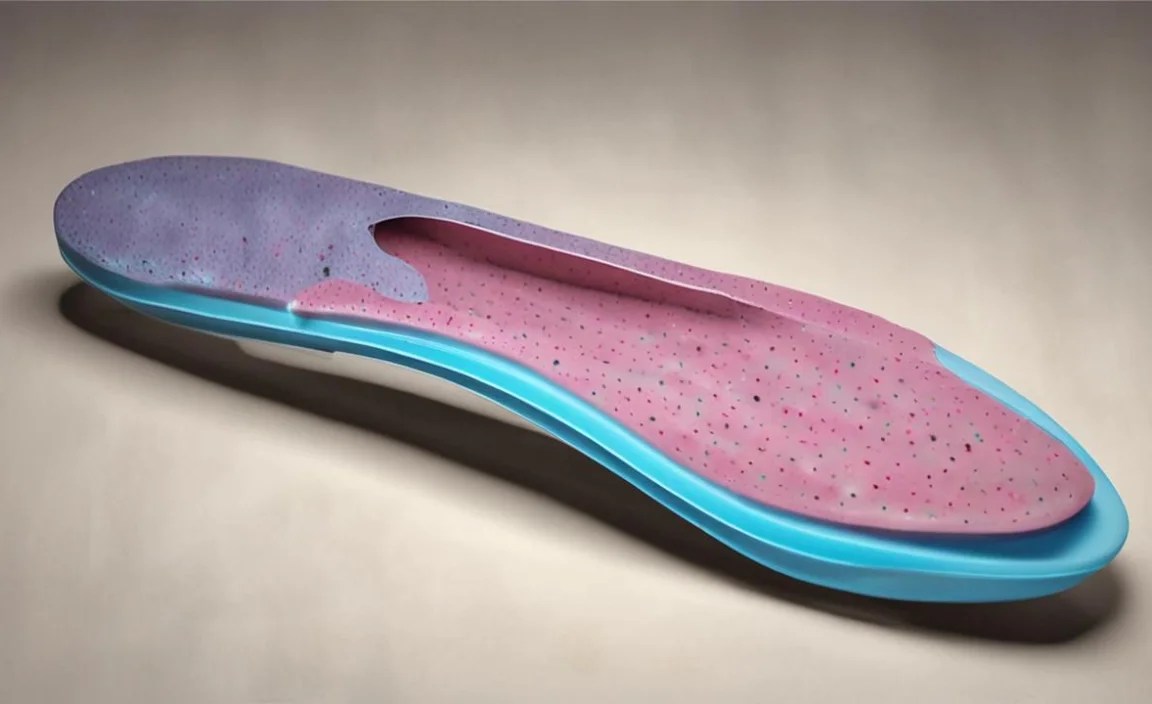
Insoles, sometimes referred to as orthotics, are specifically designed inserts that are placed inside your shoes to provide additional cushioning, support, and alignment. They are not merely a comfort item but a functional tool that can directly address some of the biomechanical challenges encountered post-hip surgery.
Understanding the Impact of Hip Surgery on Your Body

Hip surgery, whether it’s a total hip replacement, hip resurfacing, or a repair of a labral tear or fracture, fundamentally alters the way you move. The hip joint is a ball-and-socket joint that bears a significant amount of weight and facilitates a wide range of motion. When this joint is damaged, surgically altered, or replaced, your body has to adapt. This adaptation can lead to several issues that insoles can help mitigate:
Altered Gait and Weight Distribution: Your natural walking pattern may change to compensate for pain, stiffness, or reduced range of motion. This can result in uneven weight distribution across your feet, placing excessive stress on certain areas.
Muscle Imbalances: The muscles around the hip, thigh, and even the core may become imbalanced as you unconsciously favor certain movements or postures. This can affect the alignment of your entire kinetic chain, including your ankles and feet.
Foot Pain and Discomfort: The shift in weight bearing and altered gait can lead to new or exacerbated foot pain, such as plantar fasciitis, heel spurs, or general soreness.
Balance and Stability Issues: Instability in the hip can translate to a lack of confidence in your balance, making you more prone to falls, especially in the initial stages of recovery.
The Role of Insoles After Hip Surgery

Given these potential challenges, the inclusion of insoles after hip surgery can be a valuable component of your recovery strategy. Here’s how they can help:
Enhanced Cushioning and Shock Absorption: Post-surgery, your body is more sensitive to impact. Insoles, especially those made from materials like EVA foam or gel, provide an extra layer of cushioning, reducing the shock that travels up your leg with every step. This can significantly alleviate discomfort in your feet, ankles, and even your recovering hip.
Improved Arch Support and Stability: Many people experience compromised arch support after hip surgery due to gait changes. Insoles with targeted arch support can help maintain the natural structure of your foot, preventing the arch from collapsing and distributing pressure more evenly. This improved foot stability can, in turn, contribute to better hip alignment.
Corrective Biomechanics and Gait Training: For individuals with noticeable gait deviations, custom or semi-custom insoles can be designed to gently guide your foot through a more natural motion. This can help retrain your walking pattern, reduce compensatory limping, and promote more efficient movement.
Pressure Point Relief: Certain areas of the foot might bear more weight than usual after hip surgery. Insoles can redistribute this pressure, offloading sensitive spots and preventing the development of painful calluses or blisters.
Increased Comfort and Confidence: Ultimately, the goal is to move with greater comfort and confidence. Well-chosen insoles can reduce general foot fatigue and soreness, allowing you to walk for longer periods and engage more readily in your physical therapy exercises. This increased comfort can be a powerful motivator during a challenging recovery.
Choosing the Right Insoles for Your Needs

Not all insoles are created equal, and the best choice for you will depend on your individual needs and the specific recommendations of your healthcare provider. Here are some factors to consider:
Type of Hip Surgery: The nature of your surgery (e.g., replacement, repair) might influence the type of support you need.
Existing Foot Conditions: If you have pre-existing foot issues like flat feet, high arches, or plantar fasciitis, you’ll need insoles that address these concerns in conjunction with your hip recovery.
Shoe Type: Ensure the insoles fit comfortably within your regular walking or therapeutic shoes. Some insoles are thinner and designed for dress shoes, while others are more robust for athletic footwear.
Material and Cushioning: Consider the level of cushioning you require. Softer insoles offer more shock absorption, while firmer ones provide better support and stability.
Professional Consultation: It is highly recommended to consult with your surgeon, a physical therapist, or a podiatrist before purchasing or using insoles. They can assess your biomechanics, identify any specific needs, and recommend the best type of insole. In some cases, custom orthotics prescribed by a podiatrist may be the most effective solution.
When to Consider Using Insoles
While insoles can be beneficial throughout the entire recovery, they are particularly helpful in the initial to intermediate stages of rehabilitation when mobility and gait are most affected. As you progress and regain strength and balance, the need for extensive over-the-counter insoles might decrease, though some individuals find ongoing benefit. Listen to your body and any advice from your medical team.
In conclusion, don’t underestimate the power of your footwear and its internal support system when recovering from hip surgery. Insoles after hip surgery are more than just foot comfort enhancers; they are functional aids that can contribute to improved gait, reduced pain, and a smoother, more comfortable path to recovery. By understanding your body’s needs and seeking appropriate guidance, you can leverage the benefits of insoles to help you get back on your feet with greater ease and confidence.
