Quick Summary: Insoles for hiking with flat feet provide crucial arch support, shock absorption, and alignment. They transform challenging trails into comfortable journeys by reducing strain, preventing pain, and enhancing stability, ensuring you can explore further and enjoy every step.
Insoles for Hiking Flat Feet: Essential Comfort Now

Hiking is an incredible way to connect with nature, but if you have flat feet, it can often come with discomfort. The lack of a natural arch means your feet might not absorb shock as well, leading to pain in your arches, heels, and even your knees or back. It can feel like every step is a challenge, making you hesitant to hit the trails. But don’t let flat feet keep you from adventure! With the right insoles, you can bring back the comfort and stability you need to hike happy.
In this guide, we’ll walk you through everything you need to know about finding and using the best insoles for hiking with flat feet. We’ll cover what makes insoles work for flat arches, how to choose the right pair, and the benefits they bring. Get ready to rediscover the joy of hiking!
Understanding Flat Feet and Hiking Challenges

Flat feet, also known as pes planus, occur when the arch on the inside of your foot collapses, causing the entire sole of your foot to touch the ground. For many, this is a natural variation and doesn’t cause problems. However, when you’re hiking, especially on uneven terrain, flat feet can present some unique challenges:
- Reduced Shock Absorption: The natural arch of the foot acts like a spring, absorbing the impact of each step. Without this, the shock travels up your leg, putting extra stress on your joints.
- Overpronation: Flat feet often lead to overpronation, where your foot rolls inward excessively during movement. This can cause misalignment in your ankles, knees, and hips, leading to pain and potential injuries.
- Increased Fatigue: The muscles and ligaments in your feet have to work harder to stabilize your gait, leading to quicker fatigue and soreness.
- Plantar Fasciitis Risk: The strain on the plantar fascia – the band of tissue connecting your heel to your toes – is often increased with flat feet, making it more susceptible to inflammation and pain.
- Instability on Uneven Ground: A collapsed arch can make balancing on rocks, roots, and inclines more difficult, increasing the risk of
- twists
- falls
- sprains
When you’re hiking, your feet endure prolonged pressure and impact. Without proper support, these common issues can turn a fun hike into a painful ordeal. This is where specialized insoles come into play, offering targeted support and cushioning to counteract these challenges.
What to Look for in Hiking Insoles for Flat Feet

Not all insoles are created equal, and for flat feet, specific features are essential. When you’re eyeing up pairs for your hiking boots, keep these key characteristics in mind:
1. Arch Support
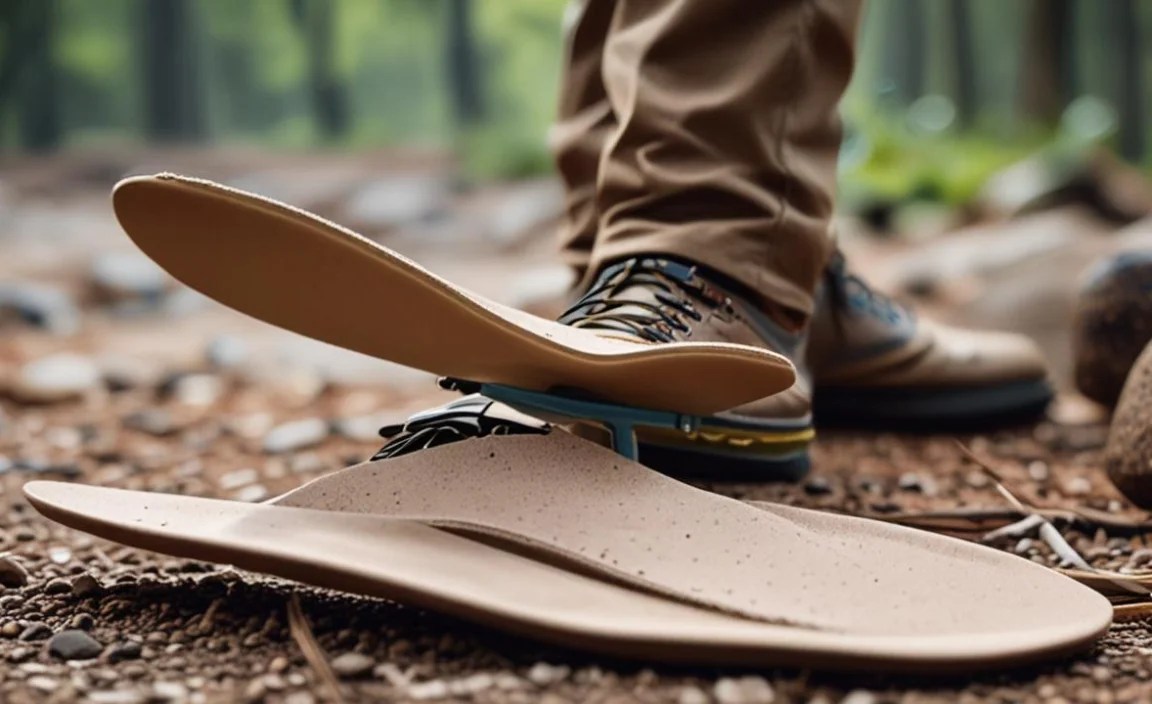
This is the most critical factor for flat feet. Look for insoles with:
- Firm, Contoured Arch Support: The insole should have a substantial, shaped support that gently lifts and cradles your arch. It shouldn’t be too soft, or it will compress and offer no real support.
- Moderate to High Arch Height: Flat feet often require more significant arch support than those with a normal arch. While extreme heights might fit some, a moderate to high profile is usually a good starting point.
2. Heel Cup Depth
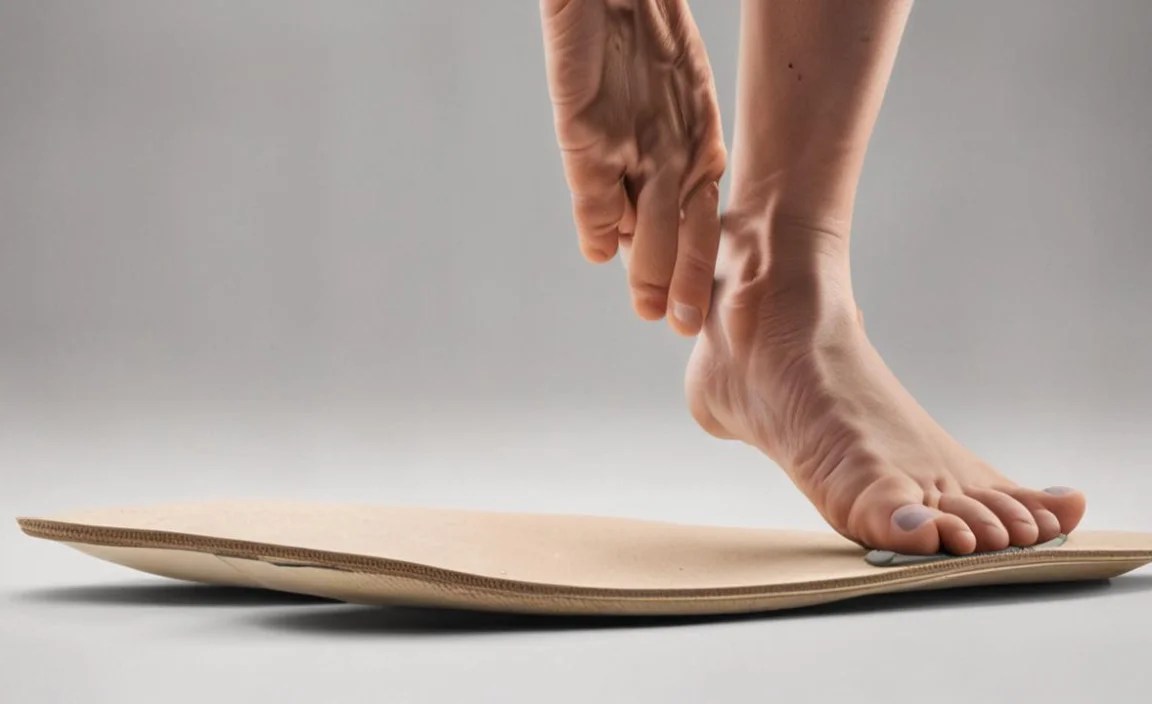
A deep heel cup is vital for stability and alignment. It works to:
- Cup Your Heel: This helps to secure your heel in place, preventing it from sliding, which is common with overpronation.
- Provide Shock Absorption: A well-cushioned heel cup absorbs the impact of heel strikes, reducing stress on your feet and body.
- Promote Neutral Alignment: By keeping your heel stable, it helps to encourage a more natural foot strike and reduce inward rolling.
3. Cushioning and Shock Absorption
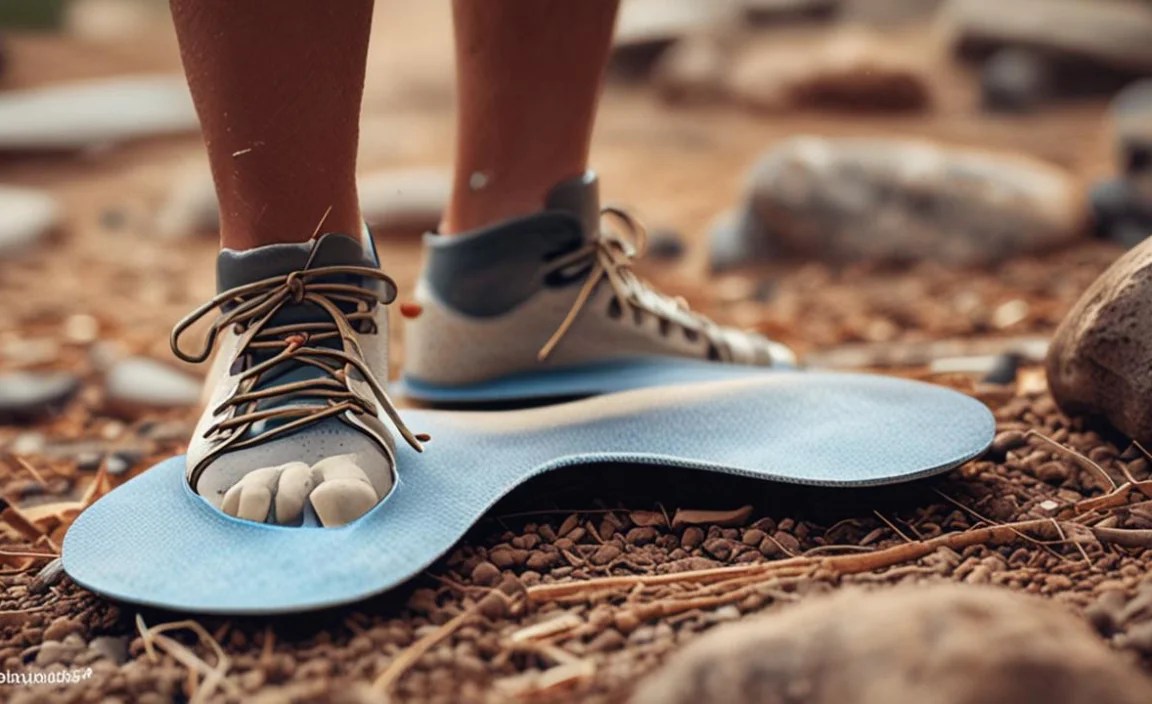
Hiking puts constant stress on your feet. Good insoles should offer:
- Forefoot and Heel Cushioning: Look for materials like EVA foam, a composite material known for its lightweight and shock-absorbing properties.
- Midsole Support: Some insoles have a firmer layer in the midsole to provide additional support and prevent the insole from compressing too quickly under pressure.
4. Stability Features
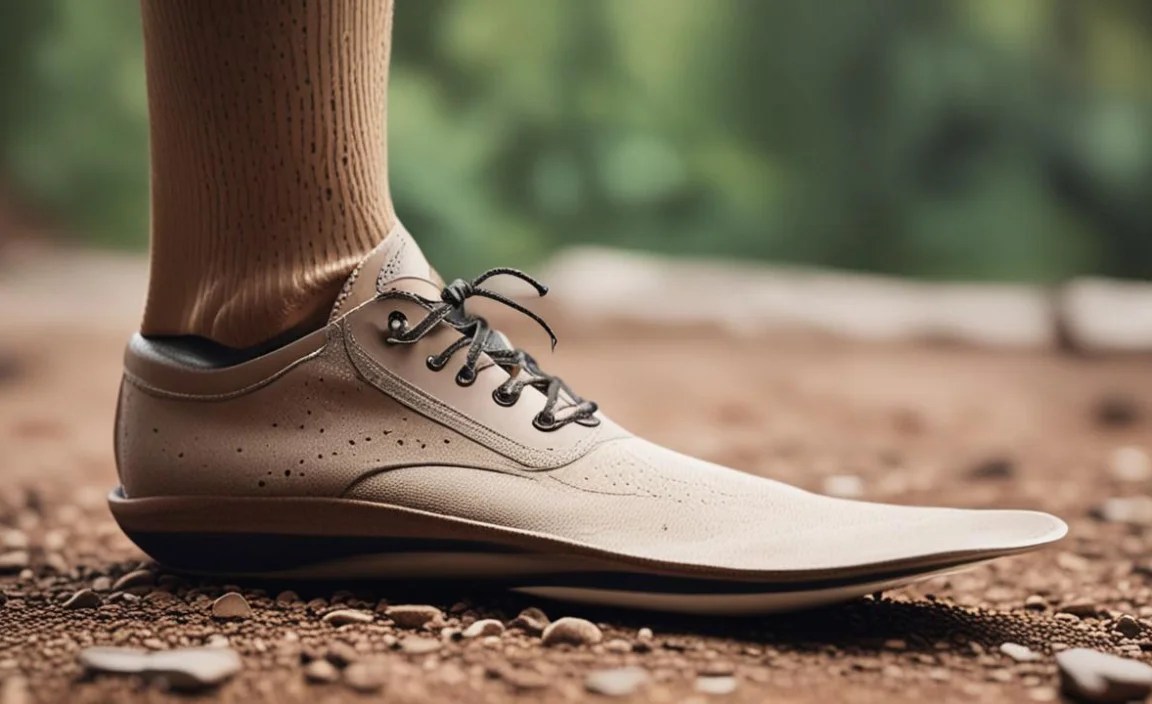
Beyond arch support, consider:
- Rigid or Semi-Rigid Construction: Insoles that are too flexible can offer little benefit. A firmer construction helps maintain the insole’s shape and provides a stable platform.
- Metatarsal Pads (Optional but beneficial): Some insoles include a small pad beneath the ball of your foot. This can help to spread your toes and alleviate pressure points.
5. Material and Durability
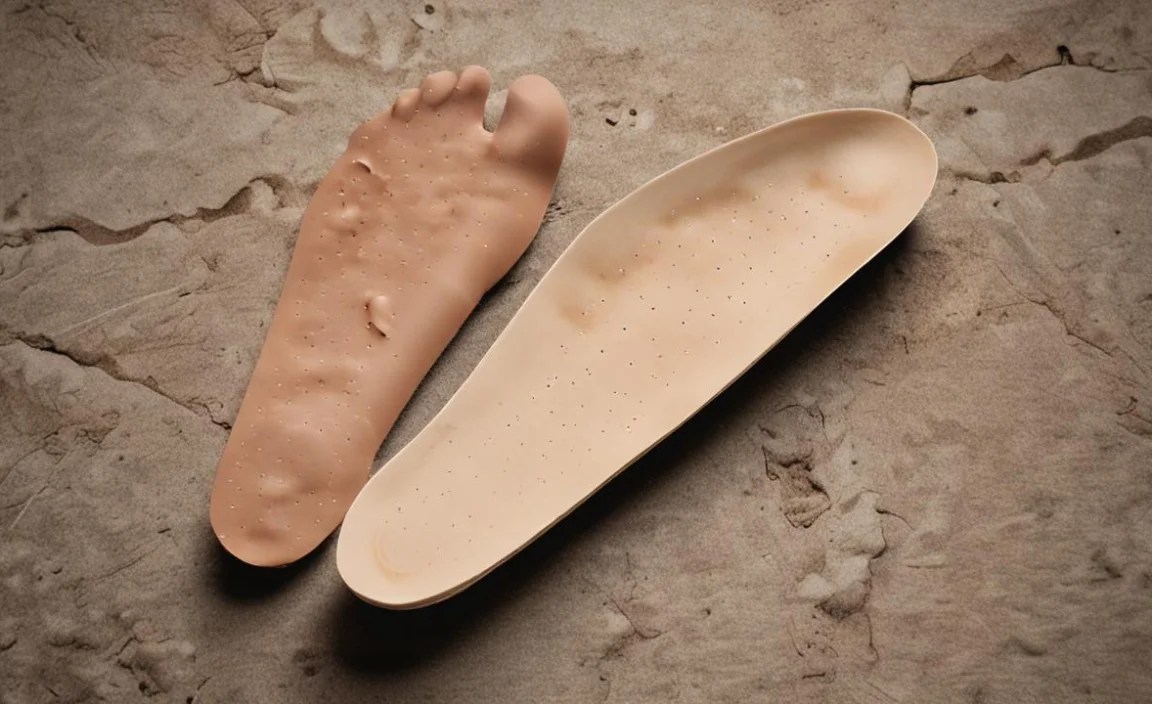
Hiking insoles need to withstand rugged conditions:
- Moisture-Wicking Topsheets: Materials like polyester or antimicrobial fabrics help keep your feet dry and prevent blisters.
- Durable Base Materials: Look for insoles made from robust foams or composites that won’t break down quickly.
6. Fit and Compatibility
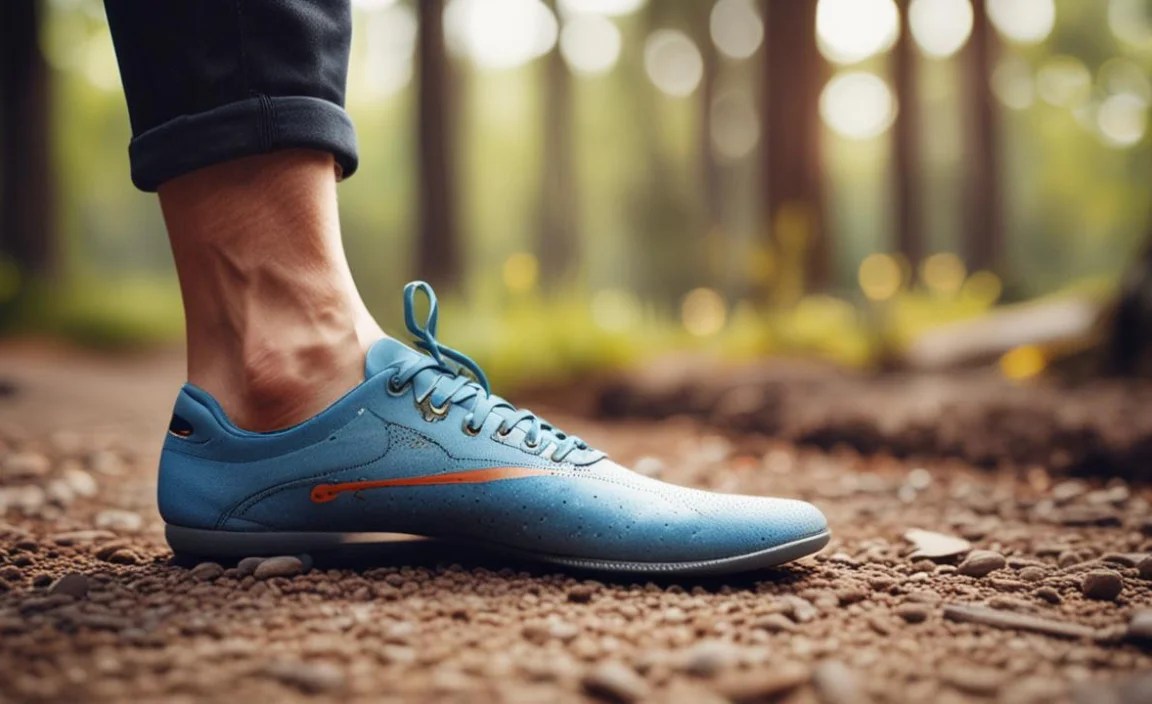
The best insole is useless if it doesn’t fit your hiking boots:
- Trimmable Designs: Many good insoles can be trimmed to fit the exact shape of your boot’s interior.
- Consider Boot Volume: Some insoles add significant thickness. Ensure your hiking boots have enough room to accommodate them without making your feet feel cramped.
Types of Insoles for Flat Feet Hiking

Insoles generally fall into a few categories based on their purpose and construction. For hiking with flat feet, we’re primarily looking at supportive and stabilizing options.
1. Supportive Insoles (Arch Support Focus)
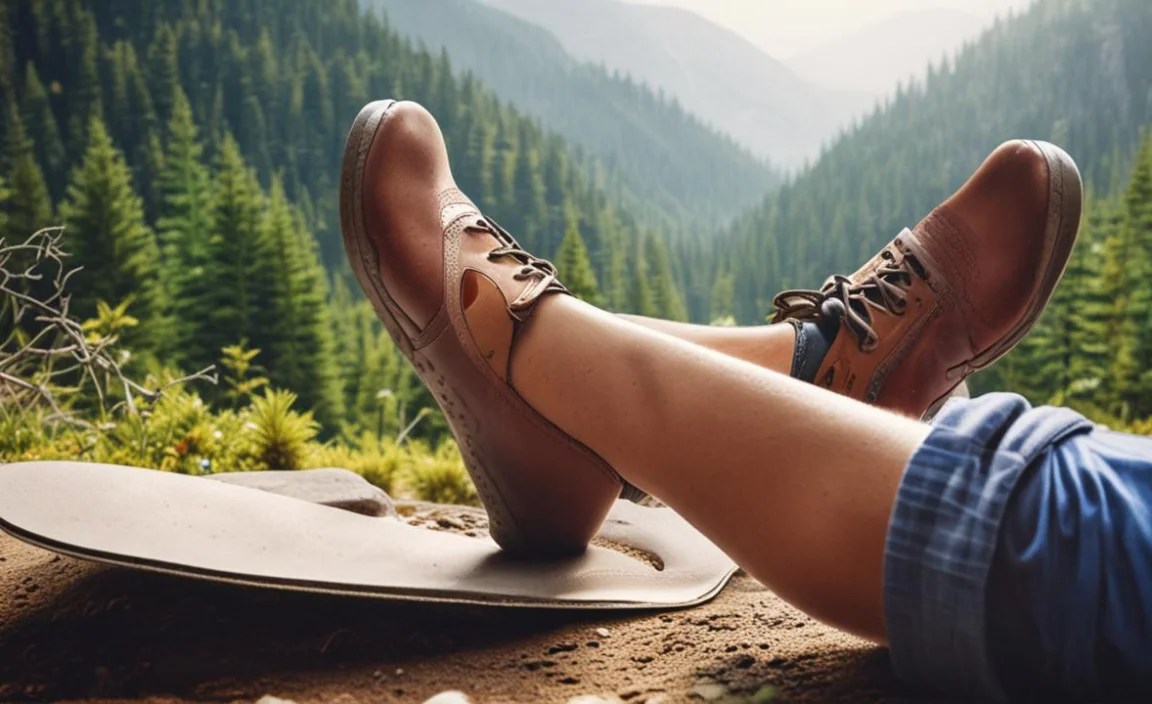
These are designed to provide significant arch support and correct overpronation. They typically have a strong, molded arch that lifts and supports the collapsed area of the foot. Essential for those with moderate to severe flat feet or noticeable overpronation.
2. Stability Insoles
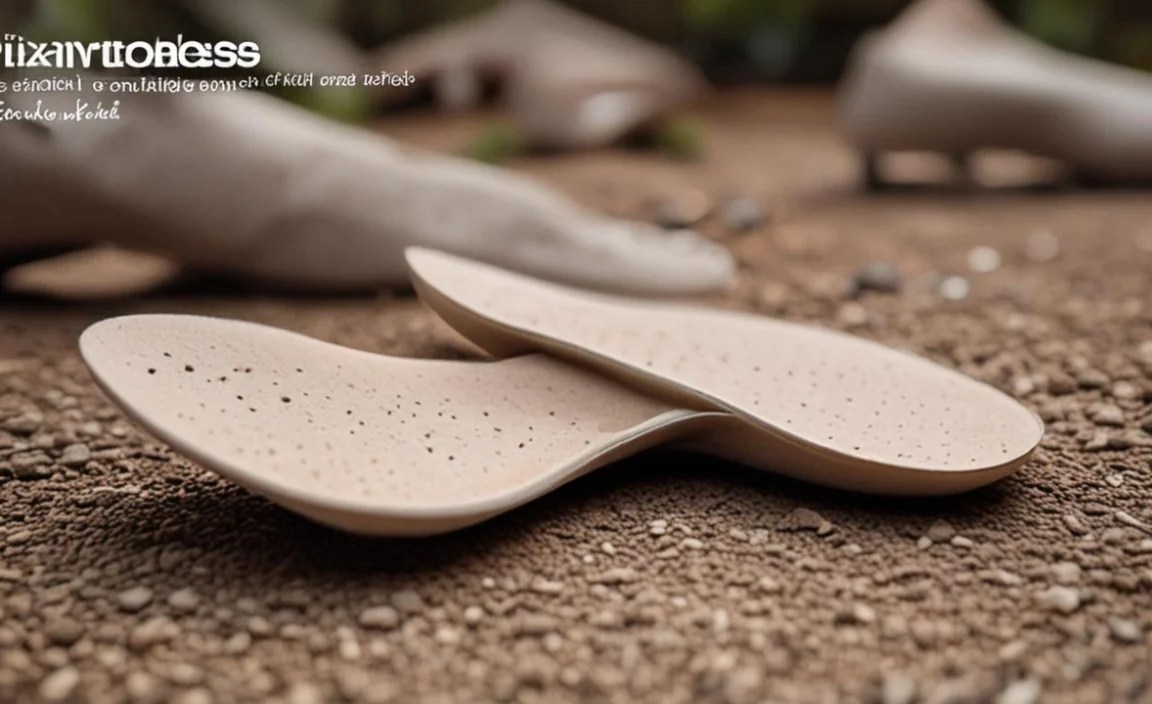
These insoles often combine arch support with features that enhance overall foot alignment and motion control. They might have a wider base or a firmer heel counter to keep the foot stable through the stride. Great for hikers who need both support and help in controlling foot movement.
3. Combination (Support & Cushioning)
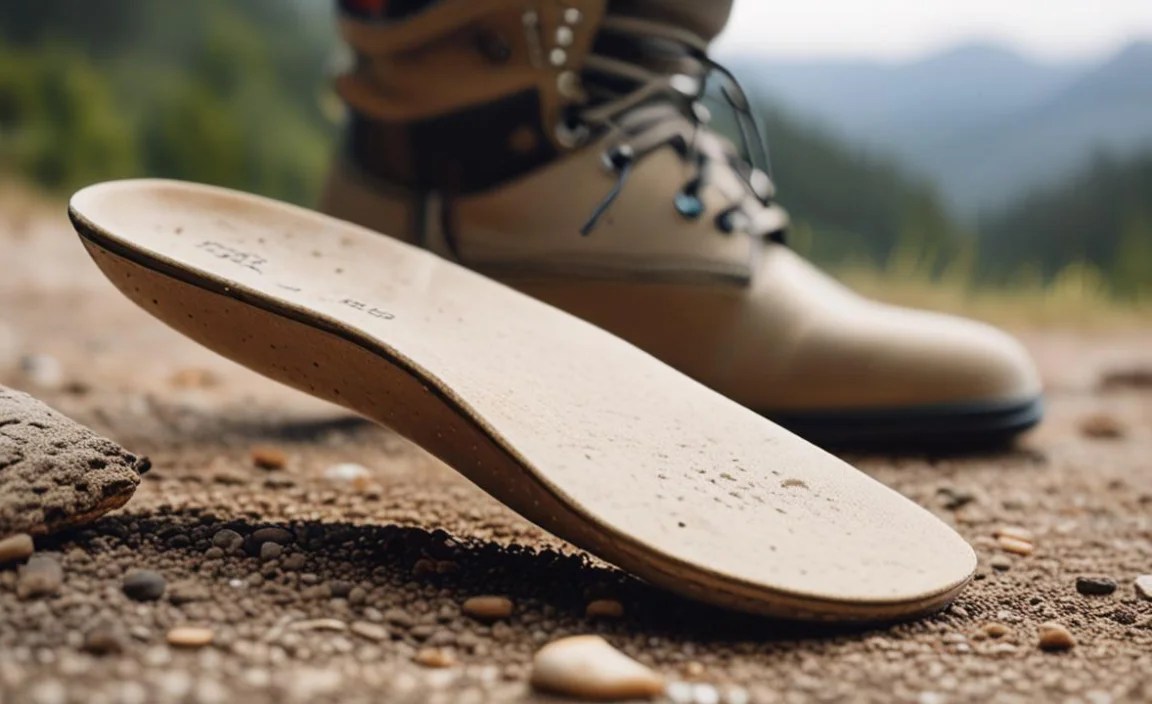
Many high-quality hiking insoles strike a balance, offering robust arch support along with ample cushioning for shock absorption. These are often the best all-around choice for hikers with flat feet looking for comfort on long treks.
It’s important to distinguish these from simple “cushioning insoles” which, while comfortable for casual wear, usually lack the necessary structural support for flat feet during strenuous activities like hiking.
Popular Insole Brands and What They Offer

Several brands have carved out a reputation for excellent insoles, particularly those catering to specific foot types like flat feet. Here are a few well-regarded options and what makes them suitable for hikers:
Superfeet
- Known for: Their distinctive biomechanical design and variety of arch support levels.
- Great for flat feet: Models like the “Green” (original comfort) or “Blue” (higher arch support) often work well, as do specific models designed for overpronation. They offer firm support and deep heel cups.
SOLES
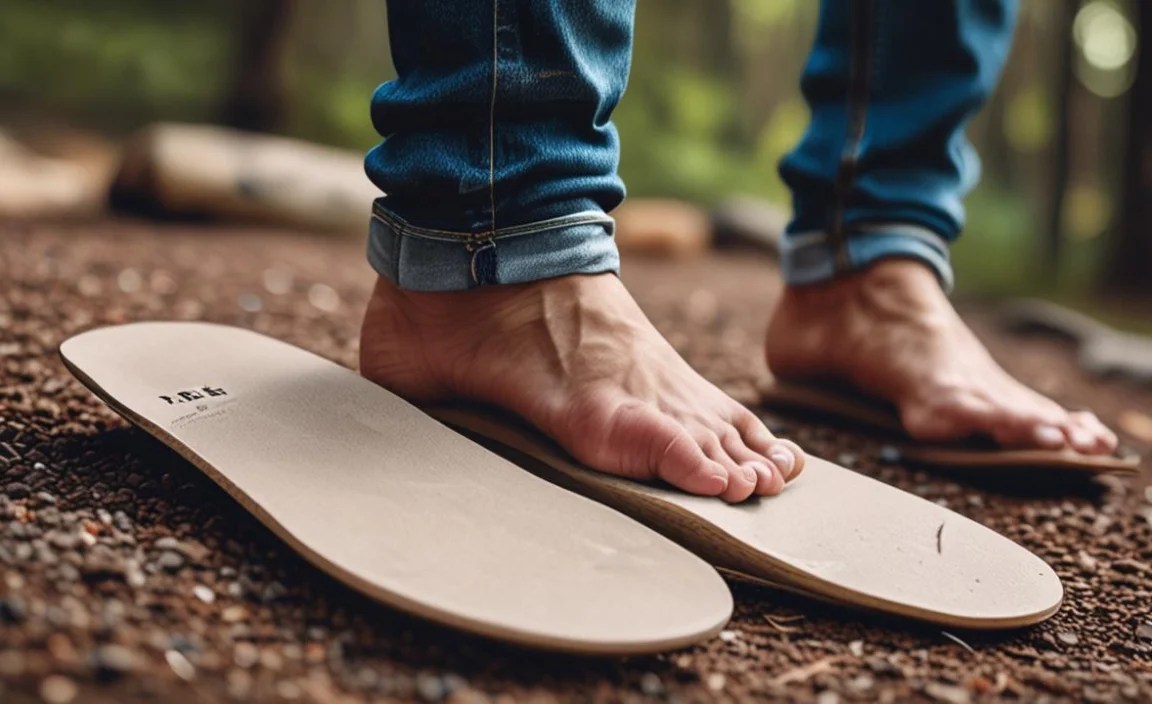
- Known for: Their heat-moldable insoles, which allow for a truly custom fit.
- Great for flat feet: You can mold them precisely to your foot’s contours, ensuring perfect arch support. They often come in different arch heights.
Powerstep
- Known for: Offering a range of orthotic insoles designed for specific foot conditions.
- Great for flat feet: Their “Full Length” or “Orthotic” series often features substantial arch support and heel cushioning, making them ideal for pronated feet.
Currex
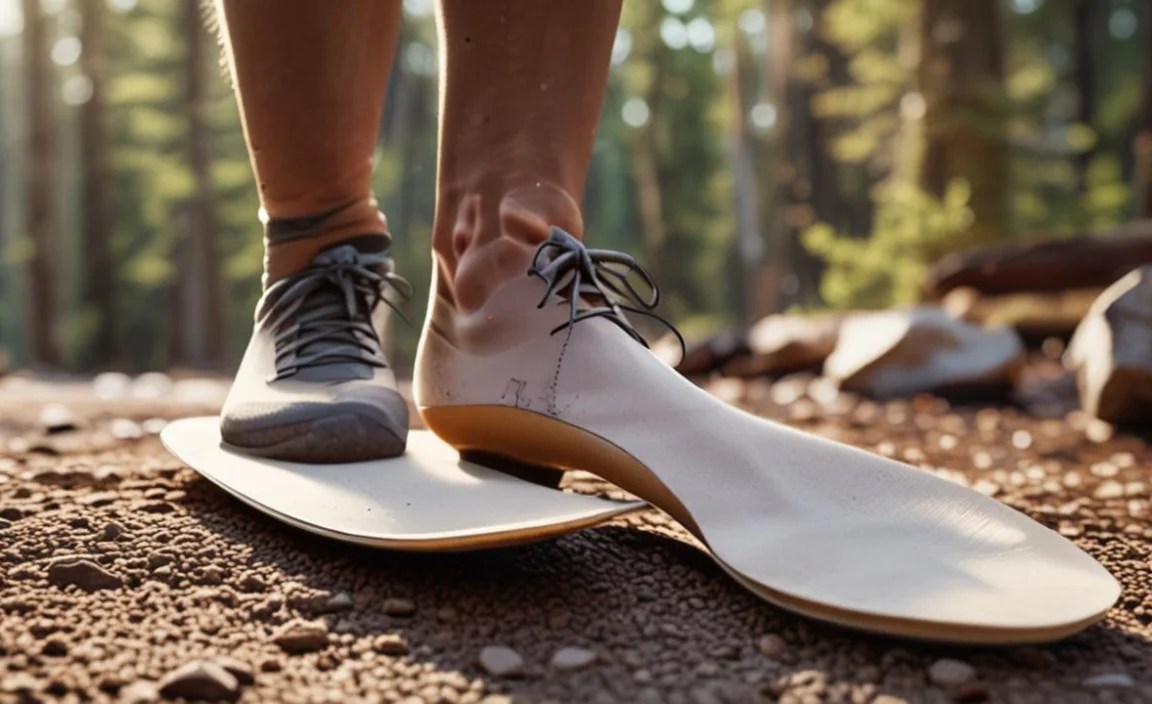
- Known for: Biomechanical expertise and insoles designed for different activity types and foot shapes.
- Great for flat feet: Their “RunPro” or “TrailPro” lines may offer excellent support, and they often have guides to help you select based on your arch type and pronation level.
OOFOS
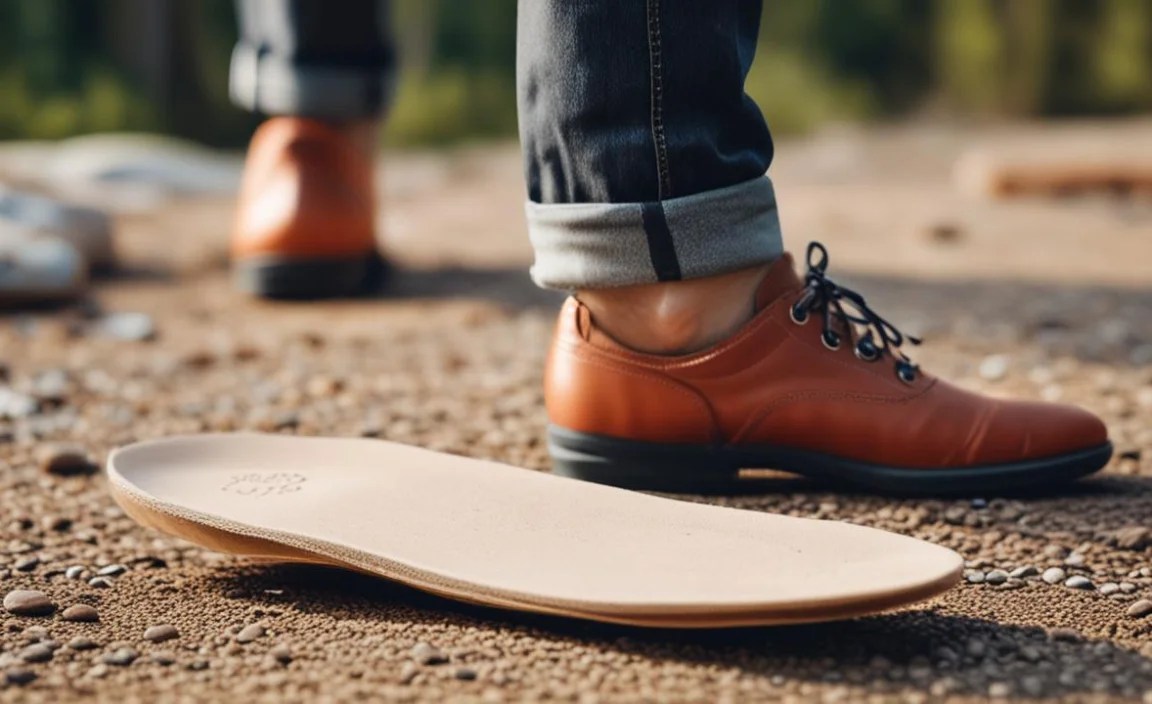
- Known for: Their OOfoam technology, which provides exceptional shock absorption and arch support, often recommended for recovery.
- Great for flat feet: While primarily recovery sandals, OOFOS also makes insoles that offer a softer, more forgiving feel with noticeable arch support for those who prefer less rigid options.
When choosing, always check the product descriptions for terms like “arch support,” “stability,” “pronation control,” and “firm cushioning.” Reading reviews from other hikers with flat feet can also be incredibly helpful.
How to Properly Insert and Use Insoles in Hiking Boots

Getting new insoles is only half the battle; properly integrating them into your hiking boots is crucial for reaping their full benefits.
1. Remove the Existing Insole
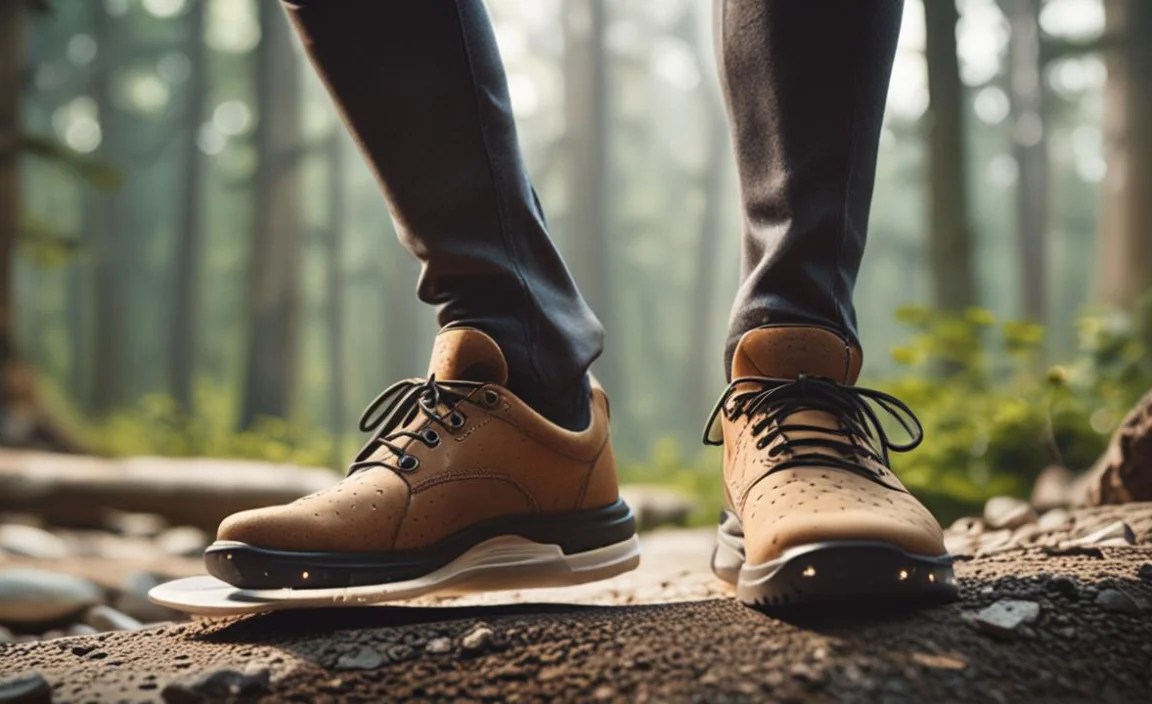
Most standard hiking boots come with a removable factory insole. Carefully pull it out. Sometimes, they might be glued, so you may need to gently work a thin, flat tool (like a butter knife) under the edge to loosen it. Take care not to damage the inside of your boot.
2. Size and Trim (If Necessary)

Place your new insole over the factory insole you removed. If the new insole is larger, you’ll need to trim it. Most insoles have faint lines indicating where to cut for different shoe sizes (e.g., men’s 7-8, 9-10). With a sharp pair of scissors or a craft knife, carefully trim along the appropriate line. It’s often best to trim slightly larger and then trim down gradually if it’s still too big; you can’t add material back!
Tip: Trim slowly and try the insole in the boot as you go. You want a snug fit that fills the boot’s interior without bunching up or creating pressure points.
3. Insert the Trimmed Insole
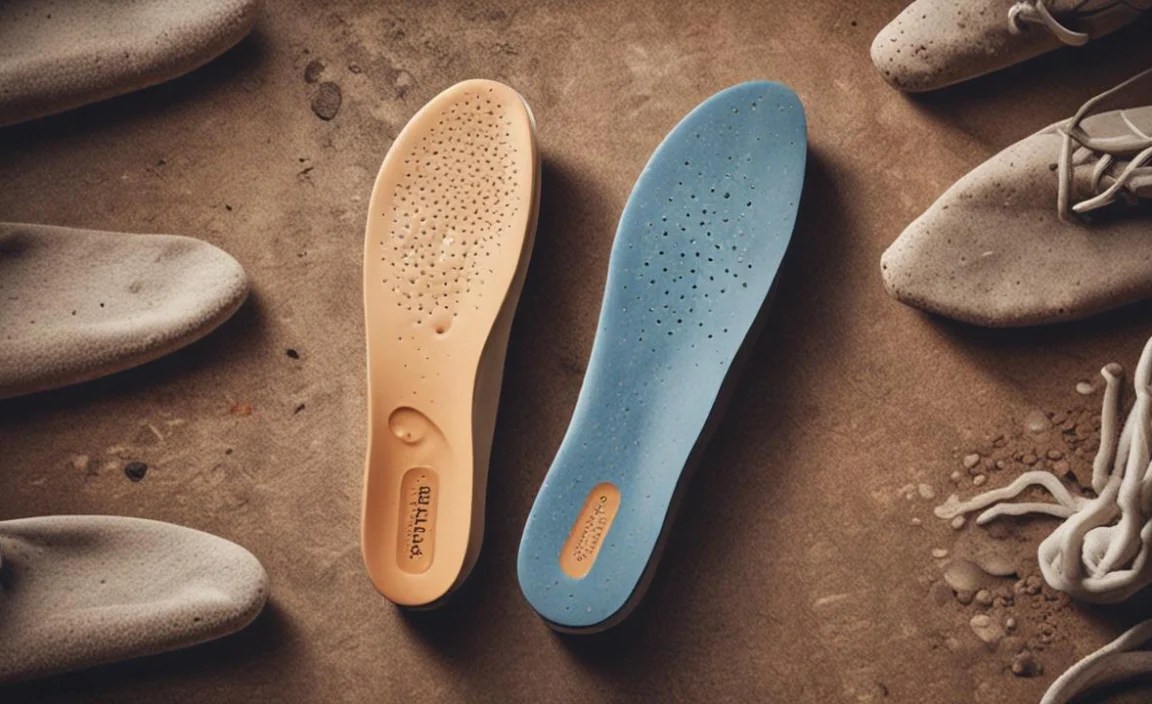
Slide the trimmed insole into your hiking boot. Ensure it sits flat and evenly. The heel should sit snugly in the heel cup of the boot, and the arch support should align under your foot’s arch.
4. Lace Up and Test
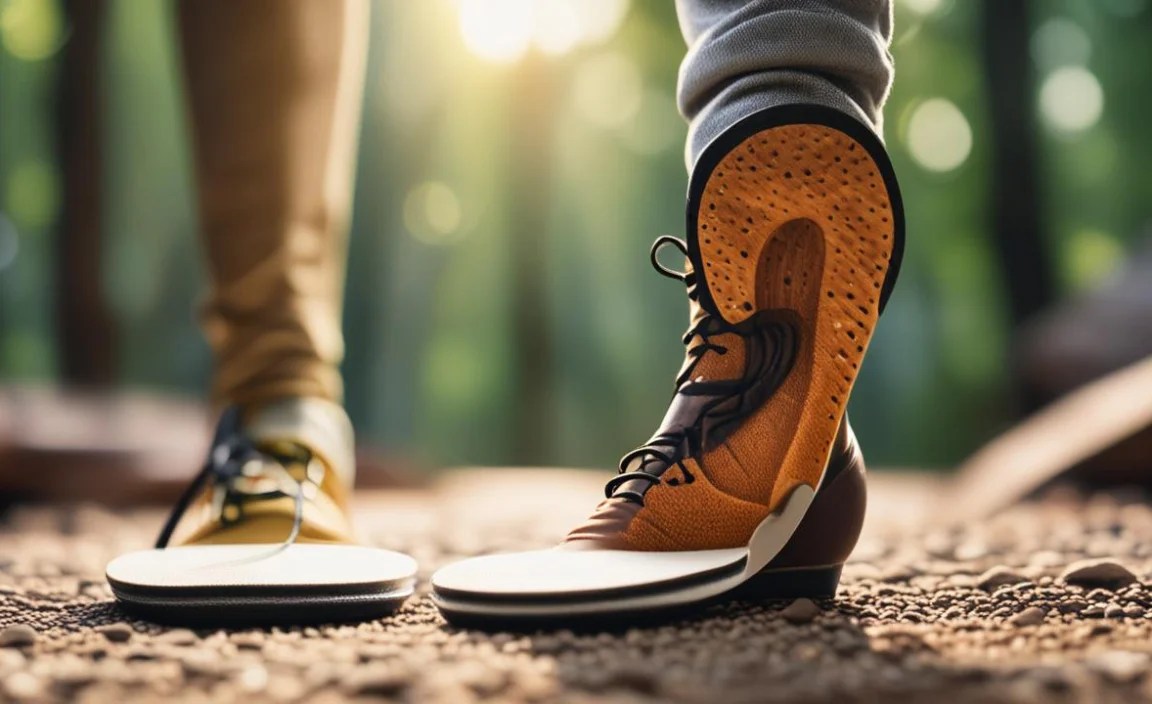
Put on your hiking socks and then your hiking boots. Lace them up as you normally would. Walk around for a bit indoors. Pay attention to how your feet feel. Does the arch feel supported? Is the heel secure? Is there any pinching or rubbing?
5. Break-In Period
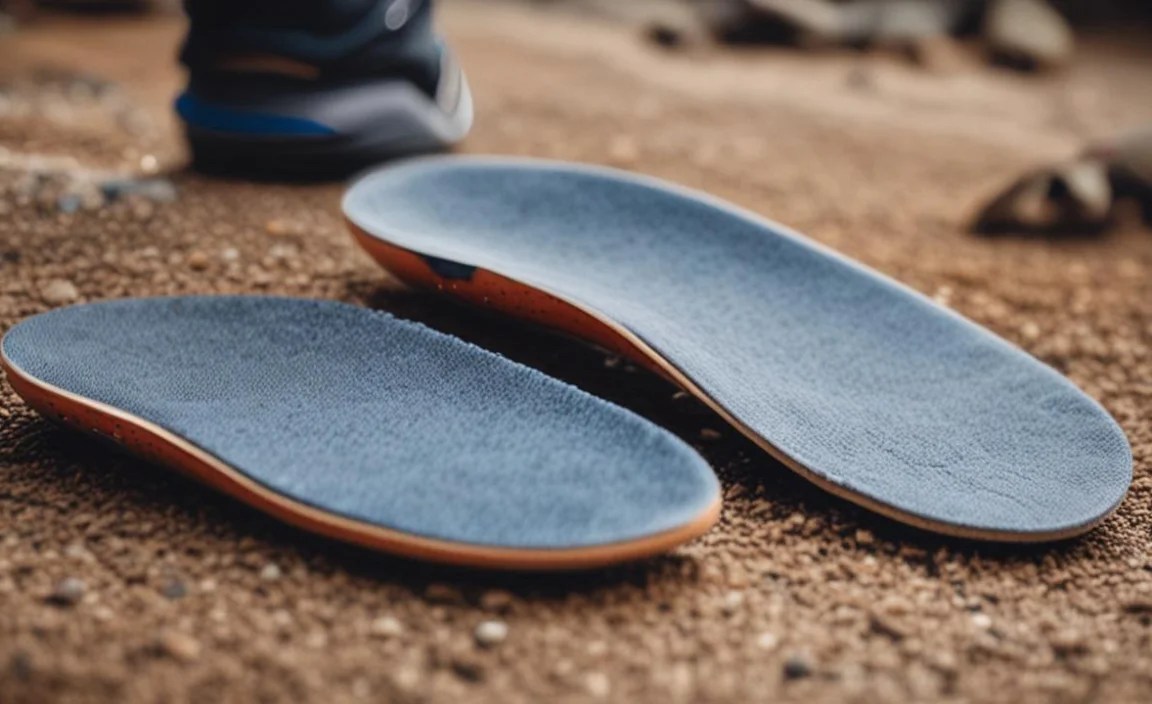
Even with the best insoles, it’s wise to allow a break-in period, especially if you’re using them for the first time on a hike. Start with shorter walks or less demanding terrain. This allows your feet to gradually adjust to the new support and cushioning.
Important Note: If you experience significant discomfort, pinching, or blisters after a few uses, the insole might not be the right fit for your foot shape or your boot. Don’t hesitate to adjust trimming or consider a different insole model.
Benefits of Using Insoles for Hiking Flat Feet

The investment in quality insoles for your flat feet while hiking pays off in numerous ways. It’s not just about comfort; it’s about enabling you to enjoy your adventures to the fullest and protect your long-term foot health.
1. Sustained Comfort on Long Hikes

By providing proper arch support and shock absorption, insoles significantly reduce the fatigue and pain associated with long treks. This means you can hike further and for longer without your feet becoming a limiting factor.
2. Reduced Risk of Foot and Joint Pain

Flat feet can contribute to conditions like:
- Plantar fasciitis
- Achilles tendonitis
- Shin splints
- Knee pain
- Hip pain
Insoles help by realigning your feet, improving gait mechanics, and absorbing impact, which can prevent or alleviate these issues. Properly supporting your foot’s arch is key to distributing pressure more evenly throughout your body.
3. Improved Stability and Balance
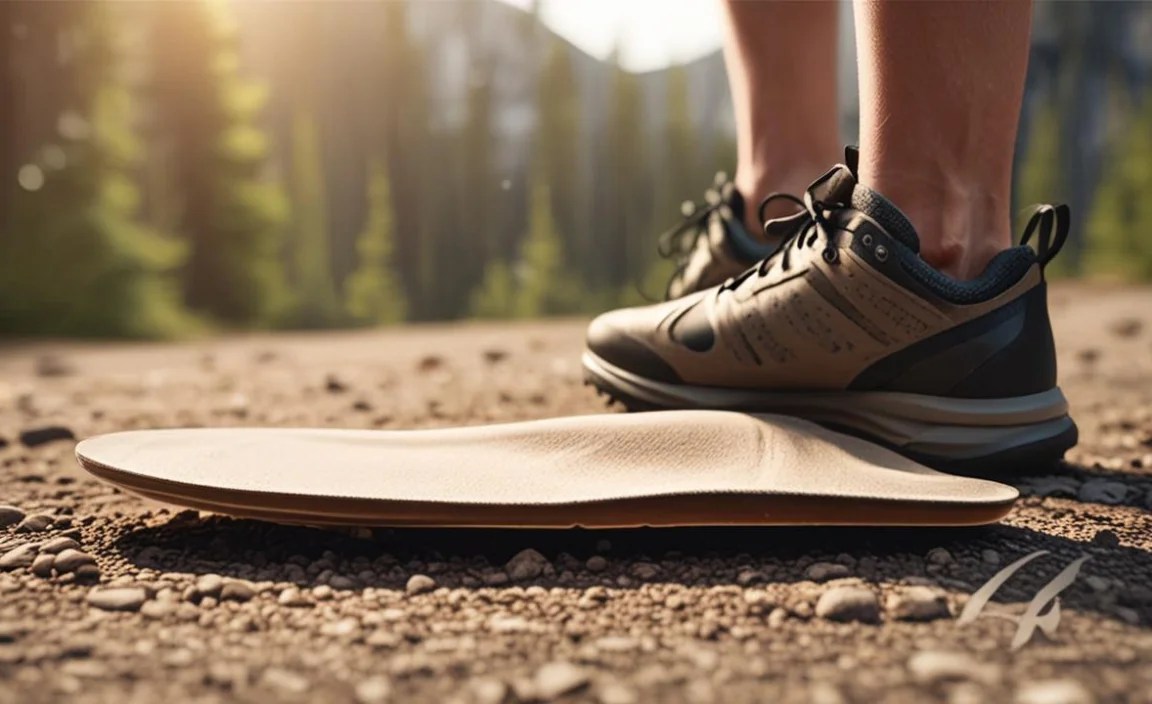
The enhanced support and heel cupping provided by specialized insoles help to stabilize your foot. This is crucial on uneven or slippery terrain, reducing the risk of ankle rolls and improving your overall confidence on the trail.
4. Enhanced Performance and Endurance
When your feet are comfortable and stable, your body can function more efficiently. You’ll find yourself expending less energy just trying to keep your feet stable, allowing you to conserve energy for more challenging parts of the hike or simply to enjoy the scenery more.
5. Prevention of Blisters and Hot Spots

A well-fitting insole can help prevent your foot from sliding excessively within your boot. This reduction in friction is a major factor in preventing the formation of blisters and painful hot spots.
6. Protection Against Long-Term Foot Issues

By addressing biomechanical issues like overpronation early on, insoles can help prevent the development of chronic foot problems and reduce wear and tear on your joints over time. Think of them as proactive maintenance for your feet!
The science behind foot biomechanics highlights the importance of proper support. Organizations like the American Podiatric Medical Association (APMA) emphasize that supportive footwear and orthotic devices can play a significant role in managing foot health and preventing injuries. Using insoles for your flat feet is a proactive step towards healthier and happier hiking experiences.
When to Consider Professional Orthotics
While off-the-shelf insoles are fantastic for many people with flat feet who hike, there are times when professional help might be necessary. If you experience persistent, severe pain, or if your flat feet are a result of a specific injury or condition, consulting a podiatrist or a certified pedorthist is a wise step.
They can assess your unique foot structure and biomechanics to recommend:
- Custom-Molded Orthotics: These are made specifically for your feet based on detailed impressions or scans. They offer unparalleled support and correction.
- Specific Exercise Regimens: Sometimes, strengthening exercises for the muscles in your feet and lower legs can significantly improve arch support.
- Further Diagnosis: They can rule out underlying medical conditions that might be causing your flat feet or associated pain.
Don’t let foot pain dictate your adventures. Whether you opt for an excellent over-the-counter insole or seek professional guidance, taking action to support your flat feet will make a world of difference on the trail.
Frequently Asked Questions About Insoles for Hiking Flat Feet
Q1: How do I know if I have flat feet?
A1: A common test is the “wet test.” Wet the bottoms of your feet and step onto a surface where your footprint will show (like a paper bag or concrete). If you see a full footprint with little to no inward curve on the arch side, you likely have flat feet.
Q2: Can insoles for flat feet help with knee pain when hiking?
A2: Yes, they can. Knee pain is often linked to poor foot alignment and overpronation caused by flat feet. By correcting the foot’s biomechanics and improving shock absorption, insoles can reduce stress on the knees.
Q3: Do I need to wear insoles all the time, or just for hiking?
A3: For maximum benefit, especially if you have pain or significant discomfort, it’s often recommended to wear supportive insoles in your most frequently worn shoes. However, if your primary concern is hiking, focusing on your hiking boots is a great start.
Q4: How often should I replace my hiking insoles?
A4: This depends on the brand, material, and how much you hike. Generally, for active use like hiking, aim to replace them every 6-12 months. If you notice they’ve lost their support, cushioning, or you’re experiencing increased foot pain, it’s time for a new pair.
Q5: Can I put insoles into my regular sneakers for everyday use?
A5: Absolutely! Many insoles designed for hiking can also be great for your everyday shoes, especially if you spend a lot of time on your feet. Just ensure the insole fits your shoe without making it too tight.
Q6: How do I prevent my feet from getting too hot with insoles?
A6: Look for insoles with moisture-wicking top layers made from breathable materials. Good hiking socks made of wool or synthetic blends can also significantly help with temperature regulation and sweat management.
