Yes, adding insoles to your hiking boots is a game-changer. Get the right insoles for better comfort, support, and protection on any trail, turning your favorite boots into a custom-fit experience for happy feet on every adventure.
Every hiker knows the feeling: miles of trail behind you, and your feet are starting to send polite (or not-so-polite) signals of distress. Blisters? Aching arches? Sore heels? It’s a common frustration that can turn an epic hike into a painful endurance test. But what if I told you there’s a simple, effective upgrade that can transform your hiking experience? It’s all about what’s inside your boots: your insoles.
Think of your hiking boots like a great car. They’ve got a solid chassis, good suspension, and reliable tires. But the seat? It might be okay, but it’s not perfectly molded to your body. That’s where insoles come in. They’re the custom seat for your feet, providing support and cushioning exactly where you need it.
In this guide, we’ll dive deep into why insoles are an essential upgrade for your hiking boots, how to choose the perfect pair, and how to get the most out of them. You’ll learn how to say goodbye to foot fatigue and hello to more comfortable, enjoyable hikes. Let’s get your feet ready for the trail!
Why Insoles Are Your Hiking Boot’s Best Friend

Your hiking boots work hard to protect your feet from the rugged terrain, but they often come with pretty basic, one-size-fits-all insoles. These factory insoles are usually thin and offer minimal support or cushioning. Over time, this can lead to a whole host of foot and lower leg issues, especially when you’re pounding the trails for hours.
The Problems with Stock Insoles
Lack of Arch Support: Many people have different arch heights (high, normal, flat). Stock insoles rarely cater to these variations, leading to strain on the arch and plantar fascia.
Minimal Cushioning: Long hikes mean repetitive impact. Without adequate cushioning, the shock travels up your legs, potentially causing knee, hip, and back pain.
Poor Shock Absorption: Trails are uneven and unpredictable. Basic insoles don’t effectively absorb the jarring impact with rocks, roots, and hard ground.
Moisture Management Issues: Cheap insoles can trap moisture, creating a breeding ground for blisters and fungal infections.
No Heel Cup: A lack of a proper heel cup can lead to heel slippage, blisters, and instability.
The Benefits of Upgrading to Quality Insoles
When you swap out those flimsy stock liners for a pair of purpose-built insoles, you’re not just adding padding; you’re investing in your foot health and overall hiking comfort.
Enhanced Comfort: This is the most immediate benefit. Better cushioning and arch support mean less fatigue and pain, even on long, challenging hikes.
Improved Support: Insoles can provide custom-like arch support, aligning your foot properly and reducing stress on your plantar fascia, ankles, and knees.
Superior Shock Absorption: High-quality insoles are designed to dissipate impact energy, protecting your joints from the constant pounding.
Blister Prevention: Properly fitting insoles can reduce friction and slippage within your boot, a major cause of blisters. Moisture-wicking materials also help keep your feet drier.
Better Stability: A well-designed insole with a deep heel cup can cradles your heel, providing a more stable platform and improving balance on uneven terrain.
Pain Relief and Prevention: For those already experiencing foot pain (like plantar fasciitis or shin splints), the right insoles can offer significant relief and help prevent future injuries.
Posture and Alignment: By supporting your feet correctly, insoles can subtly improve your body’s overall alignment, potentially easing back and hip discomfort.
Understanding Insole Types for Hikers
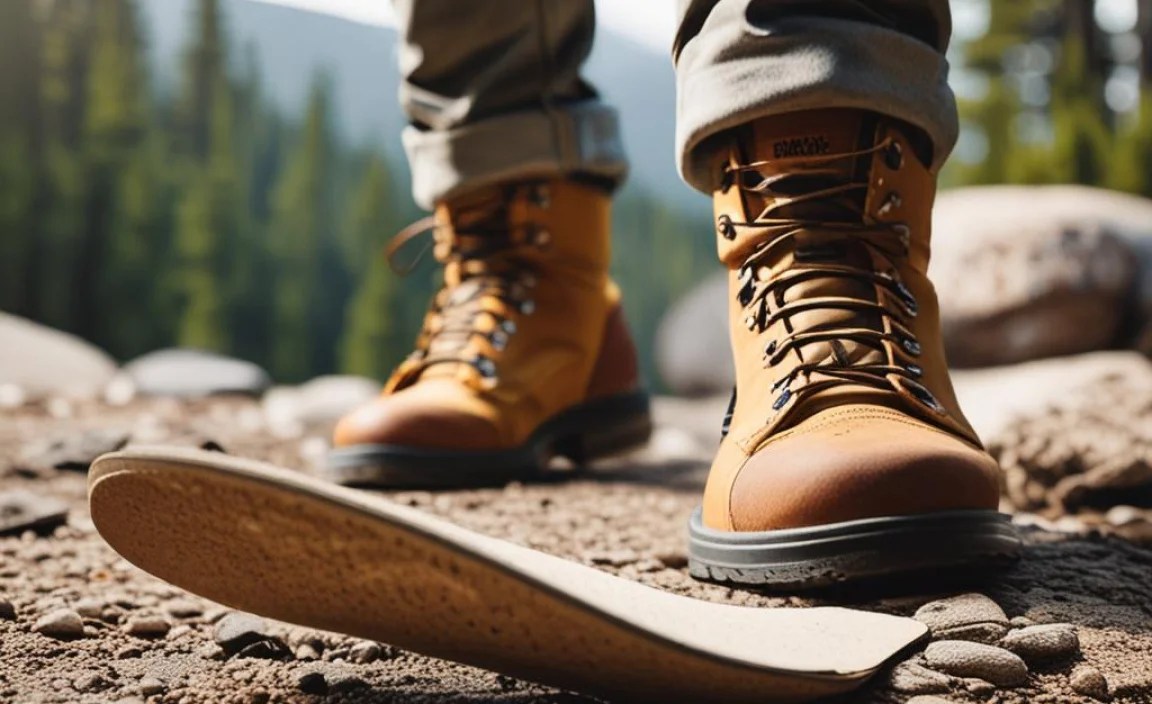
Not all insoles are created equal, and the best type for hiking depends on your foot anatomy, your hiking style, and the terrain you tackle. Generally, hiking insoles fall into a few main categories:
1. Cushioned Insoles
These are your go-to for maximum shock absorption and comfort. They are often made from softer materials like EVA foam or gel.
Best For: Hikers who prioritize comfort, those with sensitive feet, or those on less technical, longer-distance trails where impact is a major factor.
Considerations: May offer less rigid support, which might not be ideal for very technical terrain or those needing significant arch correction.
Example: If you’re planning a multi-day trek with a heavy pack over rolling hills, a highly cushioned insole can be your best friend.
2. Supportive/Orthotic Insoles
These are designed to provide more structure and control foot motion. They often feature a firmer midsole and a well-defined arch and heel cup. They can help correct overpronation (foot rolling inward) or supination (foot rolling outward).
Best For: Hikers with specific foot conditions (like flat feet or high arches), those who need better biomechanical control, or those tackling steep and uneven terrain where ankle stability is crucial.
Considerations: Can feel stiffer initially and may require a break-in period.
Example: If you tend to roll your ankles or have noticeable arch issues, a supportive insole can offer the stability and alignment you need.
3. Combination Insoles
Many excellent hiking insoles blend cushioning with structured support. They aim to offer the best of both worlds.
Best For: Most general hikers looking for a balance of comfort, support, and shock absorption for a variety of trails and conditions.
Considerations: It’s important to find a balance that suits your specific foot needs.
4. Specialty Terrain Insoles
Some brands offer insoles specifically engineered for certain types of hiking, such as mountaineering or ultra-light trail running, offering enhanced durability, specific traction patterns, or targeted support for extreme conditions.
Choosing the Right Insoles for Your Hiking Boots

Selecting the perfect insole can feel overwhelming with so many options. But break it down, and it becomes manageable. Here’s a step-by-step approach:
Step 1: Understand Your Foot Type
This is the absolute most crucial step. Your foot’s arch height and how it moves when you walk (your gait) will dictate the type of support you need.
Arch Height:
Normal Arch: Your foot leaves a clear imprint with a visible curve along the inside. You likely have a balanced gait. Most insoles will work well.
Flat Arch (Low Arch): Your foot leaves a full imprint, with little to no curve. This often leads to overpronation. You need insoles with good arch support and possibly some motion control.
High Arch: Your foot leaves a very thin imprint along the inside, with a noticeable gap. This can lead to supination and less shock absorption. You need insoles with extra cushioning and arch support.
How to check: The “wet test” is simple. Wet the bottom of your foot and step onto a piece of cardboard or heavy paper. Look at the imprint.
Gait Analysis:
Neutral: Your foot lands on the outside of the heel and rolls slightly inward to absorb shock.
Overpronation: Your foot rolls inward excessively after landing. This can cause strain on the arch and ankle. Look for supportive insoles to help guide your foot.
Supination (Underpronation): Your foot doesn’t roll inward enough, placing stress on the outer edge. You need extra cushioning to help absorb shock.
You can often tell by looking at the wear pattern on your old shoes. Heavy wear on the inside edge suggests overpronation; heavy wear on the outside edge suggests supination.
Step 2: Consider Your Hiking Style and Boots
Terrain: Are you mostly on well-maintained paths, or do you tackle rocky, root-filled, or steep inclines? Rugged terrain demands more support and a more robust insole.
Pack Weight: If you hike with a heavy backpack, your feet will experience more pressure. You’ll benefit from enhanced cushioning and support.
Boot Volume: Some hiking boots have more internal space (volume) than others. You’ll need to choose insoles that fit comfortably without making your boots too tight. Thicker, more cushioned insoles require more volume.
Boot Type: Are you wearing sturdy backpacking boots, lighter trail runners, or mid-height hikers? Match the insole’s support and cushioning to your boot’s intended use.
Step 3: Material Matters
EVA (Ethylene-vinyl acetate): A common, lightweight, and resilient foam that provides good cushioning and shock absorption.
Polyurethane (PU): More durable and firmer than EVA, offering excellent support and longevity. Often used in more supportive insoles.
Gel: Offers excellent shock absorption and can feel very comfortable initially. However, it can sometimes compress over time.
Composite Materials: Many brands use proprietary blends to achieve specific levels of firmness, cushioning, and durability.
Top Sheets: The fabric on top of the insole is important for moisture-wicking and friction. Look for breathable, anti-microbial fabrics to keep your feet dry and reduce odor.
Step 4: Try Before You Buy (If Possible)
If you can, visit a specialty outdoor store or an insole retailer. Many allow you to try insoles on with your boots. Walk around, feel for pressure points, and check for heel slippage or excessive tightness.
Step 5: Read Reviews and Do Your Research
Look for reviews from other hikers, especially those with similar foot types or hiking habits. Reputable brands often have detailed descriptions of their insoles’ intended use and benefits.
Top Insole Brands and Features for Hikers
While there are countless insole brands, a few consistently stand out for hikers due to their quality, design, and effectiveness.
Here’s a look at some popular choices and what to expect:
| Brand/Model | Primary Support Type | Key Features | Best For |
| Superfeet Trailblazer | Medium Arch Support | Deep heel cup, firm support, durable construction, good shock absorption. | Neutral to moderate overpronation, varied trails, longer hikes. |
| SOLES “Insoles” (Various) | Firm Support, Customizable| Deep heel cup, excellent arch support, available in different densities. | Flatter feet, overpronation, those needing biomechanical correction. |
| Oboz O FIT Mid/Low | Medium/Firm Support | Designed to match Oboz boot lasts, excellent anatomical shape, good balance. | Oboz boot owners, moderate support needs, general hiking. |
| CurrexSole HikingPro | Dynamic support | Responsive cushioning with a focus on natural foot movement and stability. | Hikers seeking a blend of flexibility and support, varied terrain. |
| Powerstep Pinnacle | Medium/Firm Arch Support | Semi-rigid support, deep heel cup, good cushioning, often recommended by podiatrists. | Moderate arch, general walking/hiking, mild pronation control. |
| REDRAGON Insoles (e.g., “The Hunter”) | Heavy Duty Support | Robust construction, aggressive arch support, deep heel cup, durable. | Heavy boots, heavy packs, rugged terrain, pronation control. |
| Keeleco Eco-Insoles | Eco-Friendly Cushioning | Made from recycled materials, good cushioning, breathable top sheet. | Environmentally conscious hikers, light to moderate support needs, day hikes. |
Note: Sizing can vary between brands. Always check the manufacturer’s sizing guide carefully, as it often relates to shoe sizes rather than just length.
How to Insert and Break In Your New Insoles
You’ve picked out your perfect insoles; now it’s time to get them into your boots and ready for the trail.
Step 1: Remove the Original Insoles
Start by taking your hiking boots off. Most stock insoles can be pulled out easily. If they are glued in, you might need to gently pry them up with your fingers or a dull, flat tool (like a butter knife, being careful not to damage the boot lining).
Step 2: Place the New Insoles in Your Boots
Slide your new insoles into your boots. Make sure they sit correctly. The heel of the insole should align with the heel of your boot. The arch area should feel like it’s supporting your natural arch.
Step 3: Check for Fit and Comfort
Put your hiking socks on and then try on your boots with the new insoles.
Feel: Do they feel comfortable? Is there any pinching or excessive pressure?
Heel: Does your heel fit snugly in the heel cup, or is it slipping? Slipping can cause blisters.
Volume: Do your feet feel too cramped? If so, the insoles might be too thick for your boots, or your boots might be too narrow.
Toe Room: Ensure you still have adequate toe room. Your toes shouldn’t be jammed against the front of the boot.
If the insoles feel a bit too long, you might be able to trim them slightly. Most insoles come with trimming lines on the bottom. Use sharp scissors and trim carefully, checking the fit as you go. Only trim if absolutely necessary – a poorly trimmed insole can be uncomfortable or ineffective.
Step 4: The Break-In Period
This is essential for both your feet and the insoles to adapt. Don’t head out on a 10-mile trek with brand-new insoles you’ve never worn before.
Start Slowly: Wear your boots with the new insoles around the house for a day or two. Take short walks to a local park.
Gradual Increase: Gradually increase the duration and intensity of your walks. Go for a 1-2 hour hike.
Listen to Your Feet: Pay attention to any new sensations. Some pressure in the arch area is normal and expected as the insole molds to your foot and your foot adjusts to the support. However, sharp pain or persistent discomfort is a sign to stop or assess the fit.
Adjust: If you experience minor discomfort, try wearing the insoles for shorter periods. If the discomfort persists or is significant, you may need to consider a different insole type or consult a professional.
Maintaining Your Insoles for Longevity
Just like your hiking boots, your insoles will perform better and last longer with proper care.
Air Them Out: After each hike, remove your insoles from your boots. This allows them to dry completely and prevents odor and bacterial growth. Stuffing boots with newspaper can also help absorb moisture.
Follow Cleaning Instructions: Most insoles can be hand-washed with mild soap and cool water. Avoid harsh detergents or machine washing, as this can damage the materials. Always air dry them completely.
Inspect Regularly: Periodically check your insoles for signs of wear, such as excessive compression, cracking, or thinning material. If they’re no longer providing the same level of comfort or support, it’s time for a replacement.
Rotate (Optional): If you have multiple pairs of hiking boots or often switch between hiking footwear, consider having a dedicated pair of insoles for each. This allows them to fully recover between uses.
When to Seek Professional Help
While many foot issues can be solved with the right insoles, sometimes more serious problems require professional attention.
Persistent Pain: If foot, ankle, knee, or back pain continues despite using good insoles and proper footwear, consult a podiatrist or physiotherapist.
Specific Medical Conditions: If you have been diagnosed with conditions like severe plantar fasciitis, arthritis, diabetes-related foot issues, or significant biomechanical deformities, custom orthotics prescribed by a specialist may be more appropriate than over-the-counter insoles.
Uncertainty: If you are unsure about your foot type or what kind of support you need, a fitting at a reputable outdoor gear store or a consultation with a foot health professional can provide personalized recommendations.
For more information on foot health, the American Podiatric Medical Association (APMA) offers a wealth of resources.
Frequently Asked Questions (FAQ)
Q1: Can I use insoles in all my hiking boots?
A1: Yes, generally you can. Most insoles are designed to be versatile. However, ensure the volume of your boot can comfortably accommodate the thickness of the insole. Remove the original insole first to create space.
Q2: How often should I replace my hiking insoles?
A2: This depends on the quality of the insole, how often you hike, and the terrain. For most active hikers, insoles typically need replacing every 6-12 months or when they start to show signs of significant wear and tear, compression, or loss of support.
Q3: Will insoles make my boots feel tighter?
A3: They can, especially thicker, more supportive insoles. It’s crucial to try them on with your hiking socks to ensure a comfortable fit without cramming your toes or causing pressure points. If they make your boots too tight, you might need a thinner insole or consider a boot with more volume.
