Insoles can significantly boost your HIIT workout performance and comfort by providing crucial support, cushioning, and stability, helping to reduce shock and prevent injuries. Choosing the right insole tailored for high-impact activities is key to maximizing their benefits.
Jumping, sprinting, burpees – High-Intensity Interval Training (HIIT) pushes your body to its limits! It’s fantastic for getting fit fast, but all that high impact can take a toll on your feet and joints. You might experience aches and pains that slow you down or even sideline you. The good news is, there’s a simple way to give your feet the support they need to conquer those demanding workouts. We’re talking about insoles designed specifically for activities like HIIT. These aren’t just any shoe inserts; they’re engineered to make a real difference. Stick around, and I’ll walk you through how the right insoles can turn your HIIT sessions from a painful ordeal into a power-packed performance. We’ll cover what to look for, how they help, and which ones might be your perfect match.
Insoles for HIIT Workouts: Proven Performance Boost

When you’re diving into a High-Intensity Interval Training (HIIT) session, your feet are doing a lot of hard work. They absorb shock, provide stability, and propel you through explosive movements. Without adequate support, this can lead to discomfort, fatigue, and even injuries like plantar fasciitis or shin splints. This is where specialized insoles come into play, acting as a vital piece of equipment to enhance your performance and protect your feet.
Think of insoles as an upgrade for your athletic shoes. They can provide cushioning to absorb impact, arch support to maintain proper foot alignment, and stability to prevent excessive pronation or supination. For HIIT, these benefits are amplified due to the dynamic and forceful nature of the exercises. Whether you’re a seasoned athlete or just starting your fitness journey, understanding how insoles can support your HIIT endeavors is crucial for staying consistent and injury-free.
Why Your Feet Need Extra Help During HIIT
HIIT workouts are characterized by short bursts of intense exercise followed by brief recovery periods. This cycle involves movements like:
- Jumping (box jumps, jumping jacks)
- Sprinting and quick changes of direction
- Plyometric exercises
- Weightlifting with dynamic movements
Each of these actions sends significant force through your feet, ankles, and legs. When your shoes lack adequate support or cushioning, your feet bear the brunt of this impact. This can lead to:
- Foot Pain: Especially in the heel, arch, and ball of the foot.
- Joint Strain: Affecting ankles, knees, and hips.
- Fatigue: Muscles tire more quickly when they aren’t properly supported.
- Reduced Performance: Discomfort can hinder your ability to push yourself.
- Increased Risk of Injury: Stress fractures, sprains, and overuse injuries.
According to the Centers for Disease Control and Prevention (CDC), sports and physical activity are great for health, but injuries can happen. Proper equipment, including supportive footwear and potentially insoles, is a key preventive measure. Insoles can bridge the gap between your shoe’s capabilities and your body’s needs during high-impact activities.
The Science Behind Insole Support for HIIT
Insoles work by interacting with your foot’s biomechanics in several key ways, making them particularly beneficial for high-impact activities:
1. Shock Absorption
During HIIT, your feet land with a force many times your body weight. Insoles made from materials like EVA foam, gel, or specialized responsive polymers are designed to compress and absorb these forces. This reduces the shock transmitted up your leg, protecting your bones, joints, and soft tissues.
2. Arch Support and Alignment
Your arches act as natural shock absorbers, but they need to be supported correctly. Insoles can provide customized arch support that matches your foot type (flat, neutral, or high arch). Proper arch support helps maintain the natural alignment of your foot and ankle, which is crucial for efficient movement and preventing injuries like plantar fasciitis and ankle sprains.
3. Stability and Control
Many insoles feature heel cups or structured designs that help cradle your heel. This extra stability minimizes excessive foot motion, such as overpronation (rolling inward) or supination (rolling outward), which can occur during dynamic movements. Better stability means more control and a reduced risk of rolling an ankle or experiencing knee pain.
4. Cushioning and Comfort
Beyond support and stability, insoles add an extra layer of cushioning. This makes the hard surfaces you might be jumping and landing on feel softer, enhancing overall comfort and allowing you to focus on your workout rather than foot pain.
These biomechanical benefits translate directly into a better HIIT experience. When your feet are comfortable and well-supported, you can move with more confidence, push harder, and recover faster.
Choosing the Right Insoles for Your HIIT Workouts

Not all insoles are created equal, and what works for a casual walk might not cut it for a high-impact HIIT session. Here’s what to look for:
Key Features of High-Performance HIIT Insoles
- Cushioning Level: Look for insoles that offer substantial cushioning, often with dual-density foams or gel inserts in high-impact zones like the heel and forefoot.
- Arch Support Type: Match the insole’s arch support to your foot’s natural arch. If you have flat feet, you’ll need more support to prevent pronation. High arches might benefit from more cushioning to absorb shock.
- Stability Features: A firm heel cup is essential for controlling foot movement and preventing slippage within your shoe.
- Material Durability: High-impact workouts put a lot of stress on insoles. Choose durable materials that can withstand repeated compression without losing their form or support.
- Flexibility: While stability is key, the insole should still allow for natural foot movement, especially in the forefoot during push-offs.
- Breathability: Your feet can get sweaty during intense workouts. Look for insoles with breathable materials or perforations to help manage moisture and prevent odor.
Insole Types and Their Suitability for HIIT
Insoles generally fall into a few categories, with some being more suited for HIIT than others:
1. Cushioning Insoles
Best for: Individuals who need extra shock absorption and comfort. They often feature soft foams or gel pads.
HIIT Suitability: Good, especially if injury prevention from impact is your primary goal. However, ensure they still offer enough stability.
2. Stability/Orthotic Insoles
Best for: People with overpronation or flat feet who need help aligning their foot and ankle. These are typically firmer and have a more structured design.
HIIT Suitability: Excellent, as they provide the necessary control for dynamic movements and help prevent common biomechanical injuries.
3. Performance/Athletic Insoles
Best for: Athletes seeking a blend of cushioning, support, and responsiveness tailored for active pursuits. They often use advanced materials and designs.
HIIT Suitability: Ideal. These are engineered for high-impact activities and usually incorporate the best features for shock absorption, stability, and energy return.
4. Custom Orthotics
Best for: Individuals with specific foot conditions or severe biomechanical issues, prescribed by a podiatrist. They are molded to your unique feet.
HIIT Suitability: The best possible support if you have a diagnosed condition and are recommended them by a medical professional. However, they are also the most expensive option.
Understanding Your Foot Type
Knowing your foot arch type is fundamental to selecting the right insole. You can easily check this with the “wet test”:
- Wet the bottom of your foot.
- Step onto a piece of paper or cardboard.
- Step off and examine the footprint.
- Normal Arch: You’ll see about half of your arch area. A neutral insole with moderate support and cushioning is usually best.
- Flat Arch (Low Arch/Fallen Arch): You’ll see almost your entire foot. You likely overpronate. Look for insoles with strong arch support and a stabilizing heel cup.
- High Arch: You’ll see mainly your heel and the ball of your foot, with very little of your midfoot. You might underpronate. You’ll need insoles that prioritize cushioning and shock absorption rather than rigid support.
For HIIT, even with a neutral arch, a performance insole with good shock absorption and moderate stability is often recommended due to the nature of the workouts.
Top Insole Features for HIIT
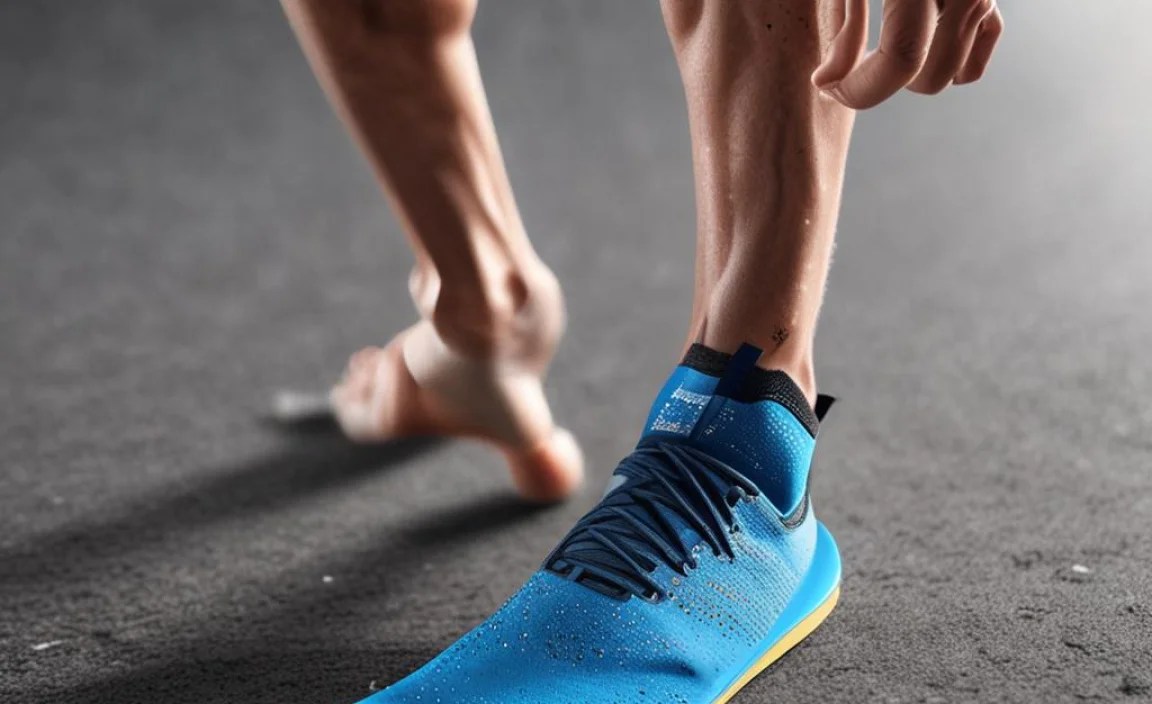
Let’s dive deeper into the specific features that make an insole a good choice for your high-intensity training:
Structured Heel Cups
A well-defined heel cup is crucial for HIIT. It:
- Cups and Stabilizes the Heel: Prevents the heel from rolling inward (overpronation) or outward (supination) during landings and quick movements.
- Absorbs Impact: Often made from denser material, it provides a stable base for shock absorption at the point of impact.
- Improves Fit: Helps keep the foot securely in place within the shoe, reducing friction and blisters.
Responsive Midsole Material
The materials used in the insole’s midsole determine its cushioning and energy return. For HIIT, look for:
- EVA Foam: A common and effective material that offers good cushioning and durability. Higher density EVA can provide more support.
- Polyurethane (PU) Foam: Often denser and more durable than EVA, providing excellent support and shock absorption for high-impact activities.
- Gels or Air Pockets: Can be incorporated into specific areas (like the heel) for enhanced shock absorption and a “softer” feel.
- Carbon Fiber Plates: Some advanced performance insoles use lightweight carbon plates for rigidity and energy return, helping propel you forward during explosive movements.
Flexible Forefoot
While you need a stable heel and midfoot, the forefoot of the insole should have some flexibility. This allows for natural toe-off during running, jumping, and cutting movements. A completely rigid forefoot can feel restrictive and hinder your ability to generate power.
Arch Support Variations
Insoles come with different levels of arch support, often described as low, medium, or high. For HIIT, if you have flat feet, you’ll need more pronounced support. If you have high arches, you might want a more cushioned, less rigid support that still offers a gentle contour. Medium support is a good starting point for many people with neutral arches engaging in high-impact sports.
Moisture-Wicking Top Layer
Intense workouts generate heat and sweat, which can lead to discomfort and fungal infections. A good insole will have a top fabric that:
- Wicks moisture away from your skin.
- Dries quickly.
- Is antimicrobial to help prevent odor.
Common materials for this layer include polyester, nylon blends, or specialized synthetic fabrics.
How Insoles Enhance HIIT Performance

Beyond just preventing pain, the right insoles can actively contribute to improving your workout results.
Improved Stability and Balance
When your feet are stable, your entire body is more stable. This improved foundation allows for better control during exercises that require balance, like single-leg jumps or dynamic lunges. Better balance means you can perform movements more effectively and with less wasted energy.
Reduced Fatigue
Proper support and cushioning mean your feet and leg muscles don’t have to work as hard to absorb shock and maintain alignment. This can lead to less overall fatigue, allowing you to maintain intensity for longer durations or complete an extra set. For HIIT, where every second counts, this can make a significant difference.
Injury Prevention
This is arguably the most critical benefit. By mitigating the shock and correcting biomechanical issues, insoles significantly reduce the risk of common HIIT-related injuries such as:
- Plantar Fasciitis
- Achilles Tendinitis
- Shin Splints
- Stress Fractures
- Ankle Sprains
Staying injury-free is paramount for consistent training and long-term fitness progress. The U.S. Department of Health and Human Services emphasizes that proper preparation and protective measures are key to safe physical activity.
Enhanced Power Transfer
For some performance-oriented insoles, particularly those with supportive structures or responsive materials, they can actually help improve the efficiency of your movements. A stable base allows for better force transfer from your legs into the ground, which can translate to more explosive jumps and quicker sprints.
Greater Confidence
When you’re not worried about foot pain or instability, you can fully immerse yourself in your workout. This confidence allows you to push your boundaries and perform at your best, leading to greater overall satisfaction and results from your HIIT sessions.
How to Use and Care for Your HIIT Insoles

To get the most out of your insoles and ensure they last, follow these simple guidelines:
Inserting Your Insoles
- Remove Existing Insoles: Take out the insoles that came with your athletic shoes.
- Trim if Necessary: If your new insoles are too long, use the old insole as a template to trace and trim them to size with sharp scissors. Be careful to only trim the very end if needed, avoiding cutting into the supportive areas.
- Place the New Insole: Insert the new insole into your shoe, ensuring it lies flat and fills the shoe’s interior smoothly.
- Check the Fit: Put on your shoe and walk around to ensure the insole feels comfortable and there are no pressure points.
Note: Most performance insoles are designed to fit into standard athletic shoes and replace the factory insoles. Always check the manufacturer’s instructions.
Breaking Them In
For some stiffer, more supportive insoles, a short break-in period can be beneficial:
- Start by wearing them for short periods, like 15-30 minutes during light activities.
- Gradually increase the duration and intensity of wear over a few days or a week.
- Pay attention to how your feet feel. If you experience any new or unusual discomfort, reduce wear time and consult the insole manufacturer’s recommendations or a foot care professional.
Cleaning and Maintenance
Proper cleaning will extend the life and effectiveness of your insoles:
- Hand Wash Only: Gently clean your insoles with mild soap and cold water.
- Avoid Machine Washing/Drying: High heat and aggressive agitation can damage the materials and compromise their supportive structure.
- Air Dry Completely: After washing, pat them dry with a towel and let them air dry thoroughly away from direct heat or sunlight. Ensure they are completely dry before placing them back in your shoes to prevent odor and microbial growth.
- Regular Inspection: Periodically check your insoles for signs of wear, such as thinning cushioning, cracks, or loss of support. Replace them if they show significant wear to maintain their effectiveness.
A general guideline for replacing insoles is every 6-12 months, depending on usage and wear. For intense HIIT workouts, you might need to replace them sooner.
Insoles vs. Barefoot Training vs. Standard Shoes for HIIT
It’s a common question: what’s the best footwear approach for HIIT? Let’s compare:
Barefoot Training
Pros:
- Can strengthen foot muscles
- Improves proprioception (sense of body position)
- Can feel more natural for some movements
Cons:
- Lacks shock absorption for high-impact landings
- Increased risk of foot injuries (cuts, bruises, impacts)
- Limited stability for dynamic movements
- Not suitable for all surfaces or exercises
Standard Athletic Shoes
Pros:
- Provide basic protection and cushioning
- Offer some degree of support
- Widely available and often come with shoes
Cons:
- Often lack specialized support for high-impact activities
- Cushioning can degrade over time
- May not offer adequate stability for specific foot types or intense movements.
