Stiletto sting got you down? Get ready for cloud-like comfort with the right insoles for high heels pain relief. These clever inserts are designed to cushion your soles, redistribute pressure, and support your arches, transforming painful pumps into wearable wonders. Discover your path to pain-free fabulousness!
That click-clack on the pavement, the confident stride – high heels can make you feel like a million bucks. But let’s be honest, by the end of the day, your feet often feel like they’ve been through a marathon! The pinching, the burning, the ache in your arches and balls of your feet – we’ve all been there. It’s a frustrating trade-off between style and comfort, but it doesn’t have to be that way. What if you could keep your favorite heels and say goodbye to the foot pain? The good news is, you absolutely can! With the right knowledge about insoles, you can unlock a secret weapon for enjoying your heels without the agony. We’re going to walk through exactly how to find and use these foot-saving wonders to bring genius comfort back to your stylish steps.
Why Do High Heels Hurt So Much?

Before we dive into solutions, let’s quickly understand why those chic heels cause so much discomfort. When you wear high heels, your foot’s natural position changes dramatically. The heel of the shoe is significantly higher than the toe, which:
- Shifts your weight forward: Most of your body weight is transferred to the ball of your foot (the forefoot) and your toes. This area isn’t designed to bear such concentrated pressure, leading to soreness and burning.
- Shortens your calf muscles: Your Achilles tendon and calf muscles are constantly in a shortened state. Over time, this can lead to tightness, pain, and decreased flexibility.
- Reduces natural cushioning: The impact on the forefoot is amplified because the fatty pads in your soles are less effective at absorbing shock in this position.
- Alters your posture: To maintain balance in heels, you often arch your lower back more and push your hips forward. This can lead to strain in your knees, hips, and even your back.
- Restricts toe room: Many heels feature a pointed toe box, cramming your toes together and potentially leading to issues like bunions, hammertoes, and ingrown toenails.
The Magic of Insoles for High Heels

Think of insoles as a personalized upgrade for your shoes. They are inserts you place inside your footwear to offer support, cushioning, and alignment benefits. For high heels, specially designed insoles are game-changers because they can:
- Cushion the ball of the foot: They provide a soft, protective layer to absorb shock and reduce pressure on the metatarsals (the bones in the midfoot).
- Support the arch: While many dress shoes lack adequate arch support, insoles can offer this crucial element, preventing your arch from collapsing and reducing strain.
- Elevate the heel slightly more (in some designs): Some insoles can help to slightly reduce the effective heel height, thereby lessening the plantarflexion (pointing of the foot) and the pressure on the forefoot.
- Improve shock absorption: High heels often have hard soles. Insoles add a layer of material that absorbs impact with each step.
- Help with heel-to-toe distribution: Certain insoles are designed to help distribute pressure more evenly across the entire foot, instead of concentrating it on the forefoot.
Types of Insoles Perfect for Heels

Not all insoles are created equal, and what works for running shoes won’t necessarily be ideal for your favorite stilettos. When searching for insoles for high heels pain relief, focus on these key types:
1. Ball-of-Foot Cushions (Metatarsal Pads)
These are arguably the most essential type for heel wearers. They are designed specifically to provide cushioning and support directly under the ball of your foot. They help to lift and spread the metatarsal heads, reducing pressure and preventing that burning sensation.
2. Full-Length Cushioned Insoles
While some full-length insoles can be too bulky for dress shoes, thinner gel or foam versions can offer overall comfort. They provide a more generalized cushioning effect throughout the shoe and can improve shock absorption. Look for slim profiles designed for dressier footwear.
3. Arch Support Insoles
If you have flat feet or experience arch pain, even in heels, these are vital. They provide a supportive structure that cradles your arch, preventing it from collapsing and distributing weight more evenly. Many arch support insoles for heels are designed with a lower profile to fit into slimmer shoe designs.
4. Heel Liners and Cups
While not strictly insoles, these can be helpful additions. Heel liners can prevent rubbing and blisters, while heel cups can offer a bit of extra cushioning and stability at the back of the shoe. They are best used in conjunction with other types of insoles or for minor discomfort.
Key Features to Look For
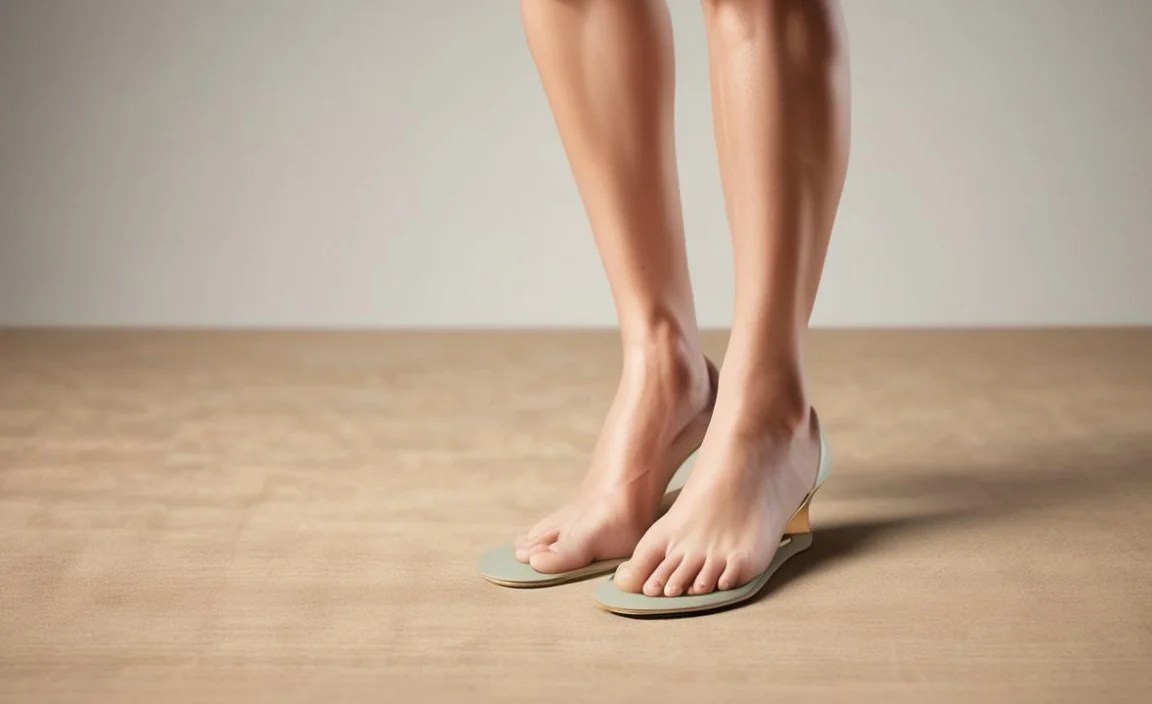
When selecting insoles for your high heels, keep an eye out for these important characteristics:
- Slim Profile: High heels often have a narrow and shallow toe box. Insoles need to be thin enough not to make your shoes too tight or uncomfortable.
- Shock Absorption: Materials like gel, memory foam, or specialized cushioning compounds are excellent at absorbing impact.
- Targeted Pressure Relief: Look for designs with extra padding in the metatarsal area.
- Good Adhesion: Many insoles for heels have a sticky backing to keep them securely in place, preventing them from shifting around in your shoe.
- Breathability: If your feet tend to get hot and sweaty, breathable materials can help improve comfort.
- Durability: You want insoles that will last and continue to provide support and cushioning.
Choosing the Best Insoles: A Comparison

Here’s a quick look at what to expect from different types of insoles often used in high heels:
| Insole Type | Primary Benefit | Best For | Considerations |
|---|---|---|---|
| Ball-of-Foot Cushions | Targets pressure point on forefoot | Burning, aching in the ball of foot | Can be placed individually or integrated; may shift if not secured well |
| Full-Length Cushioned Insoles (Slim) | Overall shock absorption & comfort | General foot fatigue, mild discomfort | Ensure they fit without compromising shoe fit; breathability can vary |
| Arch Support (Low Profile) | Supports the arch, improves alignment | Arch pain, flat feet, overpronation | May feel more rigid initially; crucial for overall foot health |
| Gel Inserts | Excellent shock absorption, cooling effect | Impact absorption, heat reduction | Can be slippery; some may be too thick for very narrow shoes |
| Memory Foam Inserts | Molds to foot for personalized comfort | Pressure point relief, comfort personalization | Can retain heat; may compress over time |
How to Use Insoles in Your High Heels Effectively

Getting the most out of your insoles involves a few simple steps. It’s not just about sticking them in and going! Here’s your guide to seamless integration:
Step 1: Assess Your Pain Points
Before buying, think about where you feel the most pain. Is it the very ball of your foot? Your arch? The heel striking the ground? Knowing this helps you choose the right type of insole.
Step 2: Choose the Right Insole Type
Based on your pain assessment, select the appropriate insole from the types we discussed (ball-of-foot, full-length, arch support).
Step 3: Prep Your Shoes
If your heels have old, worn-out insoles or removable footbeds, take them out. If not, you’ll be placing the new insoles on top of the existing shoe lining. Ensure the inside of the shoe is clean and dry.
Step 4: Position the Insole Correctly
This is crucial! For ball-of-foot cushions, they should sit just behind the widest part of the ball of your foot. For full-length insoles, they should lie flat as far forward as possible, fitting snugly against the toe box without bunching.
Step 5: Secure the Insole (If Needed)
Many insoles have an adhesive backing. Peel off the protective layer and press the insole firmly into place. This prevents it from shifting, which can cause more discomfort than it solves.
Step 6: Test the Fit
Slide your foot into the shoe with the insole in place. Does it feel too tight? Is there any pinching or rubbing? You might need to adjust the position slightly or try a thinner insole if your shoe is very snug.
Step 7: Wear Them In
Don’t wear your heels with new insoles for an entire day right away. Wear them for an hour or two at home to get used to the feel. Gradually increase the wear time as your feet adjust.
Beyond Insoles: Holistic Comfort Strategies
While insoles are a powerful tool, remember they are part of a larger picture for foot health in high heels. For maximum relief and prevention, consider these additional tips:
- Alternate Your Footwear: Don’t wear the same pair of high heels every day. Rotate them with lower heels, flats, or comfortable sneakers. This gives your feet and leg muscles a break.
- Choose Heels Wisely: Opt for heels with a thicker heel (like block or wedge heels) as they offer more stability and distribute weight better than thin stilettos. A heel height of 2 inches or less is generally much kinder to your feet.
- Stretch Your Calves and Feet: Regularly stretch your calf muscles and the soles of your feet. This can help counteract the effects of prolonged time spent in heels. Try calf stretches against a wall or rolling your foot over a tennis ball.
- Strengthen Your Feet: Exercises like towel scrunches (picking up a towel with your toes) and marble pickups can help strengthen the intrinsic muscles of your feet, improving support and resilience.
- Proper Footwear Fit: Even with insoles, ensure your shoes fit well to begin with. There should be enough room for your toes, and the shoe shouldn’t pinch or feel too loose.
- Stay Hydrated and Nourished: General health impacts your feet. Drinking plenty of water and eating a balanced diet supports tissue health and can reduce inflammation.
- Listen to Your Body: This is the most important tip! If a pair of heels is consistently causing pain, even with insoles, it might be time to let them go or reserve them only for very short occasions.
For more information on foot biomechanics and how footwear impacts your overall health, the National Institutes of Health (NIH) offers valuable insights into the complexities of the human foot.
Frequently Asked Questions About Insoles for High Heels
Q1: Can any insole work in high heels?
No, not all insoles are suitable for high heels. You need insoles with a slim profile that won’t make your shoes too tight. Ball-of-foot cushions and thin, full-length cushioned or arch support insoles designed for dress shoes are generally best.
Q2: How do I know if I need arch support insoles for my heels?
If you experience aching or fatigue in your arches, or if your feet tend to roll inward when you stand (overpronation), you likely benefit from arch support. Even in heels, proper arch support helps maintain better foot alignment and reduces strain.
Q3: Will insoles make my heels fit better if they are a bit loose?
Yes, insoles can help fill up space in shoes that are slightly too big, making them feel snugger and more secure. Be cautious, though, as adding insoles to shoes that are significantly too large won’t solve the fit issue and can still lead to discomfort.
Q4: How long do insoles for high heels typically last?
The lifespan of insoles varies depending on the material and how often you wear them. Generally, foam insoles might last 6-12 months, while gel or more durable composite insoles can last longer. Look for signs of wear like compression, thinning, or loss of cushioning.
Q5: Can I wear insoles in very pointed-toe heels?
Pointed-toe heels are notoriously difficult for foot comfort. While a very slim ball-of-foot cushion might be possible, full-length insoles often don’t fit. For extreme pointed shoes, focus on stretching the toe box and choosing very short wear times, as insoles may not offer significant relief.
Q6: How thick should insoles be for heels?
For most high heels, especially pumps and stilettos, aim for insoles that are no more than 3-5mm thick. Ball-of-foot cushions are typically very thin. The goal is to add comfort and support without making the shoe too snug, which can cause its own set of problems.
Conclusion: Step into Comfort, Step Out in Style
High heels don’t have to be a source of misery. By understanding the mechanics of foot pain in heels and leveraging the power of specially designed insoles, you can significantly reduce discomfort and enjoy your fashionable footwear. Whether you opt for targeted ball-of-foot cushions to banish that burning sensation, arch supports to keep your alignment on track, or slim, full-length cushioning for overall plushness, the right insole can be a true hero for your feet.
Remember to choose insoles that fit your specific needs and your shoes. Experiment a little to find the perfect pair, and don’t forget to complement your insole strategy with good footwear habits like alternating shoes and stretching. With these tools and tips, you can confidently step out, knowing that stylish elevation and true comfort can go hand-in-hand. Embrace the freedom to look and feel fabulous from heel to toe!
