Discover how the right insoles can transform your walking experience by significantly reducing heel pain. This guide offers clear, actionable advice for walkers seeking effective, long-term relief, turning painful steps into comfortable strides.
Does the thought of a long walk fill you with dread because of heel pain? You’re not alone. Millions of us experience that sharp, nagging ache that can make everyday activities miserable. But here’s the good news: with the right support, you can walk comfortably again. This guide is your straightforward, step-by-step companion to finding the best insoles to tackle heel pain, specifically for walkers. We’ll break down what causes heel pain when walking, how insoles help, and precisely what to look for. Get ready to step into comfort and leave that pain behind. Let’s find your perfect pair!
Understanding Heel Pain When Walking
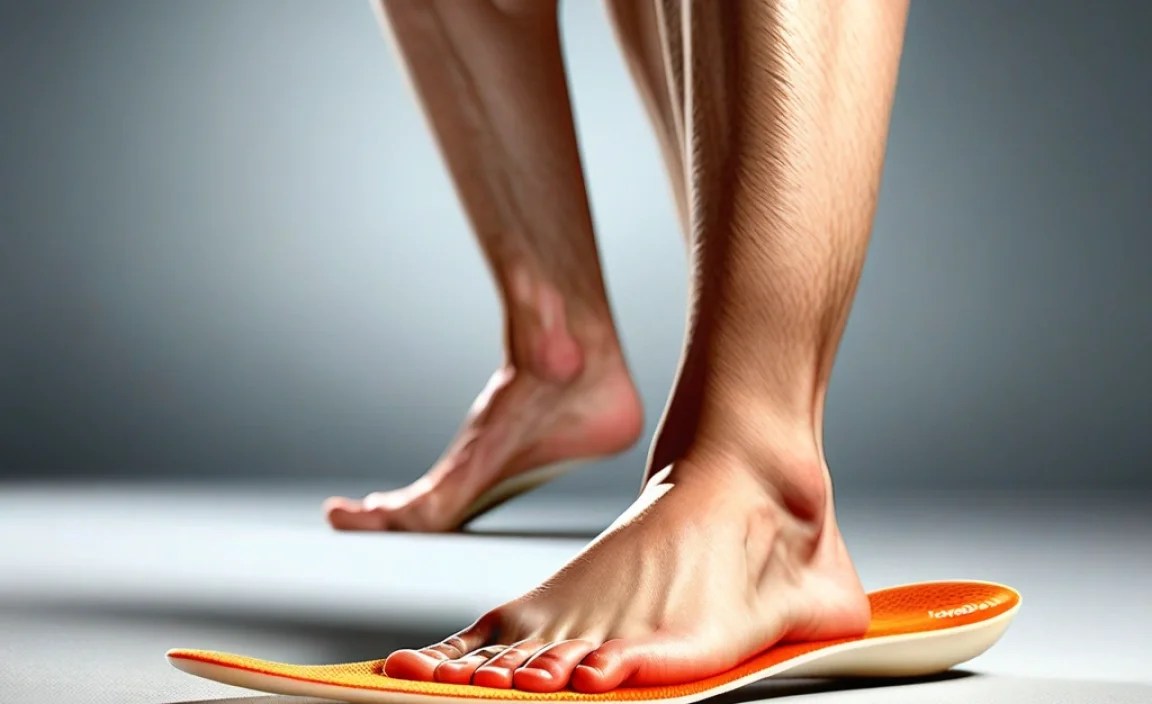
Heel pain, especially when walking, is a very common complaint. It often stems from overuse, improper footwear, or biomechanical issues. The most frequent culprit is plantar fasciitis, an inflammation of the band of tissue (plantar fascia) that runs across the bottom of your foot, connecting your heel bone to your toes. When this tissue gets strained, it can cause sharp pain, particularly in the morning or after periods of rest.
| Common Causes of Heel Pain While Walking | Explanation |
|---|---|
| Plantar Fasciitis | Inflammation of the plantar fascia, a thick band of tissue on the bottom of the foot. |
| Achilles Tendinitis | Inflammation of the Achilles tendon, which connects the calf muscles to the heel bone. |
| Heel Spurs | Bony protrusions on the underside of the heel bone, often accompanied by plantar fasciitis. |
| Stress Fractures | Tiny cracks in the heel bone, usually due to repetitive impact. |
| Poor Footwear | Shoes lacking adequate cushioning, arch support, or proper fit. |
| Overexertion | Sudden increases in walking distance or intensity. |
| Obesity | Excess body weight puts added pressure on the feet. |
When you walk, your feet absorb a significant amount of force. If your shoes don’t provide enough support or cushioning, or if your natural foot mechanics are off, the plantar fascia can become overstretched and irritated. This leads to that familiar, unwelcome pain with every step. The good news is that targeted support in the form of insoles can make a world of difference.
How Insoles Provide Relief for Heel Pain

Insoles, also called orthotics or shoe inserts, are designed to fit inside your shoes and provide an extra layer of cushioning, support, and alignment. For heel pain, particularly from plantar fasciitis, the right insoles work by:
- Cushioning the Heel: Many insoles have a shock-absorbing pad or cup around the heel area. This reduces the impact force that reaches the heel bone and the sensitive plantar fascia with each step.
- Supporting the Arch: Proper arch support is crucial. It helps to distribute pressure evenly across your foot and can prevent the plantar fascia from overstretching. Insoles with good arch contouring can mimic the natural shape of your foot, providing a cradle for your arch.
- Stabilizing the Foot: Some insoles offer enhanced stability features, controlling pronation (the inward rolling of the foot) or supination (the outward rolling). This can correct biomechanical issues that contribute to heel pain.
- Improving Alignment: By promoting better foot alignment, insoles can reduce strain not only on the heel but also on other parts of the kinetic chain, including the ankles, knees, and even the back.
- Enhancing Shock Absorption: Beyond just cushioning, specific materials in insoles are designed to absorb shock more effectively than standard shoe insoles. This is particularly beneficial for walkers who cover significant distances.
Think of insoles as custom-fit support systems for your feet. They work with your shoes to create a more comfortable and supportive walking experience, addressing the root causes of heel pain rather than just masking the symptoms.
Choosing the Right Insoles for Heel Pain Walkers

Not all insoles are created equal, and what works for one person might not work for another. For heel pain, especially if you’re an active walker, here’s what to prioritize:
Key Features to Look For:
- Firm Heel Cup: A well-defined, slightly rigid heel cup helps to stabilize the heel and absorb shock. It prevents the heel from rolling excessively.
- Arch Support: Look for insoles that match your arch type (flat, neutral, or high). Most people with heel pain benefit from moderate to firm arch support that doesn’t feel like it’s digging into their foot.
- Cushioning: While structure is important, adequate cushioning in the heel and forefoot is also key for comfort during long walks. Materials like EVA foam, gel, or memory foam are common.
- Varying Degrees of Firmness: Some people need softer, more cushioned support, while others require a firmer, more structured insole to control foot movement.
- Material: Breathable materials can help keep your feet dry and comfortable, reducing the risk of blisters and fungal infections.
- Fit: Insoles should fit comfortably in your walking shoes without making them too tight. They shouldn’t slip around or cause pressure points.
Types of Insoles Explained:
Insoles generally fall into a few categories:
- Over-the-Counter (OTC) Insoles: These are readily available at drugstores, sporting goods stores, and online. They are designed for general foot pain and come in various levels of support and cushioning. They are a great starting point for most people with occasional or mild heel pain.
- Semi-Rigid/Structured Insoles: These offer more substantial arch support and heel stabilization. They often have a firmer construction, typically made from materials like cork, plastic, or carbon fiber, topped with cushioning. They are excellent for conditions like plantar fasciitis and overpronation.
- Custom Orthotics: Prescribed and made by a podiatrist or other foot specialist, these are molded to your exact foot shape and biomechanics. They are the most effective but also the most expensive option, usually reserved for severe conditions or when OTC options fail.
For most walkers experiencing common heel pain, a good quality OTC semi-rigid insole often strikes the best balance between effectiveness, affordability, and accessibility. Resources like The American Academy of Physical Medicine and Rehabilitation offer insights into various treatment options for musculoskeletal pain.
A Step-by-Step Guide to Using Insoles for Heel Pain
Getting insoles is the first step; using them effectively will maximize your relief. Follow these steps:
Step 1: Assess Your Needs
Before buying, consider:
- What kind of heel pain do you have? (Sharp, dull, constant, intermittent)
- When is it worst? (Morning, after walking, all day)
- What type of walking do you do? (Casual strolling, brisk walking, hiking)
- What shoes will you put them in? (Running shoes, walking shoes, casual shoes)
If your pain is severe or persistent, consulting a podiatrist is always the best first step. They can diagnose the exact cause and recommend the most appropriate treatment, including specialized orthotics.
Step 2: Choose Your Insoles
Based on your assessment, select a pair of insoles. For walkers experiencing heel pain, look for insoles specifically designed for plantar fasciitis or heel pain relief. These typically feature enhanced heel cushioning and strong arch support.
Step 3: Prepare Your Shoes
Most insoles are designed to replace the existing insole in your shoe. Remove the original sock liner or insole. This creates space for the new insole and ensures a better fit. If the original insole is glued in, you may need to carefully pry it out. Some shoes have very thin liners that can be left in if they don’t impede the fit of the new insole.
Step 4: Insert the Insoles
Place the new insole into the shoe, ensuring it sits flat and the heel cup is properly positioned. The insole should align with the shoe’s inner sole. Avoid bunching or folding the insole as you insert it.
Step 5: Break Them In
Don’t wear your new insoles for a long walk immediately. Start by wearing them for a few hours each day, perhaps while doing around-the-house chores or short walks. This allows your feet to gradually adjust to the new support. Listen to your body; if you experience new discomfort, reduce the wear time and try again later.
Step 6: Monitor Your Progress
Pay attention to how your heel pain changes. With consistent use, you should notice a reduction in pain and discomfort. Keep wearing them for all your walking activities. If, after a few weeks, you don’t see improvement or your pain worsens, you may need to try a different type of insole or consult a healthcare professional.
Remember, insoles are a tool to aid in recovery and comfort. They work best when combined with supportive footwear, proper walking technique, and potentially other treatments recommended by a healthcare provider. For more information on foot health and biomechanics, resources from institutions like the American Podiatric Medical Association (APMA) can be invaluable.
Insoles for Different Types of Walkers
Your walking habits and needs can influence the best type of insole for your heel pain.
The Casual Stroller
If you enjoy leisurely walks and experience mild to moderate heel pain, you might benefit from insoles that offer a good balance of cushioning and moderate arch support. These often feel softer and more comfortable for daily wear.
- Recommendation: Plush, cushioned insoles with a supportive heel cup and mild to moderate arch contour.
The Brisk Walker/Fitness Walker
For those who cover more miles at a faster pace, shock absorption and stability become paramount. You’ll need insoles that not only cushion but also help control foot motion to prevent strain.
- Recommendation: Semi-rigid insoles with a firm heel cup, good arch support, and durable cushioning materials. Look for insoles designed for running or athletic activities.
The Commuter/Standing Worker
If your work involves long hours on your feet or commuting on foot, your feet endure prolonged stress. Insoles that offer all-day comfort, excellent shock absorption, and consistent support throughout the day are crucial.
- Recommendation: Durable, supportive insoles with gel or foam cushioning that offers sustained comfort and helps reduce fatigue. Arch support is key to prevent the arch from collapsing.
The Hiker/Trail Walker
Hiking involves uneven terrain and adds extra challenges to your feet. You need insoles that provide stability, grip, and robust support to handle varied surfaces and longer durations.
- Recommendation: Sturdier insoles with excellent arch support, deep heel cups, and a firmer structure to provide stability on uneven ground. Some might prefer insoles with added metatarsal support.
| Walker Type | Primary Need | Recommended Insole Features |
|---|---|---|
| Casual Stroller | Comfort and mild support | Plush cushioning, moderate arch support, soft feel |
| Brisk Walker/Fitness Walker | Shock absorption, stability | Firm heel cup, good arch support, durable cushioning, motion control |
| Commuter/Standing Worker | All-day comfort, fatigue reduction | Sustained cushioning (gel/foam), excellent shock absorption, consistent arch support |
| Hiker/Trail Walker | Stability on uneven terrain, durability | Robust arch support, deep heel cup, firmer structure, good traction |
When in doubt, choosing an insole with a versatile design that offers good all-around support and cushioning is often a safe bet for most walkers experiencing heel pain.
Tips for Maximizing Insole Effectiveness
To get the most out of your insoles and ensure lasting relief, keep these tips in mind:
- Wear them consistently: The benefits of insoles come from regular use. Wear them in your primary walking shoes every time you’re on your feet for extended periods.
- Maintain good foot hygiene: Keep your feet clean and dry. If your insoles are removable and washable, clean them periodically according to the manufacturer’s instructions to prevent odor and bacteria buildup.
- Listen to your body: While breaking in new insoles, pay attention to any discomfort. If pain occurs, reduce wear time and gradually increase it. Persistent pain might indicate the wrong insole type or the need for professional advice.
- Replace them when worn out: Insoles, like shoes, wear down over time. Cushioning compresses, and support structures can degrade. Most OTC insoles last between 6 months to a year, depending on usage and material. Look for signs of wear like compression marks in the cushioning or loss of arch support.
- Combine with appropriate footwear: Insoles work best when placed in shoes that already offer a good foundation. Avoid using them in worn-out shoes or those with poor support. Your walking shoes should have a firm sole, a supportive midsole, and adequate depth to accommodate the insole comfortably.
- Stay hydrated and maintain a healthy weight: While insoles are a powerful tool, overall health plays a role. Staying hydrated and managing your weight reduces stress on your feet and can significantly contribute to pain relief.
- Consider stretching exercises: Gentle stretching of the calf muscles and plantar fascia can complement the support from insoles. Many podiatrists and physical therapists recommend specific daily stretches. The NHS website offers examples of leg exercises that can be beneficial.
Frequently Asked Questions About Insoles and Heel Pain
What is the best type of insole for plantar fasciitis?
For plantar fasciitis, the best insoles generally offer a firm heel cup for stability and cushioning, robust arch support to reduce strain on the plantar fascia, and shock-absorbing materials. Semi-rigid insoles often provide the optimal combination of support and cushioning.
How long does it take for insoles to relieve heel pain?
It varies depending on the individual and the severity of their heel pain. Some people feel relief within a few days of consistent use, while for others, it might take a couple of weeks. It’s important to break them in gradually and use them consistently.
Can I wear insoles in any shoe?
Insoles are designed to fit into most supportive shoes, such as walking shoes, running shoes, sneakers, and some casual shoes. They are generally not recommended for very flimsy shoes like flip-flops, high heels, or shoes with minimal internal space, as they may not fit properly or provide adequate support.
Do I need custom orthotics if over-the-counter insoles don’t work?
If over-the-counter insoles don’t provide sufficient relief after several weeks of consistent use, consulting a podiatrist is the next step. They can assess your specific foot mechanics and determine if custom orthotics, which are made precisely for your feet, would be more effective. Custom orthotics are often recommended for more complex biomechanical issues or persistent, severe pain.
How do I know if my insoles are worn out?
Signs that your insoles are worn out include a visible flattening or compression of the cushioning material, a loss of arch support (the insole might feel saggy), or if you notice your heel pain returning despite wearing them. On average, OTC insoles last 6-12 months with regular use.
Can insoles help with heel pain caused by a heel spur?
Yes, insoles can significantly help manage heel pain associated with heel spurs. They provide cushioning and shock absorption at the heel strike, which is where the spur can cause irritation. Proper arch support also helps to reduce tension on the area, which can alleviate pain.
Should my insoles feel tight in my shoes?
Insoles should fit snugly and comfortably within your shoes without creating pressure points or making your shoes too tight. If your shoes feel uncomfortably constricted after inserting the insoles.
