For handball players, the right insoles offer essential shock absorption, support, and injury prevention, significantly enhancing shoe performance and comfort during intense play.
When you’re on the handball court, every step, jump, and pivot matters. The demands of the game can put a lot of stress on your feet and ankles. That’s why choosing the right footwear is crucial. But did you know that what’s inside your shoes can make just as much difference as the shoes themselves? We’re talking about insoles! Many players overlook them, but they can be a game-changer for comfort, performance, and protecting your feet from those fast-paced, high-impact movements. This guide will walk you through why insoles are so important for handball and how to pick the perfect pair to keep you playing your best.
Why Insoles Matter for Handball Players


Handball is a sport of quick bursts, sudden stops, and dynamic movements. This means your feet take a serious beating. Standard shoe cushioning might not be enough for the repetitive impact. Insoles can step in to offer targeted support and protection.
The Unique Demands of Handball
High Impact: Jumping for shots or to block, landing after leaps, and quick lateral movements all create significant shockwaves that travel up your legs.
Rapid Direction Changes: Pivoting, cutting, and shuffling put torsional stress on your feet and ankles.
Foot Fatigue: Long games or practices can lead to tired, sore feet, reducing performance and increasing the risk of injury.
Specific Foot Needs: Everyone’s feet are different. Some players might have high arches, flat feet, or specific biomechanical issues that standard shoes don’t accommodate.
How Insoles Provide Genius Protection
Insoles aren’t just extra padding; they’re designed to enhance your shoe’s function and your foot’s natural mechanics.
Shock Absorption: A good insole can absorb a significant portion of the impact force, cushioning your joints and reducing fatigue.
Arch Support: Proper arch support helps distribute pressure evenly across your foot, preventing strain and improving stability. This is vital for preventing issues like plantar fasciitis or Achilles tendinitis.
Heel Stability: Many insoles have deep heel cups that cradle your heel, promoting stability and reducing the risk of ankle rolls.
Motion Control: For players whose feet tend to roll inward (overpronate) or outward (supinate), specific insoles can help guide the foot into a more neutral position.
Comfort Enhancement: Beyond protection, insoles simply make your shoes feel better, reducing friction and hot spots that can lead to blisters.
Types of Insoles for Handball


Not all insoles are created equal, and the best one for you depends on your specific needs. Think of them as customizable upgrades for your handball shoes.
1. Cushioning Insoles
These are all about comfort and shock absorption. They provide a softer landing with every step and jump, making them great for players who experience general foot soreness or want extra padding against hard court surfaces.
Pros: Excellent shock absorption, immediate comfort, reduces impact on joints.
Cons: May offer less structured support, can sometimes feel too soft and reduce responsiveness.
Best for: Players seeking maximum comfort, those with sensitive feet, or to add cushioning to already well-cushioned shoes.
2. Supportive (Orthotic) Insoles
These insoles are designed to correct biomechanical issues and provide structural support. They often feature enhanced arch support, heel cradles, and firmer materials to guide your foot into a more neutral alignment.
Pros: Improves foot alignment, can help prevent overuse injuries, provides better stability.
Cons: Can take time to break in, might feel too rigid initially, can be more expensive.
Best for: Players with specific foot conditions like flat feet, high arches, plantar fasciitis, or overpronation/supination.
3. Performance/Athletic Insoles
A hybrid approach, these insoles aim to blend cushioning with enhanced support and responsiveness. They often use advanced materials to provide cushioning without sacrificing ground feel or energy return, which is crucial for quick movements in handball.
Pros: Balances cushioning and support, can enhance agility and responsiveness, durable.
Cons: Might be a middle-ground option that isn’t as specialized as other types.
Best for: Most handball players looking for an all-around upgrade to their shoe’s performance features.
4. Custom Insoles
These are made specifically for your feet, often after a professional gait analysis. They offer the most precise fit and support but come with a higher price tag and require a consultation.
Pros: Perfect fit, addresses unique foot needs, maximum effectiveness for correction and support.
Cons: Most expensive option, requires professional fitting, longer wait time.
Best for: Players with chronic or severe foot pain, severe biomechanical issues, or those seeking the absolute best in personalized support.
Key Features to Look For in Handball Insoles


When picking out insoles, consider what features will best serve you on the court. Your handball shoes should be a tool for performance, and your insoles are a crucial part of that toolkit.
Material Matters
The material of an insole affects its cushioning, support, durability, and moisture-wicking properties.
EVA (Ethylene-Vinyl Acetate): A common, lightweight, and flexible foam. It offers good cushioning and shock absorption. Many shoes and insoles use EVA in varying densities for different purposes.
Polyurethane (PU): Denser and more durable than EVA, PU provides excellent support and shock absorption, often lasting longer. It’s frequently used in higher-end insoles and orthotics.
Gel/Silicone: Primarily used for enhanced shock absorption, especially in the heel or forefoot. They can add a noticeable layer of cushioning.
Carbon Fiber: Rigid and lightweight, these are often used in performance insoles for a stable platform and maximum energy return, though less common in traditional “comfort” insoles.
Arch Support Levels
This is critical for proper foot alignment and preventing strain.
Low Arch/Flat Feet: You might need insoles that offer moderate to high arch support to help lift and support the arch, preventing the foot from collapsing inwards.
Neutral Arch: A moderate amount of arch support is usually sufficient to provide a stable platform.
High Arch: You’ll likely benefit from insoles with significant cushioning and contoured support that doesn’t press too hard on the arch but still provides structure.
Heel Cup Depth
A deep heel cup is essential for stability.
Deep Heel Cups: These cradle the heel, preventing the foot from sliding around inside the shoe and providing a stable base for landing jumps and absorbing shock. This can significantly reduce the risk of ankle sprains.
Shallow Heel Cups: Offer less stability and might allow the heel to move more freely, which can be desirable for some athletes but generally less so for sports with high impact and lateral movements like handball.
Toe Taper and Thickness
Think about the internal space of your handball shoes.
Slimmer Taper: Insoles that are thinner at the toe allow for a snugger fit in shoes with a naturally tapered toe box, preventing the front of your foot from feeling cramped.
Thicker Toe: If your shoes have ample room at the front, a slightly thicker toe can add welcome cushioning.
Overall Thickness: Consider the natural volume of your shoe. Too thick an insole can make your shoe feel too tight, affecting comfort and fit.
Moisture-Wicking Properties
Your feet sweat, especially during intense handball games.
Breathable Materials: Look for fabrics like polyester or specific athletic mesh that help draw moisture away from your foot and allow for better ventilation. This keeps your feet drier, cooler, and helps prevent blisters and odor.
How to Choose the Right Insoles for Your Handball Shoes


The process of selecting insoles should be based on your personal needs and the demands of handball.
Step 1: Understand Your Foot Type and Needs
Self-Assessment: Look at your feet in the mirror. Do you see a distinct arch? Do your feet roll in or out when you walk? A simple wet test (wet your feet, step on a piece of paper, and observe the footprint) can give you an idea of your arch height.
Pain Points: Where do you feel discomfort most? Heel pain, arch soreness, ball of the foot pain, or ankle instability? This points to what kind of support you need.
Play Style: Are you a dynamic player who jumps a lot, or do you rely more on quick footwork and pivots?
Step 2: Consider Your Handball Shoes
Shoe Volume: Are your current handball shoes roomy or snug? You’ll need insoles that fit without making your shoes uncomfortably tight.
Original Insoles: Are the stock insoles in your handball shoes removable and decent quality, or are they thin and flimsy? You’ll likely need to remove the original insole to make space for a new one.
Shoe Type: While you’re looking for insoles specifically for handball shoes, different handball shoe models might have slightly different internal constructions.
Step 3: Match Insoles to Your Needs
General Comfort & Shock Absorption: Start with well-cushioned EVA or PU insoles.
Arch Pain/Flat Feet/Overpronation: Look for supportive orthotic insoles with firm arch support and a stabilizing heel cup. Brands like Mayo Clinic offer insights into conditions like plantar fasciitis that insoles can help manage.
High Arches/Supination: Opt for insoles with excellent cushioning and contoured support that doesn’t over-correct.
Plantar Fasciitis: Insoles with strong heel support and good arch contouring are key.
High-Performance Needs: Consider athletic or performance insoles that balance cushioning with responsiveness.
Step 4: Try Them On (If Possible)
Feel the Support: Ideally, try insoles in your handball shoes before buying. Walk around, do a few gentle jumps or heel raises. Do they feel supportive? Do they relieve pressure points?
Check Fit: Ensure no part of the insole is bunching up or creating hot spots. The heel should feel secure.
Step 5: Break Them In
Patience is Key: Especially with more rigid orthotic insoles, give your feet a few days to adapt. Start by wearing them for shorter periods and gradually increase the duration.
Choosing Between Off-the-Shelf and Custom
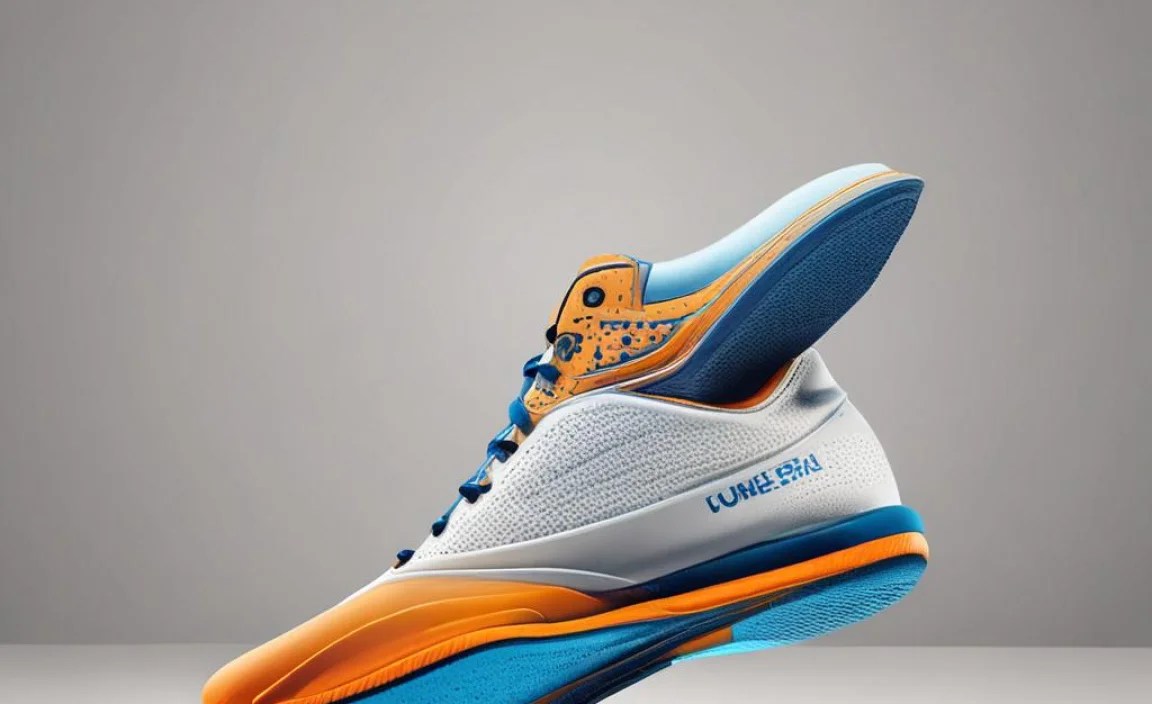
The debate between ready-made and tailor-made insoles is common. Here’s a breakdown to help you decide.
| Feature | Off-the-Shelf Insoles | Custom Insoles |
|---|---|---|
| Cost | Generally $20 – $60 | Typically $150 – $600+ |
| Availability | Widely available in sporting goods stores, online retailers, pharmacies. | Requires consultation with a podiatrist or orthotist. |
| Customization | Limited to specific models and sizes; may require trimming. | Precisely molded to your unique foot anatomy and biomechanics. |
| Effectiveness for Specific Issues | Can be very effective for common issues like mild arch support or extra cushioning. | Highly effective for severe or complex foot conditions, pain management, and performance optimization. |
| Break-in Period | Usually short, sometimes immediate comfort. | Can range from a few days to a couple of weeks. |
| Best For | General comfort, mild support needs, budget-conscious buyers, trying insoles for the first time. | Chronic or severe foot pain, specific biomechanical deformities, high-level athletes seeking peak performance. |
It’s worth noting that many people find excellent relief and performance benefits from high-quality off-the-shelf insoles designed for athletic use. If you’re unsure, starting with a reputable pair of athletic insoles is a great first step. If your issues persist, then consulting a professional for custom orthotics is a worthwhile investment. The American Podiatric Medical Association (APMA Patient Resources) provides helpful information on orthotics.
How to Insert and Care for Your Insoles
Putting insoles into your shoes and taking care of them is simple, but a few tips can extend their life and ensure you get the most benefit.
Inserting Your New Insoles
1. Remove Old Insoles: If your handball shoes have removable insoles, take them out. This is crucial to avoid having too many layers, which can affect shoe fit and potentially cause blisters.
2. Trim If Necessary: Many off-the-shelf insoles come in larger sizes and need to be trimmed to fit your shoe size precisely.
Place your original insole (or your foot directly) on top of the new insole.
Trace the outline of the shoe’s interior onto the new insole, paying close attention to the heel and arch shape.
Use sharp scissors or a craft knife to carefully cut along the traced line. It’s often better to trim a little at a time and check the fit rather than cutting too much off at once.
3. Place New Insoles: Slide the trimmed insoles into your handball shoes, ensuring they sit flat and snug against the bottom of the shoe. Make sure the heel is seated well in the shoe’s heel cup.
4. Test Fit: Put on your handball shoes. They should feel comfortable, with no pinching or excessive tightness.
Caring for Your Insoles
Proper care will help your insoles maintain their support and hygiene.
Daily Airing: After playing, remove your insoles from your shoes and let them air dry. This prevents moisture buildup, which can lead to odor and bacterial growth.
Spot Cleaning: For minor dirt, use mild soap and water with a soft brush or cloth. Rinse thoroughly and allow them to air dry completely. Avoid machine washing or harsh detergents, as these can degrade the materials.
Rotation (If Possible): If you have multiple pairs of athletic shoes you use, rotating them can allow insoles to fully dry out and recover their shape between uses.
* Regular Inspection: Check your insoles periodically for signs of wear, such as thinning, compression, or breakdown of materials. If they’ve lost their support or cushioning, it’s time for a new pair.
Frequently Asked Questions About Insoles for Handball Shoes
Here are some common questions players have about using insoles in their handball footwear.
Q1: Do I need insoles if my feet don’t hurt?
Not necessarily, but even if you don’t experience pain, insoles can offer proactive protection. They provide enhanced shock absorption and support, which can prevent future injuries and improve the overall comfort and performance of your handball shoes.
Q2: How often should I replace my insoles?
For active individuals playing sports like handball, insoles typically last between 6 to 12 months. You’ll know it’s time to replace them when they start to lose their cushioning, support, or show visible signs of wear and flattening.
