Insoles for hammertoes provide essential support and cushioning to relieve pain by realigning the foot, reducing pressure on the affected toes, and improving overall comfort. They can help prevent hammertoes from worsening and make walking less painful.
Dealing with hammertoes can be a real pain, literally! That bent-out-of-shape toe can make putting on shoes and simply walking around feel like a chore. It’s a common issue, and if you’re experiencing it, know that you’re not alone. The good news is that relief is possible, and often, it starts with something as simple as the right insoles. In this guide, we’ll walk through exactly what insoles can do for your hammertoes and how to choose the best ones. Get ready to step into more comfort!
Understanding Hammertoes: What’s Going On?

Before we dive into the world of insoles, let’s take a moment to understand what a hammertoe actually is. Simply put, a hammertoe is a deformity where one of your lesser toes (any toe other than your big toe) bends abnormally downward at the middle joint. This causes the toe to look like a hammer or a claw.
Several factors can contribute to the development of hammertoes:
- Ill-fitting Shoes: Shoes that are too short, too narrow, or have a low toe box force your toes into a bent position. High heels exacerbate this by pushing the foot forward and cramming the toes.
- Muscle Imbalance: Over time, the muscles and tendons in your foot can become unbalanced. When the muscles that extend the toe become weaker than those that flex it, the toe can start to curl downward.
- Arthritis: Conditions like rheumatoid arthritis can affect the joints and muscles, leading to deformities like hammertoes.
- Foot Structure: Some people are predisposed to hammertoes due to the natural shape of their feet, such as having a high arch or a longer second toe.
- Injury: Trauma or injury to the toe can also disrupt its normal function and structure.
The consequence of this bending is increased pressure on the toe itself and the ball of the foot. This pressure can lead to several uncomfortable symptoms:
- Pain in the affected toe or toes.
- Corns and calluses forming on the top of the bent toe or the sole of the foot due to friction.
- Redness and swelling in the toe joint.
- Difficulty finding comfortable shoes.
- A feeling of instability when walking.
It’s important to address hammertoes early, as they can sometimes become rigid and permanent over time, making them more difficult to treat without surgical intervention. Insoles are a fantastic non-invasive option for managing pain and preventing progression.
How Insoles Can Help Your Hammertoes
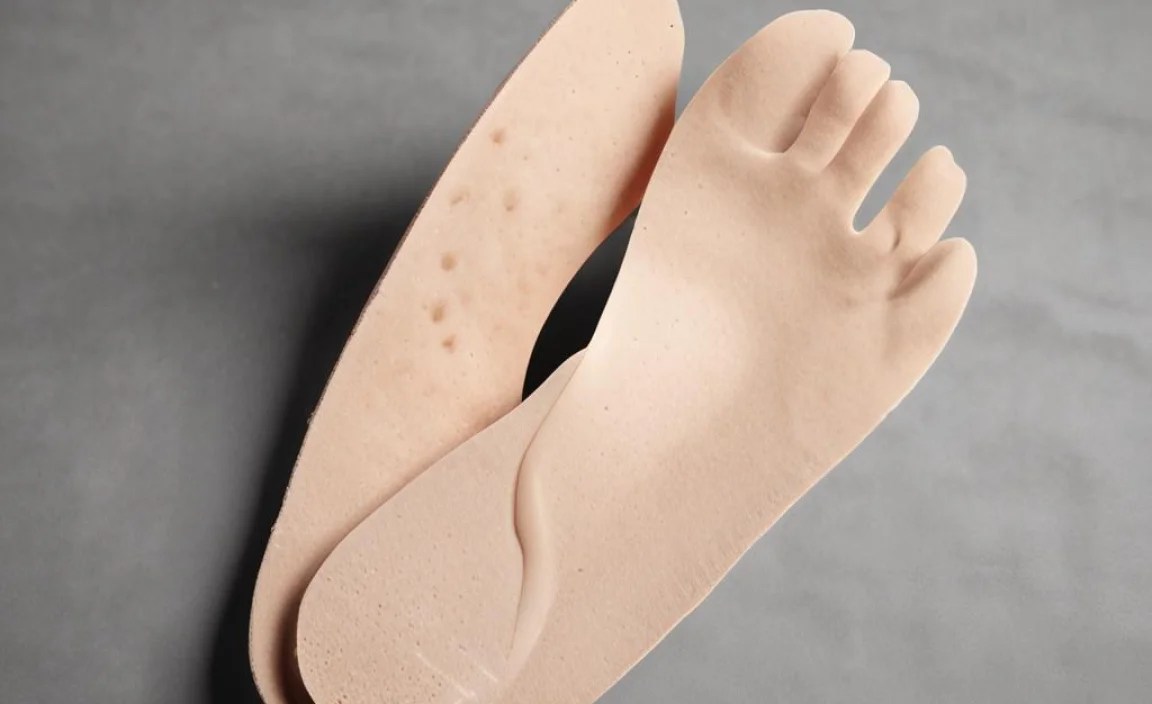
When it comes to hammertoes, the right insoles act like a supportive hug for your feet. They don’t magically straighten a rigid hammertoe, but they can make a huge difference in managing the discomfort and preventing things from getting worse. Here’s how they work their magic:
- Realigning the Foot: Many insoles are designed with helpful arch support and heel cups. This can correct subtle misalignments in your foot’s natural structure that might be contributing to toe issues. By providing better overall foot alignment, the pressure on your toes can be redistributed more evenly.
- Reducing Pressure Points: Hammertoes often create specific pressure points where the bent toe rubs against the shoe or the ground. Cushioned insoles, especially those with gel or memory foam, help to absorb shock and reduce the impact on these sensitive areas.
- Cushioning and Shock Absorption: The simple act of walking sends shockwaves up your leg. Insoles with good cushioning absorb much of this impact, preventing it from reaching your sore toes and the ball of your foot.
- Metatarsal Support: Some insoles have a metatarsal pad, which is a raised area located just behind the ball of your foot. This pad can help lift and spread the metatarsal bones, taking pressure off the forefoot and the affected toes.
- Improving Biomechanics: By providing a stable base and encouraging proper foot function, insoles can improve your overall gait (the way you walk). This means less awkward pressure and strain on your toes with every step you take.
- Accommodating Toe Shape: While insoles won’t straighten a hammertoe, some designs can help create a bit more room in the toe box of your shoe by subtly shifting the foot’s position, reducing friction.
Think of insoles as proactive helpers for your feet. They calm down irritation, support natural foot mechanics, and make your shoes feel much more comfortable, allowing you to get back to enjoying your day without constant toe pain.
Types of Insoles Best for Hammertoes

Not all insoles are created equal, especially when you’re dealing with a specific issue like hammertoes. Here’s a breakdown of the types that tend to offer the most relief:
1. Cushioned Insoles
These are your go-to for basic comfort and shock absorption. They’re great for everyday wear and can significantly reduce the impact on your toes.
- Pros: Excellent cushioning, widely available, comfortable for all-day wear, reduces general foot fatigue.
- Cons: May offer less targeted support for structural issues.
- Best for: Mild hammertoes, general foot discomfort, and those who need a softer feel in their shoes.
2. Supportive Insoles (with Arch Support)
These insoles focus on providing structure and stability to your foot. Good arch support helps to align the foot properly from heel to toe, which can alleviate pressure on the ball of the foot and the toes.
- Pros: Improves foot alignment, reduces overpronation (your foot rolling inward too much), provides a stable foundation.
- Cons: Can feel firmer than purely cushioned insoles.
- Best for: Hammertoes linked to flat feet or overpronation.
3. Metatarsal Pads / Forefoot Support Insoles
These insoles often feature a built-in metatarsal pad located just behind the ball of the foot. This pad gently lifts and spreads the bones in the forefoot, which can relieve pressure on the nerves and joints in that area, often a culprit in hammertoe pain.
- Pros: Directly targets pressure on the ball of the foot, can help with neuromas and other forefoot pain.
- Cons: The pad might take some getting used to; can sometimes feel intrusive in tight shoes.
- Best for: Hammertoes associated with pain at the ball of the foot, or conditions like Morton’s neuroma.
4. Orthotic Insoles (Custom or Semi-Custom)
While full custom orthotics prescribed by a podiatrist are the gold standard, many over-the-counter semi-custom options offer excellent support and are designed for specific foot conditions. They are built with targeted support features that mimic custom versions but at a lower price point and with better availability.
- Pros: Offers more advanced correction and support, designed for specific biomechanical issues.
- Cons: More expensive than basic insoles, may require some trial and error to find the perfect fit.
- Best for: More severe hammertoes, complex foot issues, or when over-the-counter options aren’t providing enough relief.
5. Gel Insoles
Often found as a type of cushioned insole, gel offers excellent shock absorption and can be particularly good for cushioning bony prominences and areas of friction.
- Pros: Superior shock absorption, durable, can provide a cooling sensation.
- Cons: Can sometimes be less breathable and may shift in shoes if not a snug fit.
- Best for: Intense activity, individuals who stand for long periods, and for added shock absorption on hard surfaces.
Important Note: Always check the insoles’ features. Look for a good heel cup to stabilize your foot, adequate cushioning, and possibly a gentle contour that supports your arch without being overly rigid. Some insoles have a higher “drop” (difference in height between heel and toe), so consider that if you have specific foot mechanics.
Choosing the Right Insoles: A Step-by-Step Approach

Picking the perfect insole can feel a bit overwhelming, but follow these steps, and you’ll be well on your way to happier feet.
Step 1: Assess Your Hammertoe and Foot Needs
Before you even start looking at insoles, take a moment to understand your specific situation:
- Severity of Hammertoe: Is it a mild bend, or is it quite rigid?
- Pain Location: Where does it hurt the most? On top of the toe, at the ball of the foot, or all over?
- Foot Type: Do you have high arches, flat feet, or neutral arches?
- Activity Level: Are you mostly sedentary, do you walk a lot for work, or are you an athlete?
- Current Footwear: What kind of shoes do you wear most often? (e.g., dress shoes, sneakers, boots). The insole needs to fit comfortably inside your existing shoes.
Step 2: Consider the Material and Cushioning
The material of the insole greatly affects comfort and support.
- Foam (EVA): Lightweight and offers good cushioning and shock absorption. Great for everyday use.
- Gel: Excellent shock absorption, can be very effective for high-impact activities and pressure relief.
- Memory Foam: Molds to the shape of your foot, providing personalized cushioning and comfort.
- Cork: Natural material that is supportive, durable, and can mold to your foot over time. Good for arch support.
For hammertoes, a combination of cushioning and some supportive structure is often ideal. You want something that absorbs shock without feeling mushy.
Step 3: Look for Specific Features
When browsing, keep an eye out for these helpful features:
- Deep Heel Cup: This helps to cradle and stabilize your heel, improving overall foot alignment.
- Arch Support: Whether it’s a mild contour or more robust support, this helps distribute weight evenly and can prevent the foot from collapsing, which can worsen toe issues.
- Metatarsal Pad: If you experience pain at the ball of your foot, a pad in this area can be a game-changer.
- Ample Toe Room: While not a feature of the insole itself, ensure the insoles you choose don’t take up so much space that they cramp your toes further. Some insoles are designed to be low-profile.
Step 4: Try Them On (If Possible)
If you can, try insoles on in a store with the socks you usually wear. Walk around a bit. Do they feel comfortable? Do they add noticeable support? Are there any new pressure points?
Step 5: Read Reviews
Online reviews can be incredibly helpful. Look for reviews from people who mention similar foot issues to yours. Pay attention to comments about durability, comfort over time, and whether the insoles helped with toe or forefoot pain.
Step 6: Consider Your Footwear
The best insole won’t help if it doesn’t fit properly into your shoes.
- Athletic Shoes & Casual Sneakers: These typically have removable insoles and offer more room, making them ideal for most types of supportive insoles.
- Dress Shoes & Boots: Many dress shoes have very thin, non-removable insoles and limited toe box space. You might need to look for low-profile, slim insoles designed specifically for these types of shoes.
- Sandals: Some sandals have sandal-specific insoles, or you might find options that can be easily integrated into supportive sandals.
If your regular shoes are already tight, adding an insole might not be feasible. In such cases, you may need to consider wider shoes or insoles that are very thin.
Step 7: Brand Recommendations and Resources
Several reputable brands offer excellent insoles for foot pain. While specific models change, brands like Superfeet, Powerstep, Currex, and Vionic are consistently well-regarded for their supportive designs. For general foot health and understanding biomechanics, resources from organizations like the American Podiatric Medical Association (APMA) can offer valuable insights.
Using Your Insoles for Maximum Relief
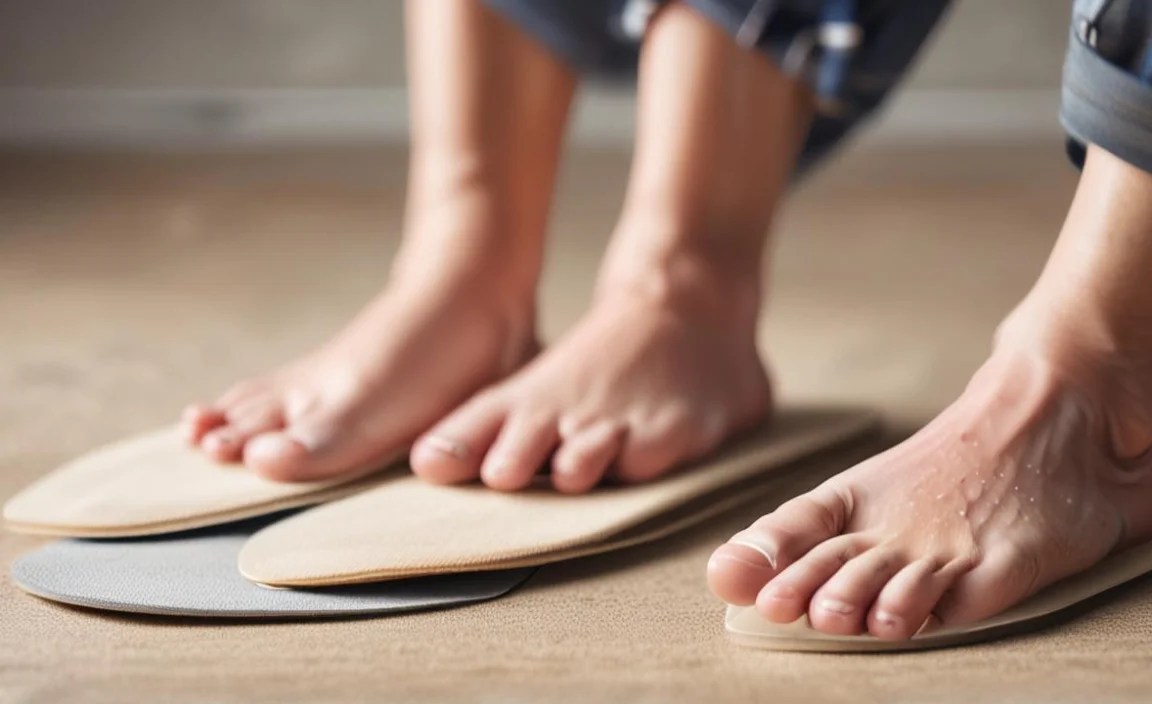
Once you’ve found your perfect pair of insoles, it’s time to make sure you use them correctly to get the most benefit for your hammertoes.
1. Proper Insertion
Most insoles are designed to replace the existing insole in your shoe. If your shoe has a removable insole, simply slide it out and place the new insole inside. Make sure it sits flat and doesn’t bunch up.
If your shoe has a glued-in insole, you might be able to carefully peel out the original one. If not, you’ll need to find an insole designed to fit on top, which is usually a thinner, more flexible design.
2. Break-In Period
Don’t throw yourself into wearing your new insoles for 12 hours straight on day one! Like new shoes, insoles sometimes need a little time to conform to your foot and for your foot to adapt to the support.
- Start by wearing them for an hour or two each day.
- Gradually increase the wear time over several days to a week.
- Pay attention to how your feet feel. If you experience any new discomfort, reduce the wear time and try an easier break-in schedule.
3. Consistency is Key
To see the best results for your hammertoes, try to wear your insoles consistently in your most frequently worn shoes.
- If you spend long hours on your feet at work, wear them in your work shoes.
- If you’re active, wear them during exercise or walking.
- Swapping them between shoes can be done, but it might slow down the adaptation process. If possible, consider getting a few pairs for your most used shoes.
4. Proper Shoe Fit
Insoles work best when they are paired with shoes that fit correctly in the first place. Even the best insole can’t fix a shoe that is fundamentally too small or too narrow for your foot.
- Toe Box Space: Ensure there’s enough room for your toes to wiggle slightly, even with the insole inside. If adding an insole makes your shoes feel too tight, especially in the toe area, you might need a slimmer insole or wider shoes.
- Heel Grip: Your heel should feel secure in the shoe, not slipping up and down.
5. Cleaning and Care
To extend the life of your insoles and keep them hygienic, follow these tips:
- Air Them Out: After each use, remove insoles from your shoes to let them air dry. This is especially important if your feet tend to sweat.
- Spot Clean: For dirt or debris, use a damp cloth with mild soap and water. Avoid soaking them.
- Follow Manufacturer Instructions: Always check the manufacturer’s care instructions, as some materials may have specific cleaning requirements.
6. When to Seek Professional Help
Insoles are a fantastic tool for relief, but they aren’t a cure-all. If your hammertoe pain is severe, persistent, or you notice significant changes in your foot structure, it’s crucial to consult a healthcare professional.
- Podiatrist: A podiatrist can diagnose the exact cause of your hammertoe, recommend specific treatments, and even create custom orthotics if needed. They can also provide advice on footwear and exercises.
- Physical Therapist: A physical therapist can help with stretching and strengthening exercises to improve foot and ankle mechanics, which can complement the use of insoles.
Remember, insoles are part of a broader strategy for foot health. Combined with proper footwear and attention to your body’s signals, they can significantly improve your comfort and quality of life.
Insoles vs. Other Hammertoe Treatments

Insoles are a popular and effective first-line treatment for hammertoes, but it’s good to know what other options are out there and how they compare.
Taping and Strapping
This involves using athletic tape to strategically position the toe, often to pull a bent toe straighter. Sometimes, a small pad is placed under the toe to help lift it.
- Pros: Can provide immediate, albeit temporary, relief for some. Very low cost.
- Cons: Requires daily application, tape can irritate skin, provides minimal cushioning or long-term support. Doesn’t address underlying causes like arch collapse.
- When it might help: For mild, flexible hammertoes experiencing pain from friction.
