Quick Summary: Insoles designed for hallux valgus bunions can offer significant relief by cushioning, supporting, and realigning the foot, effectively reducing pressure and discomfort associated with this common foot condition.
Insoles For Hallux Valgus Bunions: Proven Relief

That little bump on the side of your big toe, the one that starts small but can become a real pain? That’s hallux valgus, more commonly known as a bunion. It’s a common foot issue that can make walking, standing, and even wearing your favorite shoes a miserable experience. The good news is, you don’t have to live with the constant ache. Special insoles, also called orthotics, can provide incredible support and comfort, helping to ease your pain and improve your foot’s alignment. We’re going to walk you through exactly how these insoles work and how to choose the best ones for your needs. Get ready to step into a more comfortable future!
Understanding Hallux Valgus (Bunions)

Before we dive into how insoles can help, let’s quickly understand what a bunion is. A bunion is a bony bump that forms on the joint at the base of your big toe. It happens when the big toe bone (the first metatarsal) starts to shift outward, and the big toe itself tilts inward towards the other toes. This can make the joint stick out, causing pain, inflammation, and difficulty finding shoes that fit comfortably.
Several factors can contribute to bunions, including genetics, foot structure, certain foot conditions like flat feet, and wearing ill-fitting or narrow shoes. While insoles won’t “cure” a bunion – meaning they won’t remove the bony bump itself – they are remarkably effective at managing symptoms and preventing the condition from worsening. They work by redistributing pressure, absorbing shock, and providing proper foot support.
How Insoles Help Bunions
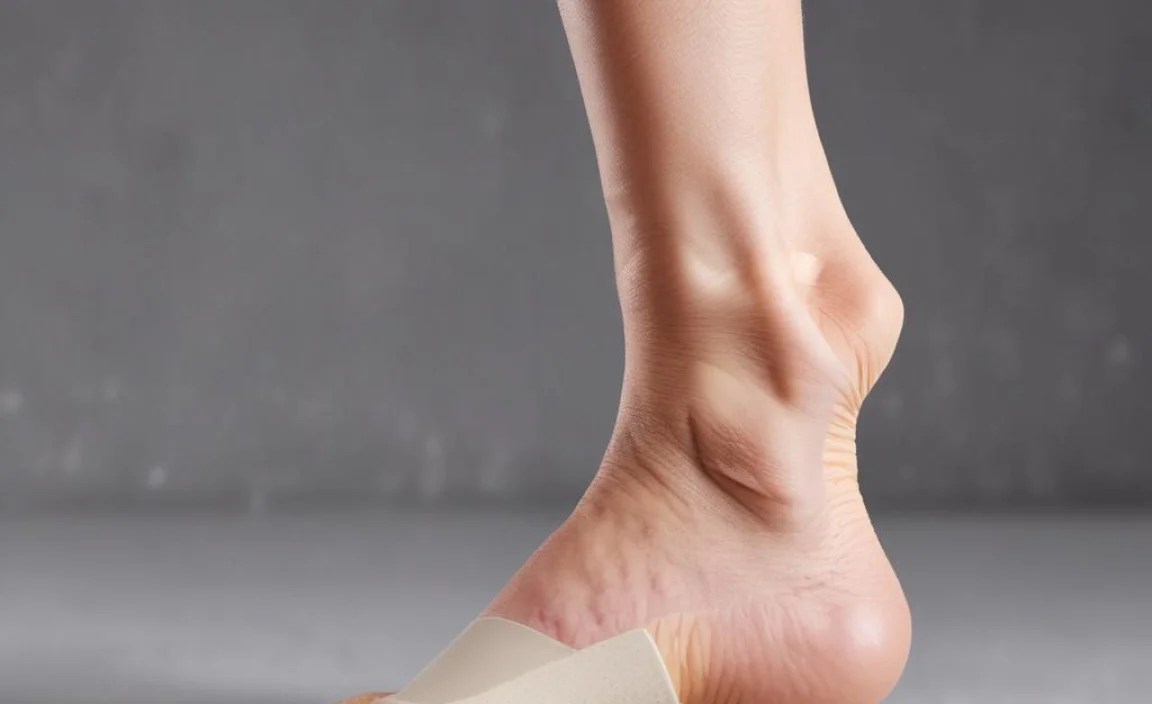
Insoles designed for hallux valgus bunions offer a multi-pronged approach to relief. They aim to address the root causes of discomfort and the progression of the condition. Here’s a breakdown of how they achieve this:
- Cushioning and Shock Absorption: The bony bump of a bunion is sensitive. Insoles provide a soft layer between your foot and the hard sole of your shoe, reducing direct impact and pressure on the bunion itself. This makes standing and walking much more comfortable.
- Arch Support: Many people with bunions have fallen arches or flat feet. Proper arch support helps to lift and maintain the natural arch of your foot. This can improve biomechanics, reduce strain on the feet, and prevent the foot from rolling inward excessively, which can aggravate bunions.
- Metatarsal Support: Insoles often feature a metatarsal pad. This is a small, cushioned area located just behind the ball of your foot. For bunions, this pad can help to spread the metatarsal bones, relieving pressure on the forefoot and the painful bunion joint.
- Heel Stabilization: Some insoles incorporate a heel cup or stability features. This helps to keep your heel in a neutral position, preventing excessive pronation (inward rolling of the foot) that can exacerbate bunion pain.
- Alignment Correction: By providing proper support and cushioning, insoles can help to gently guide your foot into a more natural position during movement. This improved alignment can reduce stress on the big toe joint and slow down the progression of the bunion.
- Pain Reduction: The combined effect of cushioning, support, and alignment correction leads to a significant reduction in pain and discomfort. This allows for increased mobility and a better quality of life.
Types of Insoles for Bunions

Not all insoles are created equal, especially when it comes to specific conditions like hallux valgus. Here are the most common types you’ll encounter:
1. Over-the-Counter (OTC) Insoles
These are the most accessible and affordable options. They are readily available at pharmacies, shoe stores, and online retailers. OTC insoles offer a good starting point for bunion relief and can be suitable for mild to moderate cases, or for those new to using insoles.
Features to Look For in OTC Insoles for Bunions:
- Deep Heel Cup: Helps stabilize the heel and provide added cushioning.
- Arch Support: Look for options with moderate to firm arch support.
- Metatarsal Pad: Essential for redistributing forefoot pressure.
- Ample Cushioning: Especially in the forefoot and heel areas.
- Semi-Rigid or Firm Construction: Offers better support than very soft, flimsy insoles.
2. Semi-Custom Insoles
These insoles are a step up from OTC options. They are often heat-moldable or can be adjusted by a professional to better fit your foot’s unique contours and needs. They provide more targeted support than standard OTC insoles without the full cost and commitment of prescription orthotics.
3. Prescription Custom Orthotics
These are the most advanced and personalized option. They are custom-made by a podiatrist or other foot care specialist after a thorough examination of your feet, gait, and biomechanics. Custom orthotics are molded specifically to your feet and are designed to address your unique bunion challenges and overall foot health.
When to Consider Custom Orthotics:
- Severe bunion pain or deformity.
- When OTC or semi-custom options haven’t provided sufficient relief.
- For specific athletic needs requiring precise biomechanical correction.
- If recommended by your podiatrist due to other foot conditions accompanying your bunion.
Choosing the Right Insoles: A Step-by-Step Guide

Selecting the perfect insoles can feel overwhelming with so many choices. Follow these steps to make an informed decision:
Step 1: Assess Your Bunion and Pain Level
How severe is your bunion? Is it just a mild bump, or is it significantly impacting your daily activities? Where do you feel the most pain? Is it directly on the bump, or more in the ball of your foot or arch?
- Mild Bunions & Occasional Discomfort: Good quality OTC insoles with decent cushioning and arch support may be sufficient.
- Moderate Bunions & Persistent Pain: Look for OTC insoles specifically advertised for bunions, or consider semi-custom options.
- Severe Bunions & Significant Deformity: Consult a podiatrist for custom orthotics.
Step 2: Consider Your Foot Type
Your foot arch plays a role in your needs. You can often tell your arch type by looking at your wet footprint:
- High Arch: You likely need more cushioning and shock absorption.
- Normal Arch: You can choose from a wide range of support and cushioning levels.
- Flat Arch (Low Arch/Fallen Arch): You need good arch support and pronation control.
Many insoles are designed with different arch heights, so choose one that matches your foot type.
Step 3: Evaluate Your Footwear
Insoles need to fit inside your shoes. Consider the type of shoes you wear most often:
- Dress Shoes/Boots: Look for slim-profile insoles that can fit into narrower shoes without making them too tight.
- Athletic Shoes/Walking Shoes: You have more room for thicker, more cushioned insoles with good stability features.
- Work Boots/Safety Shoes: Choose robust insoles that can withstand demanding environments and offer excellent support.
Always check if your shoes have removable insoles. If they do, you can often replace the original insole with your new one. If not, you might need to wear them as an insert on top of the existing sole, which can affect shoe fit.
Step 4: Look for Key Features
As mentioned earlier, key features for bunion relief insoles include:
- Metatarsal Pad: Crucial for pressure relief on the forefoot.
- Deep Heel Cup: For stability and shock absorption.
- Arch Support: Matched to your foot type.
- Cushioning: Especially at the bunion site and heel.
- Material: Breathable materials like EVA foam or gel can enhance comfort.
Step 5: Read Reviews and Compare
Before you buy, spend some time reading reviews from other users, especially those who mention bunion relief. Look for feedback on durability, comfort, and effectiveness. Websites that specialize in foot care products or have detailed product comparisons can be very helpful. For example, resources from organizations like the American Podiatric Medical Association (APMA) can offer guidance on foot health and approved products.
Step 6: Try Them On (If Possible)
If you’re buying in a physical store, try walking around in the insoles in your shoes. If buying online, check the return policy. Many reputable online retailers offer a trial period or easy returns, allowing you to test the insoles in your daily life.
Top Insole Features for Bunion Relief: A Closer Look
Let’s break down the most impactful features you’ll find in insoles designed to tackle hallux valgus:
The Metatarsal Pad: Your Forefoot’s Best Friend
This is arguably the most critical component of an insole for bunion sufferers. The metatarsal pad is positioned just behind the ball of your foot. Its primary function is to lift and spread the metatarsal bones. When you have a bunion, the pressure on the forefoot, particularly over the first metatarsal joint (where the bunion forms), can be intense. By spreading these bones, the metatarsal pad redistributes weight more evenly across the entire ball of your foot, thus taking direct pressure off the inflamed bunion. This can immediately alleviate sharp pains and burning sensations experienced during activity.
Arch Support: The Foundation of Comfort
A collapsed or excessively pronating arch can significantly worsen bunion conditions. When your arch flattens, your foot tends to roll inward, putting extra stress on the medial (inner) side of your foot, directly impacting the big toe joint. Insoles with robust arch support help to:
- Maintain the natural curve of your arch.
- Prevent excessive pronation.
- Improve overall foot biomechanics.
- Reduce strain on ligaments and tendons.
The level of arch support you need will depend on your foot type (high, normal, or flat arch). Some insoles offer dynamic arch support that adapts to your foot’s movement, while others provide a more rigid, fixed level of support.
Cushioning: Softening Every Step
Bunions can make the skin over the bump tender and susceptible to rubbing and irritation from shoes. Insoles provide a vital layer of cushioning to absorb impact and reduce friction. Key areas for cushioning include:
- The Bunion Area: A specific indentation or softer material here can relieve direct pressure.
- The Heel: Absorbs shock during the heel-strike phase of walking.
- The Ball of the Foot: Helps to soften the impact and spread pressure.
Materials like memory foam, gel inserts, and high-density EVA foam are commonly used for their shock-absorbing and comfort-enhancing properties.
Heel Cup: Stabilizing Your Stride
A deep heel cup is designed to cradle the heel, providing a stable platform. For bunion sufferers, this is important because it helps to:
- Prevent the heel from sliding side-to-side within the shoe.
- Reduce excessive supination (outward rolling) or pronation (inward rolling).
- Provide extra cushioning to the fatty pad of the heel.
A well-stabilized heel contributes to better overall foot alignment and can reduce compensatory movements that might aggravate the bunion.
Popular Insole Materials and Their Benefits
The materials used in insoles greatly affect their performance and comfort. Here’s a look at common ones:
| Material | Description and Benefits for Bunions |
|---|---|
| EVA Foam (Ethylene-vinyl acetate) | Lightweight, flexible, and offers good cushioning and shock absorption. It’s versatile and can be shaped into various support structures. Excellent for general comfort and reducing impact on the bunion area. Often semi-rigid, providing good support. |
| Memory Foam | Conforms to the unique shape of your foot, providing personalized cushioning and comfort. It’s excellent for reducing pressure points and can offer a “hugged” feeling for the foot. However, it might not provide as much firm support or structure as EVA. Best for comfort and mild support. |
| Gel | Provides excellent shock absorption and can offer a cooling sensation. Gel pads are often used in specific high-impact areas like the heel or forefoot. They are durable and can help to cushion the sensitive bunion area effectively. Can sometimes be heavier than foam. |
| Cork | Naturally supportive and moldable, cork insoles can gradually conform to your foot shape over time. They offer a good balance of firmness and cushioning and are often found in more classic or supportive shoe brands. Good for providing structure and arch support. |
| Plastazote/Closed-Cell Foam | This is a durable, lightweight, and often hypoallergenic foam. It’s excellent for providing a consistent level of cushioning and protection. It can be heat or pressure molded for a semi-custom fit. Offers good shock absorption and pressure relief. |
How to Properly Insert and Break In Insoles
Getting the most out of your new insoles involves correct insertion and a gradual break-in period. This ensures comfort and allows your feet to adjust properly.
Inserting Your Insoles:
- Remove Original Insoles: If your shoes have removable insoles, take them out.
- Position the New Insole: Place the new insole into the shoe. Make sure it lies flat and fits snugly without bunching up.
- Check for Fit: Ensure the heel of the insole cups your heel properly and that the arch aligns with your foot’s arch. The front of the insole should not extend too far up the toe box.
- Try On with Socks: Put on the socks you typically wear with those shoes and then try on the shoes with the new insoles. Your shoes should feel snug but not uncomfortably tight. If they feel too tight, you may need a wider shoe, a larger size, or a thinner insole.
Breaking In Your New Insoles:
Your feet may need some time to get used to the new support and alignment. A gradual approach is best, especially with more structured or supportive insoles:
- Days 1-3: Wear for Short Periods. Start by wearing your shoes with the new insoles for just an hour or two at a time, or for light activities like short walks.
- Days 4-7: Gradually Increase Wear Time. If you experience no discomfort, gradually increase the amount of time you wear them each day. Aim for longer walks or longer periods of standing.
- Listen to Your Body: If you experience any significant pain or discomfort, take a break from the insoles for a day or two and then resume with shorter wear times. Mild soreness or a feeling of adjustment is normal, but sharp pain is not.
- Full-Time Wear: By the end of one to two weeks, you should be able to wear your insoles comfortably for your entire day.
This break-in period is particularly important for insoles with firmer arch support or corrective features, as it allows your foot’s muscles and ligaments to adapt to the new way they are being supported.
When to Seek Professional Help (Podiatrist)
While insoles are a fantastic tool for managing bunion pain, they aren’t always a complete solution on their own. There are times when consulting a foot care professional, like a podiatrist, is highly recommended. A podiatrist can properly diagnose your condition, assess its severity, and provide a comprehensive treatment plan. You should consider seeing a podiatrist if:
- Your pain is severe and interferes significantly with daily activities.
- Your bunion is rapidly worsening.
- You have tried various over-the-counter insoles without finding adequate relief.
- You have other foot or leg conditions that may be related (e.g., plantar fasciitis, arthritis, nerve pain).
- You are considering surgery or need guidance on the best approach to manage your bunion.
- You need custom orthotics for precise correction and support.
