Insoles for hallux limitus provide essential, effective relief by supporting the big toe joint, reducing pressure, and improving alignment. They are a key tool in managing pain and stiffness, offering a comfortable and accessible solution for everyday comfort and mobility.
Hallux limitus, a condition that limits the movement of your big toe joint, can feel like a daily roadblock. It often starts as a mild ache, but over time, that stiffness and pain can make even simple activities, like walking or wearing your favorite shoes, a real challenge. You might feel a grinding sensation or notice swelling around the joint. The good news is that you don’t have to live with this discomfort. Finding the right support can make a world of difference.
This guide is designed to help you understand how insoles can be a game-changer for hallux limitus. We’ll explore what causes this condition, why insoles are so effective, and which types you should consider. By the end, you’ll have a clear path toward comfortable feet and renewed freedom of movement.
Understanding Hallux Limitus: More Than Just a Stiff Toe

Hallux limitus, medically known as hallux rigidus, is a form of osteoarthritis that affects the metatarsophalangeal (MTP) joint at the base of your big toe. This joint is crucial for activities like walking, running, and even just pushing off the ground. When it stiffens and loses its range of motion, it can significantly impact your daily life.
What Causes Hallux Limitus?
Several factors can contribute to the development of hallux limitus:
- Genetics: A family history of the condition increases your risk.
- Foot Structure: An abnormally shaped metatarsal bone or a toe that is longer than others can lead to increased pressure on the joint.
- Arthritis: Osteoarthritis, rheumatoid arthritis, and gout can all affect the big toe joint.
- Injury: A previous traumatic injury to the toe, like a stubbed toe or fracture, can accelerate cartilage breakdown.
- Activities: Repetitive stress from sports or activities that put constant pressure on the big toe can play a role.
Symptoms to Watch For
Common signs of hallux limitus include:
- Pain and stiffness in the big toe joint, especially with activity or in cold weather.
- A bony bump (osteophyte) that may form on the top of the joint, which can be painful when pressing against a shoe.
- Swelling around the big toe joint.
- Difficulty bending the big toe, making it hard to walk normally.
- A grinding sensation when the toe is moved.
The Power of Insoles for Hallux Limitus Relief

Insoles, also known as orthotics or arch supports, are inserts that go into your shoes to provide cushioning, support, and alignment. For hallux limitus, they work by addressing some of the key issues that cause pain and limit movement.
How Insoles Help
Insoles offer relief in several ways:
- Reduce Pressure: They help redistribute pressure away from the painful big toe joint.
- Improve Biomechanics: By supporting the foot’s natural arch and controlling pronation (the inward rolling of the foot), insoles can improve how your foot moves, reducing stress on the MTP joint.
- Limit Big Toe Extension: Some insoles are designed with a “rocker” bottom or specific support to limit the painful upward motion (extension) of the big toe during the gait cycle.
- Cushioning: They provide extra shock absorption, which is essential when the joint’s natural cushioning is compromised.
- Stabilization: Proper support can help stabilize the foot, leading to better overall balance and reduced strain.
Choosing the Right Insoles: A Step-by-Step Guide

Not all insoles are created equal, especially when dealing with a specific condition like hallux limitus. Here’s how to navigate your options:
Step 1: Consult a Professional
Before purchasing any insoles, it’s highly recommended to see a doctor, podiatrist, or physical therapist. They can accurately diagnose your condition, assess its severity, and provide tailored recommendations. They can also rule out other potential causes of your foot pain.
A podiatrist, for example, is a medical professional trained in diagnosing and treating conditions of the foot, ankle, and related leg structures. They can offer expert advice on orthotics and other treatment options. According to the American Association of Podiatric Physicians and Surgeons, podiatrists play a vital role in maintaining foot health.
Step 2: Understand Insole Types
Insoles generally fall into a few categories:
- Off-the-Shelf (OTC) Insoles: These are widely available at pharmacies, sporting goods stores, and online. They offer general support and cushioning. Some have features beneficial for hallux limitus, like a rocker bottom.
- Semi-Custom Insoles: These offer more specific contouring than OTC options, often with adjustable elements. They can be a good middle-ground for personalized support.
- Custom-Molded Orthotics: These are made from a mold or scan of your feet, providing the most precise fit and support. They are typically prescribed and fitted by a podiatrist and are often the most effective for complex foot issues.
Step 3: Key Features to Look For in Insoles for Hallux Limitus
When searching for insoles, keep these features in mind:
- Rigidity/Stiffness: A firmer insole can help control motion and reduce pressure on the big toe joint. Look for materials like carbon fiber or firm plastics.
- Rocking/Rocker Bottom: An insole with a rounded sole, or a shoe with a built-in rocker sole, helps the foot roll forward smoothly, minimizing the need to bend the big toe.
- Stiff Forefoot Plate: A plate integrated into the insole can prevent the toe from bending excessively during the push-off phase of walking.
- Metatarsal Pad: This is a small pad placed behind the ball of your foot. It can help lift the metatarsal heads, taking pressure off the big toe.
- Deep Heel Cup: A deep heel cup provides cushioning and stability for the heel, which can indirectly help align the foot and reduce strain on the forefoot.
- Arch Support: Adequate arch support is crucial for proper foot alignment. The type of support needed (low, medium, high) depends on your foot type.
Step 4: Consider Your Shoes
Insoles need to fit well in your shoes. Not all shoes are suitable for orthotics. Shoes with removable insoles and ample depth are best. Wide toe boxes are also beneficial to avoid further pressure on the big toe. A shoe with a natural rocker sole can complement the effect of stiff insoles.
According to the American Podiatric Medical Association (APMA), the right shoe is just as important as the right insole for overall foot health. Their guidelines emphasize choosing footwear that accommodates your foot’s natural shape and any prescribed orthotics.
Step 5: Trial and Adjustment
Even with careful selection, it might take time to find the perfect insole. Break them in gradually by wearing them for a few hours each day. If you experience new or increased pain, remove them and consult your healthcare provider.
Top Insole Features Explained
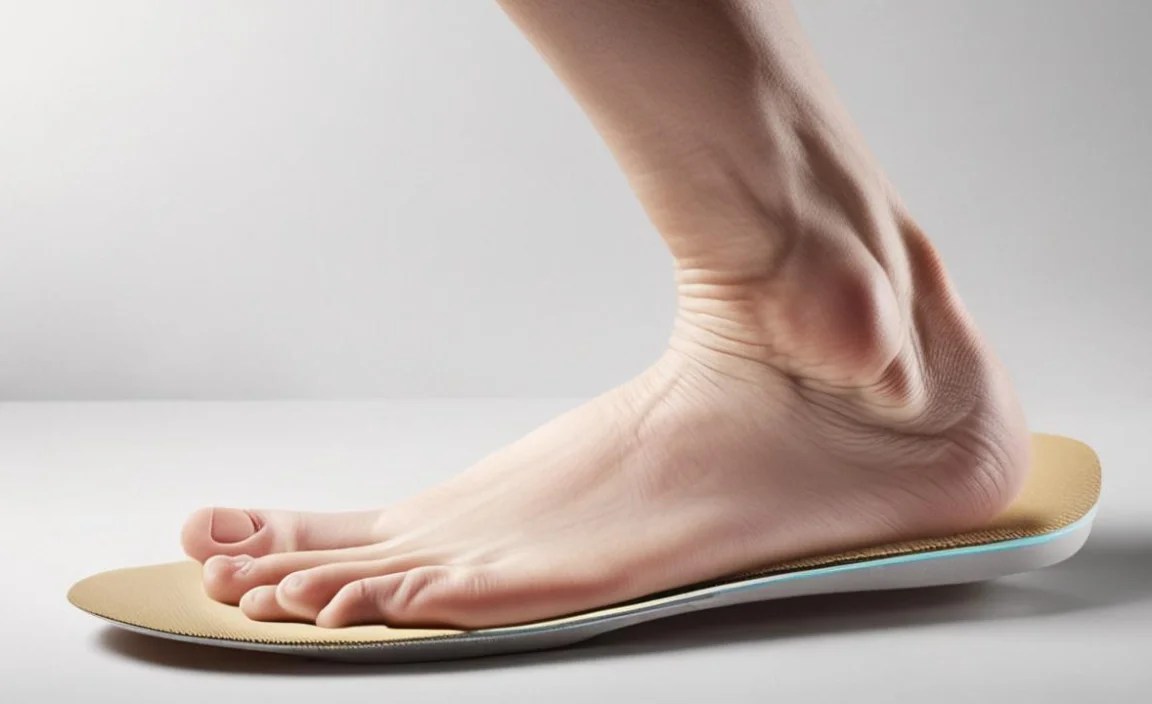
Let’s dive deeper into the features that make insoles effective for hallux limitus.
The Rocker Sole Effect
A rocker sole is a shoe or insole feature that has a curved undersurface. When you walk, instead of bending your big toe to push off the ground, your foot rolls forward more naturally across the curvature. This significantly reduces the stress and motion at the MTP joint, directly alleviating pain associated with hallux limitus.
Think of it like a rocking chair. It moves smoothly through its arc without needing a sharp pivot point. A rocker sole on an insole or shoe does the same for your foot’s progression through the gait cycle.
Stiff Forefoot Plate (or “Extension Plate”)
This is a rigid material, often carbon fiber, that is built into the insole or shoe. Its primary purpose is to prevent the forefoot, particularly the big toe, from flexing during the push-off phase of walking. By keeping the forefoot and big toe from bending, it dramatically reduces the workload and strain on the affected MTP joint.
For severe hallux limitus, a truly rigid plate that extends all the way to the toes is often recommended. For milder cases, or as a stepping stone, a plate that stops just before the toes can offer significant relief.
Metatarsal Padding
A metatarsal pad is a cushioned or firm support placed just behind the ball of your foot. Its function is to spread the metatarsal bones apart. This action can lift the heads of the metatarsals, thereby reducing the pressure that is transferred to the big toe joint. It can be especially helpful if you have pain in the ball of your foot along with your hallux limitus.
Metatarsal pads can be bought as part of an insole or sometimes as an add-on. Their placement is critical; they should typically sit just behind the widest part of the ball of your foot.
Popular Insole Options for Hallux Limitus (Examples)

While specific brand recommendations can vary based on individual needs and availability, here are common types of insoles and features to look for:
Rigid, Motion-Controlling Insoles
These insoles are designed to limit excessive foot movement and provide a stable platform. They often feature a rigid shell, good arch support, and sometimes a built-in rocker. They are excellent for managing conditions that require stiffening of the forefoot.
Good for: Moderate to severe hallux limitus, people who need strong motion control.
Insoles with Built-in Rocker
These insoles are shaped to promote a rolling motion rather than a bending of the foot. They can be a great choice if you find shoes with natural rocker soles comfortable or if you are looking for an insole that mimics that function.
Good for: Moderate hallux limitus, individuals who find bending their toe painful during walking.
Custom Orthotics
As mentioned, these are made specifically for your feet. They offer the highest level of personalized support, correction, and pressure relief. A podiatrist will assess your foot, gait, and condition to design an insole that precisely addresses your hallux limitus.
Good for: All severities of hallux limitus, especially when off-the-shelf options haven’t provided sufficient relief or when complex biomechanical issues are present.
Table: Comparing Insole Types for Hallux Limitus
| Insole Type | Pros | Cons | Best For |
|---|---|---|---|
| Off-the-Shelf (OTC) |
|
|
Mild hallux limitus, general comfort, first-time users testing the benefits of insoles. |
| Semi-Custom |
|
|
Moderate hallux limitus, individuals needing more specific support than OTC but not requiring full custom orthotics. |
| Custom-Molded Orthotics |
|
|
Moderate to severe hallux limitus, complex foot structures, or when other options fail. |
When Shoes and Insoles Aren’t Enough

While insoles are a powerful tool, they are part of a broader treatment plan for hallux limitus. If your pain persists or worsens, it’s essential to explore other options with your healthcare provider.
Other Treatment Modalities
- Footwear Modifications: Beyond insoles, specific shoe choices are critical. Look for shoes with stiff soles, a wide toe box, and a natural rocker. Avoid high heels and narrow shoes.
- Stretching and Exercises: Gentle range-of-motion exercises and stretches can help maintain some mobility in the joint and strengthen surrounding muscles.
- Medications: Over-the-counter pain relievers like ibuprofen or naproxen can help manage inflammation and pain.
- Injections: Corticosteroid injections can provide temporary relief from pain and inflammation.
- Physical Therapy: A physical therapist can guide you through specific exercises, stretches, and manual therapy techniques to improve function and reduce pain.
- Surgery: In severe cases where conservative treatments fail, surgery may be an option to address bone spurs, remove damaged cartilage, or improve joint congruity.
FAQs About Insoles for Hallux Limitus
Q1: How do I know if I have hallux limitus?
A: Symptoms include pain and stiffness in your big toe joint, especially when walking or during cold weather. You might also notice a bump on top of the joint or a grinding sensation. While these are common signs, a proper diagnosis from a healthcare professional like a podiatrist is crucial.
Q2: Can any shoe accommodate insoles for hallux limitus?
A: It’s best to use insoles in shoes with a removable sole and sufficient depth. Shoes with a wider toe box and a naturally stiffer sole or rocker bottom will work best. Very tight or narrow shoes may not fit insoles comfortably or effectively.
Q3: How long does it take to get used to new insoles?
A: It’s recommended to break in new insoles gradually. Start by wearing them for a few hours a day and gradually increase the duration over a week or two. Some people adapt quickly, while others may need a bit more time. If you experience significant discomfort, consult your provider.
Q4: Are custom orthotics worth the extra cost for hallux limitus?
A: For many individuals with hallux limitus, custom orthotics are highly beneficial and worth the investment. They are designed specifically for your foot’s unique structure and condition, offering superior support and pain relief compared to off-the-shelf options, especially for moderate to severe cases.
Q5: Can insoles fully cure hallux limitus?
A: Insoles are a management tool, not a cure. They effectively reduce pain, improve function, and slow the progression of the condition by supporting the joint and altering biomechanics. Hallux limitus is a degenerative condition, and insoles help you live more comfortably with it.
Q6: Should the insole be rigid or flexible for hallux limitus?
A: Generally, a more rigid insole is recommended for hallux limitus. This rigidity helps control motion and prevent the painful bending of the big toe joint during walking. A firm forefoot plate and a rocker sole are often more beneficial than a completely flexible insole.
Conclusion: Stepping Towards a More Comfortable Future
Living with hallux limitus doesn’t mean you have to accept persistent pain and limited mobility. By understanding how this condition affects your big toe joint, you can take proactive steps towards effective relief. Insoles, particularly those designed with features like rigidity, rocker soles, and proper arch support, are foundational to managing your symptoms and enhancing your daily comfort. Remember, consulting with a foot health professional is your best first step to ensure you choose the right type of insole tailored to your specific needs.
Don’t let hallux limitus hold you back. With the right insoles and a thoughtful approach to footwear and foot care, you can significantly reduce discomfort, improve your ability to walk and stand, and get back to enjoying the activities you love. Embrace these supportive solutions and start your journey to happier, healthier feet today.
