Your back pain can find sweet relief with the right insoles. For hairdressers constantly on their feet, specialized insoles offer crucial support, cushioning, and alignment, significantly reducing the strain that leads to back discomfort. Investing in a quality pair is a simple yet powerful step towards a more comfortable workday and healthier posture.
Being a hairdresser is a dream job for many, filled with creativity and client connection. But let’s be honest, all that standing, bending, and moving adds up. It’s no surprise that back pain is a common complaint among salon professionals. The constant pressure on your feet can send shockwaves all the way up your spine, leading to discomfort and fatigue. But what if there was a straightforward way to ease that strain and make your workdays more bearable? You’re in the right place. We’re diving deep into how the right insoles can be a game-changer for hairdressers struggling with back pain. Get ready to discover how choosing supportive insoles can lead to effortless relief and a happier, healthier you on your feet.
Insoles For Hairdressers Back Pain: Effortless Relief

The demanding nature of hairdressing means you’re on your feet for hours on end, often in the same position or moving in repetitive ways. This prolonged standing and the specific movements involved – like leaning, twisting, and reaching – put significant stress on your feet, ankles, knees, hips, and ultimately, your lower back. When your feet aren’t properly supported, the natural shock absorption and alignment they provide get compromised. This forces other parts of your body, including your spine, to compensate, leading to muscle fatigue, stiffness, and that dreaded back pain. Insoles, when chosen correctly, act as a crucial support system, absorbing shock, correcting foot alignment, and redistributing pressure, thereby alleviating the burden on your back.
Why Hairdressers Are Prone to Back Pain
Let’s break down exactly why the salon floor can be a breeding ground for back pain:
- Prolonged Standing: The most obvious culprit. Standing for 8-10 hours a day, day in and day out, puts continuous pressure on your spinal discs and the muscles supporting your back.
- Repetitive Movements: Constantly reaching for tools, bending to wash hair, or twisting to talk to a client creates muscle imbalances and strains.
- Foot Mechanics: Flat feet, high arches, or conditions like plantar fasciitis can alter your gait and posture, forcing your back to work harder to maintain balance.
- Footwear Choice: Many salon shoes, while stylish or practical for spills, lack adequate support and cushioning, exacerbating foot and back issues.
- Static Posture: Even when not actively moving, maintaining a standing posture for extended periods can lead to muscle fatigue and stiffness in the back.
Understanding these factors is the first step. The good news is, you don’t have to just live with it. Targeted solutions, like the right insoles, can make a world of difference.
How Insoles Help Alleviate Back Pain
Insoles are more than just fancy shoe inserts; they are designed to improve your foot’s biomechanics, which has a direct impact on your entire body’s alignment. Here’s how they work their magic for hairdressers:
- Shock Absorption: Standing on hard salon floors for hours means your feet absorb a lot of impact. Quality insoles, especially those with gel or foam cushioning, act like miniature shock absorbers, reducing the impact that travels up your legs to your spine.
- Arch Support: Whether you have flat feet or high arches, proper support is vital. Insoles help maintain the natural arch of your foot, promoting better alignment from the ground up. When your arches sag or are too rigid, it can cause your feet to pronate or supinate excessively, leading to pelvic tilt and back strain.
- Heel Stability: Many insoles feature a deep heel cup that cradles the heel. This helps to stabilize the foot and control excessive inward rolling (pronation), which is a common contributor to back pain.
- Plantar Fasciitis Relief: For those suffering from plantar fasciitis (inflammation of the tissue band connecting your heel to your toes), insoles can provide gentle support to the arch and reduce strain on the plantar fascia, indirectly easing back tension. The American Podiatric Medical Association provides extensive resources on foot conditions like plantar fasciitis.
- Posture Improvement: By correcting foot alignment and providing a stable base, insoles can help promote a more neutral spine posture. This means your back muscles don’t have to work as hard to keep you upright, reducing strain and pain.
- Pressure Distribution: Insoles can help redistribute the pressure evenly across your feet, preventing concentrated hotspots that can lead to discomfort and affect your standing posture.
Think of your insoles as the foundation of your body. A strong, stable foundation allows the rest of the structure (your legs, hips, and spine) to sit correctly and function optimally. Without it, everything can skew, and pain is often the result.
Choosing the Right Insoles for Hairdressers

Not all insoles are created equal, and what works for one person might not be ideal for another. For hairdressers, the key is to find insoles that offer a balance of support, cushioning, and durability, specifically addressing the needs of prolonged standing and salon environments.
Types of Insoles and Their Benefits
Here’s a look at common insole types and how they might help:
| Insole Type | Key Benefits for Hairdressers | Best For |
|---|---|---|
| Cushioning Insoles | Excellent shock absorption, reduces impact on joints, provides immediate comfort. | Those who stand on very hard surfaces, or who prioritize softness and comfort. Great for initial relief. |
| Supportive/Orthotic Insoles | Provide structured arch support, correct foot alignment, improve biomechanics, and offer long-term stability. | Individuals with specific foot conditions (flat feet, high arches), or those needing to address pronation/supination for better posture. |
| Gel Insoles | Offer superior shock absorption and cushioning, particularly in heel and ball of foot areas. Can add a slight spring to your step. | Professionals seeking maximum impact reduction and comfort during long shifts. Can be a good addition to existing shoes. |
| Memory Foam Insoles | Mold to the unique shape of your foot over time, providing personalized comfort and cushioning. Good for distributing pressure evenly. | Those who value customized comfort and pressure point relief. They are generally softer but may offer less structural support than firm orthotics. |
| Stabilizing Insoles | Feature firmer materials and often a rigid or semi-rigid structure to control excessive foot motion (pronation/supination). | Individuals whose back pain is linked to significant foot instability or misalignment. These are often the most effective at improving overall body alignment. |
Key Features to Look For
When scanning the shelves or online listings, keep an eye out for these crucial features:
- Firm Arch Support: This is non-negotiable. The support should feel supportive but not rigid or uncomfortable. It should match your arch type (low, neutral, high).
- Deep Heel Cup: A well-defined heel cup stabilizes the heel bone, preventing excessive side-to-side movement and improving overall foot alignment.
- Durable Materials: Salon life is tough on shoes and insoles. Look for materials that can withstand daily wear and tear without flattening out quickly.
- Antimicrobial Properties: With long hours and busy salons, odor control is important. Many good insoles come with treatments to help manage moisture and prevent bacteria growth.
- Breathability: Insoles that allow air circulation can help keep your feet cooler and drier, adding to overall comfort.
- ¾ Length vs. Full Length: Some insoles come in three-quarter lengths, which can be great for snug-fitting shoes or those with a significant heel. Full-length insoles generally offer more comprehensive support.
Consider the “Stack Height”
The “stack height” refers to how much material is under your foot. More cushioning means a higher stack height. While tempting, an excessively thick insole can make your shoes feel tight or even alter your gait. For professional shoes, a moderate stack height that provides support without overfilling the shoe is often best.
When to Consider Professional Orthotics
While over-the-counter insoles are fantastic for many, some hairdressers may benefit from custom orthotics. These are specifically molded to your feet by a podiatrist or other medical professional after a thorough assessment. They are typically used when:
- You have significant biomechanical issues that OTC insoles can’t fully address.
- You experience severe or persistent pain that isn’t improving.
- You have underlying medical conditions affecting your feet or back.
A podiatrist can assess your gait, foot structure, and identify the exact cause of your back pain. You can learn more about the benefits of professional foot care at the American Podiatric Medical Association.
Putting Your Insoles to the Test: Practical Usage Tips
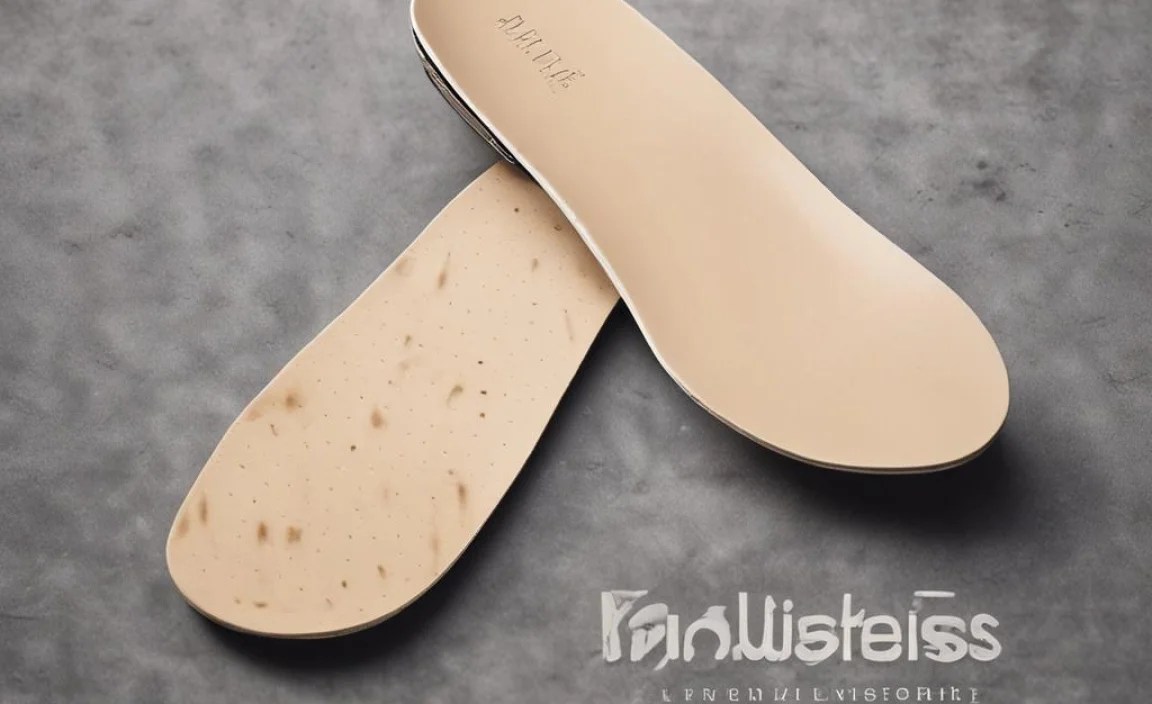
Purchasing the right insoles is only half the battle. Proper usage and a gradual transition are key to maximizing their benefits and ensuring you don’t experience new discomforts.
The Break-In Period
It’s crucial to break in your new insoles gradually. Your feet and body have likely adapted to your usual level of support (or lack thereof). Suddenly introducing significant changes can lead to temporary soreness or fatigue as your muscles adjust.
- Day 1-3: Wear your insoles for 2-4 hours a day.
- Day 4-7: Increase wear time to 4-6 hours a day.
- Week 2 onwards: Wear them for your full workday.
Listen to your body. If you experience significant pain or discomfort, reduce the wear time and gradually increase it again. If pain persists, consult the insole manufacturer or a healthcare professional.
How to Insert Insoles
This should be straightforward, but a few tips can help:
- Remove Existing Insoles: If your shoes have removable factory insoles, take them out first. This creates space for your new insoles and prevents the shoe from becoming too tight.
- Check the Fit: Place the new insole into the shoe to ensure it lies flat and fits comfortably. It shouldn’t bunch up or feel like it’s pushing your foot in an awkward direction.
- Trim if Necessary: Some insoles are designed to be trimmed to fit your specific shoe size. Follow the manufacturer’s instructions carefully, using sharp scissors. It’s often better to trim too little initially, as you can always trim more.
- Secure Them: Ensure the insole sits snugly against the bottom of the shoe.
Maintaining Your Insoles
To get the most out of your insoles and keep them hygienic:
- Daily Airing: After your shift, remove the insoles from your shoes and let them air out. This helps reduce moisture and odor buildup.
- Regular Cleaning: Follow the manufacturer’s cleaning instructions. Usually, this involves mild soap and water and air-drying completely. Avoid machine washing or drying, which can damage the materials.
- Replacement Schedule: Insoles don’t last forever. Even durable ones will eventually lose their cushioning and support. For daily wear, plan to replace them every 6-12 months, or sooner if you notice them flattening out, losing their spring, or significant wear.
Beyond Insoles: A Holistic Approach to Back Health
While insoles are remarkably effective, they are part of a broader strategy for maintaining back health. For hairdressers, incorporating these practices can significantly amplify the benefits:
- Ergonomic Salon Setup: Adjusting chair heights, utilizing footrests, and arranging tools within easy reach can reduce the need for excessive bending and reaching.
- Regular Stretching: Simple stretches throughout the day can alleviate muscle tension. Focus on hamstring stretches, hip flexor stretches, and gentle spinal twists. Resources like Mayo Clinic’s back pain prevention guide offer excellent examples.
- Proper Lifting Techniques: If you need to lift heavy objects (like product boxes), always bend your knees and keep your back straight.
- Staying Hydrated: Good hydration is essential for disc health. Your spinal discs are composed mostly of water, and good hydration helps them maintain their cushioning properties.
- Weight Management: Carrying excess weight puts extra strain on your back.
- Comfortable, Supportive Footwear: Even with insoles, the base shoe matters. Ensure your work shoes offer good support and a non-slip sole, and that they fit well with the insoles inserted.
Combining supportive insoles with these lifestyle adjustments creates a powerful defense against work-related back pain.
Insoles For Hairdressers Back Pain FAQs
Q1: Can insoles really help my back pain if I stand all day?
A1: Absolutely! Standing for long periods puts immense stress on your feet and spine. Insoles provide crucial shock absorption and support your foot’s natural structure, which helps to realign your body from the feet up. This can significantly reduce the strain on your back.
Q2: What is the best type of insole for standing all day as a hairdresser?
A2: For hairdressers, a combination of robust arch support and good cushioning is ideal. Look for supportive or orthotic insoles with a deep heel cup and durable materials. Gel or memory foam can add extra comfort and shock absorption.
Q3: How long does it take to feel a difference when using insoles?
A3: Most people begin to feel more comfortable within a week or two of consistent use, especially after a proper break-in period. Some may notice immediate relief, while for others, it takes a little longer as their body adjusts to the improved support and alignment.
Q4: Should I wear my insoles with my most comfortable shoes or my newest shoes?
A4: It’s often best to use insoles in shoes that already offer a decent foundation of support and cushioning. If your newest shoes are more supportive, that’s a great place to start. If your “most comfortable” shoes are well-structured, they might be the best option. Ensure the shoe has enough depth to accommodate the insole without making your foot feel cramped.
Q5: How often should I replace my insoles?
A5: For daily wear, especially in a demanding job like hairdressing, insoles typically need replacement every 6 to 12 months. You’ll know it’s time when they feel flat, lose their cushioning, or you start experiencing discomfort again.
Q6: Can insoles help with pain in my feet, ankles, and knees as well as my back?
A6: Yes, they often do! Pain in the feet, ankles, and knees can be directly related to poor foot mechanics and lack of support. By improving alignment and shock absorption in the feet, insoles can alleviate symptoms throughout your kinetic chain, including your back.
Conclusion
The life of a hairdresser is rewarding, but it’s also physically demanding. The constant stress on your feet can lead to radiating pain, with your back often bearing the brunt. Thankfully, you don’t have to suffer in silence. By understanding how the right insoles can transform your workday, you’re empowered to make a simple, effective change. Prioritizing insoles that offer excellent arch support, heel stability, and cushioning is key. Remember to ease into them, maintain them properly, and consider them as part of a broader approach to your well-being, including ergonomic practices and regular movement. Investing in quality insoles is an investment in your health, comfort, and longevity in a career you love. Feel the difference supportive footwear can make, and reclaim your comfort on the salon floor!
