Quick Summary: Offering arch support in flip-flops is more achievable than you think! Special insoles designed to fit into thong-style sandals can transform uncomfortable everyday wear into supportive footwear, providing much-needed relief for tired feet and improving alignment.
Insoles for Flip Flops Arch Support: Genius Relief

Do your feet ache after a day in your favorite flip-flops? You’re not alone! While perfect for warm weather, traditional flip-flops often lack any real foot support. This can lead to discomfort, pain, and even long-term issues like plantar fasciitis. But what if you could give your beloved sandals the support they’ve been missing? The good news is, you absolutely can! With the right approach and the right insoles, you can enjoy the breezy comfort of flip-flops without sacrificing your foot health. We’re going to explore how adding arch support to your flip-flops is not only possible but a genuinely genius way to find relief.
Why Flip-Flops Need Arch Support
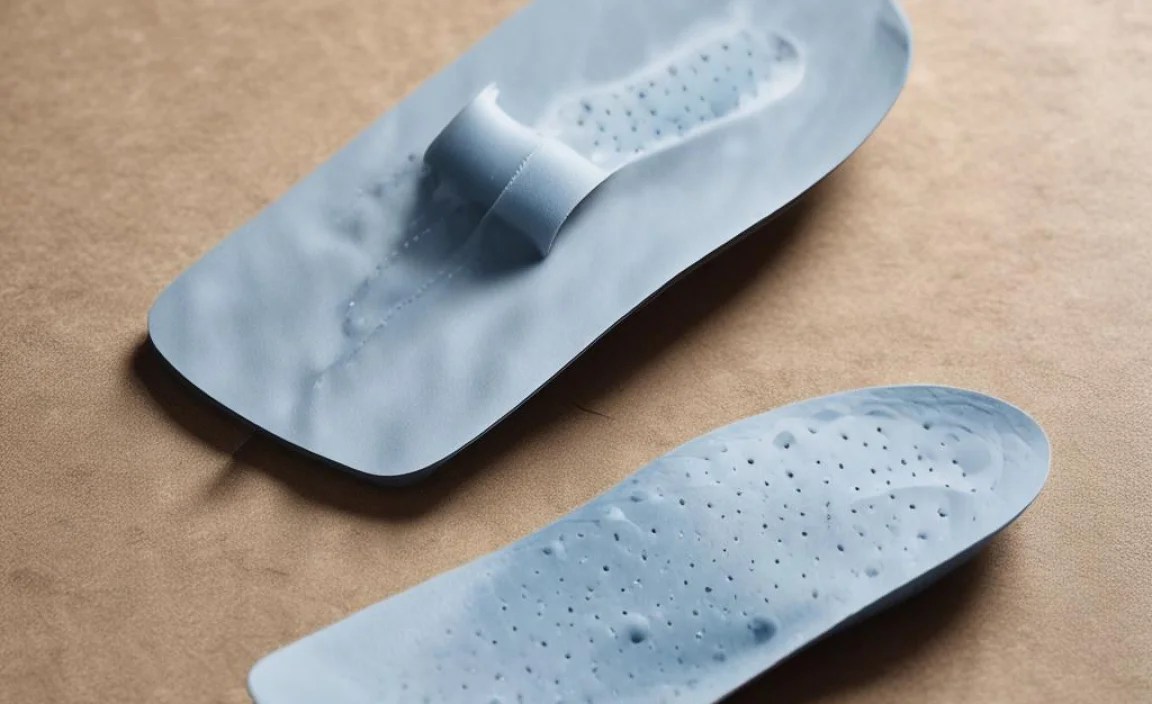
Flip-flops are the unofficial uniform of summer: easy, breezy, and stylish. However, their very design poses a challenge for our feet. Most standard flip-flops are essentially flat pieces of material with a strap. This means:
- No Arch Support: Your foot’s natural arch, a crucial shock absorber and support system, gets no help.
- Lack of Cushioning: The thin soles offer minimal protection from hard surfaces.
- Poor Heel Cupping: Your heel can slide around, leading to instability and strain.
- Altered Gait: To keep them on, many people grip with their toes, which can cause muscle imbalances and pain.
These factors can contribute to a variety of foot problems, including:
- Arch pain
- Heel pain (plantar fasciitis)
- Ball of foot pain
- Shin splints
- Knee and hip pain
- Bunions and hammertoes
When your feet are constantly battling the lack of support inherent in flip-flops, it’s like running a race without shoes. You might get by for short distances, but over time, your body starts to feel the strain. Thankfully, innovative solutions exist to bridge this gap and bring much-needed comfort and stability to your favorite casual footwear.
Understanding Insoles and Foot Anatomy

Before we dive into transforming your flip-flops, let’s quickly touch on what insoles are and why arch support is so vital for your feet. Insoles, often called orthotics or shoe inserts, are the layers that sit inside your shoes to provide cushioning, support, and sometimes corrective alignment. They are fantastic for customizing the comfort and function of almost any shoe.
Your foot’s arch is that curve on the bottom of your foot, between your heel and your ball. It’s not just there for show; it plays a critical role:
- Shock Absorption: It helps distribute the impact when you walk, run, or jump.
- Stability: It helps keep your foot balanced and aligned.
- Propulsion: It helps push you forward when you walk.
When your arch collapses or doesn’t get enough support, it can force the rest of your foot and even your leg and back to compensate, leading to pain and discomfort. This is where targeted arch support from an insole can make a world of difference.
The Challenge: Fitting Insoles into Flip-Flops

Now for the tricky part. Traditional flip-flops, with their flat beds and minimal structure, aren’t designed to accommodate bulky insoles. Most rigid or semi-rigid orthotics you’d use in a running shoe or boot simply won’t fit. They’re too thick, too long, or don’t have the right shape to tuck under the straps and lay flat.
So, what’s the solution? It lies in specialized insoles designed specifically for open-toed sandals and flip-flops. These aren’t your average shoe inserts. They are cleverly designed to integrate seamlessly into the sandal’s existing structure, offering support without compromising the casual, airy feel.
The Genius Solution: Specialized Flip-Flop Insoles

The “genius” in using insoles for flip-flops lies in their innovative design and application. These aren’t just flat pads; they are crafted to provide specific benefits:
Types of Insoles for Flip-Flops
- Adhesive Arch Supports: These are often the most discreet option. They are usually made of a semi-rigid or flexible material and come with a strong adhesive backing. You stick them directly onto the footbed of your flip-flop, usually targeting the arch area.
- Slim, Contoured Inserts: Some brands offer thinner, contoured inserts that are designed to slip into casual sandals. They might have a slightly raised heel cup and a defined arch, aiming to provide more substantial support than adhesive pads.
- Full-Sole Inserts (for specific styles): While less common for generic flip-flops, some specialty sandal brands offer integrated arch support, effectively making the sandal itself have supportive insoles. However, for improving existing flip-flops, adhesive or slim inserts are the go-to.
Key Features to Look For
- Comfortable Arch Height: Not too high, not too low. It should feel supportive but not create pressure points.
- Good Adhesion: If it’s an adhesive type, it needs to stay put, even with moisture and movement.
- Durable Material: They’ll be exposed to the elements, so they need to hold up.
- Slim Profile: Crucial for fitting into the shallow confines of a flip-flop.
- Moisture-Wicking or Quick-Drying: Essential for sandal wear.
- Non-Slip Surface: To keep your foot from sliding around on the insole.
The beauty of these specialized insoles is that they address the core problem of flip-flops – their lack of structure – without turning your casual sandals into clunky orthopedic shoes. They work by integrating support precisely where your foot needs it most, subtly enhancing the existing footwear.
How to Add Arch Support to Your Flip-Flops: A Step-by-Step Guide
Ready to give your feet a treat? Adding arch support to your flip-flops is usually a straightforward process, especially with adhesive or slim inserts. Here’s how you can do it:
Step 1: Choose Your Flip-Flops Wisely
Not all flip-flops are created equal when it comes to adding insoles. Look for flip-flops that have a relatively flat, smooth footbed. Flip-flops with deep contours or very soft, squishy material might make it harder for adhesive insoles to stick reliably or for slim inserts to sit properly. A slightly firmer, flatter surface is ideal.
Step 2: Select the Right Insoles
Based on your needs and the type of flip-flop, choose between:
- Adhesive Arch Support Pads: Best for a super sleek integration, often providing targeted support.
- Slim, Contoured Inserts: Good if you need a bit more overall footbed enhancement and some heel cup.
Consider your arch type (high, low, or neutral) and the amount of support you require. Many brands offer different levels of arch support.
Step 3: Prepare the Flip-Flop Footbed
This is critical for adhesive insoles. Ensure the inside surface of your flip-flops is clean and completely dry. Any dirt, dust, or moisture can prevent the adhesive from bonding properly, leading to the insole shifting or coming loose.
You can usually clean the footbed with a damp cloth and mild soap, then let it air dry thoroughly. If the footbed is particularly slick, a gentle buff with fine-grit sandpaper can sometimes help create a better surface for adhesion, but be very careful not to damage the material.
Step 4: Position and Apply the Insoles
For Adhesive Arch Support Pads:
- Carefully peel the backing off the adhesive side of the insole.
- Locate the natural arch area on your flip-flop. You can usually feel where it is, or you can trace the natural curve of your own foot.
- Align the arch support pad with your foot’s arch. The goal is for the peak of the support to be directly under your natural arch.
- Press down firmly and evenly on the insole, especially around the edges, to ensure a strong bond. Start from the center and work outwards.
- Once applied, press firmly for at least 30 seconds.
For Slim, Contoured Inserts:
- Simply slide the insole into the flip-flop.
- Ensure it sits flat and doesn’t bunch up.
- The heel of the insole should ideally sit snugly against the heel of the flip-flop, and the arch should align with your foot’s arch.
- You may need to adjust them slightly as you wear them initially.
Step 5: Test for Comfort and Fit
Put on your modified flip-flops and walk around. Pay attention to how they feel:
- Does the arch support feel too high or too low?
- Is there any pinching or rubbing?
- Does the insole stay in place?
If the arch support feels off, you can carefully peel off adhesive insoles and reapply them. For slim inserts, you might need to try a different brand or size if the fit isn’t right.
Step 6: Allow for an Adjustment Period
Even with the best insoles, your feet might need a little time to get used to the new support, especially if you’re accustomed to flat, unsupportive sandals. Start by wearing them for short periods and gradually increase the duration. This allows your muscles and tendons to adapt to the improved alignment.
Expert Tips for Maximize Comfort and Durability
To get the most out of your arch-supported flip-flops, consider these additional tips:
- Start with Good Quality Flip-Flops: A sturdier base will hold up better.
- Consider the Material: Some insoles are made of foam, others of gel or semi-rigid plastic. Foam can be more comfortable initially but may wear out faster. Semi-rigid options offer more durable support.
- Don’t Over-Support: Too much arch support can sometimes cause discomfort. It’s a balance!
- Replace When Worn: Insoles, like shoes, don’t last forever. When the cushioning is gone or the arch support flattens, it’s time for new ones. For adhesive insoles, the adhesive might also fail over time.
- Clean Regularly: Keep both the insoles and flip-flops clean to prevent odor and maintain hygiene, especially since they’re exposed to sweat and dirt.
- Consider Sock Liners: For some adhesive insoles, a thin sock liner can help prevent the insole from sticking to your foot and offer an extra layer of comfort and moisture management.
Insole Reviews: What the Experts and Users Say
When looking for insoles to transform your flip-flops, reading reviews can be incredibly helpful. Here’s a general breakdown of what people look for and what tends to be praised:
What Users Prioritize:
Users typically seek:
- Pain Relief: This is the primary driver. Does it help with heel pain, arch pain, or general fatigue?
- Comfort: Is the insole comfortable to wear for extended periods? Does it feel natural?
- Durability: Do they hold up to daily wear, moisture, and activity?
- Ease of Application: How simple are they to install, and do they stay put?
- Discreetness: Can they be added without dramatically changing the look of the flip-flop?
Commonly Praised Features:
In products that receive high marks, you’ll often find:
- Strong, Reliable Adhesive: For adhesive types, staying put is key.
- Balanced Arch Support: Not too aggressive; feels supportive without being intrusive.
- Slim and Lightweight Design: Essential for fitting into sandals without bulk.
- Moisture-Management Properties: Materials that wick away sweat or dry quickly are a big win.
- Ergonomic Contouring: Follows the natural shape of the foot for better alignment.
Conversely, complaints often arise from insoles that:
- Don’t stick well or shift constantly.
- Are too bulky, making the flip-flop fit poorly.
- Offer inadequate or excessive arch support, leading to new pain.
- Wear out quickly.
Where to Find Reliable Recommendations:
Look for reviews on reputable online retailers, specialized foot health blogs, and forums dedicated to footwear. Pay attention to reviews from individuals with similar foot conditions or lifestyles to yours. For instance, if you suffer from plantar fasciitis, seek out reviews specifically mentioning relief from that condition. Reputable podiatry sites also sometimes offer unbiased reviews of different insert types.
A great resource for understanding foot biomechanics and the importance of proper shoe inserts is the American Podiatric Medical Association (APMA). While they may not review specific products for flip-flops, understanding their guidelines on what constitutes good foot support is invaluable.
When to Seek Professional Advice
While insoles for flip-flops can offer fantastic relief, they are not a cure-all for serious foot conditions. If you experience persistent or severe foot pain, swelling, numbness, or any other concerning symptoms, it’s essential to consult a healthcare professional. A podiatrist or an orthopedic specialist can:
- Diagnose the underlying cause of your pain.
- Recommend custom orthotics if necessary.
- Advise on the best footwear and support solutions for your specific needs.
- Provide treatment plans for conditions like plantar fasciitis, bunions, or arthritis.
You can find more information on common foot conditions and when to see a doctor on the NHS Foot Pain page, which offers comprehensive, medically sound advice.
Pros and Cons of Insoles for Flip-Flops
Like any solution, adding insoles to your flip-flops comes with its own set of advantages and disadvantages. Understanding these can help you make an informed decision.
Pros:
- Enhanced Comfort: Provides cushioning and support, reducing foot fatigue.
- Pain Relief: Can alleviate symptoms of plantar fasciitis, arch pain, and heel spurs.
- Improved Alignment: Helps support the natural arch, promoting better foot, ankle, and even posture alignment.
- Cost-Effective: A much cheaper alternative to buying new, supportive sandals.
- Extends Flip-Flop Life: Can make even the simplest flip-flops wearable for longer periods.
- Convenience: Easy to apply and transfer between compatible pairs of flip-flops.
- Discreet Support: Many options are designed to be almost invisible.
Cons:
- Fit Issues: Not all flip-flops are compatible with insoles; some might feel too tight or slip.
- Durability Concerns: Especially with adhesive insoles, they may not last as long as other types of shoe inserts.
- Potential for Discomfort: If the arch support is too high or misplaced, it can cause new pain.
- Exposure to Elements: Insoles in flip-flops are more exposed to moisture, dirt, and UV rays, which can degrade materials faster.
- Limited Support Compared to Dedicated Shoes: While helpful, they won’t offer the same comprehensive support as well-designed athletic or walking shoes with integrated support technology.
Here’s a quick comparison table for adhesive vs. slim inserts:
| Feature | Adhesive Arch Support Pads | Slim, Contoured Inserts |
|---|---|---|
| Integration | Sticks directly to the footbed | Slips into the footbed |
| Profile | Very low, often just the arch bump | Slightly more noticeable, can have a heel cup |
| Targeted Support | Excellent for specific arch pressure | Broader footbed support |
| Durability of Attachment | Relies on adhesive quality; can fail over time | Rests in place; can shift if loose |
| Best For | Minimalist flip |
