Quick Summary: Yes, insoles are highly recommended for fencing shoes to enhance comfort, provide targeted support, and absorb shock during intense movements. They can significantly improve your performance and reduce foot fatigue.
Insoles For Fencing Shoes: Essential Comfort for Every Lunge

Fencing is a demanding sport. It requires quick reflexes, precise footwork, and a lot of explosive movement. All this can take a toll on your feet, leading to discomfort and even pain. Ever felt that ache after a long practice session, or wished your fencing shoes felt a bit more supportive? You’re not alone. Many fencers discover that the standard insoles in athletic shoes just don’t cut it for the unique stresses of the piste. But don’t worry, there’s a simple solution that can make a world of difference: adding the right insoles to your fencing shoes. In this guide, we’ll explore why insoles are so important for fencers and how to choose the best ones to keep your feet happy and your performance sharp. Let’s get your feet feeling their best!
Why Your Fencing Shoes Need More Than Just What They Come With

Fencers are constantly on their feet, performing a unique set of movements that put specific pressures on the soles of their feet. The lunge, the retreat, the fleche – each action involves rapid shifts in weight, sudden stops, and the need for stable footing. Standard shoe insoles are often thin and offer little in the way of specialized support or cushioning for these dynamic actions.
The typical insole found in most athletic shoes is designed for general comfort during everyday activities. However, fencing demands much more. The lateral movements and the constant impact can lead to:
- Foot Fatigue: Your foot muscles and arch can get tired quickly without proper support.
- Shock Accumulation: Repeated impacts can travel up your legs, potentially causing pain in your ankles, knees, and even hips.
- Arch Strain: The high arch-support needs during aggressive lunges can strain the plantar fascia, leading to pain.
- Blisters and Hot Spots: Friction between your foot and the shoe, exacerbated by poor fit and cushioning, can be a major issue.
- Reduced Stability: Without adequate support, your feet might feel less stable, impacting your balance and control on the piste.
Adding a high-quality insole can provide a protective layer, absorbing shock, distributing pressure more evenly, and giving your arches the crucial support they need. Think of it as an upgrade for your feet, tailored to the specific demands of fencing.
Understanding Insole Basics for Fencers
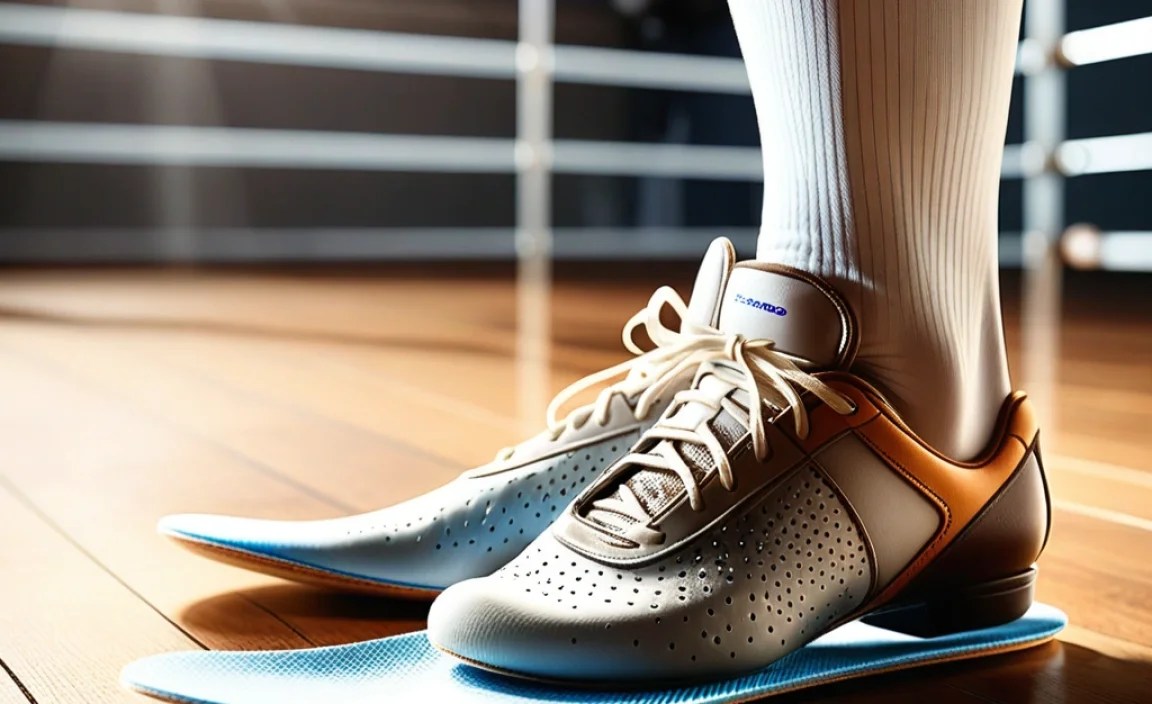
Before we dive into choosing specific insoles, let’s break down what makes an insole effective for an athlete like a fencer. Insoles, also often called orthotics or shoe inserts, are designed to be placed inside your existing footwear to improve comfort, support, and performance.
Here are the key components and features to look for:
Types of Insoles:
- Supportive/Orthotic Insoles: These are designed to align your feet properly and provide strong arch support. They are great for conditions like plantar fasciitis or overpronation.
- Cushioning Insoles: These focus on absorbing impact and providing a soft surface for your feet. They are ideal for reducing general fatigue and shock.
- Performance Insoles: These often offer a blend of support and cushioning, incorporating materials that enhance energy return and stability.
- Heat-Moldable Insoles: These can be warmed and molded to the unique shape of your foot for a custom fit.
- Custom-Made Orthotics: Prescribed by a podiatrist, these are tailor-made for your specific foot structure and biomechanics. While often the most effective, they are also the most expensive and typically require a prescription.
Key Features to Consider:
- Arch Support: This is crucial for fencers. Insoles can offer neutral, moderate, or high arch support. Choosing the right level depends on your natural arch height and biomechanics.
- Cushioning: Look for materials like EVA foam, gel, or polyurethane that effectively absorb shock.
- Heel Cup: A deep heel cup helps to cradle your heel, providing stability and preventing it from sliding within the shoe.
- Material: Durable, breathable materials are key to comfort and preventing foot odor and moisture buildup.
- Thickness/Profile: Some insoles are thin and low-profile, while others are thicker and more substantial. You need to ensure the insole fits comfortably within your fencing shoe without making it too tight.
For fencing, a combination of good arch support and excellent shock absorption is usually the most beneficial. You want an insole that helps maintain a stable base while absorbing the repetitive impacts from aggressive footwork.
Choosing the Right Insoles for Your Fencing Shoes

Selecting the correct insoles can feel overwhelming with so many options available. However, by considering a few key factors specific to fencing, you can narrow down your choices and find the perfect fit.
1. Assess Your Arch Type
This is the most critical step. Your foot’s arch type dictates the level of support you need.
- High Arches: Your feet may pronate (roll inward) excessively, or they might supinate (roll outward). You generally need insoles with more cushioning and moderate arch support to fill the gap and absorb shock.
- Normal Arches: You likely have a neutral foot strike. Insoles with moderate arch support and good cushioning will be most beneficial.
- Flat Arches (Low Arches): Your feet may overpronate. You need insoles with strong arch support to help guide your foot into a more neutral position.
To check your arch type, try the “wet test”: Wet your feet, step onto a piece of paper or cardboard, and examine the imprint. A full footprint indicates flat feet, a footprint with a significant curve suggests a normal arch, and a footprint showing mostly your heel and the ball of your foot means you have high arches.
2. Identify Your Foot Pain or Discomfort
Where do you feel pain? This can guide your insole choice:
- Heel Pain: Look for insoles with superior heel cushioning and a supportive heel cup.
- Arch Pain/Plantar Fasciitis: Prioritize insoles with strong, firm arch support.
- Ball of Foot Pain: Insoles with extra cushioning in the forefoot area can help.
- General Fatigue: A good all-around supportive and cushioned insole will likely be best.
3. Consider the Demands of Your Fencing Style
Are you a highly aggressive fencer who lunges frequently, or do you rely more on quick lateral movements and defense? Aggressive lunging requires excellent shock absorption in both the heel and forefoot, along with robust arch support to prevent strain. Quick, agile movements might benefit more from insoles that enhance stability and quick energy return.
4. Think About the Fit Inside Your Fencing Shoes
Fencing shoes are designed to be snug for optimal control and feel. You don’t want insoles that make your shoes uncomfortably tight or alter their performance fit.
- Low-Profile Insoles: These are thinner and work well in tighter-fitting shoes without sacrificing too much space.
- Full-Length Insoles: Most good insoles are full-length, providing support from heel to toe.
- Trim-to-Fit: Many insoles can be trimmed to perfectly match the shape of your fencing shoe’s interior.
Always remove the original insole from your fencing shoe before inserting a new one. This ensures the best fit and prevents your foot from being too high or restricted within the shoe.
5. Material Matters
Look for breathable materials that wick away moisture to keep your feet dry and comfortable. Common materials include:
- EVA (Ethylene Vinyl Acetate): Offers good cushioning and is lightweight.
- Polyurethane: More durable and supportive than EVA, often found in higher-end orthotics.
- Gel: Provides excellent shock absorption, especially in the heel and forefoot.
- Memory Foam: Conforms to the foot for personalized comfort but can sometimes retain heat and wear out faster.
Top Features of Effective Insoles for Fencers

When evaluating insoles for your fencing shoes, keep an eye out for these specific features that will directly benefit your performance and comfort on the piste.
Advanced Cushioning Technology
Fencing involves a lot of impact. A good insole will have cushioning that doesn’t just feel soft initially but also provides long-lasting shock absorption. Look for:
- Gel inserts in high-impact zones like the heel and ball of the foot.
- Dual-density foams that offer a firmer base for support and a softer top layer for comfort.
- Poron or other advanced shock-absorbing materials that can withstand repeated stress.
Targeted Arch Support
The arch of your foot is a vital shock absorber and stabilizer. Insoles designed for athletes often feature contoured arch support that:
- Promotes proper foot alignment, reducing strain on the plantar fascia.
- Distributes pressure more evenly across the foot during dynamic movements.
- Helps counteract excessive pronation or supination, leading to better biomechanics.
- Some insoles come with interchangeable arch supports, allowing you to customize the level of lift.
Stability and Heel Control
A stable foot provides a solid foundation for your fencing technique. Qualities to look for:[/h3]
- Deep Heel Cups: These cup your heel, preventing it from rolling excessively and providing a more stable platform.
- Rigid or Semi-Rigid Footplates: A firmer structure in the midfoot and heel can prevent excessive arch collapse during powerful movements.
- Lateral Support Features: Some insoles are designed with slightly raised edges on the sides to prevent the foot from rolling out during quick lateral steps.
Breathability and Moisture-Wicking
Your feet can get warm and sweaty during intense fencing bouts. To combat this, search for insoles made with:
- Breathable top layers: Materials like synthetic fabrics (e.g., polyester, nylon blends) or treated natural fibers that allow air circulation.
- Moisture-wicking properties: These draw sweat away from your skin, helping to keep your feet dry and reducing the risk of blisters.
- Antimicrobial treatments: Some insoles include these to help control odor-causing bacteria.
Durability
Athletes put their gear through a lot. Good insoles for fencing shoes should be made from robust materials that can withstand frequent use without losing their cushioning or support properties. Polyurethane and higher-density EVA foams tend to be more durable than softer foams or memory foam.
Comparing Popular Insole Brands for Athletes
While the “best” insole is subjective and depends on individual needs, several brands consistently offer high-quality options that are suitable for athletes, including fencers. Here’s a look at some popular choices and what they offer:
| Brand | Key Features & Benefits for Fencers | Ideal For | Price Range (USD) |
|---|---|---|---|
| Superfeet | Excellent arch support, deep heel cups for stability, durable construction. Often come in different levels of support (e.g., Green, Blue, Orange). | Arch pain, plantar fasciitis, moderate-to-high arches, general stability needs. | $45 – $60 |
| Currex (formerlySOLE) | Biomechanical design, good shock absorption, dynamic support, and moisture control. Offer different models for various arch heights and activity levels (e.g., RunPro, Sole Sport). | Athletes of all levels, overpronation, fatigue, seeking a balance of support and cushioning. | $40 – $55 |
| Powerstep | Strong, firm arch support, good heel stabilization, often recommended for significant overpronation. | Flat feet, overpronation, plantar fasciitis, seeking maximum arch support. | $35 – $50 |
| Pro-Tec Athletics | Variety of cushioning and support levels, often feature gel inserts and good impact absorption. | General foot fatigue, shock absorption, cushioning needs. | $30 – $45 |
| Dr. Scholl’s (Performance Line) | Widely available, offers affordable options with decent cushioning and some arch support. | Beginners, mild discomfort, seeking basic cushioning and support on a budget. | $20 – $35 |
When choosing, consider the specific model within a brand. For example, a brand might have a “performance” or “athletic” line that is better suited for the dynamic movements of fencing than their casual walking insoles.
How to Insert and Use New Insoles in Fencing Shoes
Getting the most out of your new insoles is straightforward, but doing it correctly ensures they perform as intended and fit comfortably.
Step-by-Step Insertion Guide:
- Remove the Original Insole: Carefully take out the factory-supplied insole from your fencing shoe. Most are removable and simply sit inside the shoe.
- Clean the Inside of the Shoe: You might want to wipe down the interior of the shoe to remove any dust or debris.
- Size and Trim (If Necessary):
- Place the original insole or your foot directly onto the new insole to get a general idea of the fit.
- Many insoles are designed to be trimmed. If the new insole is too long, use a pair of sharp scissors to trim the toe area, matching the shape of your original insole or the toe box of your fencing shoe. Trim conservatively – you can always trim more, but you can’t add it back!
- Try the trimmed insole in the shoe to ensure a good fit.
- Insert the New Insole: Carefully place the new insole into your fencing shoe, ensuring it sits flat and the heel cup is properly positioned against the back of the shoe.
- Wear Your Shoes: Put on your fencing shoes. They should feel snug but not uncomfortably tight.
Breaking In Your New Insoles
It’s often a good idea to break in new insoles gradually, especially if they offer significant arch support or have a firmer construction than your previous insoles.
- Start with short periods: Wear your shoes with the new insoles for 30-60 minutes during light activity or practice.
- Gradually increase wear time: Over a few days, increase the duration you wear them.
- Listen to your body: If you experience any sharp or unusual pain, reduce the wear time and consult with a healthcare professional if discomfort persists.
Most people find that typical athletic insoles are comfortable right away, but it’s always best to ease into them to allow your feet to adapt.
Common Foot Issues in Fencing and How Insoles Can Help
Fencing’s unique biomechanics can predispose athletes to several common foot and lower leg issues. Understanding these problems and how insoles can provide relief is key to maintaining a long and pain-free fencing career.
1. Plantar Fasciitis
What it is: Inflammation of the plantar fascia, a thick band of tissue that runs across the bottom of your foot, connecting your heel bone to your toes. It often causes sharp heel pain, especially with the first steps in the morning or after rest.
How insoles help: Insoles with strong, firm arch support are crucial. They help reduce the tension on the plantar fascia by supporting the arch and promoting a more neutral foot position. A little cushioning in the heel can also help absorb impact.
2. Overpronation
What it is: When your foot rolls inward excessively after landing. This can lead to strain on the arches, ankles, and even knees. In fencing, it can affect stability during lunges and quick steps.
How insoles help: Stability or motion-control insoles are designed to help correct overpronation. They provide medial (inner side) support to guide the foot and prevent excessive inward rolling, thus improving alignment and reducing stress on joints.
3. Achilles Tendinitis
What it is: Inflammation of the Achilles tendon, which connects your calf muscles to your heel bone. Pain is usually felt at the back of the heel or lower calf.
How insoles help: While directly addressing the tendon, insoles can help by improving foot alignment. By preventing overpronation, insoles.
