Quick Summary: Insoles for factory workers standing provide essential shock absorption and arch support, drastically reducing foot fatigue, pain, and long-term damage. Choosing the right insoles ensures comfort and safety throughout long shifts on hard surfaces.
Standing all day on hard factory floors can be tough on your feet. If you’re a factory worker, you know the feeling of tired, sore feet by the end of your shift. It’s a common problem, but thankfully, there are solutions! Insoles are like a secret weapon for your shoes, offering extra cushioning and support where you need it most. Think of them as a personal comfort upgrade for your hardworking feet. In this guide, we’ll explore why factory workers need specific insoles and how to find the perfect pair to keep you comfortable and pain-free, even after the longest shifts. Get ready to walk on clouds, even on concrete!
Insoles For Factory Workers Standing: Essential Comfort

Factory work often demands long hours on your feet, pounding the pavement—or more accurately, the concrete floor. This constant pressure can lead to a host of foot-related issues, from simple fatigue to more serious conditions like plantar fasciitis and bunions. But what if there was a straightforward way to significantly improve your comfort and protect your feet? Enter insoles. They are more than just an accessory for your shoes; they are a vital tool for factory workers who spend their days standing and moving in demanding environments.
The right insoles can transform your workday. They provide crucial cushioning to absorb the impact of every step, support your arches to maintain proper foot alignment, and help distribute pressure more evenly across your feet. This means less pain at the end of the day, reduced risk of injury, and an overall boost in your well-being. This article will guide you through everything you need to know about selecting and using insoles specifically designed for the unique challenges faced by factory workers.
Understanding the Demands of Factory Floors

Factory environments present a unique set of challenges for your feet. The surfaces you stand on are typically hard and unforgiving, offering little natural shock absorption. This can be concrete, tiled floors, or metal grating, all of which transmit impact forces directly up your leg with every step you take. Add to this the fact that many factory jobs involve prolonged standing, repetitive motions, and sometimes the need to wear safety-toed footwear, which can add extra weight and stiffness.
The consequences of this relentless pressure can be significant:
- Foot Fatigue: Muscles and ligaments in your feet become overworked, leading to a feeling of deep tiredness and soreness.
- Aches and Pains: Discomfort can spread from your feet to your ankles, heels, knees, hips, and even your back due to improper alignment and strain.
- Increased Risk of Foot Conditions: Prolonged stress can contribute to conditions like plantar fasciitis (heel pain), shin splints, metatarsalgia (pain in the ball of the foot), and exacerbation of existing issues like flat feet or high arches.
- Reduced Productivity and Morale: When you’re in pain, it’s hard to focus on your work, potentially affecting your performance and overall job satisfaction.
It’s crucial to understand that generic shoes, especially those provided as standard work footwear, may not offer the specialized support needed to combat these intense conditions. This is where the strategic use of insoles becomes not just a comfort choice, but a necessity for foot health and sustained performance.
Why Standard Shoes Aren’t Enough
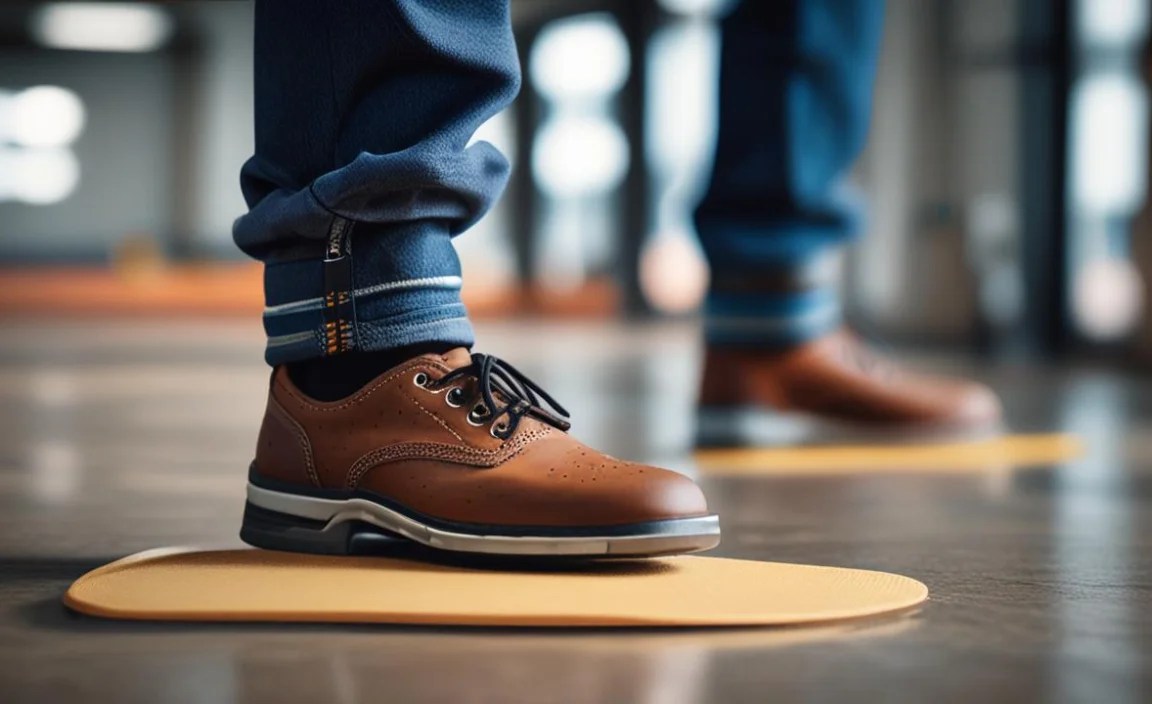
While many work boots and shoes are designed with safety features like steel toes or slip-resistant soles, they often fall short in providing adequate cushioning and arch support for prolonged standing. The insoles that typically come with factory footwear are usually thin, flimsy, and made from basic foam or cardboard-like materials. Their primary purpose is to provide a slight barrier between your foot and the shoe’s interior, rather than offering genuine anatomical support or significant shock absorption.
Consider the difference:
- Built-in Insoles: Often referred to as “sockliners” or “insoles,” these are usually not designed for long-term, high-impact wear. They offer minimal padding and quickly compress under constant pressure, losing any cushioning effect they once had.
- Aftermarket Insoles: These are specifically engineered to provide targeted support, superior cushioning, and enhanced shock absorption. They are made from advanced materials that are more durable and resilient, helping to maintain their supportive properties throughout your shift and over a longer lifespan.
The human foot is an incredibly complex structure, designed to adapt to varied surfaces. However, the flat, hard surfaces of a factory floor are a far cry from the natural terrain nature has prepared our feet for. Without proper support and cushioning, the feet are subjected to stresses that can exceed their natural resilience, leading to the discomfort and potential injuries mentioned earlier.
The Benefits of Using Specific Insoles for Factory Work

Investing in a good pair of insoles tailored for standing all day can make a world of difference. Here’s a breakdown of the key benefits:
1. Superior Shock Absorption
Hard surfaces generate significant impact forces with every step. Insoles made from materials like high-grade EVA foam, polyurethane, or specialized gel offer superior shock absorption. They act as a buffer, reducing the amount of jarring force that travels up your legs and into your feet. This is critical for preventing micro-traumas that can lead to pain and injury over time.
2. Enhanced Arch Support
Your arches are the natural shock absorbers and main support structure of your feet. When standing for long periods, especially on hard surfaces, your arches can flatten or strain. Insoles with built-in, contoured arch support help maintain the natural shape of your foot, preventing excessive pronation (inward rolling) or supination (outward rolling). This proper alignment is key to distributing weight evenly and reducing stress on your foot muscles, tendons, and ligaments.
According to the American Podiatric Medical Association (APMA), proper foot alignment is essential for overall body mechanics and can prevent secondary issues in the knees, hips, and back.
3. Pressure Point Relief
Prolonged standing can lead to the concentration of pressure on specific areas of your feet, such as the heel or the ball of the foot. Many specialized insoles feature targeted cushioning in these high-pressure zones. Additionally, some insoles have a cupped heel design, which helps to cradle the heel bone and absorb impact, providing relief from heel spurs or general heel pain.
4. Improved Posture and Alignment
When your feet are uncomfortable or improperly supported, your entire body’s posture can be affected. Your body will naturally try to compensate for pain or instability, leading to a chain reaction of misalignments. Well-designed insoles promote better foot positioning, which in turn encourages improved posture and alignment from your feet all the way up to your spine. This can reduce back pain and improve overall comfort.
5. Reduced Foot Fatigue and Increased Stamina
By providing consistent support and cushioning, insoles help your foot muscles and connective tissues work more efficiently. This means less strain and fatigue, allowing you to stand and move for longer periods without the overwhelming ache that can plague factory workers. Increased comfort often translates to increased productivity and a more positive work experience.
6. Prevention of Long-Term Foot Problems
The cumulative effect of standing on hard surfaces without adequate support can lead to chronic foot conditions. By proactively using supportive insoles, you are investing in the long-term health of your feet, reducing your risk of developing debilitating issues that could impact your ability to work and enjoy life.
Types of Insoles for Factory Workers

Not all insoles are created equal, and the best choice for a factory worker will depend on individual needs and work conditions. Here are the primary types to consider:
1. Cushioned Insoles (Soft Footbeds)
These are ideal for workers who need maximum shock absorption. They are typically made from soft foams like EVA or gel inserts. They provide a plush feeling underfoot, significantly reducing the impact of hard surfaces.
- Pros: Excellent shock absorption, high comfort.
- Cons: Can wear down faster than firmer insoles, might offer less rigid arch support.
- Best for: Workers experiencing heel pain, general foot fatigue, or those on very hard, unforgiving surfaces.
2. Supportive Insoles (Semi-Rigid or Firm Footbeds)
These insoles offer a balance of cushioning and structured support. They often feature a firmer, contoured design for the arch and may have a more robust heel cup. Materials include denser foams, composite materials, or even carbon fiber in some high-performance options.
- Pros: Excellent arch support, good shock absorption, durable.
- Cons: Can feel a bit stiffer initially compared to soft insoles.
- Best for: Workers with moderate to severe arch issues, pronation problems, or those needing to maintain foot alignment throughout the day.
3. Heavy-Duty/Work Boot Insoles
These are specifically designed for industrial environments. They are built to be durable, offer robust support and cushioning, and often have features like moisture-wicking top layers and anti-microbial treatments to combat odor.
- Pros: Extremely durable, designed for demanding conditions, often feature advanced shock absorption and support.
- Cons: Can be more expensive, might be thicker and require some break-in.
- Best for: Anyone working in heavy-duty industrial settings, construction, or factories with rigorous demands.
4. Medical/Orthotic Insoles
These are often prescribed by a podiatrist or medical professional for specific foot conditions such as severe plantar fasciitis, flat feet, or bunions. They are custom-molded or semi-custom and provide very specific biomechanical correction.
- Pros: Tailored to specific medical needs, can offer significant correction and relief.
- Cons: More expensive, require a professional diagnosis, may need time to adapt.
- Best for: Individuals with diagnosed foot conditions needing specialized medical intervention.
Key Features to Look for in Factory Worker Insoles

When shopping for insoles, keep these essential features in mind:
- Material: Look for high-quality, resilient materials that offer a good blend of cushioning and support. EVA foam, polyurethane, and gel are common. Avoid thin, flimsy materials.
- Arch Support: Ensure the insole provides appropriate arch support for your foot type (e.g., neutral, high, or flat arch). The support should feel comfortable and not cause pressure points.
- Heel Cup: A deep heel cup helps to stabilize the foot and absorb shock, protecting the heel bone and improving overall alignment.
- Durability: Factory environments are tough. Choose insoles made from materials that can withstand constant pressure and wear without quickly flattening or breaking down.
- Thickness/Profile: You need insoles that fit comfortably in your work boots without making them too tight. If your boots are already snug, you might need a lower-profile insole.
- Breathability and Moisture-Wicking: Long hours can lead to sweaty feet, creating an environment for odor and blisters. Look for insoles with breathable top layers or anti-microbial treatments.
- Flexibility/Rigidity: For general comfort and support, a semi-rigid insole is often ideal. If you have specific biomechanical issues, a more rigid orthotic might be necessary, but this usually requires professional advice.
Many reputable brands offer insoles specifically marketed for “work,” “standing all day,” or “heavy-duty use.” Reading reviews from other factory workers can also be invaluable.
How to Choose the Right Insoles

Selecting the perfect insole involves a bit of self-assessment and understanding your options. Here’s a step-by-step approach:
Step 1: Identify Your Foot Type and Pain Points
Arch Type:
- Flat Feet (Low Arches): Your foot may roll inward excessively (overpronation). You likely need insoles with good arch support and motion control to help stabilize your foot.
- Normal Arches: You experience even wear on your shoes. You can usually opt for neutral insoles that provide a good balance of cushioning and support.
- High Arches: Your foot may not flatten enough (supination). You need insoles that offer ample cushioning and shock absorption, especially in the midfoot and heel, to help distribute pressure more evenly.
Pain Points: Where do you feel the most discomfort? Is it your heels (plantar fasciitis), the balls of your feet (metatarsalgia), or general fatigue all over?
Step 2: Consider Your Work Environment and Footwear
Surface: Are you standing mostly on concrete, metal, or something slightly softer? The harder the surface, the more cushioning you’ll need.
Boot Type: Are your work boots roomy or snug? This will determine the thickness of the insole you can use. Steel-toed boots can also be stiffer, so a more flexible insole might be beneficial.
Pace of Work: Do you move around a lot or stand in one place for extended periods? If you move, better cushioning for impact is key. If you stand still, firm support is paramount.
Step 3: Research and Compare Insoles
Look at brands known for quality work insoles. Read product descriptions carefully, paying attention to the materials and features mentioned above.
Here’s a quick comparison of popular types for standing long hours:
| Insole Type | Primary Benefit | Best For | Considerations |
|---|---|---|---|
| Maximum Cushioning (Gel/Soft Foam) | Superior shock absorption | Heel pain, general fatigue, very hard surfaces | May wear faster, can be less stable for overpronators |
| Supportive (Semi-Rigid/Contoured) | Balanced support and cushioning | Arch pain, moderate fatigue, alignment issues | Might feel firmer initially |
| Heavy-Duty Work Insoles | Durability and robust support | Demanding industrial jobs, steel-toed boots | Can be thicker, higher price point |
Step 4: Try Them On (If Possible) and Ease In
If you can, try insoles on in the store. If buying online, check the return policy. When you first get your new insoles, don’t wear them for your entire shift immediately. Start by wearing them for a few hours at a time and gradually increase the duration over a few days. This allows your feet to adapt to the new support.
It is also important to ensure your work boots themselves are in good repair. A worn-out boot will negate the benefits of even the best insole. For more on choosing appropriate work footwear, resources like OSHA’s safety guidelines can provide context on workplace safety requirements.
How to Use and Maintain Your New Insoles
To get the most out of your insoles and ensure they last, follow these tips:
1. Proper Placement
Remove the original insoles from your work boots. Place the new insoles on top of the shoe’s interior. Ensure they lie flat and fit snugly without bunching up. Some insoles are trimmable for a perfect fit; if so, trace the size of your original insole onto the new one with a pen and carefully trim any excess with sharp scissors.
2. Gradually Break Them In
As mentioned, start by wearing them for a few hours each day. Your feet may feel different with new support, and a gradual introduction helps prevent discomfort or soreness as your feet adjust.
3. Cleaning and Care
- Daily: Remove insoles from boots at the end of the day to allow them to air out. This helps prevent moisture buildup and reduces odor.
- Washing: Most insoles can be cleaned with mild soap and cool water. Gently scrub them with a soft brush or cloth. Avoid harsh detergents or high heat, as this can damage the materials.
- Drying: Always air dry your insoles completely. Do not put them in a clothes dryer or expose them to direct heat, as this can cause them to warp or shrink. Stuffing them with newspaper can help absorb moisture and speed up drying.
4. Replacement Schedule
Even the best insoles wear out. Depending on the material and your activity level, they typically last anywhere from 6 to 12 months. Signs that it’s time for new insoles include:
- They have flattened out and lost their cushioning.
- You start experiencing your old foot pain again.
- The top fabric is significantly worn through.
- There’s persistent odor that cleaning doesn’t resolve.
Replacing your insoles regularly is key to maintaining consistent foot support and comfort.
