Strap in for better foot comfort! Insoles are key for factory line workers to ease standing pressure, absorb shock, and boost energy. This guide shows you how to pick and use the best ones for long shifts.
Insoles For Factory Line Workers: Essential Comfort

Working on a factory line means long hours on your feet, often on hard surfaces. This can lead to tired feet, aches, and even more serious problems like plantar fasciitis. But what if there was a simple way to add a cushion of comfort and support to your workday? That’s where insoles come in! They are like a comforting hug for your feet, designed to make those demanding shifts much more bearable. We’re here to guide you through choosing the right insoles, ensuring your feet stay happy and healthy, even at the end of the longest day.
Why Factory Line Workers Need Special Insoles
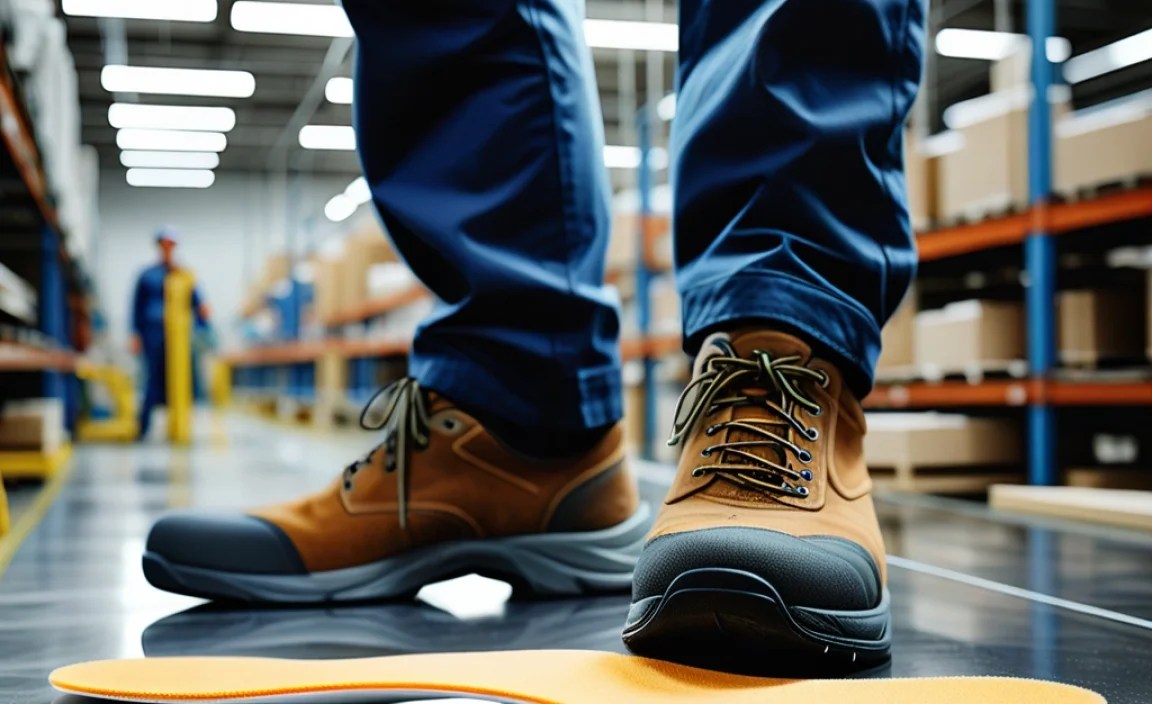
The factory floor presents unique challenges for your feet. Unlike a casual stroll, continuous standing and repetitive motions put constant stress on your feet, ankles, and legs. Think about the impact:
- Hard Surfaces: Concrete and other factory flooring offer little natural cushioning.
- Prolonged Standing: Staying in one place for hours without much movement can cause blood to pool and muscles to fatigue.
- Repetitive Tasks: Even small, consistent movements can strain specific parts of your feet over time.
- Potential for Impact: Dropped tools or heavy equipment can pose an immediate foot hazard, highlighting the need for robust footwear and support.
These factors can lead to common foot issues such as:
- Arch pain
- Heel pain (including plantar fasciitis)
- Metatarsal pain (pain in the ball of the foot)
- Fatigue in the legs and lower back
- Blisters and calluses due to friction
Standard work boots offer some protection, but they often lack the targeted cushioning and arch support needed for optimal comfort during extended periods of standing. This is precisely why specialized insoles can be a game-changer.
Understanding Insole Basics

Insoles, also known as shoe inserts or orthotics, are designed to be placed inside your footwear to provide additional support, cushioning, and alignment for your feet. They aren’t a one-size-fits-all solution. Different types cater to different needs:
- Cushioning Insoles: These are all about shock absorption. They’re typically made of softer materials like foam or gel and are great for reducing the impact of hard surfaces. They help keep your feet feeling fresh, even after hours of standing.
- Support Insoles: These focus on aligning your foot and providing structure. They often have a more rigid heel cup and arch support to help with conditions like flat feet or overpronation (where your foot rolls inward too much). Good support can help prevent fatigue and improve posture.
- Activity-Specific Insoles: While many factory workers may not consider their job an “activity,” insoles designed for long periods of standing or impact can be beneficial. They often blend cushioning with structured support.
When choosing insoles, consider the material. Gel insoles offer excellent shock absorption and can feel plush, while foam insoles are lighter and can provide a good balance of cushioning and support. Some advanced insoles may combine materials for a tailored feel.
Choosing the Right Insoles for Factory Line Work

Selecting the perfect insoles for a factory environment requires a thoughtful approach. You’re looking for insoles that can handle the rigors of your job while providing lasting comfort and protection. Here’s what to look for:
Key Features to Prioritize
When browsing for insoles, keep these essential features in mind:
- Superior Cushioning: Look for insoles with ample cushioning, especially in the heel and forefoot. Materials like high-density foam, gel, or memory foam can significantly absorb shock and reduce impact.
- Arch Support: Consistent arch support is crucial for preventing fatigue and maintaining proper foot alignment. Whether you have high arches, flat feet, or neutral arches, there’s an insole designed to support your specific foot type.
- Heel Cup: A deep heel cup helps to stabilize the heel, preventing excessive motion and providing extra cushioning where you need it most.
- Durability: Factory work can be tough on footwear. Choose insoles made from resilient materials that won’t break down quickly under constant pressure.
- Moisture-Wicking Properties: Long hours can lead to sweaty feet. Opt for insoles with breathable materials or moisture-wicking top layers to help keep your feet dry and reduce the risk of odor and blisters.
- Metatarsal Support: If you experience pain in the ball of your foot, consider insoles with a metatarsal pad designed to relieve pressure on this area.
Consider Your Foot Type
Understanding your foot type is fundamental to selecting effective insoles:
- Flat Feet (Low Arches): Your feet tend to roll inward (overpronate). You need insoles with strong arch support to help control this motion and distribute pressure more evenly.
- High Arches: Your feet may not absorb shock well. You need insoles with extra cushioning, particularly in the heel and midfoot, and good arch contouring.
- Normal Arches: You likely have a balanced foot strike. Neutral insoles with moderate cushioning and support will usually work best.
If you’re unsure about your foot type, a simple “wet test” can help. Wet your feet, step onto a piece of paper or dark tile, and examine the imprint. A full footprint indicates flat feet, a very narrow or non-existent imprint suggests high arches, and a clear imprint with a slight curve is typical of normal arches.
Material Matters
The materials used in insoles significantly impact their performance:
- Foam (EVA, Polyurethane): Lightweight, good cushioning, and often provides decent support. EVA is common for general comfort, while polyurethane offers more durability and shock absorption.
- Gel: Excellent shock absorption, feels soft and responsive. Can be a bit heavier than foam.
- Memory Foam: Molds to your foot’s shape for personalized comfort and pressure relief. May offer less structured support than other materials.
- Composite Materials: Many high-performance insoles blend various foams, gels, and sometimes rigid supports (like TPU) to offer a comprehensive solution.
When to Seek Professional Advice
If you experience persistent or severe foot pain, or if you have a medical condition like diabetes or arthritis, it’s always best to consult with a podiatrist or a foot health specialist. They can assess your specific needs and recommend custom or specialized over-the-counter insoles.
Top Insole Picks for Factory Line Workers
While personal preference plays a role, some insoles consistently perform well for demanding work environments. These are often favored for their blend of cushioning, support, and durability.
Insoles for Enhanced Shock Absorption
When the factory floor feels like concrete, shock absorption is key. These insoles excel at taking the impact out of every step, reducing fatigue and protecting your joints.
- Superfeet GREEN Insoles: A popular choice known for its firm, supportive design. They offer a deep heel cup for stability and a structured arch that helps control motion, making them suitable for a wide range of foot types. Their durable construction holds up well to daily wear.
- Dr. Scholl’s Work Insoles: Specifically designed for people who are on their feet all day, these insoles feature multiple layers of cushioning in the heel and ball of the foot to absorb shock and relieve pressure. They often have a resilient construction that doesn’t flatten out easily.
- Powerstep Pinnacle Maxx: These offer a good balance of cushioning and semi-rigid support. They have a higher level of arch support than some other cushioning insoles and a deep heel cup to cradle the foot, making them great for those who need more structure to combat fatigue.
Insoles for Maximum Support and Stability
If you struggle with foot fatigue, pronation, or heel pain, robust support is your priority. These insoles are built to provide structure and alignment:
- Sole Active Medium: These popular insoles are known for their orthopedic support. They feature a neutral, supportive design that fits a variety of shoes and can be heat-molded for a more personalized fit. They offer excellent arch support and heel cushioning, making them ideal for long hours on your feet.
- NRLK Orthotic Inserts: Often recommended for plantar fasciitis and heel pain, these insoles provide firm, structured support with a deep heel cup and significant arch contour. They are designed to realign the foot and reduce strain on the plantar fascia.
- Currex RUNPRO Maxx: While named for running, these insoles offer exceptional dynamic support and cushioning that translates well to standing jobs. They feature a more aggressive arch contour and robust heel stabilization to keep your feet properly aligned and reduce fatigue.
Budget-Friendly Options
You don’t always need to break the bank for relief. Some more affordable insoles can still offer significant improvements:
- Spenco Rx Comfort Insoles: These offer good cushioning and basic arch support at an accessible price point. They are lightweight and can be a significant upgrade over the insoles that come with most shoes.
- TreadLabs Pace Series: While TreadLabs offers custom options, their “Pace” line provides excellent semi-rigid support with customizable arch height choices. They are durable and provide a great balance of comfort and athletic-level support for the price.
How to Use Your New Insoles Effectively
Simply buying the right insoles isn’t the whole story. Using them correctly ensures you get the maximum benefit and avoid any discomfort.
Step-by-Step Insertion and Break-In
- Remove Existing Insoles: If your current work shoes have removable insoles or sock liners, take them out. This creates space for the new insoles and prevents stacking layers, which can alter shoe fit and comfort negatively.
- Size Check: Place your new insoles on a flat surface and put one of your shoes next to them. Compare the shape and size. If the new insoles are slightly too large, you might be able to trim them along the indicated lines (often found on the underside or heel) with sharp scissors to match the size of your original insoles. Always trim a little at a time to ensure a good fit.
- Insert the Insoles: Slide the new insoles into your shoes, making sure they lie flat and are positioned correctly. The heel of the insole should sit snugly against the heel of the shoe.
- The Break-In Period: It’s crucial to break in new insoles gradually. Don’t wear them for a full 10-hour shift on the first day. Start by wearing them for a few hours at a time, perhaps during your commute or for the first part of your shift.
- Listen to Your Feet: Pay attention to how your feet feel. If you experience any new or unusual discomfort, take a break from the insoles. Gradually increase the wear time over a few days to a week. Most people find that within a week, the insoles feel like a natural part of their shoes.
Maintaining Your Insoles
To extend the life and effectiveness of your insoles, follow these maintenance tips:
- Regular Cleaning: Insoles can accumulate sweat and dirt. Clean them regularly according to the manufacturer’s instructions. Often, a gentle wash with mild soap and water, followed by air drying (away from direct heat), is sufficient.
- Rotate If Possible: If you have multiple pairs of work shoes, try to rotate them. This allows the insoles (and your shoes) time to air out and helps them retain their shape and cushioning.
- Inspect for Wear: Periodically check your insoles for signs of significant wear, such as flattened cushioning, tears, or excessive compression. Most insoles have a lifespan of 6-12 months, depending on usage and material.
Insoles vs. Better Work Boots: A Comparison
While insoles are a fantastic addition to existing footwear, they aren’t a complete substitute for well-chosen work boots, especially in demanding environments. Here’s a look at how they compare and complement each other:
| Feature | Insoles | Quality Work Boots |
|---|---|---|
| Primary Benefit | Enhanced cushioning, arch support, shock absorption, personalization. | Protection (impact, puncture, slip), ankle support, durability, specialized features (waterproofing, steel toes). |
| Targeted Need | Comfort for existing footwear, relief from specific foot pain, improved alignment. | Safety compliance, protection from workplace hazards, structural support for the foot and ankle. |
| Lifespan | Typically 6-12 months, depending on material and usage. | Can last 1-3 years or more with proper care. |
| Cost | $20 – $70+ per pair. | $80 – $250+ per pair. |
| Customization | Can customize feel and support within existing shoes. | Limited customization of cushioning/support within the boot itself. |
| Impact on Safety | Can improve comfort, reducing fatigue-related errors. | Essential for meeting safety standards and preventing acute injuries. |
The ideal scenario for factory line workers is to combine high-quality work boots designed for their specific environment with supportive, comfortable insoles. The work boots provide the fundamental safety and structural integrity, while the insoles add a personalized layer of comfort and targeted pain relief. Think of your work boots as the armor and your insoles as the comfortable padding inside.
Common Foot Issues and How Insoles Can Help
Factory work is notorious for aggravating several common foot conditions. Insoles can play a significant role in managing and alleviating pain associated with these issues.
Plantar Fasciitis
This involves inflammation of the plantar fascia, a thick band of tissue running across the bottom of your foot, connecting your heel bone to your toes. It often causes sharp heel pain, especially with the first steps in the morning or after rest.
- How Insoles Help: Insoles with firm arch support and a deep heel cup can help reduce strain on the plantar fascia. They keep the foot from flattening excessively, which can be a major contributor to the condition. Some insoles also have specific cushioning in the heel to absorb shock.
Metatarsalgia
This refers to pain and inflammation in the ball of your foot, typically around the metatarsal bones. It can feel like walking on pebbles or a sharp, burning pain.
- How Insoles Help: Insoles that feature a metatarsal pad or button can lift and spread the metatarsal bones, relieving pressure on the nerves and joints in that area. Adequate forefoot cushioning also helps absorb impact.
Arch Pain
This can stem from overused or strained muscles and ligaments in the arch, often due to flat feet or standing for long periods on hard surfaces.
- How Insoles Help: For flat feet, insoles with contoured arch support are essential to provide structural stability and prevent the arch from collapsing. For those with normal or high arches, supportive insoles can still provide comfort and reduce muscle fatigue in the arch.
Heel Spurs
A calcium deposit forming on the underside of your heel bone, which can cause sharp pain. While insoles don’t remove the spur itself, they can significantly reduce the pain it causes.
- How Insoles Help: Heel cups with extra padding and good shock absorption distribute pressure away from the painful area. Support that helps to keep the foot from overpronating can also reduce strain on the heel.
General Foot Fatigue and Aches
Even without a specific diagnosis, long hours of standing on hard surfaces can lead to generalized aching and a feeling of deep fatigue in the feet and legs.
- How Insoles Help: Any good quality insole designed for standing will offer superior cushioning and shock absorption compared to standard shoe insoles. This reduces the repetitive impact on the bones and soft tissues of the foot, making standing much more comfortable and less tiring.
It’s important to note that while insoles can provide significant relief, they are often part of a broader treatment plan. If your pain is severe or persistent, consulting a healthcare professional is recommended. For more information on foot health, the American Podiatric Medical Association (APMA) can be a great resource for understanding conditions and treatments.
