Quick Summary: Yes, insoles can transform uncomfortable heels for event staff! Choosing the right insoles provides crucial cushioning, arch support, and shock absorption, reducing fatigue and pain so you can focus on your job, not your feet. Discover simple tips for finding the perfect fit and type of insole for all-day comfort.
Insoles For Event Staff Heels: Effortless Comfort

Standing for hours in heels can be tough, especially when you’re working an event. Your feet deserve a break! Many event staff members find that wearing heels, even for a few hours, leads to aching arches, sore heels, and overall foot fatigue. It’s a common issue that can make even the most exciting event feel like a marathon for your feet.
But what if there was a simple way to make those stylish heels feel amazing, even after a long shift? Good news! The right insoles can be your secret weapon for achieving effortless comfort. This guide will walk you through everything you need to know about choosing and using insoles to pamper your feet, so you can shine throughout any event.
Why Your Feet Need Help in Heels

Heels, while often a style choice, can put a lot of stress on your feet. They shift your weight forward, concentrating pressure on the balls of your feet and your toes. This unnatural position can lead to a variety of problems:
- Increased Pressure: The metatarsal heads (the bones in the ball of your foot) bear significantly more weight.
- Altered Gait: Your natural walking pattern is disrupted, which can affect your knees and back.
- Reduced Shock Absorption: The heel’s design often lacks cushioning, meaning your feet absorb more impact with every step.
- Arch Strain: Your arches can be forced into an unnatural shape, leading to fatigue and pain.
- Toe Compression: Pointed or narrow toe boxes can cramp your toes, leading to conditions like bunions and hammertoes over time.
For event staff, these issues are amplified by the long hours and constant standing or walking. The desire to look professional often clashes with the reality of foot discomfort. Fortunately, insoles are designed to counteract many of these negative effects, providing a comfortable buffer between your feet and the unforgiving sole of a heel.
Understanding Insole Basics for Heels
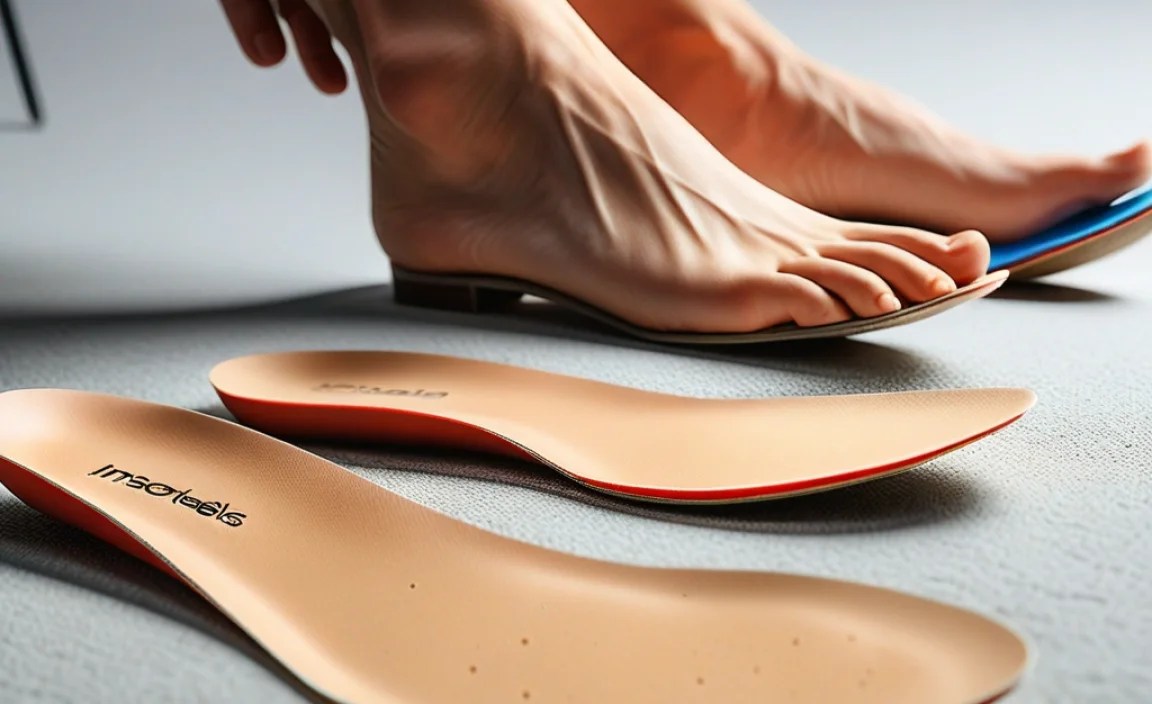
Not all insoles are created equal, and the best ones for heels have specific features. Think of them as custom upgrades for your shoes, tailored to address the unique challenges of wearing heeled footwear.
Types of Insoles
Insoles come in various forms, each designed to offer different levels of support and cushioning. For heels, we’re typically looking at inserts that are relatively slim to fit without making the shoe too tight.
- Cushioning Insoles: These are primarily designed to absorb shock and provide a softer feel underfoot. They are great for general comfort and reducing impact.
- Arch Support Insoles: These have built-in structures to support the natural arch of your foot, helping to distribute pressure more evenly and prevent strain.
- Metatarsal Pads: These are often small, targeted pads placed just behind the ball of the foot. They help to lift and separate the metatarsal heads, relieving pressure in this sensitive area.
- Heel Cups: These cup-shaped inserts provide extra cushioning and support around the heel bone, reducing shock and improving stability.
- Combination Insoles: Many of the best insoles combine these features, offering both cushioning and arch support, often with a heel cup.
Key Features to Look For
When selecting an insole for your event heels, consider these important characteristics:
- Slim Profile: Heels often have less room than other shoes. Opt for thin or low-profile insoles that won’t make your shoes feel too snug.
- Targeted Cushioning: Look for designs that offer extra padding in the heel and ball of the foot areas, as these bear the brunt of the pressure.
- Arch Support: Even a mild arch support can make a significant difference in distributing weight and preventing fatigue.
- Shock Absorption: Materials like gel, foam, or advanced composites are excellent at absorbing the impact of each step.
- Breathability: If you’re on your feet for long hours, breathable materials can help keep your feet cooler and drier, reducing the risk of blisters or odor.
- Non-Slip Surface: This is crucial for heels. You don’t want your foot or the insole sliding around inside the shoe for safety and comfort.
Choosing the Right Insoles for Event Staff Heels

Navigating the world of insoles can seem overwhelming, but for event staff working in heels, the goal is clear: comfort without compromising style or shoe fit. Here’s a breakdown of what generally works best.
Insoles for Different Heel Heights
The type of insole you need can depend on the height of your heel.
| Heel Height | Recommended Insole Features | Why It Works |
|---|---|---|
| Low Heels (1-2 inches) | Light cushioning, mild arch support, slim profile. | These heels are more stable. Extra cushioning prevents general fatigue, and mild support aids posture. A slim profile ensures they fit without tightening the shoe. |
| Medium Heels (2-3 inches) | Targeted ball-of-foot cushioning, moderate arch support, heel cup, good shock absorption. | Pressure shifts significantly to the ball of the foot. Metatarsal pads or cushioning here are vital, as is heel support to absorb impact and prevent heel pain. |
| High Heels (3+ inches) | Significant ball-of-foot relief (metatarsal pads), strong but flexible arch support, heel cushioning, and a non-slip design. | These put the foot in its most extreme position. Insoles must actively redistribute weight, cushion the forefoot heavily, support the arch, and keep the foot secure to prevent slippage. |
Material Matters
The material of an insole greatly affects its performance:
- Foam (EVA, Polyurethane): Lightweight and offer good cushioning and shock absorption. They are often flexible and can be molded to the foot. Polyurethane foam tends to be more durable and offers better energy return.
- Gel: Excellent for shock absorption and can provide a plush, comfortable feel. Gel insoles are often good for targeting pressure points.
- Silicone: Similar to gel, silicone offers superior shock absorption and durability. It can be very effective in high-impact areas.
- Cork: A natural material that can mold to the foot over time, offering personalized support and some cushioning. It’s also breathable and somewhat antimicrobial.
- Carbon Fiber/Composite: These are typically rigid and used for maximum support and stability, often in athletic orthotics. They are usually too stiff for casual dress heels but might be considered for very specific needs in robust footwear. For event heels, flexible foam, gel, or silicone are usually preferred.
For event staff heels, a combination of advanced foam with gel or silicone inserts in key pressure areas, like the ball of the foot and the heel, is often the sweet spot. These materials offer great shock absorption and cushioning without adding too much bulk.
Top Insole Picks for Event Staff Heels

While specific brands and models can change, here are categories of insoles that consistently perform well for people needing relief in heels:
- Slim Gel Cushions with Arch Support: These are often designed to be nearly invisible and fit into most dress shoes. Look for those with a slightly raised arch and gel pads under the ball of the foot and heel. Brands like Superfeet (their SlimFit or Everyday Slim models), Powerstep (SlimTech), or ProFoot often have suitable options.
- Metatarsal Pads (Adhesive or Integrated): If the primary pain is in the ball of your foot, dedicated metatarsal pads can be a lifesaver. Some come with adhesive backs so you can place them directly into your shoe, while others are integrated into a thin insole. Brands like Smelly No More or generic pharmacy brands offer these. Always place these carefully during a break to ensure they aren’t causing new pressure points.
- 3/4 Length Insoles: These insoles end before the toes, which can be beneficial in shoes with a narrower toe box or less internal space. They provide support for the arch and heel without overcrowding the forefoot. Many Dr. Scholl’s or Pedag offerings in this category work well.
- Full-Length Slim Insoles: For shoes with a bit more room, a full-length insole that offers balanced cushioning and support throughout the foot can be ideal. Brands focusing on athletic comfort but offering slim versions, like Align Footwear or Currex, might have options.
When choosing, consider reading reviews from people who have used insoles in dress shoes or heels specifically. This can give you real-world insights into fit, durability, and comfort.
How to Use Insoles in Heels Effectively
Simply buying the right insoles isn’t always enough. Proper placement and usage are key to unlocking their full potential for comfort.
Step-by-Step Guide to Insole Placement
- Prepare Your Shoes: If your heels have old, worn-out insoles, remove them. Clean the inside of your shoes to ensure a smooth surface for the new insoles.
- Identify the Right Insole: Choose the insole designed for heels or slim dress shoes. Some insoles are left/right specific, while others are universal.
- Initial Placement: Place the insole into the shoe without pressing down firmly. Align it with the heel cup and ensure it sits flat. The arch support should generally align with the natural arch of your foot.
- Check for Fit and Comfort: Try the shoe on with the insole inside. Can you wiggle your toes? Is the shoe too tight? Does the insole feel like it’s in the right place? You shouldn’t feel any new pinching or rubbing.
- Adjust if Needed: If the insole slides around or feels misplaced, you might need to adjust its position. For adhesive insoles, peel off the backing and carefully place them, pressing firmly once you’re sure of the position. Some insoles might need to be trimmed to fit, especially if they are full-length and your shoe is snug. (Always follow the manufacturer’s trimming instructions carefully using sharp scissors.)
- Wear and Re-evaluate: Wear the shoes with the insoles for a short period, perhaps around the house, before a long event. This allows your feet to get used to the support and you to identify any potential issues. Make minor adjustments if necessary.
Tips for Long-Term Comfort
- Break Them In: Just like new shoes, give your insoles a little time to mold to your feet and shoes.
- Rotate Your Shoes: Even with insoles, avoid wearing the same pair of heels (or the same insoles) every single day for extended periods. Giving your feet and shoes a rest is always beneficial. Check out resources on proper footwear rotation, such as those from the American Podiatric Medical Association (APMA), which often highlight the importance of varied footwear.
- Clean Your Insoles: Follow the manufacturer’s cleaning instructions. Most foam or gel insoles can be gently hand-washed with mild soap and water and air-dried. This helps maintain their hygiene and performance.
- Replace When Worn: Insoles won’t last forever. Look for signs of wear like compressed cushioning, flattened arch support, or loss of shock absorption. Typically, insoles need replacing every 6-12 months depending on usage.
- Consider Multiple Pairs: If you frequently wear heels for work, having a couple of pairs of insoles for different shoes can be a good investment.
When to Seek Professional Advice
While insoles can provide significant relief, they are not a cure-all. If you experience persistent or severe foot pain, discomfort that doesn’t improve with insoles, or have a known foot condition, it’s always best to consult a healthcare professional.
A podiatrist or orthopedic specialist can diagnose the underlying cause of your foot pain and recommend the most appropriate treatment. This might include custom orthotics, physical therapy, or other medical interventions. Resources from institutions like the American Podiatric Medical Association (APMA) offer valuable information on foot health and when to seek professional care.
Frequently Asked Questions (FAQ)
1. Can I put insoles in any type of heel?
Generally, yes, but the key is finding the right type and size of insole. Slim, low-profile insoles are best for most dress heels. Very tight or pointed-toe heels might not accommodate insoles well. Always ensure the insole fits comfortably without making the shoe bind or pinch.
2. How do I know if I need arch support in my heels?
If you experience aching or fatigue along the arch of your foot after wearing heels, or if your arches feel flat and unsupported, you likely benefit from arch support. Even mild arch support can help distribute pressure more evenly.
3. Will insoles make my heels too tight?
This is a common concern. Opt for thin insoles made from materials like gel or slim EVA foam. Avoid thick, plush insoles in shoes that are already a snug fit. Sometimes, a 3/4 length insole can provide support without adding bulk in the toe box.
4. How often should I replace my insoles?
This depends on the quality of the insole and how often you wear them. For insoles used daily in work shoes, replacing them every 6 months is a good rule of thumb. If you only wear heels for events, they might last a year or more. Signs they need replacing include compressed cushioning, loss of support, or visible wear and tear.
5. Are gel insoles better than foam insoles for heels?
It depends on your needs. Gel insoles excel at shock absorption and can offer a luxurious cushioned feel, often effective for heel pain and the ball of the foot. Foam insoles (like EVA or polyurethane) are lightweight, provide good cushioning, and can offer more general support. Many high-quality heel insoles use a combination of both materials.
6. Can insoles cure plantar fasciitis from wearing heels?
Insoles can help manage the symptoms of plantar fasciitis by providing cushioning and support, which can reduce stress on the plantar fascia. However, they are not typically a cure on their own. Consistent use of supportive insoles, combined with stretching, rest, and potentially professional medical advice, is usually needed for effective management.
7. Where can I buy good quality insoles for heels?
You can find suitable insoles at pharmacies, sporting goods stores, shoe stores, and online retailers like Amazon. For specialized options, look for brands recommended by podiatrists or those catering to foot health. Many reputable brands also offer insole selectors on their websites to help you find the right product for your needs.
Conclusion
Working events can be demanding, and your feet shouldn’t be the reason you’re not at your best. By understanding the unique stress heels place on your feet and choosing the right insoles, you can significantly enhance your comfort levels. From slim gel cushions to targeted metatarsal pads, there’s an insole solution for almost every type of heel and every event staff member.
Remember to consider your heel height, the material of the insole, and its specific features like arch support and targeted cushioning. Proper placement and regular maintenance will ensure your insoles work their magic all day long. Don’t let foot pain sideline you; invest in your comfort and stride confidently (and comfortably!) through every event. Your feet will thank you for it!
