For event planners who spend countless hours on their feet, specialized insoles offer crucial support and comfort, significantly reducing fatigue and preventing foot pain. Investing in the right insoles is essential for maintaining energy and focus throughout demanding events.
Insoles For Event Planners Standing: Essential Comfort

You’re in the thick of it. Venue walkthroughs, vendor meetings, coordinating setup, directing guests, troubleshooting last-minute issues – all while navigating endless stretches of convention center floors or outdoor landscapes. For event planners, “a day at the office” often means being on your feet for 12, 14, or even 18 hours straight. This constant standing and moving can take a serious toll on your feet, leading to fatigue, pain, and even long-term issues. But what if there was a simple, effective way to boost comfort and energy levels?
The answer lies in understanding the power of insoles designed specifically for those who stand for long periods. Think of them as supportive cushions that work with your shoes to cradle your feet, absorb shock, and promote better alignment. This guide is your go-to resource for discovering how the right insoles can transform your workday, keeping you comfortable, focused, and ready to tackle any event challenge. We’ll dive into why event planners need them, what to look for, how to choose, and even offer some top picks to keep your feet happy, no matter how long the event.
Why Event Planners Need Specialized Insoles

Event planning is a profession that demands relentless energy and physical stamina. Unlike an office job where you might sit for most of the day, your role as an event planner has you constantly on the move. This sustained pressure on your feet can lead to a cascade of problems:
Foot Fatigue and Soreness: The arches of your feet can collapse under prolonged pressure, leading to aching arches and general foot tiredness.
Plantar Fasciitis: This common condition causes heel pain and is often aggravated by standing for extended periods on hard surfaces.
Shin Splints: Pain along the shinbone can result from the stress of repetitive impact and poor foot mechanics.
Knee and Back Pain: When your feet aren’t adequately supported, it can disrupt your body’s natural alignment, leading to pain that radiates up to your knees and lower back.
Blisters and Calluses: Friction and pressure points from ill-fitting shoes or lack of cushioning can cause painful skin issues.
Event planning requires you to be at the top of your game, mentally and physically. When your feet hurt, your focus wavers, your energy depletes, and your overall effectiveness suffers. Specialized insoles act as a vital first line of defense, providing the necessary support and cushioning to mitigate these issues. They don’t just make you feel better; they help prevent injuries that could sideline you when you’re needed most.
Understanding Insole Basics: What Makes Them Work?
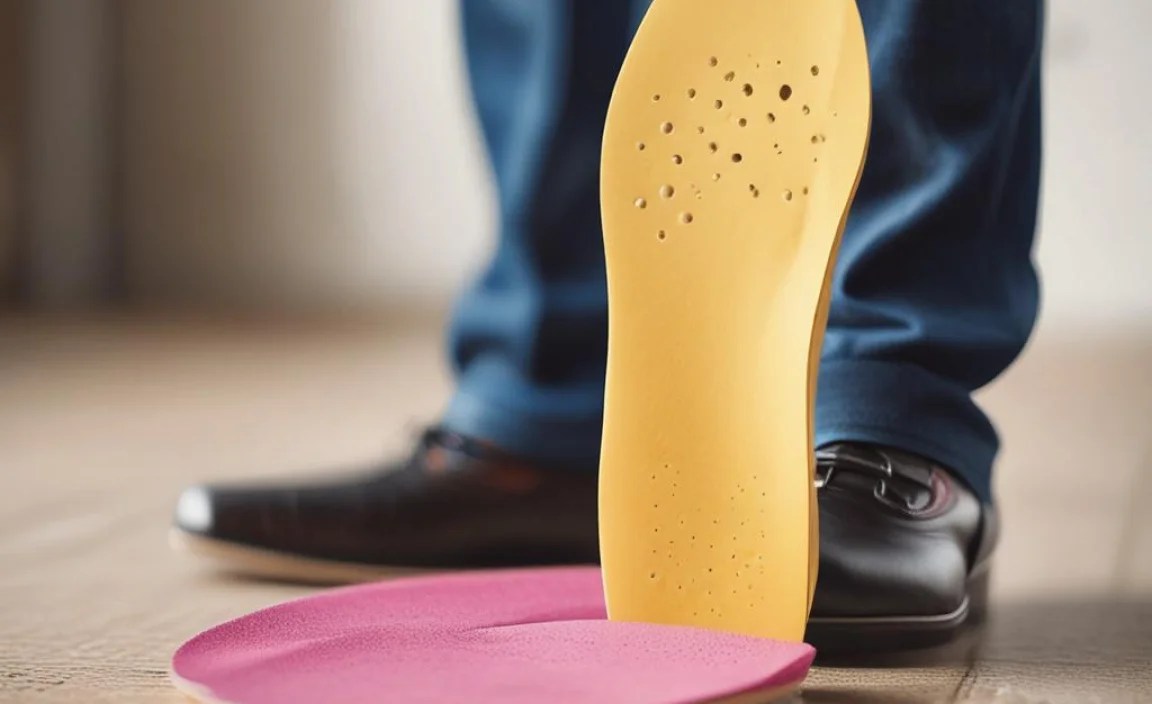
Insoles, also known as orthotics or shoe inserts, are designed to enhance the comfort and support of your footwear. They are typically placed inside your shoes to:
Cushion Impact: They absorb the shock from each step, reducing stress on your feet, ankles, knees, and back.
Support Arches: Proper arch support helps maintain the natural shape of your foot, preventing it from flattening too much under pressure. This is crucial for avoiding foot fatigue and conditions like plantar fasciitis.
Improve Pronation Control: For those whose feet roll inward excessively (overpronation) or outward (supination), some insoles offer correction to guide the foot into a more neutral position.
Improve Foot Alignment: By providing a stable foundation, insoles can help align your feet correctly, which in turn supports your ankles, knees, hips, and spine.
Reduce Friction: Some insoles have features designed to reduce rubbing and pressure points, preventing blisters and calluses.
Types of Insoles
Insoles come in various materials and designs, each suited for different needs:
| Type of Insole | Description | Best For |
|---|---|---|
| Cushioning Insoles | Primarily focused on providing soft padding and shock absorption. Often made from foam, gel, or air. | General comfort, reducing fatigue from standing, mild foot pain. |
| Supportive/Orthotic Insoles | Feature a more structured design with arch support and heel cups to control foot motion and promote proper alignment. | Overpronation, plantar fasciitis, heel spurs, significant foot pain, long hours of standing. |
| Activity-Specific Insoles | Designed with features tailored to particular activities, like extra cushioning for running or added rigidity for hiking. | While not strictly for event planning, some features might overlap if your planning involves extensive walking or uneven terrain. |
| Specialty Insoles | Address specific issues such as metatarsal pain, heel pain, or conditions requiring specialized correction. | Targeted treatment for specific foot ailments. |
For event planners, a combination of cushioning and supportive elements is often ideal. You need the shock absorption to handle hard surfaces and long hours, along with the structural support to keep your feet aligned and prevent fatigue.
Choosing the Right Insoles for Event Planners Standing

Selecting insoles isn’t a one-size-fits-all decision. Here’s a step-by-step approach to finding the best fit for your professional needs:
Step 1: Assess Your Foot Type and Pain Points
Before buying, take a moment to understand your feet.
Arch Height: Do you have high arches, normal arches, or flat feet? You can test this by doing a “wet test”: wet your feet, step onto a piece of paper or cardboard, and look at the imprint. A full imprint indicates flat feet, a partial imprint with a noticeable curve is a normal arch, and a very thin imprint of your foot is a high arch.
Pronation: Do your feet roll inward too much when you walk? Look at the wear pattern on your current shoes. Excessive wear on the inner edge suggests overpronation. Even wear suggests a neutral gait.
Specific Pain: Where do you experience the most discomfort? Heel pain, arch pain, ball-of-foot pain, or general soreness?
Step 2: Consider Your Footwear
The type of shoes you wear for event planning will influence the type of insole that fits best.
Dress Shoes/Loafers: These often have less depth to accommodate thicker insoles. Look for slim-fit or low-profile insoles.
Boots (Work Boots, Chelsea Boots): These usually have more room. You can opt for more cushioned or supportive insoles.
Comfortable Flats/Sneakers: Many comfortable shoes can be further enhanced with insoles, especially those with removable factory insoles that can be easily replaced.
Step 3: Focus on Key Features for Event Planners
When browsing, keep these features in mind:
Arch Support: Essential for preventing collapsed arches and reducing strain. Look for insoles that match your arch height.
Heel Cup/Stabilizer: A well-defined heel cup helps cradle the heel, provide stability, and absorb impact. This is crucial for preventing heel pain and improving overall foot alignment.
Cushioning Material: While support is key, sufficient cushioning is also vital. Materials like high-density foam, gel, or EVA (ethylene-vinyl acetate) offer good shock absorption.
Durability: As an event planner, you’ll be putting a lot of wear and tear on your insoles. Look for insoles made from robust materials that won’t flatten out quickly. Brands like Superfeet, Powerstep, and Currex are known for their durability.
Breathability: Long hours can lead to sweaty feet. Some insoles incorporate breathable fabrics or antimicrobial treatments to help manage moisture and odor.
Step 4: Look for Beginner-Friendly Options
As a beginner, starting with a general-purpose supportive insole is often your best bet. These typically offer a good balance of cushioning and arch support. Brands like “Superfeet Green” or “Powerstep Pinnacle” are widely recommended for their versatility and effectiveness.
When to Consider Professional Custom Orthotics
While over-the-counter insoles are excellent for most people, some individuals might benefit from custom orthotics prescribed by a podiatrist or a certified pedorthist. These are molded specifically to your feet and can address more complex biomechanical issues or severe foot conditions. If you have persistent, severe pain that doesn’t improve with over-the-counter options, consulting a foot specialist is recommended. You can find certified professionals through organizations like the American Podiatric Medical Association (APMA).
Top Insoles for Event Planners Standing: Reviews & Recommendations

Based on the needs of event planners, here are some highly-rated insoles that offer excellent support and comfort for long hours on your feet. These are consistently praised for their durability and effectiveness in reducing fatigue.
1. Superfeet Green Insoles
These are a classic for a reason. The Superfeet Green are best-in-class for general support and shock absorption. They feature a deep heel cup for maximum stability and a structured design that helps cradle the foot.
- Pros: Excellent arch support, durable construction, deep heel cup for alignment, versatile.
- Cons: Can feel a bit firm for some initially, might require a brief break-in period.
- Best for: Neutral to moderately pronated feet, general foot fatigue, plantar fasciitis symptom relief.
2. Powerstep Pinnacle Full Length Orthotic Inserts
Powerstep offers a slightly more cushioned feel while still providing excellent semi-rigid support. The Pinnacle line is designed for maximum support and comfort, making them a great choice for extensive standing.
- Pros: Great cushioning combined with solid support, good for medium to high arches, effective for plantar fasciitis and heel pain.
- Cons: Can be a bit thicker, so check shoe depth.
- Best for: Active lifestyles, long hours of standing, moderate overpronation.
3. Currex RunPro Insoles (or CurrectSole Everyday)
While named for running, the Currex insoles are fantastic for anyone needing dynamic support. They offer different versions based on foot dynamic: Dynamic, Comfort, and Support. For event planners, the “Dynamic Arch” or “Comfort” lines can be excellent, providing cushioning and responsiveness.
- Pros: Flexible support that adapts to your stride, good shock absorption, breathable materials, available in different dynamic support levels.
- Cons: May be less rigid than some other options, which might be a preference for some.
- Best for: Active individuals who need support that doesn’t feel restrictive, those looking for a balance of cushion and responsiveness.
4. Vionic Yes Deer Orthotic Inserts
Vionic is well-known for its podiatrist-designed orthotics that integrate seamless support. Their insoles often come with a built-in biomechanical design to help control pronation and reduce foot fatigue.
- Pros: Excellent arch support, designed to help with foot alignment issues, good cushioning.
- Cons: Can be pricier, some may find the arch support a bit aggressive initially.
- Best for: People with plantar fasciitis, overpronation, and those seeking integrated support.
5. Spenco Rx Comfort Orthotics
These are a more budget-friendly option that still delivers good cushioning and support. They are often a good starting point for those new to insoles.
- Pros: Affordable, good cushioning, decent arch support, trim-to-fit for customized length.
- Cons: Less structured than premium brands, may wear out faster with heavy daily use.
- Best for: Beginners, light to moderate standing, general comfort.
Remember to always check the specific product descriptions and reviews for details on arch height suitability and intended use.
How to Use and Care for Your Insoles
Getting the right insoles is only half the battle. Proper usage and care will maximize their lifespan and effectiveness.
Inserting Insoles into Your Shoes
1. Remove Existing Insoles: If your shoes have removable factory insoles, take them out first. This creates space for the new insole and prevents stacking, which can make your shoes too tight.
2. Trim if Necessary: Many insoles, like the Spenco Rx Comfort Orthotics, are designed to be trimmed to fit your shoe size. Trace your old insole or the inside of your shoe onto the new insole with a pen. Use sharp scissors to make clean cuts along the lines.
3. Place the Insole: Slide the new insole into your shoe, ensuring it lies flat and fits snugly without bunching up.
4. Test the Fit: Wear the shoes with the new insoles around the house for a few hours to ensure they feel comfortable and don’t create any new pressure points.
Breaking Them In
It’s a good idea to gradually break in new insoles. Start by wearing them for an hour or two a day and gradually increase the duration. This allows your feet to adapt to the new support and cushioning.
Cleaning and Maintenance
Regular Cleaning: Most insoles can be cleaned with mild soap and cool water. Use a soft brush or cloth to scrub gently.
Air Dry: Always air dry your insoles completely away from direct heat or sunlight. Never put them in a washing machine or dryer, as this can damage the materials.
Rotate if Possible: If you have multiple pairs of shoes you use frequently, consider having insoles for each pair. This allows insoles to rest and recover their shape between uses.
* Inspect for Wear: Periodically check your insoles for signs of excessive wear, such as flattened cushioning, worn-out arch support, or tears. Most insoles have a lifespan of 6 months to a year, depending on usage and material quality.
Frequently Asked Questions (FAQ)
Q1: Can anyone use insoles for event planning, or do I need a specific foot condition?
Anyone can benefit from insoles, especially if you spend long hours on your feet. While insoles are particularly helpful for conditions like plantar fasciitis or overpronation, they also provide essential cushioning and support for general foot fatigue, helping to prevent pain before it starts.
Q2: How often should I replace my insoles?
The lifespan of insoles varies depending on the material, your activity level, and your weight. Generally, you should consider replacing them every 6 to 12 months for optimal support and comfort. Look for signs of wear like flattened cushioning or reduced responsiveness.
Q3: Will insoles make my shoes too tight?
It’s possible. If your shoes have very little internal volume, adding insoles might make them feel snug. It’s best to remove the existing factory insoles first. If they still feel too tight, you might need to explore slimmer insole profiles or consider shoes with more depth.
Q4: Can insoles help with back pain caused by standing?
Yes, insoles can significantly help with back pain. When your feet are properly supported and aligned, it improves your overall posture and body mechanics. This reduces the strain on your ankles, knees, hips, and lower back, often leading to a noticeable reduction in back pain associated with prolonged standing.
Q5: Are there insoles specifically designed for different types of event planning environments, like outdoor vs. indoor events?
While there aren’t many insoles marketed specifically for different event environments, you can choose based on the demands. For outdoor events on uneven terrain, you might want a more stable, supportive insole with good shock absorption. For long hours on hard indoor floors, ample cushioning and arch support are key. Consider insoles with good shock-absorbing properties regardless of the surface.
Q6: How do I choose between firm and soft cushioning for my insoles?
This often comes down to personal preference and your specific needs. Generally, firmer insoles offer more support and stability, which is crucial for conditions like plantar fasciitis or overpronation. Softer insoles provide more initial comfort and immediate cushioning but might not offer as much long-term support for very demanding days. Many event planners find a balance – a supportive base with a responsive cushioning layer – to be ideal.
Q7: Can I wear my insoles in every type of shoe I own?
It’s best to use insoles in shoes that fit well and have enough room to accommodate them comfortably. While you can transfer them between shoes, avoid putting them in very tight-fitting shoes or those with very little internal space. For maximum benefit and continuous comfort, consider having a dedicated pair of insoles for your primary work shoes.
