For esports gamers seeking ultimate comfort and improved gameplay, specialized insoles can significantly reduce foot fatigue, enhance stability, and provide essential support during long gaming sessions. This guide helps you find the best insoles to keep your feet happy and your focus sharp.
Insoles For Esports Gamers Comfort: Essential Guide

Hours spent gaming can take a toll on your feet, even if you’re not physically moving much. The constant pressure, static posture, and sometimes less-than-ideal seating arrangements can lead to discomfort, aches, and even long-term foot health issues. If you’re an esports enthusiast looking to stay comfortable and focused during marathon gaming sessions, you might be surprised to learn that the right insoles can make a world of difference. We’re here to break down why insoles are crucial for gamers and how to choose the perfect pair to keep your feet in the game.
Why Esports Gamers Need Insoles

It might seem counterintuitive. Gamers aren’t typically running marathons or engaging in high-impact sports. However, the unique demands of esports lead to specific foot-related challenges:
- Static Postures: Long periods of sitting with feet either flat on the floor or tucked in awkward positions can lead to poor circulation and localized pressure points.
- Foot Pressure: Even when sitting, your feet bear weight and can experience uneven pressure distribution, especially if your gaming chair doesn’t offer ideal foot support.
- Anxiety and Muscle Tension: The mental intensity of esports can translate to subconscious muscle clenching, including in the feet and legs, increasing fatigue.
- Pre-existing Conditions: Many gamers may already have conditions like plantar fasciitis, flat feet, or high arches that are exacerbated by prolonged sitting and inactivity.
- Hygiene and Odor: Gaming sessions can be sweaty, and good insoles can help manage moisture and odor, contributing to overall foot health and comfort.
Insoles act as a personalized footbed, offering cushioning, support, and alignment correction that your standard shoes or gaming setup might lack. They can transform an uncomfortable experience into one of sustained focus and physical ease.
Understanding Insole Basics for Gamers
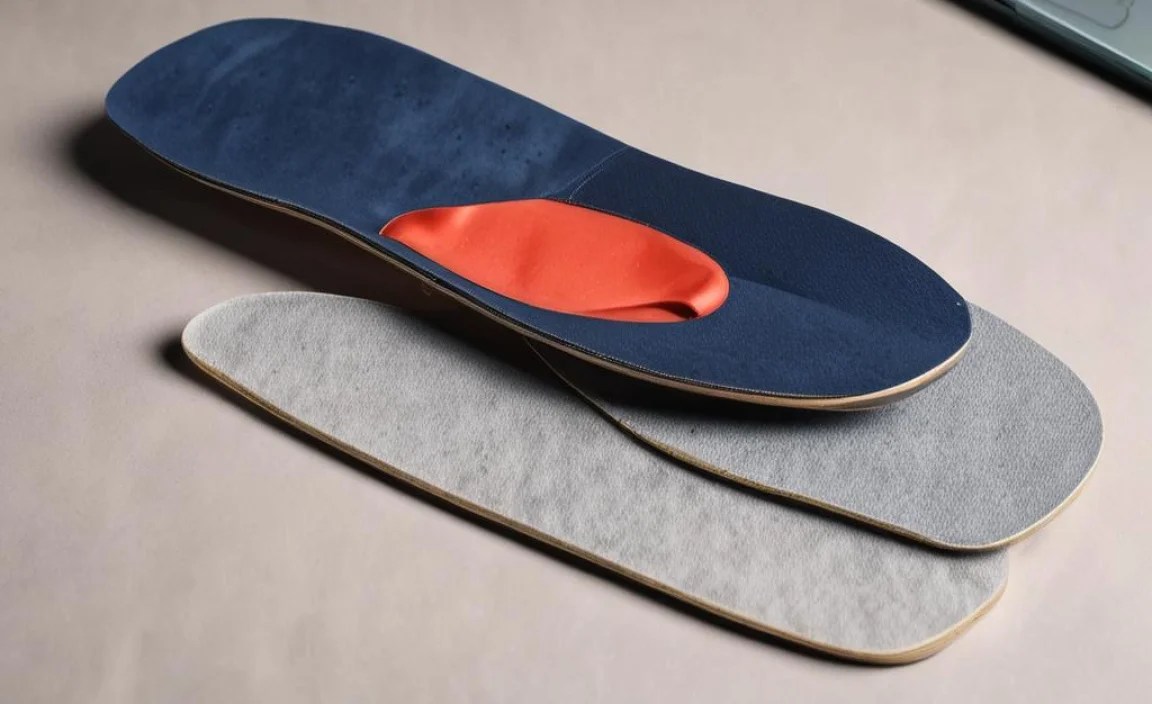
Not all insoles are created equal, and understanding the different types will help you make an informed decision. For gamers, the focus is primarily on comfort, support, and shock absorption.
Types of Insoles
Insoles generally fall into a few main categories, each offering different benefits:
- Cushioning Insoles: These are designed for maximum shock absorption and comfort. They often use soft materials like foam or gel to provide a plush feel, reducing impact on your feet.
- Supportive or Orthotic Insoles: These insoles offer more structure and are designed to correct biomechanical issues. They can help with arch support, heel stability, and proper foot alignment. Many are semi-rigid to provide consistent support.
- Active/Athletic Insoles: These often combine cushioning with targeted support, designed for moderate to high activity levels. They can offer breathability and moisture-wicking properties, which are beneficial even for stationary activities.
Key Features to Look For
When shopping for insoles specifically for your gaming setup, consider these features:
- Arch Support: Whether you have flat feet, high arches, or neutral arches, proper arch support is crucial for distributing weight evenly and preventing fatigue.
- Heel Cup: A well-defined heel cup helps stabilize the heel, preventing slippage within your shoes and providing cushioning for the heel bone.
- Cushioning Material: Look for materials like EVA foam, memory foam, or gel inserts that provide a good balance of softness and durability.
- Breathability and Moisture-Wicking: Even in a sedentary activity, feet can sweat. Breathable materials help keep your feet dry and reduce the risk of odor or fungal issues.
- Durability: Gaming sessions can be long, so opt for insoles made from high-quality materials that won’t break down quickly.
- Thickness/Profile: Consider the space inside your gaming shoes. Thicker insoles provide more cushioning but may make your shoes too tight. A lower-profile insole might be better for snug-fitting footwear.
Choosing the Right Insoles: A Step-by-Step Guide for Gamers

Finding the perfect insoles involves understanding your own feet and needs. Here’s how to approach it:
- Assess Your Foot Type and Arch:
- Flat Feet (Low Arch): Your feet may roll inward excessively. You need insoles with good arch support to help maintain alignment.
- High Arches: Your feet may not absorb shock well. Look for insoles with ample cushioning, especially in the heel and ball of the foot.
- Neutral Arches: You have a balanced foot. Most supportive or cushioning insoles will work well.
If you’re unsure, do a “wet test”: dampen your feet, step onto a piece of paper, and examine the footprint. A full imprint means flat feet; an imprint with a very thin line connecting the heel and ball indicates high arches; a balanced imprint with a visible arch is a neutral arch.
- Identify Your Comfort Needs:
- Are your feet tired mostly from sitting, or do you feel pressure points?
- Do you experience heel pain, arch pain, or general foot soreness?
- What kind of pressure does your current gaming setup exert on your feet?
For general fatigue and pressure relief, cushioning insoles are a great starting point. For specific pain or alignment issues, supportive orthotic insoles are more appropriate.
- Consider Your Gaming Footwear:What shoes will you be wearing while gaming?:
- Sneakers/Athletic Shoes: These often have removable insoles and plenty of room for aftermarket options.
- Casual Shoes: Ensure the insoles you choose can fit comfortably without making the shoes too tight.
- Slippers/House Shoes: Some house shoes have removable insoles, while others do not. Check for compatibility.
You may need different insoles for different pairs of shoes.
- Read Insole Reviews:Before buying, check reviews from other users, especially those who mention similar activities or foot concerns. Look for feedback on:
- Comfort and cushioning levels.
- Durability over time.
- Effectiveness for specific foot conditions.
- Fit within various types of shoes.
- Trial and Error:Sometimes, it takes trying a couple of different pairs to find your perfect match. Many retailers offer return policies, so don’t be afraid to experiment.
For more in-depth information on foot biomechanics, you can consult resources from the American Podiatric Medical Association (APMA).
Top Insole Recommendations for Esports Gamers

Based on common needs like superior cushioning, stability, and support for extended wear, here are some categories and examples of insoles that often perform well for gamers. Please note that specific models may change, and it’s always best to check current offerings.
| Insole Type | Best For | Key Features | Potential Benefits for Gamers |
|---|---|---|---|
| Full-Length Cushioning Insoles (e.g., Powerstep Full Length Comfort, Superfeet GREEN Sports Comfort) |
General comfort, shock absorption, reducing foot fatigue. | Deep heel cup, flexible cushioning, moderate arch support. | Reduces impact on feet from chair pressure, provides a soft feel for long hours. |
| Plush Memory Foam Insoles (e.g., Skechers Arch Fit Memory Foam Insoles, Vionic Cloud) |
Maximum softness, pressure point relief, comfort for relaxed seating. | Contouring memory foam, often with a soft top layer. | Adapts to the foot’s shape, offering a cloud-like feel that minimizes hot spots. |
| Semi-Rigid Supportive Insoles (e.g., Superfeet ADAPT, Powerstep Pinnacle) |
Arch support, heel stability, improved alignment, moderate cushioning. | Structured heel cup, firmer arch support, cushioning layer. | Helps maintain proper foot posture, preventing strain that can build up over time. Aids in even weight distribution. |
| Gel Insoles (e.g., Shock Doctor Ultra Gel, Dr. Scholl’s GelActiv) |
Targeted shock absorption, especially in heel and forefoot, good for uneven pressure. | Gel inserts, often with foam for added comfort. | Provides excellent cushioning against hard surfaces or pressure points from chair rests. |
When browsing, pay attention to the “intended use” or “activities” listed by manufacturers. While “sports” is common, many general athletic or comfort insoles are perfectly suited for the demands of esports. Some brands even develop insoles with specific gaming or sedentary lifestyles in mind, focusing on posture and pressure relief.
Using Insoles Effectively During Gaming
Simply buying a pair of insoles isn’t the end of the story. Proper usage will maximize their benefits.
Insertion and Fit
Most insoles are designed to replace the existing insole in your shoe. Follow these steps:
- Remove the Original Insole: If your shoe’s insole is removable, take it out. Some shoes have glued-in insoles; in these cases, you may need to place the new insole directly on top if there’s enough room, or consider different footwear.
- Trim if Necessary: Many insoles come with trim lines on the bottom for different shoe sizes. Place the new insole into your shoe and use a pen to mark the correct size. Carefully trim away any excess material. It’s often better to trim too little than too much, as you can always trim more.
- Test the Fit: Wear the shoe with the new insole. Your foot should feel secure, and the insole should not bunch up or create uncomfortable pressure points. The shoe should feel snug but not tight.
Breaking Them In
Even the most comfortable insoles might feel a bit different at first. It’s a good practice to:
- Start Gradually: Wear your new insoles for short gaming sessions initially, perhaps an hour or two, to let your feet get accustomed to the new support and cushioning.
- Increase Wear Time: As your feet feel more comfortable, gradually increase the duration of your gaming sessions with the insoles.
- Listen to Your Body: If you experience any significant pain or persistent discomfort, stop using the insoles and reassess. It could be that the insole type isn’t right for you, or you need to make minor adjustments to the fit.
Maintenance and Longevity
To ensure your insoles last and remain effective:
- Clean Them Regularly: Wipe them down with a damp cloth and mild soap. Avoid soaking them.
- Air Them Out: After gaming sessions, take the insoles out of your shoes to air them out. This helps manage moisture and prevent odor buildup.
- Replace When Worn Out: Insoles typically last between 6 months to a year of regular use, depending on the material and how often you game. Signs they need replacing include flattened cushioning, loss of support, or visible wear and tear.
Foot Health Tips for Gamers
Insoles are a fantastic tool, but they are part of a larger picture of foot health. Here are some additional tips for gamers:
Stay Hydrated and Nourished
Proper hydration and a balanced diet are fundamental for overall health, including the health of your muscles, bones, and connective tissues in your feet.
Incorporate Gentle Foot Stretches
Even during long gaming sessions, take short breaks to stretch your feet. Simple stretches can improve circulation and relieve tension.
- Ankle Rotations: Rotate your ankles clockwise and counterclockwise.
- Toe Curls: Curl your toes under and hold for a few seconds, then relax.
- Foot Flex: Point your toes away from you, then pull them back towards your shins.
Maintain Good Posture
Your overall posture affects your entire body, including your feet. A good gaming setup with an ergonomic chair and desk can help ensure your feet are positioned more naturally, reducing strain.
For more on ergonomic setups, resources from OSHA can be helpful in understanding best practices for comfortable and safe work (or play) environments.
Choose the Right Footwear
Even if you’re just wearing them around the house, the shoes you choose to wear while gaming matter. Opt for shoes or slippers that:
- Fit well and are not too tight.
- Offer some level of support and cushioning.
- Allow for comfortable placement of your chosen insoles.
Manage Foot Odor and Hygiene
Keep your feet clean and dry. Wash them regularly and dry thoroughly, especially between the toes. Use moisture-wicking socks (cotton isn’t always best for intense activities, consider synthetic blends or wool). Good insoles will also help manage sweat and odor.
FAQ: Your Questions About Gaming Insoles Answered
Q1: Do I really need insoles if I’m just sitting while gaming?
A1: Yes, even while sitting, your feet bear weight and can experience pressure points, especially during long sessions. Poor posture or lack of support can lead to fatigue, aches, and misalignment. Insoles provide cushioning and support that can relieve these issues.
Q2: How often should I replace my gaming insoles?
A2: Typically, insoles should be replaced every 6 to 12 months with regular use. Signs they need replacing include flattened cushioning, reduced support, or visible wear. For heavy gaming, you might need to replace them sooner.
Q3: Can I use over-the-counter insoles for serious foot pain like plantar fasciitis?
A3: For serious or persistent foot pain, it’s always best to consult a podiatrist. They can diagnose the issue and recommend specific treatments, which may include custom orthotics or specialized over-the-counter insoles that target your condition.
Q4: Will insoles make my gaming shoes too tight?
A4: It’s possible. Insoles add a layer of thickness. If your shoes are already snug, you might need to opt for thinner insoles or consider shoes with more room. Trimming insoles can help achieve a better fit, but be mindful not to over-trim.
Q5: What’s the difference between cushioning and supportive insoles for gamers?
A5: Cushioning insoles focus on absorbing shock and providing a soft feel to reduce impact and fatigue. Supportive insoles offer more structure to correct foot alignment, support arches, and stabilize the heel, which can prevent issues from poor posture or foot mechanics.
Q6: Can I wash my insoles?
A6: Most insoles can be cleaned with a damp cloth and mild soap. Avoid submerging them in water or putting them in a washing machine or dryer, as this can damage the materials and reduce their lifespan. Always allow them to air dry completely.
Conclusion
As an esports gamer, investing in your comfort is investing in your performance. The right insoles can be a game-changer, transforming long hours of play from a source of discomfort into an experience of sustained focus and physical ease. By understanding your foot type, the benefits of different insole materials, and how to properly select and use them, you can significantly enhance your gaming setup. Remember to prioritize good foot hygiene, incorporate simple stretches, and maintain good posture, all of which work in synergy with your new insoles. Don’t let foot fatigue hold you back; take a step towards more comfortable and more victorious gaming sessions with the power of well-chosen insoles.
