Quick Summary: Electricians’ boots need reliable insoles for long shifts. The right insoles provide proven comfort, shock absorption, and support, reducing foot fatigue and preventing pain. Investing in quality insoles for your work boots is key for daily well-being.
Working as an electrician means being on your feet for hours, often in tough conditions. Your boots are your first line of defense, but the ones that come with them might not be enough. That nagging ache and tired feeling can really slow you down. You might be wondering if there’s a better way to stay comfortable all day long. The good news is, there is! Adding the right insoles to your electrician boots can make a world of difference. We’ll walk through exactly how to choose and use them to get you feeling great, step by step.
Why Every Electrician Needs Great Insoles

Let’s face it, an electrician’s job is demanding. You’re constantly moving, climbing, crawling, and standing for extended periods. This puts a lot of stress on your feet, ankles, and even your back. Standard boot insoles are often thin and offer minimal cushioning or support. They’re more of a liner than a true comfort and health feature. Over time, this lack of support can lead to more than just discomfort. It can contribute to:
- Plantar fasciitis (heel pain)
- Arch pain and collapse
- Metatarsalgia (pain in the ball of your foot)
- Shin splints
- Knee and back pain due to poor alignment
Think of insoles as an upgrade for your work boots. They’re designed to provide targeted cushioning, arch support, and shock absorption, areas where standard insoles fall short. For those who spend hours on concrete or uneven surfaces, this isn’t just a luxury; it’s essential for long-term foot health and job performance. Better comfort means less fatigue, improved focus, and a more productive workday.
Understanding Different Types of Insoles

Not all insoles are created equal. When looking for insoles for your electrician boots, it’s important to know what’s out there. They generally fall into a few main categories, each serving a different purpose:
1. Cushioning Insoles
These are typically made from soft materials like foam or gel. Their primary goal is to provide a plush feel and absorb impact. They are great for general comfort and reducing the shock from hard surfaces. While they offer immediate relief, they might not provide enough arch support for everyone.
2. Support/Orthotic Insoles
These insoles are designed with a more structured build, often featuring a firmer heel cup and a supportive arch. They aim to correct foot biomechanics, improve alignment, and provide stability. For individuals with flat feet, high arches, or pronation issues, these can be game-changers. Some are designed to be medically corrective, while others offer general supportive benefits.
3. Combination Insoles
As the name suggests, these blend features from both cushioning and support insoles. They aim to offer a balance of softness and structure, providing both shock absorption and arch support. Many of the best insoles for work boots fall into this category, as they address the multifaceted needs of a demanding job.
4. Specialty Insoles
Beyond the main types, you’ll find insoles designed for specific needs. This can include:
- Anti-fatigue insoles: Often made with specialized foam that provides dynamic cushioning, reducing the energy expended by your feet.
- Diabetic insoles: Designed with ultra-soft materials and seamless construction to prevent irritation and pressure points for sensitive feet.
- Waterproof or moisture-wicking insoles: Helpful in keeping feet dry and preventing blisters, a common issue in demanding work environments.
For electricians, focusing on insoles that offer a good mix of cushioning and robust support is usually the most beneficial. Features like a deep heel cup for stability and contoured arch support can make a significant difference in combating fatigue by distributing pressure more evenly across the foot.
Key Features to Look for in Insoles for Electrician Boots

When selecting insoles to enhance your electrician boots, consider these crucial features to maximize comfort, support, and durability:
- Arch Support: This is paramount. Whether you have high arches, flat feet, or neutral arches, the insole should conform to and support your natural foot structure. Incorrect arch support can lead to more problems than it solves. Look for insoles with different support levels or those that offer contouring.
- Cushioning: Essential for absorbing the impact of constant walking and standing on hard surfaces. EVA foam, gel inserts, or memory foam are common materials. A good insole will absorb shock without feeling too soft or unstable.
- Heel Cup: A well-designed heel cup helps to stabilize the heel, reducing excessive side-to-side movement and providing a secure fit within the boot. This can improve overall posture and reduce strain on your ankles.
- Durability and Material: Electrician work is tough on footwear. Your insoles need to be made from materials that can withstand daily wear and tear. Breathable fabrics are also important to manage moisture and prevent odor buildup.
- Shock Absorption: Look for insoles that explicitly mention shock-absorbing properties, often through layered materials or specialized gel technology. This protects your joints and reduces fatigue.
- Moisture-Wicking Properties: Since your feet can get sweaty during long shifts, insoles with moisture-wicking capabilities help keep your feet dry, reducing the risk of blisters and fungal infections.
- Antimicrobial Treatment: Many quality insoles come with treatments to inhibit the growth of bacteria and reduce odor. This is a great bonus for maintaining foot hygiene.
- Trim-to-Fit Design: Most good insoles allow you to trim excess material to perfectly match the shape of your boot. This ensures a snug and comfortable fit without bunching or slipping.
Consider your specific foot shape and any pre-existing foot conditions when making your choice. For instance, if you have plantar fasciitis, you’ll want an insole with excellent heel cushioning and a supportive arch.
How to Choose the Right Insoles for Your Needs
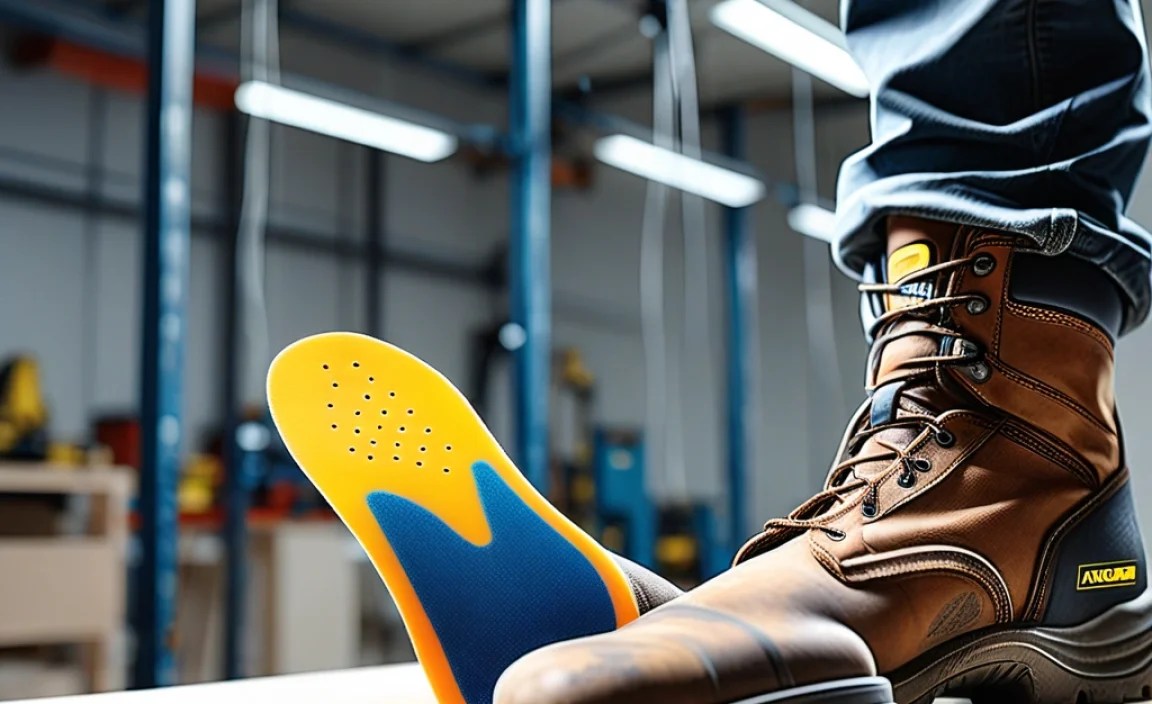
Choosing the right insoles can be a bit of a personal journey. What works wonders for one person might not be ideal for another. Here’s a step-by-step guide to help you navigate the selection process:
Step 1: Assess Your Foot Type
Understanding your arch type is the first step. You can do this by performing the “wet test”:
- Wet the soles of your feet.
- Step onto a piece of paper or cardboard.
- Examine the imprint left behind.
- Normal Arch: You’ll see about half of your arch imprint.
- Flat Arch (Low Arch): You’ll see most or all of your footprint, with little to no curve inward.
- High Arch: You’ll see a very thin imprint of your arch, or maybe just your heel and the ball of your foot touching.
Knowing this helps you pick insoles designed for your arch. Flat arches often need more support to prevent overpronation, while high arches typically benefit from extra cushioning and shock absorption.
Step 2: Identify Your Primary Concern
What is the main reason you need new insoles? Are you experiencing:
- General foot fatigue and soreness?
- Specific pain points (e.g., heel pain, arch pain)?
- Discomfort from standing on concrete all day?
- Issues with foot odor or excessive sweat?
Addressing your primary concern will help narrow down the type of insole best suited for you. For example, if fatigue is the main issue, focus on cushioning and energy-return properties.
Step 3: Read Reviews and Compare Products
Once you have an idea of what you need, dive into product reviews. Look for reviews from people who have similar jobs or foot types. Websites dedicated to footwear and foot health often have in-depth comparisons. Pay attention to comments about durability, comfort during long shifts, and customer service.
Step 4: Consider the Fit Within Your Boots
Insoles should complement your existing boots, not make them too tight. If you have boots with removable insoles, measure the depth of the space. Some insoles are thicker than others. If your boots are already snug, you might opt for a lower-profile, thinner insole.
Step 5: Don’t Be Afraid to Try Different Brands
What works for one person may not work for you. It’s sometimes necessary to try a couple of different brands or models before finding your perfect match. Many reputable brands offer satisfaction guarantees, making it easier to return insoles that don’t meet your expectations.
Step-by-Step Guide: Installing and Using Your New Insoles
Getting the most out of your new insoles involves a simple but important installation process. Follow these steps for optimal comfort and performance:
Step 1: Remove the Original Insoles
Most work boots come with a basic sock liner or insole glued or loosely placed inside. Carefully slide your hand into the boot and try to lift or peel out the original insole. If it feels stuck, use a thin, flat tool like a spatula or putty knife to gently pry it up, being careful not to damage the inside of your boot.
Step 2: Clean the Inside of Your Boots
Before inserting the new insoles, take a moment to clean the interior of your boots. Wipe away any dirt, dust, or debris that might have accumulated under the old insoles. This ensures a clean surface for the new insoles to sit on and prevents potential irritation from lodged particles.
Step 3: Prepare Your New Insoles
Many insoles are designed to be “trim-to-fit.” Lay your new insole flat on a table. Place one of the original boot insoles (or the boot itself if the original is unusable) on top of the new insole, lining up the heels and the overall shape. Use a pen or marker to trace the outline of the original insole onto the new one. If the original insole is significantly different in shape or size, carefully align the new insole within the boot and mark the length and width as needed.
Step 4: Trim the Insoles (If Necessary)
Using sharp scissors or a craft knife, carefully cut along the lines you traced. It’s often better to trim a little at a time and re-check the fit. You want the insole to fill the boot comfortably without bunching up at the sides or heel. Aim for a snug but not forced fit.
Step 5: Insert the New Insoles
Slide the trimmed insoles into your boots, making sure they are positioned correctly and lie flat. The heel of the insole should align with the heel of the boot, and the arch support should feel centered under your foot’s arch.
Step 6: Test the Fit and Comfort
Put on your boots with the new insoles. Walk around for a few minutes, paying attention to how they feel. Check for any rubbing, pressure points, or areas of discomfort. Make small adjustments if needed. It might take a day or two for your feet to fully adjust to the new support and cushioning.
Step 7: Break-In Period (If Necessary)
Some more supportive, rigid insoles might require a short break-in period. Wear them for a few hours at a time for the first few days. Gradually increase the wear time as your feet become accustomed to them. Most modern insoles offer immediate comfort, but it’s good to be patient if you notice initial stiffness.
Proper installation ensures that your insoles function as intended, providing maximum comfort and support throughout your workday. Remember to periodically check your insoles for wear and tear, and replace them as needed to maintain optimal benefits.
Top Insoles for Electricians: A Comparative Look
Finding the “best” insole is subjective, as foot types and preferences vary. However, several brands consistently receive high marks from professionals who demand comfort and durability in their work boots. Here’s a look at some popular and well-regarded options, highlighting their strengths:
| Insole Brand/Model | Key Features | Best For | Potential Drawbacks |
|---|---|---|---|
| Superfeet GREEN | Deep heel cup, medium arch support, carbon fiber stabilizing cap, durable construction. | Medium to high arches, general support and shock absorption. Good for long periods of standing. | Can be too firm for some; may require trimming for a perfect fit. |
| Powerstep Pinnacle | Semi-rigid arch support, cushioned top layer, VCT (Vibration Control Technology) for shock absorption. | Flat feet or low arches due to excellent correction; moderate to high arches needing more support. Good for preventing overpronation. | Can feel a bit rigid initially; may take a short break-in period. |
| Dr. Scholl’s Work Insoles | Designed for shock absorption and cushioning in work boots, often featuring gel pads or extra padding in key areas. | Reducing foot fatigue from standing on hard surfaces all day. Good for general comfort. | May not offer as much targeted arch support or corrective benefits as specialized orthotics. |
| OOFOS OOtherapy Insolence | Made with OOfoam technology for maximum shock absorption and support that cradles the foot. | Relief from foot and joint pain, plantar fasciitis. Excellent for recovery and reducing impact. | Can be very soft and high volume, potentially making boots feel slightly tighter; less rigid support. |
| SOLE Softec Response | Heat-moldable for a custom fit, excellent arch support, durable construction, moisture-wicking top layer. | Individuals seeking a custom-like fit, significant arch support needs, and long-term durability. Suitable for various arch types depending on molding. | Requires heat molding for optimal fit (can be done at home with a hairdryer or oven), which adds a step. |
When comparing, consider the material composition, the level of arch support offered, and whether the insole is designed for cushioning, support, or a balance of both. Reading specific electrician forums or work boot review sites can also provide insights into which insoles hold up best in demanding conditions.
Foot Health Tips for Electricians
Beyond choosing the right insoles, maintaining good foot health is crucial for electricians. Your feet carry you through demanding tasks, and a little extra care can go a long way.
1. Proper Boot Care
Keep your work boots clean and dry. Moisture can lead to fungal infections and odor. If your boots get wet, remove the insoles and allow them to air dry completely. Consider using boot dryers or cedar shoe trees to absorb internal moisture and odor.
2. Daily Stretching
Before or after a long day, spend a few minutes stretching your feet and calves. Simple exercises like pointing and flexing your toes, rolling your ankles, and calf stretches can improve flexibility and reduce muscle tension.
Calf Stretch Example:
- Stand facing a wall, about arm’s length away.
- Place your hands on the wall for support.
- Step one foot back, keeping that leg straight and heel on the floor.
- Bend your front knee and lean gently into the stretch until you feel it in your back calf.
- Hold for 30 seconds, then switch legs.
3. Foot Hygiene
Wash your feet daily with soap and water, and dry them thoroughly, especially between the toes. This helps prevent athlete’s foot and other common fungal infections. If you experience excessive sweating, consider using foot powders or antiperspirants.
4. Gradual Acclimation
If you’re introducing significantly different insoles or new boots, give your feet time to adjust. Wear them for shorter periods initially and gradually increase the duration. This helps prevent blisters and undue stress on your feet.
5. Listen to Your Feet
Don’t ignore persistent pain or discomfort. If pain continues despite using good insoles and practicing good foot care, consult a healthcare professional. Issues like hammer toes, bunions, or more significant biomechanical problems may require specialized medical attention or custom orthotics.
6. Stay Hydrated and Eat Well
Overall health impacts foot health. Staying hydrated and maintaining a balanced diet supports healthy tissues and can aid in recovery from physical exertion.
Implementing these simple routines alongside using quality insoles can significantly enhance your comfort and protect your feet from the rigors of your profession. For more information on workplace safety and ergonomic considerations for tradespeople, resources like the Occupational Safety and Health Administration (OSHA) offer valuable guidance on preventing work-related injuries.
