Insoles for duathlon runners provide crucial arch support, shock absorption, and cushioning to reduce injury risk and enhance performance across both running and cycling disciplines. They stabilize the foot, improve alignment, and offer personalized comfort, making them an essential gear upgrade for any duathlete serious about their sport.
Insoles for Duathlon Runners: Essential Support Revealed

The demands of a duathlon – a grueling race combining running, cycling, and running again – put unique stress on your feet and legs. Between the impact of pounding the pavement and the pressure of pedaling, it’s easy for foot discomfort and even injuries to crop up. But what if a simple change could make a world of difference? That’s where insoles come in. They’re not just for people with sore feet; they’re a game-changer for athletes like you, helping you stay comfortable, strong, and injury-free through every leg of your race.
Many athletes overlook the power of what’s inside their shoes. But the right insoles can transform your experience, offering targeted support exactly where you need it. From the shock absorption during your runs to the stability needed for efficient cycling, insoles are your secret weapon. Let’s dive into why they are so important for duathlon runners and how to choose the best ones for your unique needs.
Why Insoles are a Duathlete’s Best Friend

Duathlon is a sport of endurance and versatility. Your feet work incredibly hard during both running and cycling, and they work differently in each phase. Insoles are designed to enhance the performance and comfort of your footwear, providing benefits that directly address the challenges faced by duathletes:
- Shock Absorption: Running creates significant impact forces that travel up your legs. Good insoles act as a built-in shock absorber, reducing this impact on your joints, muscles, and bones. This is vital for preventing common running injuries like shin splints and stress fractures.
- Arch Support: The arch of your foot is a natural shock absorber and provides stability. However, for many people, the arch needs additional support. Insoles offer customized arch support, helping to distribute pressure evenly and prevent conditions like plantar fasciitis, which can be aggravated by the repetitive motion of running and the sustained pressure of cycling stances.
- Heel Stability: A stable heel is crucial for efficient biomechanics in both running and cycling. Insoles can provide a cupped heel design that cradles the heel, preventing excessive pronation (rolling inward) or supination (rolling outward), which can lead to knee and hip pain.
- Alignment and Posture: Proper foot alignment is key to achieving good posture and efficient movement. Insoles help correct subtle misalignments in the foot and ankle, which can cascade up the kinetic chain, improving overall body mechanics during both disciplines.
- Comfort and Reduced Fatigue: By providing cushioning and support, insoles can significantly reduce foot fatigue, allowing you to train harder and race longer. Less discomfort means more focus on your performance.
- Transition Support: The quick transitions between running and cycling in a duathlon can shock your body. Well-supported feet from the right insoles can make this transition smoother and less jarring.
Understanding Insole Types for Duathletes
Not all insoles are created equal, and the best choice for a duathlete depends on their specific foot type, biomechanics, and sport needs. Generally, insoles fall into a few main categories:
1. Cushioning Insoles

These are designed primarily to provide soft padding and shock absorption. They are often made from materials like foam, gel, or air pockets. Cushioning insoles are great for athletes who need extra comfort and impact protection, especially if they have bony feet or are sensitive to hard surfaces.
- Pros: Excellent shock absorption, enhanced comfort, can reduce impact on joints.
- Cons: May offer less structural support, can sometimes be too soft and reduce energy return.
- Best for: Runners with neutral arches, those who feel the impact of hard surfaces, or individuals seeking maximum comfort during long events.
2. Supportive (Orthotic) Insoles
These insoles are designed to provide more structured support, particularly for the arch and heel. They often have a firmer construction and a more anatomically shaped design to control foot motion and correct biomechanical issues like overpronation or supination. They can be over-the-counter (OTC) or custom-made.
- Pros: Improve foot alignment, control motion, provide excellent arch and heel support, can help prevent injuries related to poor biomechanics.
- Cons: Can be firmer and require an adjustment period, might feel less “cushy” than dedicated cushioning insoles.
- Best for: Athletes with flat feet (overpronators), high arches (can be supinators), or those experiencing foot pain due to biomechanical issues.
3. Combination Insoles
As the name suggests, these insoles aim to blend the benefits of both cushioning and support. They typically feature a supportive structure with added cushioning materials. This category offers a balanced approach, providing both shock absorption and stability.
- Pros: Offers a good balance of comfort cushioning and biomechanical support.
- Cons: May not cater to extreme foot needs as effectively as specialized insoles.
- Best for: Most athletes looking for an all-around improvement in comfort and support without having to choose between cushioning and stability.
Key Features to Look for in Duathlon Insoles

When selecting insoles specifically for duathlon, consider these features to ensure they meet the unique demands of the sport:
- Firm Arch Support: Essential for maintaining foot alignment during both the repetitive impact of running and the sustained pressure of cycling. Look for insoles that match your arch height and type (e.g., low, medium, high). You can identify your arch type by doing a “wet test” – wet your feet, step on a piece of paper, and examine the imprint. A full imprint means flat feet; a very thin line suggests a high arch.
- Deep Heel Cup: A well-defined heel cup helps lock your heel in place, providing stability and reducing the risk of blisters and slippage during quick transitions or on uneven terrain.
- Durable Materials: Duathlon insoles will face a lot of wear and tear. Opt for materials that are resilient and retain their supportive properties over time, such as high-density EVA foam, cork, or even carbon fiber for advanced support.
- Moisture-Wicking Topsheet: Keeping your feet dry is crucial to prevent blisters and discomfort, especially during long training sessions or races. A good topsheet will help manage sweat and reduce friction.
- Flexibility vs. Rigidity: While some support is needed, certain flexibility allows the foot to move naturally. For running, a bit more flexibility might be beneficial, whereas cycling may benefit from a slightly stiffer insole for maximal power transfer. Many insoles strike a balance.
- Thickness: Consider the available space in your running shoes and cycling shoes. Some insoles are thicker and add more cushioning, while others are very low-profile. You don’t want an insole that makes your shoes too tight, as this can cause discomfort and restrict blood flow.
How to Choose the Right Insole: A Step-by-Step Guide

Selecting the perfect insole doesn’t have to be overwhelming. Follow these steps to make an informed decision:
Step 1: Assess Your Foot Type and Needs

As mentioned, the “wet test” can reveal your arch type. Beyond that, consider:
- Do you have any existing foot pain? (e.g., plantar fasciitis, heel spurs, shin splints)
- Do your feet tend to roll inwards (overpronation) or outwards (supination)?
- What is your typical training volume and intensity?
- What kind of shoes do you currently use? (Consider the space and support they offer.)
Step 2: Determine Your Support Level
Based on your assessment:
- Neutral Arches/No Pain: Start with neutral support or mild cushioning insoles.
- Flat Feet/Overpronation: You’ll likely need firm, structured support with good arch contouring to control pronation.
- High Arches/Supination: Look for insoles with softer cushioning to absorb shock and a flexible support structure that doesn’t over-correct.
- Specific Pain (e.g., Plantar Fasciitis): Seek insoles with strong heel cupping and robust arch support. Many specialized insoles target conditions like plantar fasciitis.
Step 3: Consider Material and Construction

Think about the balance between cushioning and support. For duathlon, a common recommendation is a combination insole or a supportive insole with moderate cushioning. Materials like semi-rigid plastic or composite at the base provide structure, while foam or gel layers add comfort. For high-performance athletes, carbon fiber plates can offer rigidity and energy return but are typically more expensive.
Step 4: Try Them On (If Possible) and Read Reviews

If you can, try insoles in your actual running or cycling shoes at a specialty running store. Pay attention to how they feel – no pinching, excessive pressure, or slipping. For online purchases, scour reviews from other athletes, especially those who participate in multi-sport events. Look for comments on durability, support during impact, and comfort across different activities.
Step 5: Gradual Introduction
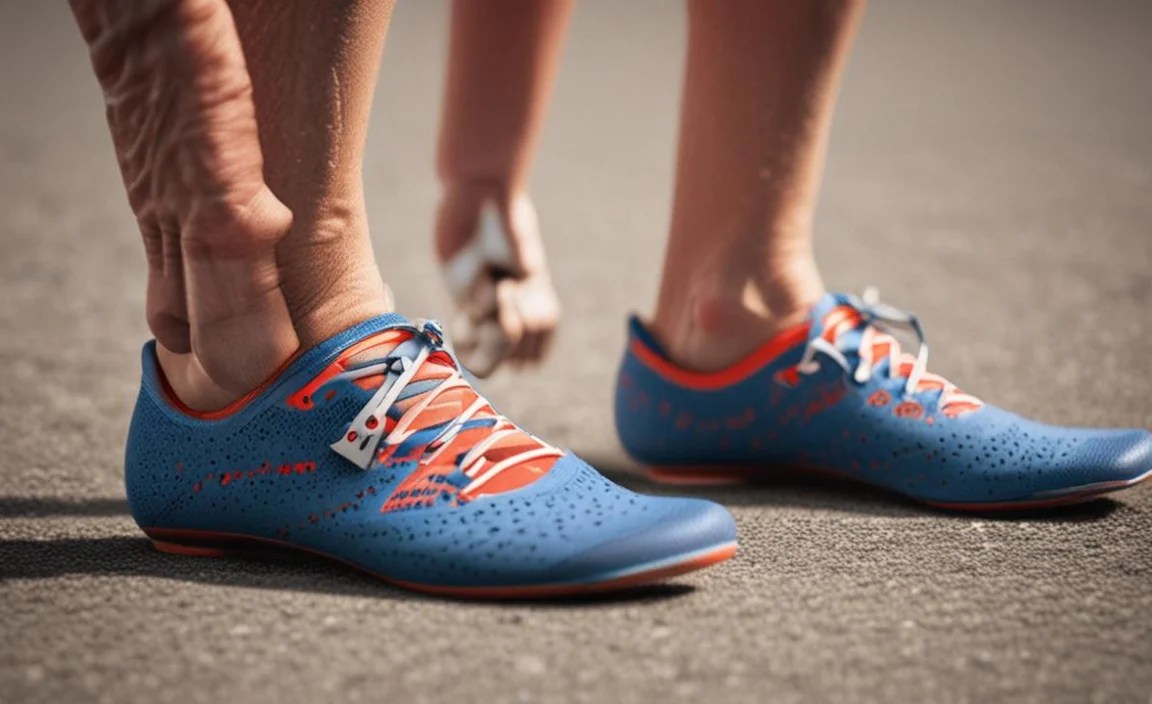
Once you have your new insoles, don’t just jump into a long race. Start by wearing them for short periods during easy training sessions. Gradually increase the duration of wear. This allows your feet and body to adapt to the new support and cushioning, minimizing the risk of discomfort or new aches.
Insoles for Running vs. Cycling in a Duathlon

It’s worth noting that the demands on insoles differ slightly between running and cycling:
- Running: Requires significant shock absorption to mitigate the repetitive impact. Arch support is crucial for maintaining alignment and preventing fatigue over distance.
- Cycling: While there’s less impact, prolonged static positioning in cycling shoes can lead to pressure points and fatigue. Insoles can improve stability for efficient power transfer and provide cushioning against vibrations from the road. A slightly firmer insole might be preferred for direct power transfer.
The beauty of a good duathlon insole is that it aims to provide the best of both worlds – sufficient cushioning for the run and stable support for the bike. Many modern insoles achieve this balance effectively.
Top Features of High-Quality Insoles for Athletes

Here’s a breakdown of what makes an insole stand out for athletic use:
| Feature | Benefit for Duathletes | Example Materials |
|---|---|---|
| Dynamic Arch Support | Adapts to foot flexion during running and pedaling, providing consistent biomechanical control. | Semi-rigid composites, flexible plastics. |
| Targeted Cushioning Zones | Absorbs shock in high-impact areas (heel, forefoot) while maintaining responsiveness. | EVA foam, PU (polyurethane), gel inserts. |
| Heel Stabilization | Prevents excessive pronation/supination, crucial for consistent stride and pedal stroke. | Deep heel cups, lateral heel support. |
| Breathable Topsheet | Manages moisture, reduces friction and heat buildup, leading to increased comfort. | Microfiber, specialized synthetic fabrics. |
| Durability and Resilience | Maintains supportive properties through countless miles of running and cycling. | High-density EVA, carbon fiber, quality PU foams. |
For a deeper dive into foot health and the science behind supportive footwear, resources like the American Podiatric Medical Association (APMA) provide excellent consumer information and sometimes offer guidance on choosing footwear and orthotics.
Common Insole Mistakes to Avoid
Even with the best intentions, athletes can make a few slips when choosing or using insoles. Steer clear of these common pitfalls:
- Buying based solely on price: The cheapest insoles often lack durability and proper support, leading to wasted money and potential injury. Invest in quality for long-term benefits.
- Assuming “one-size-fits-all”: Feet are unique. What works for one person might not work for another, even with similar arch types. Personal needs and shoe fit are paramount.
- Ignoring shoe limitations: You can’t “fix” a fundamentally flawed shoe with an insole alone. Ensure your shoes are appropriate for duathlon in the first place.
- Not replacing worn-out insoles: Insoles, like shoes, have a lifespan. Over time, they lose their cushioning and support. As a general rule, replace insoles every 6–12 months, or sooner if you notice reduced comfort or support.
- Skipping the break-in period: Jumping into a race or intense workout with brand new insoles without a gradual adaptation period can lead to discomfort or even new strains.
Introducing Your Next Pair of Soles: Next Steps

Ready to experience the difference that quality insoles can make for your duathlon training and racing? Here’s how to move forward:
- Self-Assessment: Revisit your foot type, any previous injuries, and your primary concerns.
- Research Brands: Explore reputable brands known for athletic insoles. Look for those that offer specific models for running, cycling, or multi-sport.
- Visit a Specialist Store: If possible, visit a local running or outdoor gear store. Their staff can often provide recommendations and even allow you to test insoles.
- Read Detailed Reviews: Look for in-depth reviews that discuss durability, support, comfort during activity, and suitability for different sports like running and cycling.
- Make the Purchase: Choose insoles that best match your assessment and research.
- Acclimate Properly: Follow the advice on gradual introduction to give your feet ample time to adjust.
FAQ: Your Insole Questions Answered
Q1: How do I know if I need insoles for duathlon?

If you experience foot pain during or after running or cycling, notice your feet rolling inwards excessively, have flat feet or high arches, or just want to improve comfort and prevent future injuries, insoles are likely a beneficial addition to your gear.
Q2: Can insoles help with shin splints or plantar fasciitis in duathlon?

Yes, absolutely. Insoles can provide crucial shock absorption to reduce the impact causing shin splints and offer the necessary arch and heel support to alleviate pressure on the plantar fascia, helping to prevent and manage these common conditions.
Q3: How often should duathletes replace their insoles?

Insoles don’t last forever. For active individuals like duathletes, it’s generally recommended to replace insoles every 6 to 12 months, or sooner if you notice they have lost their cushioning, support, or you start experiencing new discomfort.
Q4: Can I use the same insoles for my running shoes and cycling shoes?

Often, yes. Many high-quality insoles are designed to work well for both activities. However, the fit within cycling shoes can be more precise. Ensure the insole doesn’t make your cycling shoes too tight, as this can cause hot spots or restrict circulation. Some athletes may prefer a slightly different profile for each shoe.
Q5: Are custom orthotics better than over-the-counter (OTC) insoles for duathlon?

Custom orthotics are tailor-made to your specific foot mechanics and can offer superior correction for complex biomechanical issues. However, good quality OTC insoles provide excellent support and cushioning and are a more affordable starting point for many athletes. If OTC insoles don’t resolve your issues, consulting a podiatrist for custom options is a wise next step.
Q6: Will insoles make me faster in a duathlon?

Insoles don’t directly increase speed, but by reducing fatigue, increasing comfort, and improving biomechanics, they allow you to train more effectively and perform better for longer without pain. This can indirectly lead to improved performance and faster finish times.
Conclusion: Step Up Your Duathlon Game with Smarter Support
The journey through a duathlon demands a lot from your body, and your feet are at the frontline of every stride and pedal stroke. Equipping yourself with the right insoles is not just about comfort; it’s a fundamental investment in your performance, your resilience, and your long-term health as an athlete. By understanding the unique needs of duathlon, identifying your own foot type, and carefully selecting insoles that offer the right balance of cushioning, support, and durability, you can significantly enhance your training cycles and race day experience.
Don’t let foot fatigue or discomfort hold you back from achieving your duathlon goals. With the detailed insights and practical advice shared here, you’re now well-equipped to find.
