Quick Summary: For drywall installers, the best insoles provide crucial shock absorption and support to combat long hours on hard floors, reducing foot fatigue and preventing injuries. Look for durable, cushioned options with arch support tailored to your foot type for maximum comfort and performance on the job.
Insoles for Drywall Installers: Essential Comfort for Tough Jobs

Spending your workday on concrete floors, bending, lifting, and constantly on your feet can take a serious toll on your feet. If you’re a drywall installer, you know the drill – the aches, the fatigue, the throbbing soles at the end of a long shift. It’s a demanding job that requires durability, precision, and importantly, well-supported feet. But what if a simple solution could make a huge difference in your daily comfort and long-term foot health? That’s where the right insoles come in. They’re not just a comfy addition to your boots; they’re an essential tool to help you stay on top of your game.
In this guide, we’ll walk through why insoles are a game-changer for drywall installers, what features to look for, how to choose the best ones for your specific needs, and how to use them effectively. Get ready to transform your workday from a painful grind into a more comfortable, supported experience.
Why Insoles are a Drywall Installer’s Best Friend

Drywall installation is an athletic feat in disguise. You’re on your feet for hours, often on hard, unforgiving surfaces like concrete. This constant impact can lead to a cascade of foot problems, including plantar fasciitis, heel spurs, arch pain, and general fatigue. Standard work boots, while protective, often lack the specific cushioning and support needed to counteract this daily stress.
This is precisely where insoles shine. They act as an essential buffer between your feet and the harsh environment, absorbing shock, redistributing pressure, and providing vital arch support. Think of them as an upgrade for your work boots, specifically designed to address the unique challenges faced by tradespeople.
The Impact of Standing and Walking on Hard Surfaces
Concrete floors are unforgiving. Every step you take sends a shockwave up your leg, and over time, this repetitive impact can break down the cushioning in your feet and lead to inflammation. For drywall installers, who are often on their feet for 8-10 hours a day, this can be a recipe for chronic pain and injury. Insoles are engineered to disperse this impact, lessening the force on your joints and the soft tissues of your feet.
Reducing Foot Fatigue and Discomfort
When your feet are properly supported, they work more efficiently. Insoles help to align your feet and ankles, reducing unnecessary strain on muscles and ligaments. This means less fatigue, less soreness, and more energy to get through your busy workday. Instead of counting down the minutes until you can kick off your boots, you can find sustained comfort throughout your shift.
Preventing Long-Term Foot and Joint Problems
The cumulative effect of standing on hard surfaces without adequate support can lead to serious, long-term issues. Conditions like plantar fasciitis, Achilles tendonitis, and even back pain can be exacerbated or even caused by poor foot mechanics and lack of support. Investing in good insoles is an investment in your long-term health, helping to prevent these painful conditions from developing.
Key Features to Look for in Insoles for Drywall Installers

Not all insoles are created equal, especially when it comes to the demands of a trade like drywall installation. Here’s what you should prioritize:
1. Superior Shock Absorption
This is arguably the most critical feature. Look for insoles made from materials that excel at absorbing impact, such as:
- EVA (Ethylene Vinyl Acetate): A common, lightweight, and highly shock-absorbent foam.
- Polyurethane: Denser and more durable than EVA, offering excellent long-term cushioning and support.
- Gel Inserts: Often found in targeted heel or forefoot areas, providing extra cushioning where impact is greatest.
- Composite Materials: Some high-performance insoles use a blend of materials to optimize cushioning and durability.
2. Robust Arch Support
Your arch acts as a natural shock absorber. If it collapses or is unsupported, it can lead to a host of problems. Insoles come with different levels of arch support:
- Neutral Support: For individuals with a normal arch height.
- High Arch Support: Designed for those with very high arches, providing extra lift and stability.
- Low Arch / Flat Foot Support: For individuals with fallen arches or flat feet, offering a more structured cradle to support the arch.
Knowing your foot type is crucial for choosing the right arch support. You can usually tell by doing a “wet test” – wet your foot, step on a piece of paper, and examine the imprint. A full imprint means flat feet, a very thin imprint means high arches, and a normal imprint is somewhere in between.
3. Durability and Longevity
Your insoles will be subjected to a lot of wear and tear. They need to be tough enough to last. Materials like polyurethane and denser foams generally offer better durability. Look for insoles with reinforced heel cups and sturdy construction that won’t break down quickly under pressure.
4. Proper Fit and Size
Insoles should fit snugly within your work boots without being too tight or too loose. They are usually designed to be Trimmable, so you can cut them to match the exact shape and size of your boot’s interior. Pay attention to the sizing guide provided by the manufacturer.
5. Breathability and Moisture-Wicking
Working hard means sweating. Insoles with breathable materials and moisture-wicking top layers can help keep your feet dry and comfortable, reducing the risk of blisters and odor.
6. Heel Cup Depth
A deep heel cup helps to stabilize the heel, preventing it from rolling inward or outward and improving overall foot alignment. This is especially important for those who tend to overpronate (roll inward) or supinate (roll outward).
Choosing the Right Insoles: A Step-by-Step Approach

Selecting the perfect insoles can seem overwhelming with so many options. Here’s a simplified process:
Step 1: Understand Your Foot Type and Needs
As mentioned, knowing your arch height is a great starting point. Do you have flat feet, high arches, or neutral arches? Also, consider if you experience specific pain points, like heel pain or ball-of-foot pain.
Step 2: Consider the Type of Support You Need
- If you have very flat feet or pronate significantly, look for insoles with strong, structured arch support and pronation control.
- If you have high arches and supinate, you might need more cushioning and flexibility, as your feet don’t absorb shock as well.
- For neutral arches, a balance of cushioning and support is usually best.
Step 3: Evaluate Material and Cushioning
For drywallers, prioritizing cushioning and shock absorption is key. Polyurethane and high-density EVA foams are excellent choices. If specific pain points are an issue, look for insoles with targeted gel or foam padding.
Step 4: Read Reviews from Fellow Tradespeople
Genuine user reviews can be invaluable. Look for feedback from individuals in similar professions who have tested the insoles in demanding work environments. Websites like SoleReview offer in-depth comparisons, and many retail sites have customer reviews.
Step 5: Try Them Out (If Possible)
Many retailers offer a trial period or easy returns. If you can, try them on with your work socks and boots to ensure a comfortable fit and feel before committing.
Top Types of Insoles for Drywall Installers

Here’s a breakdown of the most beneficial types of insoles for your profession:
1. All-Around Cushioning Insoles
These are great for general comfort and shock absorption. They typically feature a soft foam or gel layer throughout the insole. They’re a good starting point if you don’t have severe foot issues but want to improve daily comfort.
Pros: widely available, affordable, good for general fatigue reduction.
Cons: May lack targeted support for specific conditions.
2. Supportive/Orthotic Insoles
These insoles are designed with a more rigid structure to provide significant arch support and correct foot biomechanics. They can be incredibly beneficial for conditions like plantar fasciitis or overpronation.
Pros: Excellent for addressing specific foot problems, improved alignment, long-term pain relief.
Cons: Can be more expensive, may require a break-in period, might feel too stiff for some.
3. Heavy-Duty/Work Boot Insoles
Specifically designed for the rough and tumble of work boots, these insoles are built for extreme durability and support. They often have reinforced heels and denser cushioning.
Pros: Built to last in tough conditions, robust cushioning and support for work boots.
Cons: Can be bulkier, may reduce the available space inside your boots.
4. Gel Insoles
These insoles incorporate gel pads, usually in the heel and/or forefoot, to provide targeted shock absorption. They can be very effective for impact-related pain.
Pros: Excellent targeted cushioning, good for shock absorption.
Cons: Gel can sometimes shift, may not provide enough overall arch support on its own.
Recommended Insoles for Drywall Pros (Examples)
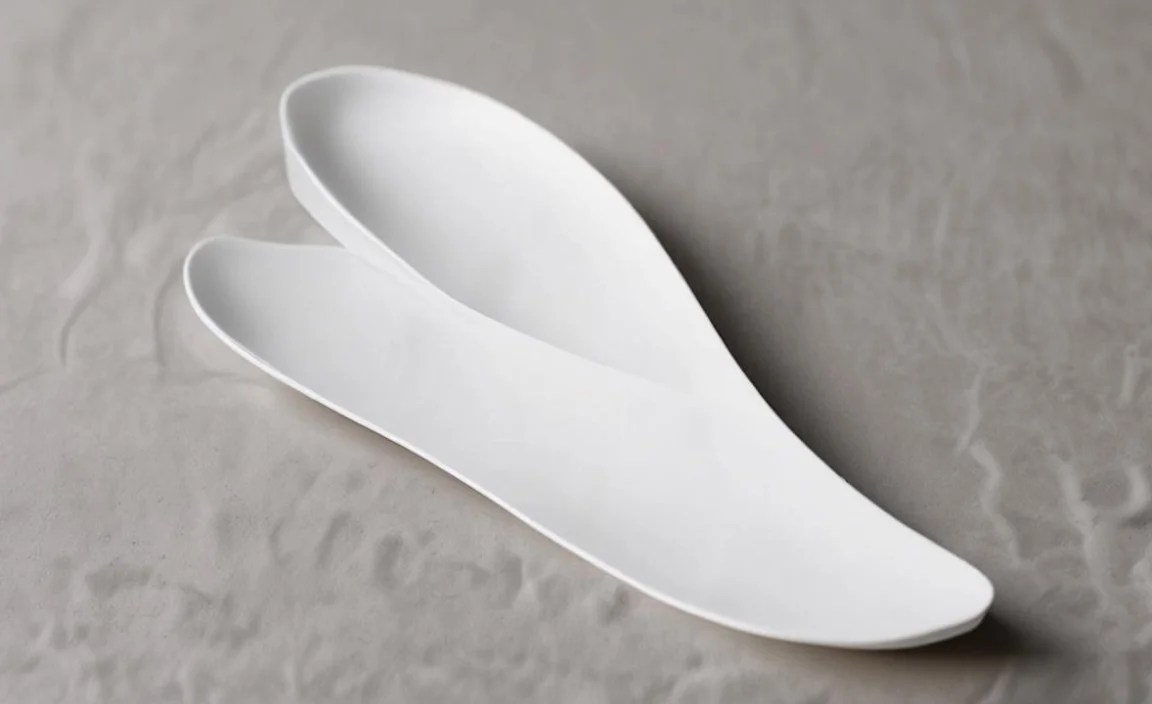
While specific recommendations can vary based on individual needs, here are a few types and brands often praised by people in demanding trades. Always check current models and reviews for the latest versions.
| Insole Type | Key Features for Drywallers | Best For | Considerations |
|---|---|---|---|
| Superfeet Orange 3/Work+ (or similar heavy-duty models) |
Deep heel cup, firm dynamic arch support, durable construction. Designed for work boots. | Moderate to high arches, general support, long-term durability. | Can be on the firmer side, may require trimming. |
| Powerstep Pinnacle (or similar full-length orthotics) |
Semi-rigid arch support, robust cushioning, podiatrist-designed. | Flat feet, overpronation, plantar fasciitis, all-day comfort. | May feel a bit strong initially, important to get the right size. |
| Spenco Total Support (or similar for motion control) |
Silicone forefoot pad, deep heel cup, advanced stability system. | Excessive pronation, foot fatigue, targeting ball-of-foot pain. | Can be a bit thicker, good for wider boots. |
| OOFOS OOahhh Slide (or recovery footwear) | Proprietary foam for exceptional shock absorption and arch support. | Recovery after work, relaxation, providing relief at home. | Not for wear inside work boots, but essential for foot health post-work. |
It’s worth noting that some of the best support can come from insoles designed with advanced materials. For example, companies like Dutch Compounds are known for developing high-performance polymer materials that offer a unique blend of cushioning and resilience, which are often incorporated into premium insoles.
How to Use and Care for Your Insoles
Getting the right insoles is only half the battle; using and caring for them properly ensures they deliver maximum benefit and longevity.
1. Trimming for the Perfect Fit
Most insoles are designed to be trimmed. Here’s a simple way to do it:
- Remove the original insole from your work boot.
- Place the new insole on top of the old one, aligning the heels.
- Trace the outline of the old insole onto the new one. For a snugger fit, you might trace slightly inside the heel and ball of the foot lines.
- Use sharp scissors or a craft knife to carefully cut along your traced line.
- Test the fit in your boot. If it’s too tight, you can trim a little more.
2. Breaking Them In
Especially with more supportive or orthotic insoles, a break-in period is often recommended. Start by wearing them for a few hours each day and gradually increase the duration.
- Day 1-3: Wear for 2-4 hours at a time.
- Day 4-7: Wear for 4-6 hours at a time.
- Week 2 onwards: Wear as normal.
Listen to your body. If you experience any sharp pain, reduce wear time. Mild discomfort or a feeling of your foot adapting is normal.
3. Daily Care and Cleaning
To keep your insoles fresh and effective:
- Remove them from your boots at the end of each day to allow them to air out. This helps prevent moisture buildup and odor.
- If they get dirty, clean them with mild soap and cool water. Do NOT put them in a washing machine or a dryer, as this can damage the materials.
- Gently squeeze out excess water and let them air dry completely before putting them back in your boots.
4. When to Replace Your Insoles
Insoles don’t last forever. You’ll know it’s time for a replacement when:
- The cushioning feels significantly diminished.
- Visible signs of wear and tear, such as thinning, cracking, or flattening.
- Your foot pain or fatigue returns despite using the insoles.
Generally, insoles last anywhere from 6 to 12 months, depending on the quality, how often you wear them, and the intensity of your work. For drywall installers, aiming for a replacement every 6-9 months would be a good estimate.
Common Foot Problems for Drywall Installers and How Insoles Help
Let’s look at some specific issues drywallers face and how the right insoles can make a difference:
Plantar Fasciitis
What it is: Inflammation of the plantar fascia, a thick band of tissue running across the bottom of your foot, connecting your heel bone to your toes. It causes sharp heel pain, especially in the morning.
How insoles help: Supportive insoles with good arch support can help redistribute pressure away from the inflamed band. Cushioning insoles absorb shock that aggravates the condition. Orthotic insoles can help control pronation, a common contributor to plantar fasciitis.
Heel Spurs
What it is: A bony growth on the heel bone, often associated with prolonged, repetitive strain on the plantar fascia. Pain is usually felt at the point of the spur.
How insoles help: Deep heel cups and excellent shock absorption are crucial. Gel or foam pads in the heel can provide direct cushioning over the painful area. Support that helps to align the foot properly can reduce the strain that leads to spur formation.
Metatarsalgia (Ball of Foot Pain)
What it is: Pain and inflammation in the ball of your foot, often caused by excessive pressure or impact.
How insoles help: Insoles with cushioning and light support in the forefoot can help. Some insoles also feature a slight upward curve (rocker bottom effect) that reduces pressure on the ball of the foot during walking.
Arch Strain and Fatigue
What it is: Aching and tiredness in the arch of the foot, often due to overexertion, poor footwear, or structural issues with the arch.
How insoles help: This is where arch support is paramount. Whether you have high arches that need lifting or low arches that need support and structure, the right insole can significantly reduce strain and fatigue.
General Foot Fatigue
What it is: A pervasive feeling of tiredness and soreness in your feet, often after long hours of standing and walking on hard surfaces.
How insoles help: Simply put, good cushioning and support reduce the workload on your feet. By absorbing shock and promoting better alignment, insoles allow your foot muscles and ligaments to work more efficiently, leading to less fatigue throughout the day.
