Insoles for drummers pedal comfort are truly essential for reducing fatigue, improving foot support, and enhancing overall playing performance. They cushion impact, correct alignment, and provide a stable base, making long drumming sessions far more enjoyable and pain-free.
Hey drummers! Do your feet ever feel achy or tired after a long jam session? You’re not alone. Many drummers experience discomfort in their feet and ankles from the repetitive motion of the bass drum pedal. It’s a common problem, but thankfully, there’s a simple and effective solution. Insoles can make a world of difference, turning those painful gigs into comfortable performances. Stick around, and I’ll show you exactly why and how insoles can become your new best friend behind the kit.
Why Your Drumming Feet Need Extra Support
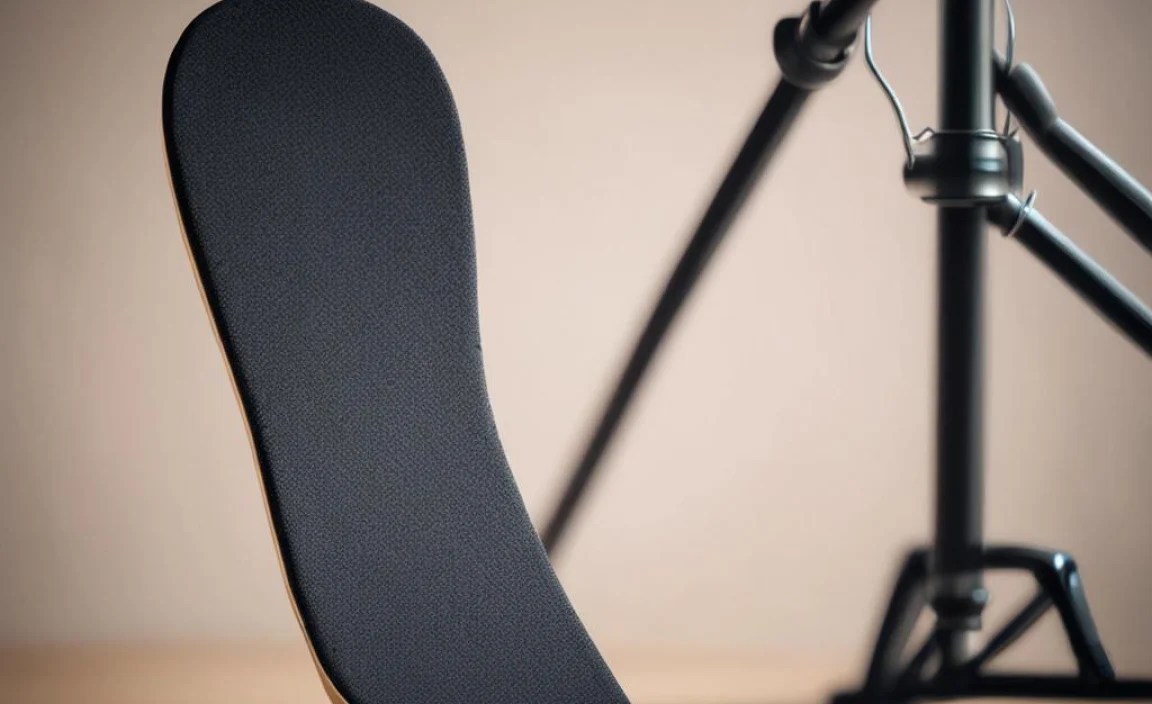
Playing the drums is a physically demanding art form. While we often focus on our hands and arms, our feet are working just as hard, if not harder, especially the foot that operates the bass drum pedal. The constant pressure, impact, and precise movements can lead to a variety of issues if your feet aren’t properly supported.
The Repetitive Strain of the Bass Drum Pedal
Think about it: every beat from your bass drum involves a repeated action of your foot and ankle. This can lead to:
- Fatigue: Muscles in your feet and calves get tired quickly.
- Pain: This can manifest as arch pain, heel pain, or general soreness.
- Joint Stress: Ankles and even knees can feel the strain.
- Plantar Fasciitis: A common condition causing heel pain.
- Achilles Tendinitis: Inflammation of the tendon connecting your calf muscle to your heel bone.
These issues don’t just affect your comfort; they can impact your timing, endurance, and overall playing technique. If your feet are hurting, it’s hard to focus on the music!
How Insoles Come to the Rescue
Insoles, also known as shoe inserts, are designed to improve how your shoes fit and perform. For drummers, they offer targeted benefits that directly address the demands of pedal work:
Cushioning: Insoles absorb shock from the impact of the pedal, reducing stress on your feet and joints.
Arch Support: Proper arch support helps distribute pressure evenly across your foot, preventing strain and pain in the arch and heel.
Alignment: Some insoles help correct pronation (when your foot rolls inward) or supination (when your foot rolls outward), promoting better posture and reducing stress on your ankles, knees, and hips. For drummers, this can lead to a more stable and controlled pedal stroke.
Comfort: Simply put, the added padding and support make standing and playing for extended periods much more comfortable.
Understanding Insole Basics for Drummers

Not all insoles are created equal, and knowing what to look for is key to finding the perfect pair for your drumming needs. Let’s break down the essential features.
Types of Insoles
Insoles generally fall into a few categories based on their primary purpose:
- Cushioning Insoles: These are all about shock absorption and comfort. They’re often made of soft materials like foam or gel. Great for adding a plush feel to your shoes.
- Support Insoles (or Orthotic Insoles): These offer more structural support, designed to correct foot alignment and provide excellent arch support. They can be made of firmer materials like EVA (ethylene-vinyl acetate) or even have rigid components.
- Activity-Specific Insoles: Some insoles are designed for particular activities, like running or hiking. While not specifically for drummers, the principles of shock absorption and support can still apply.
Key Features to Look For
When seeking insoles for drumming, consider these factors:
- Material: Look for durable yet comfortable materials. EVA foam is a popular choice for its balance of cushioning and support. Gel offers excellent shock absorption but can sometimes feel less stable.
- Arch Support: This is crucial. You’ll want an insole that matches your arch height (flat, medium, or high). Many insoles offer medium support, but you can find options for different needs.
- Heel Cup: A well-defined heel cup helps to stabilize your foot and absorb impact directly from the heel.
- Thickness/Profile: Consider the space in your drum shoes. A thicker insole might make a snug shoe too tight, affecting your feel on the pedal. A lower-profile insole might be better for tighter-fitting shoes, while a slightly thicker one can offer more cushioning if space allows.
- Durability: Drumming is tough on gear. You want insoles that can withstand the constant pressure and movement without breaking down quickly.
Does Material Really Matter?
Yes, absolutely! The material directly impacts the feel and performance of the insole:
- Foam (EVA, Polyurethane): Offers a good mix of cushioning and support. EVA is lightweight and durable. Polyurethane is often denser and more supportive.
- Gel: Excellent for shock absorption, providing a “bouncy” feel. It can be great for high-impact activities, but some find it less supportive for prolonged standing.
- Cork: Naturally moldable and provides good arch support and some cushioning. It’s also moisture-wicking and durable.
- Composite Materials: Often a blend of foams, gels, and firmer plastics to provide targeted support and cushioning in different areas of the foot.
For drummers, a blend often works best – perhaps a firm base for support and a softer top layer for comfort. Think of it like a good drumhead: it needs both responsiveness and a pleasing tone.
Choosing the Right Insoles for Your Drumming Needs

Finding the perfect insole is a bit like choosing the right drumsticks – it’s personal and depends on your playing style and what feels best to you. Here’s a step-by-step guide to help you make an informed decision.
Step 1: Assess Your Current Foot Comfort
Before you even look at insoles, take a moment to understand what bothers you.:
- Where do you feel the most discomfort after playing? (Heels, arches, balls of your feet?)
- Do your feet feel flat or strained?
- Are your ankles or knees aching?
- How do your current drum shoes feel? Are they well-padded, supportive, or worn out?
Knowing this will help you narrow down the type of support and cushioning you need.
Step 2: Consider Your Drumming Style and Foot Type
Your playing style and foot mechanics play a big role:
- Heel-Down vs. Heel-Up: Heel-down players might experience more direct pounding on the sole. Heel-up players might put more stress on their ankles and calves.
- Foot Size and Shape: Do you have wide feet? Narrow feet? High arches? Flat feet?
- Weight: If you are heavier, you might need insoles that offer more robust support and cushioning to handle the extra pressure.
Step 3: Try Before You Buy (If Possible)
This is the ideal scenario if you can manage it. Many shoe stores or specialty stores that sell insoles allow you to try them on. Walk around in them, and if possible, simulate some drumming motions without your actual pedals. How do they feel?
Step 4: Understand Return Policies
If you can’t try them in person, check the return policy. Many online retailers offer generous return windows, allowing you to test insoles at home and send them back if they aren’t the right fit.
Step 5: Look for Drummer-Focused Reviews (or General Comfort Reviews)
While specific “drummer insole” reviews might be scarce, look for reviews from people who stand or walk for long periods, or those who experience similar foot pain. Many general comfort or work-boot insoles can be excellent for drummers.
Top Insoles for Drummers: A Comparison

To give you a head start, here are some types of insoles that are generally well-regarded for comfort and support. Remember, the “best” insole is subjective, but these are popular choices that tick many boxes for a drummer’s needs.
| Insole Type/Brand Example | Primary Benefit | Best For | Considerations for Drummers |
|---|---|---|---|
| Superfeet Green (or similar firm support) | Excellent arch support, structured stability | High arches, overpronation, need for rigid support | Provides very firm support; ensure it doesn’t feel too stiff for pedal feel. Good for long gigs where foot fatigue is a major issue. |
| Powerstep Pinnacle Plus (or similar semi-rigid support) | Good balance of support and cushioning, effective for plantar fasciitis | Medium arches, moderate pronation, heel pain | A great all-rounder. Offers significant support in the arch and heel without being overly rigid, which is good for maintaining pedal sensitivity. |
| Dr. Scholl’s Massaging Gel (or similar soft gel) | Maximum cushioning, shock absorption | General comfort, long periods of standing, light to moderate foot pain | Can be a bit too soft for some, potentially reducing pedal feel or stability. Good for those prioritizing plush comfort. |
| CurrexSole (e.g., ProSport) | Dynamic support based on foot type (low, med, high arch) | Anyone seeking customized support for their specific foot shape and movement pattern | Offers tailored support; choose the profile (e.g., Dynamic) that best suits your need for responsiveness versus cushioning. |
| Spenco Total Support | Multi-density cushioning, stabilizing heel cup | Flat feet, fallen arches, overall foot fatigue | Provides good stability and shock absorption, making it a solid choice for consistent comfort and support. |
When choosing, always check the specific features mentioned earlier like arch support type, heel cup depth, and material. If you have specific medical foot conditions like plantar fasciitis or flat feet, consulting with a podiatrist or physical therapist is highly recommended. They can offer personalized advice and even prescribe custom orthotics if necessary. For general comfort and preventative support, over-the-counter insoles are a fantastic starting point.
How to Use and Care for Your Drumming Insoles

Getting insoles is only half the battle; using and maintaining them properly is key to their longevity and effectiveness.
Inserting Insoles into Your Drum Shoes
This is usually straightforward:
- Remove Existing Insoles: Most shoes have removable insoles. Gently pull them out of your drum shoes. If they are glued in, you might need to carefully pry them loose, but most are designed to be easily removed.
- Place New Insoles: Position the new insoles inside your shoes. Make sure they lie flat and that the heel of the insole is snug against the back of the shoe.
- Check the Fit: Slide your foot into the shoe. The insole should feel centered, and your foot should feel comfortably seated. Ensure there are no wrinkles or bunching under your foot.
- Break Them In: Start by wearing the insoles for short periods. If you’re using supportive insoles, your feet might feel a bit different initially. Gradual use allows your feet to adjust.
If you’re using a new pair of shoes specifically for drumming setup, consider placing the insoles in before you even wear the shoes for a gig. This allows your feet to get accustomed to the new combination.
Maintenance for Longevity
Just like your drum gear, your insoles need a little TLC:
- Airing Out: After playing, remove your insoles from your shoes. This allows them to dry out properly, preventing odor and bacterial growth.
- Spot Cleaning: For minor dirt or sweat, use a damp cloth with mild soap. Gently wipe the surface and allow them to air dry completely. Avoid soaking them, as this can damage certain materials.
- Deep Cleaning (Infrequent): If they get particularly dirty, check the manufacturer’s instructions. Some can be hand-washed with cool water and mild soap. Always air dry. Never put insoles in a washing machine or dryer, as the heat and agitation can ruin them.
- Regular Inspection: Periodically check your insoles for signs of wear, such as thinning cushioning, flattened arch support, or tears.
When to Replace Your Insoles
Insoles don’t last forever. You’ll know it’s time for a new pair when:
- The cushioning feels less effective, and you start experiencing discomfort again.
- The arch support feels less pronounced or has collapsed.
- You notice significant wear and tear, like cracks or holes.
- Odors persist even after cleaning.
Generally, most over-the-counter insoles should be replaced every 6 to 12 months, depending on usage and material. For drummers who play frequently, it might be on the shorter end of that spectrum.
Beyond Insoles: Other Comfort Tips for Drummers

While insoles are a game-changer, they are part of a broader approach to foot health and comfort for drummers.!
Choosing the Right Drumming Shoes
The shoes you wear are the foundation. Look for:
- Comfortable Fit: Shoes that are too tight or too loose can cause issues.
- Good Support: Even without insoles, a shoe with decent arch support is beneficial.
- Flexibility: You need some flexibility to pivot your foot and operate the pedal smoothly.
- Breathability: Drumming can get intense, and breathable materials help keep your feet cool and dry.
- Durability: Shoes that can withstand scuffs and constant use from pedal work.
Some drummers opt for low-profile sneakers, comfortable skate shoes, or even minimalist athletic shoes. Many also find success with shoes designed for standing work, like certain types of work boots or casual shoes from brands like Blundstone. These often have durable soles and good underfoot support.
Warm-Up and Cool-Down Routines for Your Feet
Just like any athletic activity, preparing your feet is important:
- Warming Up: Before playing, do a few simple foot and ankle exercises. This could include:
- Ankle circles (clockwise and counter-clockwise)
- Foot flexes and extensions
- Toe curls and spreads
- Calf stretches
- Cooling Down: After playing, gentle stretching can help relieve muscle tension. A simple calf stretch or gently massaging your arches can feel great.
Simple exercises found on reputable health sites, such as those from the NHS, can be easily incorporated into your routine.
Proper Posture and Ergonomics
Your overall posture at the drum kit affects your feet:
- Drum Throne Height: Ensure your throne is set at a height that allows your thighs to be roughly parallel to the floor or slightly angled down. This position helps distribute weight evenly and reduces strain.
- Angle of Your Feet: Position your bass drum pedal and hi-hat pedal so your feet can rest on them comfortably without awkward angles in your ankles or knees.
- Body Alignment: Maintain a relaxed, upright posture. Avoid hunching over the kit, as this can create tension that travels down your legs to your feet.
Good ergonomics not only prevents foot pain but also improves your overall playing efficiency and stamina.
Frequently Asked Questions (FAQs)
Q1: Can any shoe benefit from insoles?
Yes, most shoes that have removable insoles can benefit from adding a better pair. This includes sneakers, boots, and even some dress shoes, although the type of insole you choose will depend on the shoe’s intended purpose and available space.
Q2: How long does it take to get used to new insoles?
It varies, but typically it takes a few days to a week to feel completely comfortable. Start by wearing them for short periods and gradually increase the duration. If you experience significant or persistent pain, they might not be the right type for you.
