Yes, insoles are essential for double shift comfort, providing vital cushioning, support, and pain relief to keep your feet happy and healthy through long hours.
Long hours on your feet can feel like an uphill battle for your foot health. Whether you’re working through a double shift at the hospital, a busy restaurant, or a demanding retail job, by the end of it, your feet might be sending out SOS signals. But what if there was a simple, accessible way to dramatically improve your comfort and reduce that end-of-shift ache? There is! It’s all about understanding how the right insoles can be your secret weapon for enduring those extended periods. We’ll walk you through everything you need to know to find insoles that make a world of difference.
Insoles for Double Shifts Comfort: Essential Gain

Working multiple shifts back-to-back is a reality for many, and the physical toll on your feet can be significant. Beyond mere fatigue, prolonged standing and walking can lead to a host of issues, from plantar fasciitis and heel spurs to general achiness and reduced mobility. This is where the right insoles step in, offering a customizable layer of support and comfort directly where you need it most. Think of them as an upgrade for your shoes, transforming them from ordinary footwear into specialized comfort zones designed to help you power through your day – and beyond.
Why Your Feet Need Extra Love During Double Shifts
Your feet are the unsung heroes of your day, carrying your entire body weight with every step. When you extend that workload, especially through double shifts, the demands on your feet skyrocket. Constant pressure, repetitive motion, and often, less-than-ideal footwear, can lead to:
- Fatigue and Soreness: Muscles and ligaments in your feet and ankles become overworked, leading to deep aches.
- Plantar Fasciitis: Inflammation of the band of tissue that connects your heel bone to your toes, causing sharp heel pain.
- Knee and Back Pain: Poor foot support can affect your entire body’s alignment, leading to pain further up the kinetic chain.
- Blisters and Calluses: Friction and pressure points can quickly develop, making each step a painful experience.
- Reduced Productivity: Foot pain is a significant distraction and can severely impact your focus and efficiency at work.
These aren’t just minor annoyances; they can impact your overall well-being and ability to perform your job effectively. Investing in insoles is an investment in your health and your livelihood.
Understanding Insole Basics: What’s Inside?
Insoles, also known as orthotics or shoe inserts, are designed to fit inside your shoes to provide cushioning, support, and alignment. They work by:
- Cushioning: Absorbing shock with every step, reducing impact on your joints and feet.
- Arch Support: Supporting your natural arch, whether it’s high, low, or neutral, to distribute pressure evenly.
- Heel Cupping: Stabilizing the heel to prevent excessive motion and provide a more secure fit, crucial for shock absorption.
- Alignment: Helping to correct subtle misalignments in your foot and ankle, which can prevent pain and injury.
The materials used in insoles vary widely, each offering different benefits:
- Foam: Offers excellent cushioning and shock absorption, great for general comfort.
- Gel: Provides a combination of cushioning and support, often feeling more responsive.
- Cork: Molds to the shape of your foot over time, offering personalized arch support and durability.
- Orthotic Materials (e.g., Polypropylene, TPU): These are firmer and designed for more significant structural support and correction.
For double shifts, a good balance of cushioning and supportive material is often ideal. You want something that can absorb repeated impact without flattening out completely after a few hours.
Choosing the Right Insoles for Your Double Shift Needs

Not all insoles are created equal, and the best choice for you will depend on your specific needs, the type of work you do, and your foot type. Here’s a breakdown of factors to consider and common types of insoles:
Insole Types: A Quick Guide
When you’re looking for insoles, you’ll encounter several categories. Understanding these can help you narrow down your choices:
| Insole Type | Best For | Key Benefits | Considerations |
|---|---|---|---|
| Full-Length Cushioned Insoles | General comfort, standing/walking jobs, mild aches | Soft cushioning, shock absorption, immediate comfort | May offer limited arch support; can sometimes reduce shoe volume |
| Arch Support Insoles | Flat feet, high arches, plantar fasciitis, general foot alignment | Stabilizes the arch, distributes pressure evenly, reduces strain | Can feel firmer; proper arch height is crucial for effectiveness |
| Heel Cups/Heel Inserts | Heel pain, Achilles tendonitis, shock absorption at the heel | Provides targeted cushioning and support for the heel, stabilizes the heel bone | Usually smaller and can be moved between shoes; less overall foot coverage |
| Performance/Athletic Insoles | Jobs requiring a lot of movement, standing, and walking; moderate support and energy return | Balanced cushioning and support, enhanced stability for active jobs | Can have a sportier feel and may be pricier |
| Custom Orthotics | Severe foot conditions, specific biomechanical issues, persistent pain | Precisely tailored to individual foot anatomy and needs | Most expensive option; require a professional fitting (podiatrist) |
Consider Your Foot Type
Identifying your foot arch type is a key step in finding supportive insoles. You can do this with a simple wet test:
- Wet the bottom of your foot.
- Step onto a piece of paper or a dry surface where your footprint will be visible.
- Analyze the imprint:
- Normal Arch: You’ll see about half of your arch.
- Flat Foot (Low Arch): You’ll see almost the entire foot, with little to no curve.
- High Arch: You’ll see mostly your heel and the ball of your foot, with a very thin or absent line connecting them in the middle.
People with flat feet often benefit from insoles that provide good arch support to prevent overpronation (rolling inward). Those with high arches might need more cushioning and support to absorb shock, as their arches don’t distribute impact as effectively. Individuals with normal arches typically have more flexibility in their choices but can still benefit from added comfort and shock absorption.
Work Environment and Footwear
What kind of shoes do you wear for your double shifts? Are they supportive work boots, comfortable athletic shoes, or perhaps something else? The type of shoe you wear will influence the type of insole that fits best.
- Work Boots: Often have more room; look for robust insoles with good heel support and durable materials.
- Athletic Shoes: Usually have removable insoles; many aftermarket athletic insoles are designed to slide right in.
- Dress Shoes or Flats: Can be trickier due to limited space; consider thinner, more minimalist cushioning or support insoles.
If your job involves a lot of standing in one place, cushioning might be your priority. If it’s a job with lots of walking and intermittent standing, a blend of support and cushioning is likely best. For those who spend hours on hard surfaces like concrete, shock absorption is paramount. According to the National Institute for Occupational Safety and Health (NIOSH), prolonged standing on hard surfaces can contribute significantly to musculoskeletal disorders, highlighting the importance of proper footwear and inserts.
Insoles in Action: Real-World Usage Tips
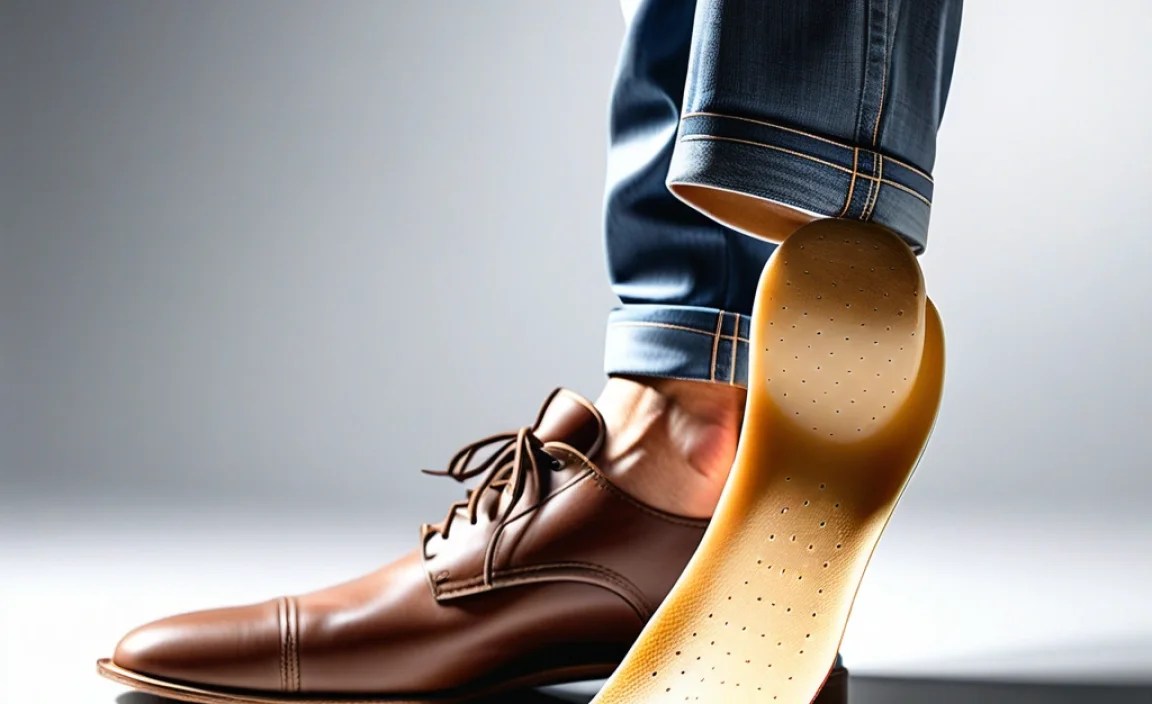
Once you’ve chosen your insoles, how do you get the most out of them, especially during those demanding double shifts?
Breaking Them In
Just like new shoes, new insoles can take a little time to get used to. It’s a good idea to:
- Start by wearing them for a few hours at a time.
- Gradually increase the wear time each day.
- Pay attention to how your feet feel. If you experience any unusual discomfort, take a break.
This gradual approach helps your feet adapt to the new support and cushioning, minimizing any initial adjustment discomfort.
Best Practices for Double Shifts
- Keep Them Clean: Regularly remove your insoles and air them out. Clean them according to the manufacturer’s instructions. This prevents odor and maintains hygiene.
- Rotate if Possible: If you have multiple pairs of work shoes, consider rotating them. This gives your insoles (and your feet) a break and helps the insoles regain their form.
- Listen to Your Feet: If you’re still experiencing significant pain or discomfort, your insoles might not be the right fit for you, or you may need a different type. Don’t hesitate to try another pair or consult a professional.
- Proper Placement: Ensure the insoles are sitting flat in your shoes, without bunching up.
When to Seek Professional Help
While over-the-counter insoles can provide significant relief, they aren’t a substitute for professional medical advice if you have persistent or severe foot pain. A podiatrist or orthopedic specialist can diagnose the underlying cause of your discomfort and recommend custom orthotics or other treatments. For example, conditions like plantar fasciitis often require a multifaceted approach that may include specific stretches, footwear modifications, and sometimes, custom orthotic devices.
Insole Reviews: What Users Say About Comfort

Real-world feedback is invaluable. Based on common themes in user reviews for insoles designed for long hours and comfort:
Pros Frequently Mentioned:
- Significant Pain Reduction: Many users report a noticeable decrease in foot, ankle, and even knee pain after wearing supportive insoles.
- All-Day Comfort: The ability to get through double shifts without the usual end-of-day agony is a recurring positive.
- Improved Posture and Stability: Users often feel more grounded and stable, which can contribute to better overall posture.
- Shock Absorption: Especially on hard surfaces, the cushioning effect is highly praised.
- Durability: Higher-quality insoles are often noted for holding their shape and support over many months of heavy use.
Cons and Considerations:
- Break-in Period: Some users find the initial adjustment period uncomfortable.
- Fit Issues: Insoles can sometimes make shoes feel tighter or push the foot forward.
- Cost: Quality insoles can be an investment, and very cheap options may not provide adequate support or durability.
- Not a Cure-All: For severe conditions, insoles are part of a solution, not a complete fix on their own.
When reading reviews, look for feedback from people who have similar jobs or foot conditions to yours. This will give you a more relevant picture of how an insole might perform for your specific needs.
Top Picks for Double Shift Durability
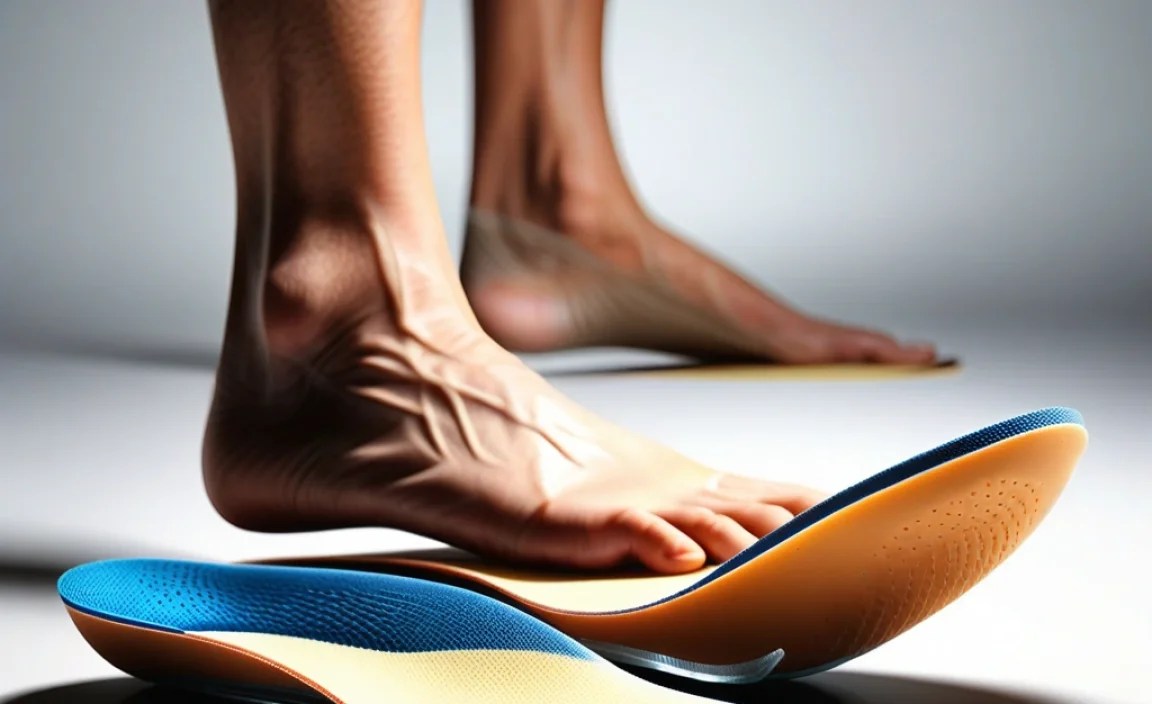
While specific product recommendations can change, here are categories of insoles that consistently earn high marks from users working demanding jobs. These are generally known for their balance of cushioning, support, and durability:
Category 1: The All-Rounder (Good for Most People)
These insoles offer a medium level of arch support and ample cushioning, making them suitable for a wide range of foot types and jobs where you’re on your feet but not performing high-impact activities. They are often made of durable foam and may have a gel insert for added shock absorption. Look for ones with a good heel cup to stabilize your foot.
Category 2: The Support Specialist (For Plantar Fasciitis & Flat Feet)
If you struggle with arch pain or have flat feet, these insoles are designed with firmer arch support and often, a more rigid structure to help control pronation. While they might feel a bit stiffer initially, they provide essential stability that can prevent pain and fatigue from overstretched ligaments and muscles. Many are made with materials like cork or specialized plastic for superior support.
Category 3: The Cushioning Champion (For Long Hours on Hard Surfaces)
For those who stand on concrete or other unforgiving surfaces for hours, maximum cushioning is key. These insoles prioritize shock absorption, often using thick layers of high-density foam or gel. They aim to reduce the impact on your feet and joints, making those long standing periods more bearable. While they offer comfort, ensure they still provide some arch stabilization to prevent your foot from collapsing.
| Insole Feature | Benefit During Double Shifts | Why It Matters for Long Hours |
|---|---|---|
| Deep Heel Cup | Heel stability, shock absorption | Prevents foot from sliding, reduces impact shock on the heel bone, a common pain point. |
| Responsive Cushioning (Foam/Gel) | Shock absorption, comfort | Minimizes jarring impact through repetitive steps, reducing muscle fatigue. |
| Firm Arch Support | Foot alignment, pressure distribution | Prevents the arch from collapsing under prolonged stress, reducing strain on ligaments and tendons. |
| Durable Materials | Longevity, consistent performance | Ensures the insole doesn’t flatten out quickly, providing sustained support and comfort throughout your shift and beyond. |
Important Note on Fit:
When trying insoles, make sure they fit well in your shoes. They should not cause your heel to slip out or your toes to feel cramped. Trimming with scissors might be necessary for some insoles to fit perfectly into the shoe’s shape.
FAQ: Your Insole Questions Answered
Got more questions about insoles for those demanding double shifts? Here are some common queries answered in simple terms:
Q1: How long do insoles typically last?
A: Most good-quality insoles will last anywhere from 6 months to a year with regular use, especially for double shifts. Cheaper insoles might wear out much faster. Signs they need replacing include flattened cushioning, visible wear, and a return of your original foot pain.
Q2: Can I wear insoles in any type of shoe?
A: Generally, yes, as long as the shoe has a removable insole or enough space to accommodate a new one. You might need slimmer insoles for dress shoes or boots. Avoid putting them in shoes that are already very tight or have non-removable, contoured footbeds.
Q3: Will insoles make my feet sweat more?
A: Some materials can trap heat and moisture. Look for insoles made with breathable materials or those that have moisture-wicking topsheets. Proper ventilation of your shoes and feet is also key. Regular cleaning and airing out your insoles helps immensely.
Q4: Do I need to see a doctor before buying insoles?
A: Not necessarily for over-the-counter insoles. If you’re experiencing mild to moderate discomfort, trying a well-rated insole designed for your foot type can be a great first step. However, if you have severe pain, a known foot condition, or numbness/tingling, consulting a podiatrist is highly recommended.
Q5: How do I know if my insoles are working?
A: You should feel a noticeable difference in comfort, support, and a reduction in pain or fatigue. Your feet should feel less tired at the end of your shift, and aches in your feet, ankles, or knees should decrease. If your pain worsens or you experience new discomfort, they might not be the right type for you.
Q6: Can insoles actually correct foot problems?
A: Over-the-counter insoles can help manage and alleviate the symptoms of many common foot issues like plantar fasciitis and overpronation by providing support and cushioning. For correction of structural foot problems or more complex biomechanical issues, custom orthotics prescribed by a podiatrist are usually necessary.
