Insoles can transform your Derby shoes from stylish but potentially uncomfortable footwear into truly supportive and pain-relieving allies for your feet. By adding the right insoles, you can enjoy enhanced comfort, better alignment, increased shock absorption, and even help prevent common foot issues, making every step a pleasure.
Insoles For Derby Shoes Comfort: Essential Support

Derby shoes are a classic choice, known for their versatility and smart appearance. However, like many dressier shoe styles, they don’t always offer the kind of cushioning and arch support our feet crave, especially after a long day of standing or walking. If you find your feet aching by the end of the day or notice discomfort when wearing your favorite Derbies, you’re not alone. The good news is that a simple yet incredibly effective solution is readily available: insoles! Adding quality insoles to your Derby shoes can make a world of difference, turning them into incredibly comfortable and supportive footwear. Let’s walk through how to find and use the best insoles to boost your Derby shoe comfort.
Why Your Derby Shoes Might Need a Little Extra Help

Derby shoes, with their open lacing and typically flatter soles, prioritize aesthetics and formal attire. While this makes them a stylish staple, it often means they come with:
- Limited Cushioning: The soles can be quite firm, offering little shock absorption for your heels and metatarsals.
- Lack of Arch Support: Many standard insoles are flat or offer very minimal arch support, which can lead to strain on the plantar fascia and arches.
- Potential for Slippage: A smooth interior lining can sometimes cause the foot to slide, leading to blisters and discomfort.
- Reduced Shock Absorption: Every step on a hard surface sends impact up through your feet and legs.
These factors can contribute to a range of discomforts, from general soreness to more specific issues like plantar fasciitis, heel spurs, or metatarsalgia. Thankfully, the right insoles are designed to counteract these very problems.
Understanding Insole Basics for Your Derbies
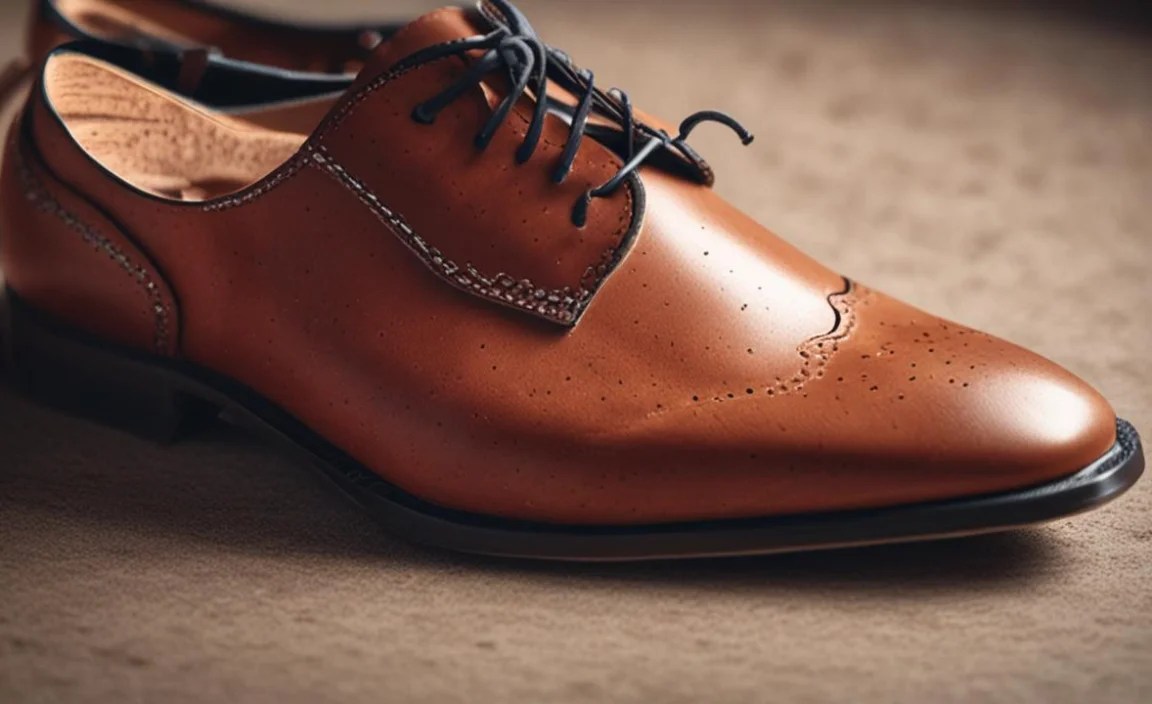
When we talk about insoles, we’re referring to the inserts you place inside your shoes to provide cushioning, support, and alignment. They’re not just a one-size-fits-all item. Key features to consider for your Derby shoes include:
- Material: Insoles are made from various materials, each offering different benefits. Foam is common for cushioning, gel provides shock absorption, and cork can offer supportive, moldable comfort. For dressier shoes like Derbies, you’ll want materials that are sleek yet effective.
- Support Type:
- Neutral: Good for those with a neutral arch and heel strike, focusing on cushioning.
- Stability: Designed to control pronation (the inward rolling of the foot) and offer moderate arch support.
- Motion Control: For severe overpronation, offering maximum support and guidance.
- Arch Support: This is crucial. Insoles come with varying levels of arch support – from minimal to significant. Choosing the right level depends on your foot’s natural arch.
- Cushioning: Look for insoles that offer a good balance of cushioning without adding excessive bulk, which could make your shoes feel too tight.
- Thin Profile: For smart shoes like Derbies, you’ll want insoles that don’t significantly alter the shoe’s fit or appearance from the outside. Many brands offer slim, dress-shoe friendly options.
Choosing the Right Insoles for Derby Shoes: A Step-by-Step Guide

Selecting the perfect insole for your Derby shoes involves a little detective work about your feet and what you need them to do.
Step 1: Assess Your Foot Type and Needs
Before you even look at insoles, take a moment to understand your feet. Are your arches high, low, or somewhere in between? Do you tend to roll your ankles inward (overpronation) or outward (supination)?
- The Wet Test: Dip your feet in water, then step onto a piece of paper or a dark tile. Examine the footprint.
- Normal Arch: You’ll see about half of your arch space.
- Flat Arch (Low Arch): You’ll see almost your entire foot, with little to no curve inwards.
- High Arch: You’ll see mostly your heel and the ball of your foot, with a very thin or absent connection in the middle.
- Observe Your Wear Patterns: Look at the soles of your current shoes. Do they wear down more on the inside or outside edge? This can indicate pronation or supination.
Step 2: Identify Your Primary Goal
What do you want the insoles to achieve?
- All-day comfort: Focus on cushioning and moderate support.
- Pain relief (e.g., plantar fasciitis): Seek specialized orthotic insoles with specific arch support and heel cups.
- Improved posture/alignment: Look for insoles designed to correct biomechanics.
- Enhanced athletic performance (if wearing Derbies for active commuting): Consider insoles with good shock absorption and energy return.
Step 3: Consider the Shoe Itself
Derby shoes generally recommend thinner insoles to maintain the shoe’s fit and dapper look. Overly thick or bulky insoles can:
- Make the shoe too tight, causing pressure points and discomfort.
- Alter the shoe’s natural flexibility and feel.
- Create a less sleek silhouette.
Look for “dress shoe insoles,” “slim fit insoles,” or “orthotic insoles for dress shoes.”
Step 4: Research and Read Reviews
Once you have a clearer idea of what you need, dive into product research. Reputable brands often have clear descriptions of their insoles’ features and intended benefits. Seek out reviews from people who have used insoles in similar shoe types.
Helpful Resources:
- For more on foot biomechanics, consult the NHS guide to foot health.
- Understanding your gait can be informed by resources like this guide to foot types and pronation, which applies broadly to footwear comfort.
Step 5: Try Before You Buy (If Possible)
Some specialty stores allow you to try insoles inside shoes. If not, check the return policy. Many online retailers offer satisfaction guarantees.
Top Insole Features for Derby Shoe Comfort

When shopping for insoles specifically for your Derby shoes, prioritize these features:
- Slim Design: Crucial for fitting without altering the shoe’s structure too much.
- Targeted Arch Support: The depth and contour should match your foot arch.
- Heel Cup: A well-defined heel cup helps stabilize the foot and provide cushioning where you need it most.
- Shock-Absorbing Materials: Look for materials like EVA foam, recycled rubber, or specialized gel inserts.
- Breathability: Helps prevent moisture buildup and keeps feet feeling fresh.
- Durability: Good insoles will last a significant amount of time, especially when not used for high-impact activities.
Types of Insoles and Their Benefits for Derbies

Let’s break down common types of insoles and how they can benefit your Derby shoes:
Here’s a quick look at what different insoles offer:
| Insole Type | Primary Benefit | Best For | Consideration for Derbies |
|---|---|---|---|
| Cushioning Insoles | Soft padding, shock absorption | General comfort, reducing impact | Look for balanced cushioning that doesn’t add bulk. Great for reducing fatigue. |
| Arch Support Insoles | Structural support for the arch | Flat feet, fallen arches, plantar fasciitis symptoms | Opt for moderately supportive options unless you have severe pronation issues. |
| Orthotic Insoles (Semi-Rigid) | Corrective support, alignment | Overpronation, supination, plantar fasciitis, heel pain | Often come in slim fits designed for dress shoes. Can be more rigid but offer significant correction. |
| Memory Foam Insoles | Molds to foot shape, custom cushioning | Personalized comfort, pressure point relief | Can be very comfortable but monitor for heat retention; choose breathable options. |
| Gel Insoles | Excellent shock absorption, energy return | High-impact activities, reducing joint stress | Can be effective but ensure they don’t make the shoe too tight. Slim gel layers are best. |
How to Insert and Use Insoles in Your Derby Shoes

It’s a straightforward process:
- Remove Existing Insoles: If your Derby shoes have removable factory insoles, gently pull them out. If they are glued in, you might need to carefully slice them out with a craft knife, being cautious not to damage the shoe’s interior.
- Size the New Insoles: Most insoles come with trim-to-fit lines. Place the new insole on a piece of paper and trace around your original insole, or try it in the shoe and mark where to cut. Trim carefully with sharp scissors, trimming excess material from the toe area.
- Insert the New Insole: Slide the trimmed insole into your Derby shoe, ensuring it sits flat and snug against the bottom of the shoe.
- Try Them On: Put on the shoes with the new insoles and walk around. Pay attention to how they feel. Are they comfortable? Is there any pinching or pressure?
- Adjust if Necessary: If the fit feels too tight, you may need to trim a little more material from the edges or toe. If there’s still discomfort, the insole might not be the right shape or support level for your foot or shoe.
Insole Adjustments for Optimal Derby Shoe Fit
Sometimes, the perfect fit requires a little tweaking:
- If Too Tight:
- Re-trim the insole, focusing on trimming a bit more from the toe area.
- If the shoe is already a snug fit, consider insoles made with thinner, more pliable materials.
- Ensure you’ve removed the original insole completely.
- If Too Loose (Insole shifting):
- Make sure you’ve trimmed to the correct size. Sometimes a slight overlap is needed.
- Consider insoles with a slightly thicker heel or sides that hug the shoe’s interior better.
- A small piece of double-sided tape at the heel can sometimes prevent slippage.
- If Arch Support Feels Off:
- Ensure you have the correct arch height for your foot type (low, medium, high).
- Try an insole with a slightly different contour if the first one isn’t providing comfort.
- A semi-rigid orthotic may offer a more precise fit for your arch.
Maintaining Your Insoles and Derby Shoes
To get the most out of your insoles and keep your Derby shoes in top condition:
- Regular Cleaning: Wipe down your insoles with a damp cloth and mild soap. Avoid soaking them. Allow them to air dry completely away from direct heat.
- Rotation: If you wear your Derby shoes frequently, consider having two pairs of insoles you can swap between, or rotate them with other footwear to allow them to air out.
- Inspection: Periodically check your insoles for signs of wear, such as flattened cushioning, worn-out arch support, or holes. Most insoles last 6-12 months with regular use.
- Shoe Care: Always use a shoe tree to help maintain the shape of your Derby shoes when not in use. This also aids in airing out the interior.
When to Consider Professional Orthotics
While over-the-counter insoles offer excellent support for many, there are times when professional help is best. If you experience persistent or severe foot pain, or if over-the-counter insoles don’t provide adequate relief, consider consulting a podiatrist or a certified pedorthist. They can assess your feet and gait in detail and recommend custom-molded orthotics designed specifically for your unique biomechanics and footwear needs.
According to the American Podiatric Medical Association, custom orthotics can be prescribed to treat a variety of foot conditions, from flat feet to bunions and plantar fasciitis, and can significantly improve comfort and mobility.
Insoles for common foot conditions:
| Foot Condition | Recommended Insole Features | Example Benefits |
|---|---|---|
| Plantar Fasciitis | Firm arch support, deep heel cup, good cushioning under heel | Reduces strain on the plantar fascia, absorbs shock |
| Overpronation | Moderate to firm arch support, medial post (support on the inside edge), stability | Helps align the foot and ankle, reduces inward rolling |
| Metatarsalgia | Extra cushioning in the ball of the foot, metatarsal pad | Relieves pressure on the forefoot, distributes weight evenly |
| Heel Spurs | Heel cushioning, firm arch support, heel cup | Reduces impact on the heel, supports the arch to prevent strain |
| General Foot Fatigue | Balanced cushioning, moderate arch support | Increases comfort during long periods of standing or walking |
Frequently Asked Questions About Insoles for Derby Shoes
Q1: Will insoles make my Derby shoes too tight?
It’s a common concern. For most dress shoes like Derbies, you should opt for slim or low-profile insoles. If your shoes already fit snugly, even a thin insole might make them feel tighter. Always trim insoles to fit properly and remove the original ones if possible.
Q2: How often should I replace my insoles?
Typically, over-the-counter insoles last between 6 to 12 months with regular use. Factors like your weight, activity level, and the type of insole will affect their lifespan. If you notice reduced cushioning or support, it’s time for a replacement.
Q3: Can I use sports insoles in my Derby shoes?
Generally, it’s not recommended. Sports insoles are often bulkier and designed for athletic shoes with more room. They may alter the fit of your Derby shoes too much, affecting comfort and the shoe’s intended look. Look for insoles specifically designed for dress or casual shoes.
Q4: How do I know if I need arch support?
If you have flat feet, low arches, or experience pain along your arch or the inner side of your foot, you likely benefit from arch support. The “wet test” and observing shoe wear patterns can help identify your arch type and potential need for support.
Q5: Can insoles help with posture?
Yes, proper insoles can contribute to better posture. By providing a stable foundation and encouraging correct foot alignment, they can help improve biomechanics throughout your body, from your feet and ankles up to your knees, hips, and spine.
Q6: My feet feel colder with insoles. What can I do?
Some insole materials can trap heat. If this is an issue, look for insoles made with breathable materials like mesh or those featuring ventilation channels. Some gel or foam composites are also designed for better airflow. Ensure your Derby shoes themselves have adequate ventilation.
Conclusion
Don’t let uncomfortable Derby shoes put a damper on your style or your day. By understanding your foot needs and choosing the right insoles, you can unlock a new level of comfort and support. Whether you’re seeking relief from daily aches, looking to improve your posture, or simply want to make your favorite pair of Derbies feel like walking on clouds, there’s an insole solution out there for you. Take the steps to assess your feet.
