For dentists standing long hours, the right insoles are crucial for foot comfort and long-term health. High-quality insoles provide essential cushioning, arch support, and shock absorption, significantly reducing fatigue and preventing pain. Choosing insoles designed for prolonged standing will ensure your feet stay supported and pain-free throughout your demanding workday.
Standing for extended periods is a cornerstone of many professions, and for dentists, it’s practically an art form. From intricate procedures to patient consultations, you spend a significant portion of your day on your feet. This constant standing can take a toll, leading to tired, achy feet, sore legs, and even back pain. But what if there was a simple, effective way to enhance your comfort and support your foot health directly from your shoes? That’s where specially chosen insoles come in.
Think of insoles as an upgrade for your footwear. They’re not just random pieces of foam; they are carefully designed tools that can transform how your feet feel and function, especially during those long hours at the dental chair. In this guide, we’ll explore why insoles are so important for dentists, what to look for, and how to choose the best ones to keep your feet happy and healthy. We’ll break down the basics, offer practical advice, and review some options that can make a real difference in your daily practice. Get ready to step into a new level of comfort!
Why Dentists Need Special Insoles for Standing

Your work as a dentist demands precision, focus, and a lot of standing. Unlike professions where you might sit for tasks, your role often requires you to be upright for hours on end. This sustained vertical posture puts continuous pressure on your feet, ankles, knees, and even your spine. Without adequate support, this pressure can lead to a cascade of problems.
Common issues that arise from prolonged standing in non-supportive footwear include:
- Plantar fasciitis (heel pain)
- Metatarsalgia (pain in the ball of the foot)
- Arch pain and collapse
- Fatigue and soreness in the legs and feet
- Lower back pain due to poor posture and shock absorption
- Swollen feet and ankles
Insoles specifically designed for people who stand a lot can act as a shock absorber, distributing weight more evenly and reducing the impact on your joints. They provide targeted support to your arches, helping to maintain their natural shape and preventing them from flattening under pressure. This improved support can also lead to better alignment of your entire body, potentially alleviating back and knee discomfort.
The types of shoes dentists typically wear – often clogs, supportive sneakers, or specialized work shoes – can be a great foundation. However, even the best work shoes can be significantly enhanced with the addition of quality insoles. It’s about optimizing the support your feet receive minute by minute, hour by hour. For a profession that requires so much dedication and physical presence, investing in your foot health through the right insoles is not just a luxury, it’s a necessity for sustained performance and well-being.
Understanding Insole Basics: What Makes Them Work?
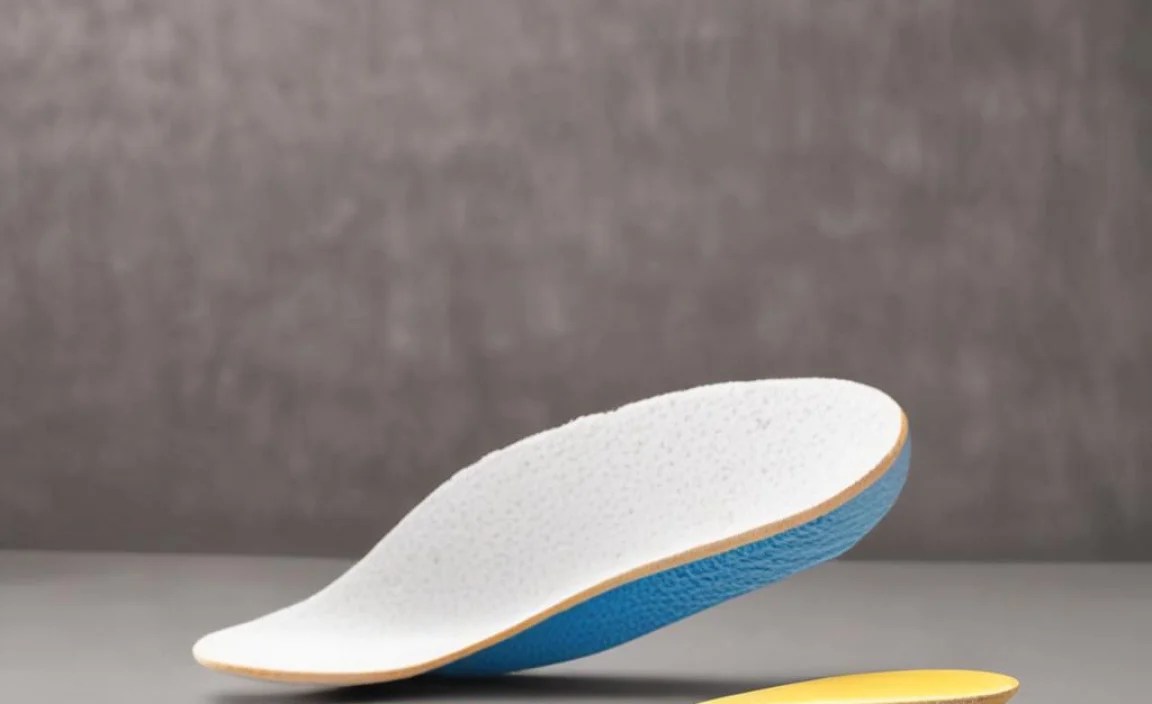
Insoles, also known as orthotics or shoe inserts, are designed to be placed inside your shoes to improve comfort, provide support, and enhance performance. They are not one-size-fits-all; different types offer different benefits, and understanding these can help you make an informed choice. For dentists, the primary focus is on support for prolonged standing, cushioning, and shock absorption.
Here are the key components and features to look for:
- Cushioning: This is the soft, shock-absorbing layer that helps reduce impact with every step and while standing still. Materials like EVA (ethylene-vinyl acetate), gel, and memory foam are common. For dentists, a balance of cushioning and firmness is ideal – too soft can lead to instability, while too firm can be uncomfortable.
- Arch Support: This is perhaps the most critical element for standing professions. Insoles come with varying levels of arch support (low, medium, high) and can be designed for different arch types (flat, neutral, high). Proper arch support helps maintain the foot’s natural structure, preventing strain and fatigue.
- Heel Cup: A well-designed heel cup cradles the heel, providing stability and helping to absorb shock. It can also help prevent the foot from sliding within the shoe.
- Material & Durability: The materials used determine the insole’s lifespan and effectiveness. High-density foams and durable composites generally last longer and offer consistent support.
- Heel-to-Toe Structure: Some insoles offer a more structured, supportive base that extends from the heel to the ball of the foot, providing a more comprehensive support system.
For dentists, the goal is to find insoles that offer a firm yet comfortable foundation, with robust arch support and effective shock absorption. It’s about creating a more biomechanically sound environment for your feet, even when they are stationary for long periods.
Types of Insoles for Standing Professions
While many insoles exist, those best suited for dentists standing all day generally fall into a few categories:
- Supportive/Orthotic Insoles: These are designed with structured arch support and a deep heel cup. They aim to correct or support biomechanical issues and provide maximum stability. Many are made from semi-rigid or rigid materials to offer superior support.
- Cushioning Insoles: While all good insoles have cushioning, some prioritize it. These might use thicker layers of gel or foam. They are great for reducing impact but might offer less structural arch support. A good compromise is often found in dual-layer insoles combining cushioning with a supportive core.
- Activity-Specific Insoles: Some brands offer insoles tailored for “standing jobs” or “healthcare professionals.” These are often a good starting point as they’ve been developed with the specific demands of such work in mind, balancing support, cushioning, and durability.
When choosing, consider your personal foot shape and any specific issues you might have. If you have very flat feet, you’ll need more pronounced arch support. If you have high arches, you might need a more cushioned, flexible insole that still offers support. Consulting a podiatrist or a foot health specialist can provide personalized recommendations based on your foot mechanics.
Choosing the Right Insoles for Dental Practice

Selecting the perfect insoles for your dental work involves a few key considerations. It’s not just about picking the most cushioned or the most expensive option; it’s about finding the right fit for your feet, your shoes, and your specific needs as a dentist who stands for prolonged periods.
Step-by-Step Guide to Selecting & Using Insoles
- Assess Your Feet: Take a look at your arches. Do they look flat when you’re standing? Or is there a high curve? You can do a “wet test” by wetting your feet and stepping on a surface that shows an imprint, like a piece of paper or a dry surface. A full imprint suggests flat feet, a minimal imprint suggests high arches, and a partial imprint suggests a neutral arch.
- Consider Your Footwear: What kind of shoes do you wear to work?
- Roomy Shoes: If you have shoes with ample space (like many athletic shoes or work boots), you can often accommodate thicker, more supportive insoles.
- Tighter Shoes: If your work shoes are more form-fitting (like some clogs or dressier shoes), you might need a lower-profile, thinner insole to avoid making your shoes too tight.
- Identify Your Needs: What are your primary concerns?
- Arch Pain: Focus on insoles with robust, well-defined arch support.
- Heel Pain (Plantar Fasciitis): Look for deep heel cups and excellent cushioning under the heel.
- General Fatigue: A combination of good cushioning and arch support will be most beneficial.
- Knee/Back Pain: This often relates to overall alignment. A supportive insole that helps keep your feet aligned can indirectly help your posture and reduce strain on your back and knees.
- Read Reviews & Research: Look for insoles specifically recommended for people who stand all day, particularly those in healthcare or service industries. Pay attention to reviews that mention durability and long-term comfort.
- Consult a Professional (Optional but Recommended): If you have persistent foot pain or significant biomechanical issues, consider visiting a podiatrist or a physical therapist. They can analyze your gait and recommend custom orthotics or specific over-the-counter insoles.
- Try Them Out: If possible, try insoles from brands that offer a satisfaction guarantee.
- Proper Insertion: Remove the original factory insoles from your shoes if they are not glued in. This creates more space and ensures a better fit for the new insoles. Place the new insoles into your shoes, ensuring they lie flat and the heel cup is properly aligned.
- Break-In Period: Most new insoles benefit from a short break-in period. Start by wearing them for a few hours a day and gradually increase the time. This allows your feet to adjust to the new support.
- When to Replace: Insoles don’t last forever. Look for signs of wear like flattened cushioning, loss of arch support, or visible damage. Generally, most insoles need to be replaced every 6-12 months, depending on usage and material quality.
Material Matters: What to Look For
The materials used in insoles significantly impact their performance and longevity. For dentists, who need a balance of comfort, support, and durability, understanding these materials is key:
- EVA (Ethylene-Vinyl Acetate): This is a common material in many comfortable shoes and insoles. It’s lightweight, flexible, and provides good cushioning. Higher-density EVA offers more support and durability than lower-density versions. Many excellent supportive insoles use a combination of firm EVA for structure and softer EVA for cushioning.
- Polyurethane (PU): Often found in higher-end insoles, PU is a durable, resilient material that offers excellent shock absorption and support. It tends to be more robust than EVA and can maintain its shape and support over a longer period.
- Gel: Gel insoles provide superior shock absorption, particularly under the heel and ball of the foot. They are great for comfort but may offer less structured arch support on their own. Some insoles layer gel over a supportive base.
- Memory Foam: This material conforms to the shape of your foot, offering a personalized fit and cushioning. It’s very comfortable initially but can sometimes lose its supportive qualities over time and may not provide enough rigid support on its own for prolonged standing.
- Carbon Fiber/Composite Materials: These are typically used in very rigid orthotics for maximum support and energy return. They are less common in everyday comfort insoles but can be found in some performance-oriented options.
For dentists, a combination of materials often provides the best results. For instance, a rigid or semi-rigid base (like PU or firm EVA) for support, a supportive heel cup, and a layer of responsive cushioning (like denser EVA or targeted gel inserts) can offer the ideal blend of stability, shock absorption, and comfort for long hours on your feet.
Top Insole Features for Dental Professionals

When you’re focused on patient care, the last thing you want to worry about is foot pain. Here are the essential features that insoles should offer to keep dentists comfortable and pain-free throughout their demanding shifts:
- Full-Length Support: Look for insoles that extend the entire length of your shoe, from heel to toe. This ensures continuous support and cushioning across the whole foot.
- Deep Heel Cup: A deeply contoured heel cup provides stability, helps to align your heel bone, and absorbs shock effectively, reducing stress on the heel and ankle.
- Targeted Arch Support: The arch support should match your foot’s natural curve. It needs to be firm enough to prevent pronation (the foot rolling inward) or offer stability for high arches without causing pressure points.
- Forefoot Cushioning & Support: The balls of your feet can bear significant pressure. Insoles with built-in cushioning or metatarsal pads can help distribute this pressure and prevent pain.
- Breathability & Moisture-Wicking: While not directly foot support, materials that allow air circulation and wick away moisture can prevent fungal infections and keep your feet feeling fresher, which is a bonus comfort factor during long days.
- Durability: Dental professionals are on their feet daily for extended periods. The insoles must be made of materials that can withstand this constant use without losing their supportive and cushioning properties quickly.
Often, the best insoles blend these features. For example, a durable polyurethane base for structure and support, a deep, stable heel cup made of a slightly firmer material, and strategically placed cushioning in the forefoot and heel. Many brands offer specific lines designed for standing professions or healthcare workers, which are excellent starting points because they target these exact needs.
Insoles vs. Custom Orthotics for Dentists

This is a common question: when are over-the-counter insoles enough, and when is it time for custom orthotics prescribed by a podiatrist?
Over-the-Counter (OTC) Insoles:
- Pros:
- More affordable and accessible.
- Wide variety of options available for different needs.
- Can provide significant relief for common issues like arch strain or general fatigue.
- Easy to purchase and try out.
- Cons:
- May not perfectly address complex biomechanical issues.
- Support might not be as precise as custom options.
- Durability can vary greatly.
Custom Orthotics:
- Pros:
- Manufactured based on an exact impression or scan of your feet.
- Precisely address individual biomechanics, foot deformities, and specific pain points.
- Often more durable and offer more targeted, personalized support.
- Can be covered by some insurance plans.
- Cons:
- Significantly more expensive.
- Require a professional consultation and fitting process.
- May take several weeks to a month to receive.
- Can sometimes feel too rigid or uncomfortable if not fitted correctly.
For many dentists, high-quality OTC insoles designed for standing professions can provide excellent relief and support. If your foot pain is severe, persistent, or related to a diagnosed condition like severe flat feet, bunions, or a specific gait abnormality, consulting a podiatrist for custom orthotics is the best course of action. A podiatrist can also recommend specific OTC brands or types that align with your professional needs.
Best Insoles for Dentists Standing: Product Highlights
While specific product recommendations can change, here are some well-regarded types of insoles and brands known for their quality and suitability for professions involving prolonged standing. Always check the latest reviews and product specifics before purchasing.
Here’s a look at common features and what to expect:
| Insole Type/Brand Category | Key Features for Dentists | Best For | Considerations |
|---|---|---|---|
| Full-Length Orthotic Insoles (e.g., Superfeet, Powerstep) | Firm, semi-rigid support; deep heel cup; structured arch support; durable construction. Often come in different levels of firmness and arch height. | Pronounced arch support, stability, and preventing foot fatigue. Good for neutral to overpronating feet. | Can be a bit stiff for some; may require a break-in period. Usually best in shoes with decent interior volume. |
| Cushioning & Support Hybrids (e.g., Dr. Scholl’s Work, SOLE Active) | Balanced cushioning; moderate arch support; shock absorption; often more flexible than full orthotics. | General comfort, shock absorption for long standing periods, and relief from moderate foot pain. | May not offer enough rigid support for severe biomechanical issues. Durability can vary. |
| Gel-Enhanced Insoles (e.g., Gel-infused brands) | Significant shock absorption, especially in heel and forefoot; often thinner profiles. | Relief from impact-related pain and discomfort. Good for adding cushioning to otherwise firm shoes. | Arch support can be less pronounced; gel can sometimes shift or break down over time if not of high quality. |
| Performance/All-Day Standing Insoles (e.g., Timberland PRO, Hoka’s Orthotics) | Engineered specifically for extended standing; often incorporate advanced materials for cushioning and support; focus on fatigue reduction. | Professionals who stand for 8+ hours daily, seeking maximum comfort and fatigue relief. | Can be pricier; fit might vary depending on the specific shoe model they are designed for. |
