Insoles for dementia wanderers ensure comfort and safety by providing essential cushioning and support, reducing the risk of falls and discomfort during their daily movements.
For individuals living with dementia, comfort and safety are paramount, especially when it comes to something as fundamental as walking. Wandering is a common behavior, and ensuring their feet are well-supported can make a significant difference in their daily ease and well-being. This guide focuses on how the right insoles can offer essential comfort and support, making those walks safer and more pleasant. We’ll explore what to look for and how to choose the best options.
Understanding the Unique Needs of Dementia Wanderers

When dementia affects a person, their mobility and sensory perceptions can change. They might wander more, sometimes without a clear destination or awareness of their surroundings. This can lead to increased stress on their feet, a higher risk of falls due to reduced balance or sensation, and discomfort from ill-fitting or unsupportive footwear. Proper foot care, starting with the foundation of their shoes, is crucial for maintaining their quality of life and preventing potential injuries. The goal is to provide an environment where their feet are cradled in comfort and supported effectively, allowing for more secure and less painful movement.
Why Insoles Matter for Dementia Wanderer Comfort

Insoles, also known as shoe inserts or orthotics, are designed to fit inside regular shoes. They add an extra layer of cushioning, arch support, and shock absorption. For someone who wanders, especially if they have limited mobility or balance issues, these benefits become even more critical. Good insoles can:
- Enhance Cushioning: Reducing impact on joints and allowing for a softer stride.
- Improve Support: Providing stability to the foot and ankle, which can help with balance.
- Absorb Shock: Minimizing the jarring effect of walking on hard surfaces.
- Distribute Pressure: Preventing painful pressure points, especially in individuals with diabetic neuropathy or other nerve conditions common with aging.
- Increase Comfort: Making walking a more pleasant experience, encouraging gentle activity.
By addressing these factors, insoles can play a vital role in keeping dementia wanderers comfortable, reducing fatigue, and lowering the likelihood of slips and falls.
Key Features to Look for in Insoles
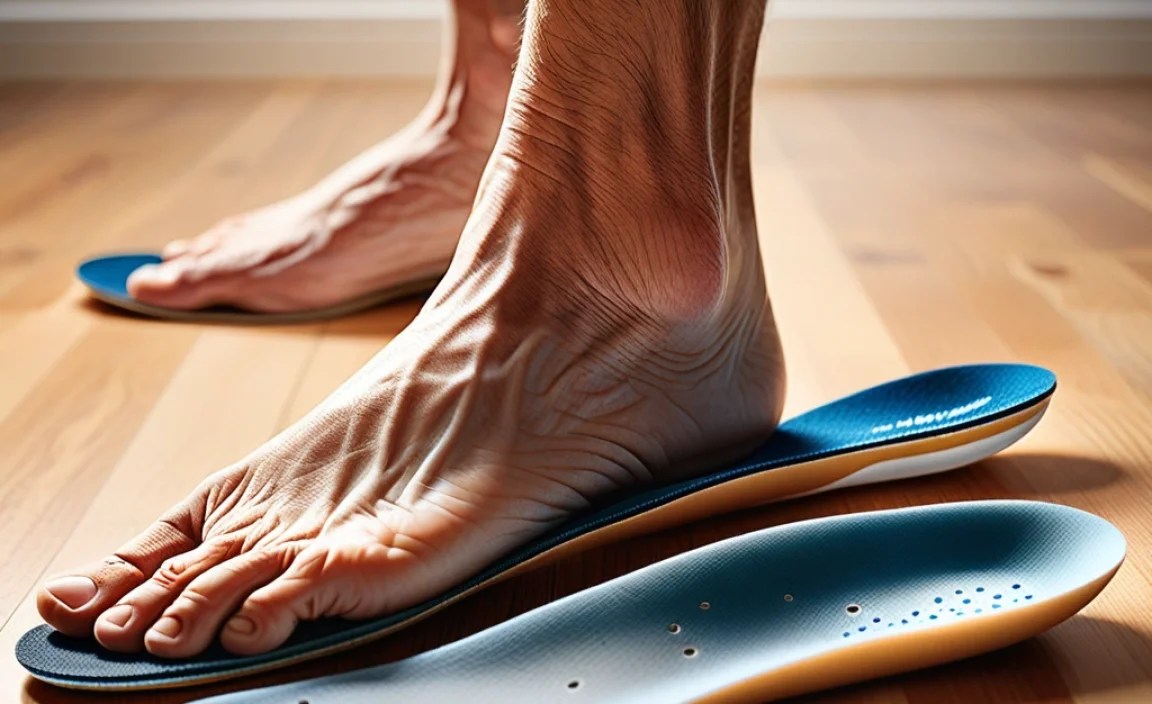
Choosing the right insoles involves considering specific features that cater to the needs of individuals with dementia. Here’s what to prioritize:
1. Cushioning and Shock Absorption
This is often the most important feature. Look for insoles made from materials like memory foam, gelin, or high-density EVA (Ethylene Vinyl Acetate). These materials mold to the foot and absorb impact effectively, providing a softer feel with every step. This is particularly important as individuals may not be able to articulate discomfort easily, and good cushioning can prevent issues before they arise.
2. Arch Support
Proper arch support helps distribute weight evenly across the foot, improving stability and reducing fatigue. While highly rigid or corrective orthotics might not be necessary, a moderate level of arch support can be very beneficial. It helps maintain natural foot alignment, which can contribute to better posture and balance, reducing the tendency to overpronate or supinate.
3. Non-Slip Surface
The surface of the insole itself should offer some grip. This prevents the foot from sliding around inside the shoe, which can cause blisters or instability. While the shoe’s internal lining plays a role, an insole with a slightly textured top layer can further enhance foot security.
4. Breathability and Moisture Wicking
Foot hygiene is essential. Insoles made with breathable materials or those that incorporate moisture-wicking technology help keep feet dry, reducing the risk of fungal infections and maintaining overall comfort. This is especially important for individuals who may have reduced mobility, making regular foot inspection and care more challenging.
5. Durability
Since insoles will be used regularly, they need to be durable. Materials that compress too easily lose their cushioning and support properties over time. Look for reputable brands known for quality materials that maintain their structure through consistent use. The lifespan of an insole can vary, but investing in a well-made product means it will provide benefits for longer.
6. Fit and Adaptability
Insoles should ideally be trimmable to fit the specific shoe and foot size perfectly. They should not create pressure points or make the shoe too tight, which can lead to discomfort or circulation problems. Ensure they are flexible enough to adapt to the natural contour of the shoe and the foot.
Types of Insoles Suitable for Dementia Wanderers
Not all insoles are created equal, and understanding the different types can help you make the best choice. For the comfort and safety of dementia wanderers, focus on these categories:
1. Cushioned Insoles
These are the most common and generally the most suitable. They offer enhanced padding throughout the insole, focusing on absorbing shock and providing a softer feel. They are excellent for everyday wear and for individuals who experience general foot fatigue or discomfort.
2. Comfort or “Plush” Insoles
Similar to cushioned insoles but often prioritizing softness and a plush feel. They might have thicker top layers and a very yielding base. These are excellent for maximizing immediate comfort and can be a good choice for those with sensitive feet.
3. Support Insoles
These insoles offer a balance of cushioning and support, often with a built-in arch. They aim to provide stability while still offering comfort. For individuals with mild gait issues or those needing a bit more help with balance, these can be a great option. They help maintain a more neutral foot posture.
4. Gel Insoles
Gel insoles utilize a gel material for cushioning and shock absorption. They can be very effective, especially in high-impact areas like the heel and ball of the foot. Some people find they offer a more responsive feel than foam.
Insoles to Potentially Avoid (Unless Advised by a Professional)
While insoles are generally beneficial, some types might be less suitable or even detrimental without professional guidance:
- Rigid, Custom-Molded Orthotics: While highly effective for specific biomechanical issues, these are expensive, require professional fitting, and are designed for precise correction. They might be overkill or uncomfortable if not prescribed for a diagnosed condition.
- Overly Aggressive Arch Support: Insoles with very high or rigid arches can cause discomfort if the wearer doesn’t need that level of correction or if they create pressure points.
- Insoles that Alter Shoe Fit Significantly: If an insole makes a shoe too tight, it can restrict circulation and cause pain, especially for individuals with sensory changes or reduced ability to communicate discomfort.
Finding the Right Fit: A Practical Approach
Getting the right insoles involves a few simple steps:
- Assess Footwear: The insoles need to fit inside current, well-fitting shoes. Ensure the shoes have enough depth and width to accommodate an added insole without making the shoe too snug. Shoes with removable insoles are ideal.
- Consider the Activity Level: For general comfort and walking, cushioned or support insoles are usually best. If the person is particularly active, look for insoles designed for walking or that offer superior shock absorption.
- Choose Materials Wisely: Opt for breathable, moisture-wicking, and shock-absorbing materials like memory foam, high-density EVA, or breathable gels.
- Trim to Fit: Most insoles are designed to be trimmed. Use the original insole of the shoe as a template to mark and cut the new insole to the correct shape and size. Ensure smooth edges.
- Test and Adjust: After insertion, have the person walk a short distance. Ensure there are no new pressure points or discomfort. Sometimes, a very small adjustment to trimming or repositioning can make a difference.
Recommended Insoles for Comfort and Support
While specific product recommendations can change, certain brands and types consistently receive praise for their comfort and effectiveness. Here’s a guide to what to look for when browsing:
When selecting insoles, consider the balance between softness and support. Many brands offer excellent options that provide a good foundation for comfort.
| Insole Type | Primary Benefit | Ideal For | Considerations |
|---|---|---|---|
| Cushioned Foam Insoles | Maximum shock absorption and soft feel | General comfort, long walks, sensitive feet | Can vary in durability based on foam density. Easy to trim. |
| Gel-Cushioned Insoles | Targeted cushioning, can provide a ‘springier’ feel | High-impact absorption, heel and forefoot pain | Some gel can be warmer; check for breathable top layers. |
| Support Insoles with Arch | Balanced cushioning with mild to moderate arch support | Everyday wear, mild foot fatigue, need for stability | Ensure the arch contour is comfortable and not too aggressive. |
For individuals with specific foot conditions, consulting with a podiatrist or healthcare professional is always recommended. They can advise on the best type of insole or even custom orthotics if necessary. Reputable online retailers and pharmacies often carry a range of quality insoles. Look for reviews that mention comfort, durability, and suitability for walking shoes.
Foot Health and Care for Dementia Wanderers
Insoles are a fantastic addition to foot care, but they are just one part of a comprehensive approach. Regular attention to foot health is vital:
- Daily Inspection: Check feet daily for any redness, blisters, cuts, or swelling. This is especially important if nerve sensation is reduced.
- Gentle Cleaning: Wash feet daily with mild soap and lukewarm water. Dry them thoroughly, paying attention to the spaces between the toes.
- Moisturize Appropriately: Apply a good quality moisturizer to dry skin, but avoid applying it between the toes, as this can encourage fungal growth.
- Proper Nail Care: Trim toenails straight across, filing any sharp edges. If vision or dexterity is an issue, professional foot care is advisable.
- Appropriate Footwear: Always ensure shoes are well-fitting, soft, and supportive, with ample room for toes. Avoid tight shoes, or those with worn-out soles and heels, as these increase fall risks.
- Encourage Gentle Movement: Short, regular walks within a safe environment can improve circulation and overall foot health.
For more in-depth information on general foot health, resources like the NHS UK Foot Pain page offer excellent, reliable advice.
Common Pains Insoles Can Alleviate
By providing cushioning and support, insoles can help manage and alleviate various common foot complaints. These include:
- Plantar Fasciitis: Insoles can help reduce strain on the plantar fascia, offering pain relief for the heel and arch.
- Metatarsalgia (Ball of Foot Pain): Cushioning in the forefoot area of the insole can help distribute pressure more evenly.
- Heel Spurs: Similar to plantar fasciitis, improved cushioning and support can reduce irritation around the spur.
- General Foot Fatigue: For individuals on their feet a lot, insoles provide the extra padding to prevent aching and tiredness.
- Mild Pronation/Supination: Supportive elements can help guide the foot into a more neutral position, reducing strain on the ankles and knees.
Frequently Asked Questions about Insoles for Dementia Wanderer Comfort
What is the main goal when choosing insoles for someone with dementia?
The main goal is to enhance comfort, provide stability, and reduce the risk of falls and foot-related pain during wandering and daily movement.
How often should insoles be replaced?
Insoles typically need replacement every 6 to 12 months, depending on the material, usage, and the wearer’s activity level. Signs they need replacing include loss of cushioning, compaction, or visible wear and tear.
Can insoles help prevent falls in dementia patients?
Yes, by improving foot support, stability, and cushioning, insoles can help reduce the likelihood of slips, trips, and falls, making movement more secure.
Should I get custom orthotics or over-the-counter insoles?
For most individuals, high-quality over-the-counter insoles focusing on comfort and support are sufficient and cost-effective. Custom orthotics are usually reserved for specific medical conditions and require professional assessment.
How do I know if an insole is too firm or too soft?
An insole that is too firm might cause pressure points or discomfort. One that is too soft might offer no support, leading to fatigue. The ideal insole should feel supportive yet comfortable, molding to the foot without being overly rigid or completely unsupportive.
What kind of shoes are best to use with insoles for dementia wanderers?
Shoes that are well-fitting, have adequate depth to accommodate an insole, and offer a good base of support are best. Sturdy walking shoes or comfortable loafers are often suitable. Avoid very casual, unsupportive shoes like flip-flops.
Can insoles help with circulation problems in the feet?
While insoles primarily improve comfort and support, by promoting better foot alignment and reducing pressure points, they can indirectly contribute to better circulation. However, they are not a primary treatment for circulation issues, which should be managed with medical advice. Ensure insoles do not restrict blood flow by making shoes too tight.
Conclusion
Providing comfort and ensuring safety for individuals with dementia, especially those who wander, involves paying close attention to the details of their daily lives. The footwear they use is a foundational element, and the right insoles can significantly enhance comfort, stability, and overall well-being. By selecting insoles that offer ample cushioning, appropriate support, and a secure fit, you can help reduce the risk of foot pain and falls, making each step more secure and pleasant. Remember that insoles are part of a broader approach to foot care, so consistent monitoring and gentle care of the feet remain essential. Investing in quality insoles is a simple yet highly effective way to support the mobility and comfort of dementia wanderers, promoting a better quality of life.
