Insoles for delivery cyclists are a game-changer, providing crucial shock absorption, arch support, and all-day comfort to combat the repetitive impacts and long hours on the saddle. Choosing the right ones can significantly reduce fatigue and prevent pain.
Cycling for hours, especially as a delivery rider, puts unique stress on your feet. Every bump, every push off the ground, and every moment spent in the saddle can add up. This can lead to tired, aching feet, and even more serious issues down the line. But what if there was a simple solution to make those long days feel a lot better? The good news is, there is! Insoles are like a tune-up for your shoes and your feet, offering comfort and support right where you need it most. Let’s discover how the right insoles can transform your delivery cycling experience.
Insoles for Delivery Cyclists: Essential Comfort on Two Wheels

As a delivery cyclist, your feet are your foundation, working hard with every pedal stroke and every step. The constant vibration from the road, the pressure on your arches, and the repetitive motion can take a toll. This is where insoles come into play, acting as a crucial layer of defense and comfort within your footwear. They’re not just an accessory; for many, they’re a necessity for maintaining foot health and enjoying the job.
Think of your shoes as the chassis of your ride, and insoles as the advanced suspension system for your feet. They absorb shock, provide vital support, and help distribute pressure more evenly. For delivery cyclists, this means less fatigue, less pain, and a more enjoyable, productive day. This guide will walk you through everything you need to know about choosing and using insoles to maximize your comfort and performance.
Why Every Delivery Cyclist Needs the Right Insoles

Delivery cycling comes with a specific set of challenges for your feet:
- Constant Impact: Every time your foot hits the ground or absorbs a jolt from the road, it experiences impact. Standard shoes often lack adequate cushioning to handle this.
- Repetitive Motion: The pedaling motion, while beneficial for fitness, can create repetitive stress on certain areas of your foot and ankle if not properly supported.
- Long Hours: Many delivery cyclists spend 8-10 hours or more on their feet and in their cycling shoes, leading to fatigue and discomfort.
- Varied Surfaces: You might be cycling on smooth tarmac one moment and bumpy cobblestones the next, each presenting a different challenge to your feet.
- Foot Alignment: Poor arch support or an uneven distribution of foot strike can lead to pain not just in your feet, but also in your ankles, knees, and even back.
High-quality insoles are designed to address these issues directly. They provide cushioning to absorb shock, support to maintain proper foot alignment, and structure to reduce fatigue. For delivery cyclists, this translates to more comfortable rides, reduced risk of injury, and the ability to stay focused on the job rather than foot pain.
Understanding Insole Types for Cyclists

Insoles come in a variety of forms, each catering to different needs. For delivery cyclists, the focus should be on support and shock absorption.
1. Cushioning Insoles:
- What they are: These are typically made from soft materials like foam or gel, designed to provide a plush, comfortable feel and absorb impact.
- Best for: Cyclists who primarily experience general foot fatigue and pain due to shock absorption, or those looking for an extra layer of comfort in fairly supportive shoes.
- Pros: Excellent shock absorption, immediate comfort.
- Cons: May lack sufficient arch support for some individuals, can sometimes compress over time.
2. Supportive (Orthotic) Insoles:
- What they are: These insoles offer structured support, often with a firmer heel cup and a contoured shape designed to cradle the arch and provide stability. They can be over-the-counter or custom-made.
- Best for: Cyclists with conditions like plantar fasciitis, flat feet, or high arches who need help maintaining correct foot alignment and reducing stress on joints.
- Pros: Superior arch support, improved biomechanics, long-lasting.
- Cons: Can take some getting used to, might be firmer than cushioning insoles, often more expensive.
3. Combination Insoles:
- What they are: These strike a balance between cushioning and support, offering some shock absorption along with a moderate level of arch support.
- Best for: A wide range of delivery cyclists looking for a good all-around solution to combat both impact and fatigue.
- Pros: Versatile, good compromise between comfort and support.
- Cons: May not be specialized enough for severe foot conditions.
4. Performance Insoles:
While often geared towards competitive athletes, some performance insoles offer excellent energy return and support that can benefit delivery cyclists facing long, demanding days. They are usually lightweight and designed to optimize efficiency, which can translate to less fatigue.
Key Features to Look for in Delivery Cyclist Insoles

When you’re out on the road for hours, certain features in an insole become non-negotiable. Here’s what to prioritize:
- Superior Arch Support: Whether you have flat feet, high arches, or neutral arches, proper support is key to preventing strain and maintaining alignment. Look for insoles that match your arch type.
- Deep Heel Cup: A well-molded heel cup helps to stabilize the heel, absorb shock, and prevent unnecessary movement that can lead to blisters and pain.
- Shock Absorption Technology: Materials like EVA foam, gel inserts, or specialized cushioned layers are essential for mitigating the impact from road vibrations and uneven terrain.
- Durability: Delivery cycling is tough on gear. Choose insoles made from high-quality, resilient materials that won’t break down quickly under constant use.
- Breathability and Moisture-Wicking: Your feet can get warm and sweaty, especially during long rides. Look for insoles with breathable materials or a moisture-wicking top layer to help keep your feet dry and comfortable, preventing blisters and odor.
- Lightweight Design: You don’t want to add unnecessary weight to your shoes. Most good insoles are designed to be lightweight without compromising on support or cushioning.
- Flexibility: While support is important, the insole should also allow for natural foot movement. It shouldn’t feel stiff or restrictive.
Materials That Make a Difference
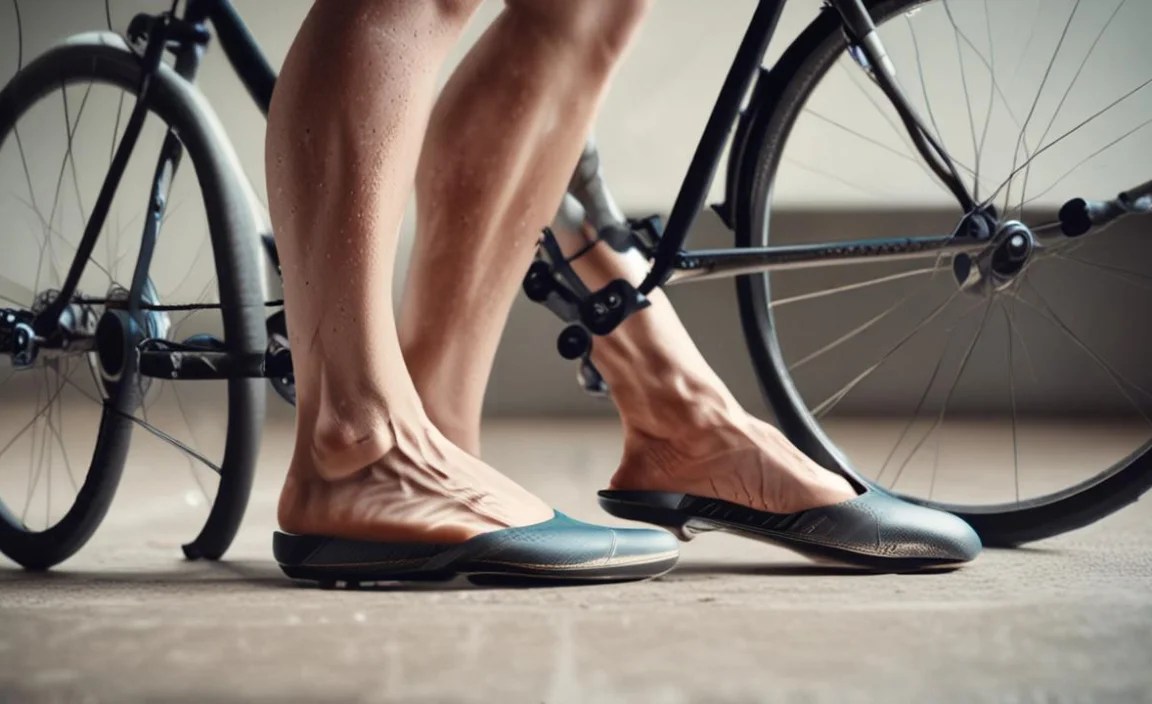
The materials used in an insole significantly impact its performance and comfort. Some common and effective materials include:
- EVA (Ethylene-Vinyl Acetate): This is a common cushioning material. It’s lightweight, flexible, and offers good shock absorption. Higher-density EVA provides more support.
- Polyurethane (PU): Often found in more durable and supportive insoles, PU offers excellent shock absorption and resilience, meaning it bounces back well after compression.
- Gel: Gel inserts, often placed in the heel or forefoot, provide targeted cushioning and shock absorption. They can feel very comfortable but might compress over time.
- Memory Foam: Molds to the shape of your foot for a custom feel and comfort. However, it can sometimes retain heat and may not offer as much firm support as other materials.
- Nylon/Plastics: Used in the structure of supportive insoles to provide rigidity and arch support.
- Fabric Top Covers: Materials like polyester, nylon, or bamboo are used for their moisture-wicking and anti-odor properties, enhancing comfort.
Choosing the Right Insole for Your Feet Type

Your foot’s natural arch shape plays a significant role in how you distribute weight and how much support you need. Using insoles that complement your arch type can dramatically improve comfort and prevent issues like arch pain, plantar fasciitis, and shin splints.
1. Flat Feet (Low Arches):
- Characteristics: The entire sole of your foot touches the ground when standing.
- Insole Needs: You need insoles that provide substantial arch support to help lift and stabilize your arch, promoting better alignment and reducing overpronation (when the foot rolls inward excessively).
- Look for: Mid-to-high arch support, a deep heel cup, and a firm construction.
2. High Arches:
- Characteristics: There’s a significant gap between the ground and your arch when standing. This can sometimes lead to the foot not absorbing shock effectively.
- Insole Needs: You generally need insoles with generous cushioning, especially in the heel and forefoot, to help absorb impact. Moderate arch support is also beneficial to fill the gap and distribute pressure more evenly.
- Look for: Plush cushioning plus moderate arch support.
3. Neutral Arches (Medium Arches):
- Characteristics: Your feet likely have a moderate arch and your foot strike is generally even.
- Insole Needs: You have the most flexibility. Most insoles will work well, but focusing on good all-around cushioning and support will offer the best comfort for long days.
- Look for: A balanced combination of cushioning and support.
When to Consider Professional Advice
While over-the-counter insoles can be highly effective, there are times when consulting a professional is the best course of action:
- Persistent Pain: If you experience constant or severe foot, ankle, knee, or back pain that doesn’t improve with over-the-counter solutions.
- Specific Foot Conditions: If you have been diagnosed with conditions like severe plantar fasciitis, bunions, hammertoes, or significant biomechanical issues.
- Complex Needs: If you have tried multiple types of insoles without success, a professional assessment can identify underlying issues.
A podiatrist or a certified pedorthist can assess your foot structure, gait, and specific needs. They can recommend the most appropriate insoles, which may include custom-molded orthotics designed precisely for your feet. These professionals often work with sports medicine clinics or specialized footwear stores.
How to Choose the Best Insoles: A Step-by-Step Guide

Navigating the world of insoles can seem overwhelming, but by following these steps, you can find the perfect pair for your delivery cycling needs.
Step 1: Assess Your Current Foot Pain and Needs.
- Where do you feel pain? (Heel, arch, ball of foot, toes?)
- What type of discomfort is it? (Aching, sharp pain, fatigue, blisters?)
- What kind of shoes do you wear for delivery cycling? (Are they already somewhat supportive, or very basic?)
- What is your natural arch type? (Flat, neutral, or high?)
Step 2: Determine Your Arch Type.
- The Wet Test: Wet the bottom of your feet and step onto a piece of cardboard or a dark surface.
- Observe the imprint:
- Flat Foot: You’ll see almost your entire foot.
- High Arch: You’ll see primarily your heel and the ball of your foot, with little to no connection in the middle.
- Neutral Arch: You’ll see a clear imprint of your heel and ball of the foot with a noticeable curve inwards.
Step 3: Identify Key Insole Features.
Based on your pain assessment and arch type:
- For general fatigue and shock: Focus on cushioning and shock absorption.
- For arch pain or instability: Prioritize substantial arch support.
- For heel pain (like plantar fasciitis): Look for deep heel cups and good cushioning.
- For all-day comfort: Aim for a balance of cushioning and support with breathable materials.
Step 4: Consider Your Cycling Shoes.
Insoles need to fit well inside your existing cycling or work shoes. Some shoes have removable insoles, making it easy to swap them out. If your shoes have very little internal space, you might need thinner, lower-profile insoles.
Step 5: Research and Read Reviews.
Look for leading brands known for quality insoles. Online reviews from other cyclists or individuals with similar foot issues can be invaluable. Pay attention to comments about durability, comfort on long rides, and effectiveness for specific arch types.
Step 6: Try Them On (If Possible).
If you’re buying from a physical store, try them on with your cycling socks and shoes. Walk around to get a feel for the support and cushioning. Some retailers offer a trial period.
Step 7: Be Prepared for an Adjustment Period.
Even the best insoles might feel a little different at first. Your feet and body need time to adapt to the new support and alignment. Start by wearing them for shorter periods and gradually increase the duration.
Top Insole Brands and Models for Cyclists (General Recommendations)

While the “best” insole is subjective and depends on individual needs, several brands consistently receive high marks for comfort, support, and durability. Here are a few that are popular and worth exploring:
| Brand/Model | Key Features | Best For | Price Range (Approx.) |
|---|---|---|---|
| Superfeet GREEN / ORANGE | Structured support, deep heel cup, firm but comfortable. | Neutral to pronating feet, general aches and pains. | $50 – $55 |
| Powerstep Full Length Orthotic Inserts | Semi-rigid arch support, cushioning, often recommended for plantar fasciitis. | Flat feet, moderate overpronation, plantar fasciitis. | $35 – $45 |
| Currex BikePro / CleatPro | Specifically designed for cycling, offering dynamic support and pressure distribution. Higher heel for cycling stance. | Anyone cycling seriously, seeking performance and comfort. | $60 – $70 |
| Sof Sole Air+ / Plantar Fasciitis | Gel cushioning, good shock absorption, specific models for plantar fasciitis relief. | General comfort, shock absorption, heel pain. | $25 – $35 |
| Dr. Scholl’s Pain Relief Orthotics (various types) | Widely available, range of specialized options for heel pain, arch support, and cushioning. | Beginner-friendly, common foot pains like plantar fasciitis. | $20 – $30 |
Note: The Currex BikePro/CleatPro are arguably the most cycling-specific, often designed to integrate with cycling shoes. For general delivery work where you might use more casual footwear, other options from Superfeet, Powerstep, or Sof Sole can be excellent. Always check the specific product details for arch support level and cushioning.
Proper Insole Usage and Care for Delivery Cyclists

Once you’ve found your perfect pair of insoles, using and caring for them properly will ensure they last longer and provide maximum benefit.
1. The Break-In Period

Don’t expect immediate perfection. Most new insoles, especially more supportive ones, require a break-in period. Start by wearing them for a few hours each day, gradually increasing the time as your feet adjust. This gentle introduction helps prevent discomfort and allows your feet to adapt to the new support.
2. Positioning and Fit
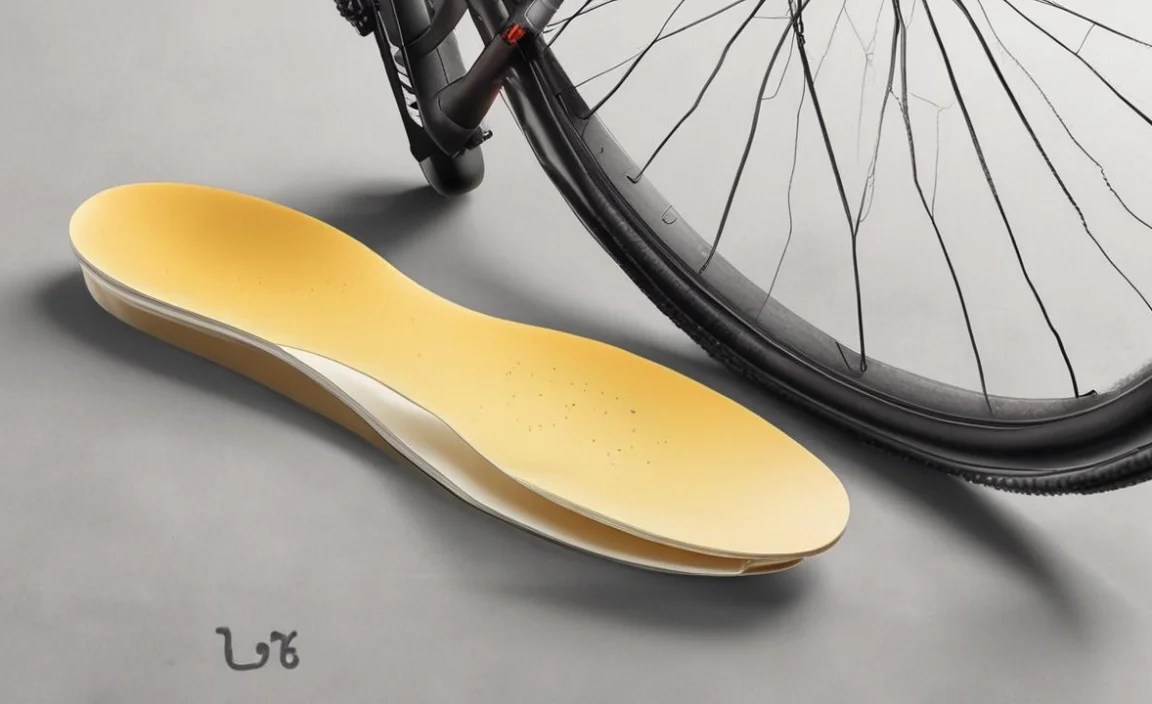
Insoles should sit snugly within your shoes. Ensure they lie flat and don’t bunch up. If the insole is too long, you can trim the excess carefully with scissors, following the cut-guide lines on the insole, usually from the toe area. If the insole feels too tight or causes pressure points, it might not be the right size or shape for your shoe.
3. Cleaning and Maintenance
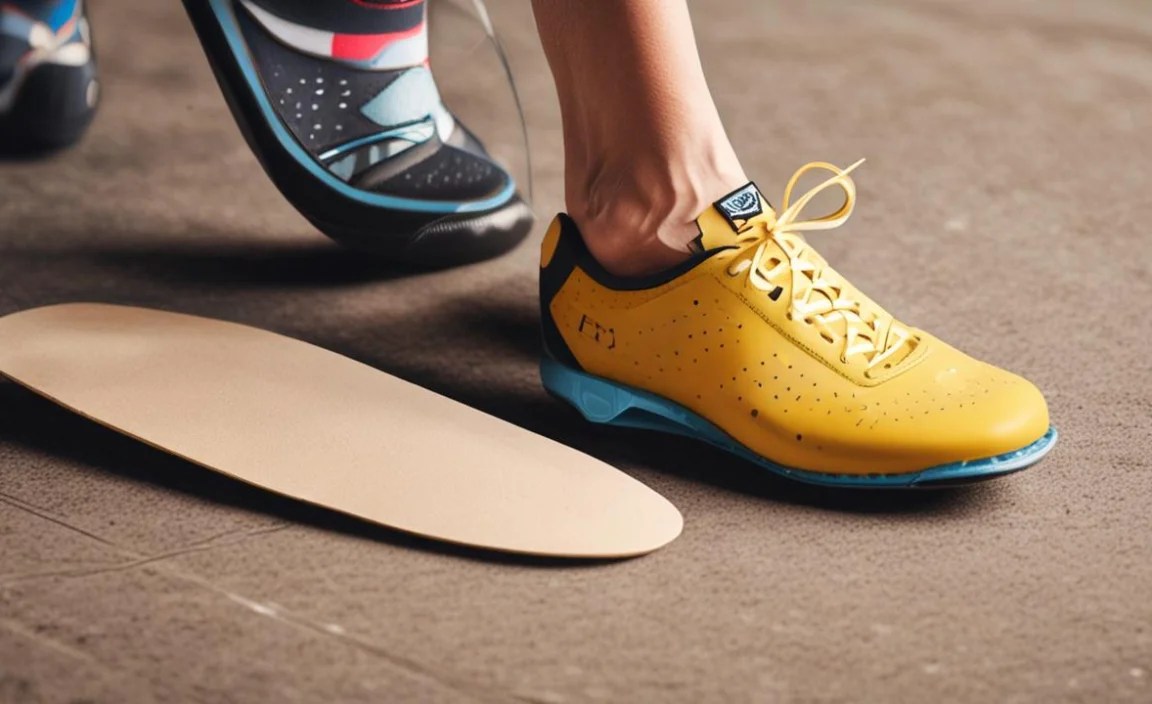
Regular cleaning will help keep your insoles fresh and hygienic:
- Daily: After use, remove your insoles from your shoes to allow them to air out. This is crucial for managing moisture and preventing odor.
- Weekly/Bi-weekly: Hand wash your insoles with mild soap and cool water. Gently scrub with a soft brush if needed.
- Drying: Never put insoles in a machine dryer or expose them to direct high heat, as this can damage the materials. Always air dry them thoroughly away from direct sunlight or heat sources. Make sure they are completely dry before putting them back in your.
