For data scientists who stand for long periods, specialized insoles are a game-changer for foot health and comfort. They provide crucial cushioning, support, and shock absorption, reducing fatigue and preventing common foot issues. Investing in the right insoles leads to better posture, reduced pain, and enhanced productivity throughout your demanding workday.
Data scientists, your work might be largely screen-based, but we know many of you spend significant time standing – whether at standing desks, during presentations, or even just pacing while thinking through complex algorithms. All that time on your feet can lead to tired arches, sore heels, and overall discomfort. But don’t worry, there’s a simple, effective solution: the right insoles! We’re here to guide you through picking the best insoles to keep your feet happy and healthy, even during those marathon coding sessions.
Why Standing Matters for Data Scientists

While the stereotype often paints data scientists as glued to their chairs, the reality is far more dynamic. Many professionals opt for standing desks to improve energy levels and reduce sedentary behavior. Others find themselves standing for extended periods while collaborating, troubleshooting hardware, or simply during intense problem-solving sessions. Prolonged standing, especially on hard surfaces, puts immense pressure on your feet, ankles, knees, and even your back. This can quickly lead to conditions like plantar fasciitis, bunions, shin splints, and general fatigue, all of which can significantly impact your focus and productivity.
Think of your feet as the foundation of your entire body. If the foundation is unstable or uncomfortable, the rest of the structure will suffer. High-quality insoles act as shock absorbers and provide essential support, distributing your weight more evenly and reducing the strain on your musculoskeletal system. This isn’t just about comfort; it’s about long-term foot health and preventing issues that could sideline you from your crucial work.
Understanding Insole Basics
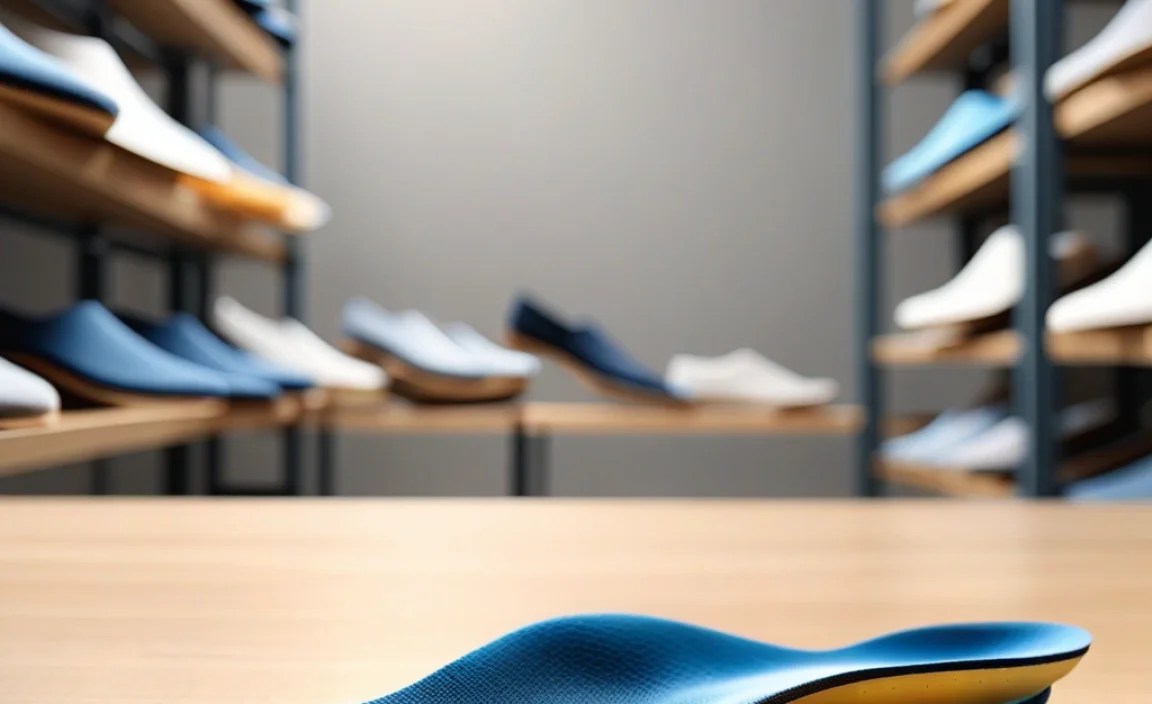
Before diving into specific recommendations, let’s cover some insole fundamentals. Insoles, also known as orthotics or shoe inserts, are designed to be placed inside your shoes to enhance comfort, support, and performance. They come in various materials, levels of support, and designs, catering to different needs and foot types.
Here are the key types of insoles you’ll encounter:
- Cushioning Insoles: These are typically made of soft materials like foam or gel. They excel at absorbing shock and providing a plush feel, ideal for reducing impact on hard surfaces.
- Supportive Insoles: These insoles offer more structure, often featuring a firmer heel cup and arch support. They help correct foot alignment and can be beneficial for conditions like overpronation (when your foot rolls inward too much).
- Activity-Specific Insoles: Designed for particular activities, such as running or hiking, these optimize performance and comfort for those specific movements. While not directly for standing, the principles of support and cushioning are relevant.
- Therapeutic Insoles: These are often prescribed by a podiatrist to treat specific medical conditions like plantar fasciitis, flat feet, or heel spurs. They offer targeted support and correction.
When choosing insoles, consider the arch support you need (low, medium, or high), the level of cushioning desired, and whether you have any specific foot conditions. The material also plays a role; some people prefer the responsiveness of a firmer insole, while others seek the soft embrace of gel or foam.
The “Data Scientist Standing” Dilemma: What Your Feet Need

Data scientists often spend hours analyzing data, which can involve intense focus. If your feet are aching, that focus gets shattered. The key challenges for data scientists standing for long periods are:
- Fatigue: Muscles in the feet and legs tire quickly from supporting your body weight without adequate cushioning or support.
- Impact: Every step on a hard surface sends a shockwave up your body.
- Poor Alignment: Without proper arch support, your feet might sink or roll improperly, leading to strain elsewhere.
- Lack of Breathability: Long hours can lead to sweaty feet, increasing the risk of blisters and odor.
Therefore, insoles for data scientists standing should prioritize:
- Superior Cushioning: To absorb shock and reduce impact on joints.
- Robust Arch Support: To maintain natural foot alignment and prevent arch collapse.
- Heel Cup Stability: To cradle the heel and prevent excessive movement.
- Breathable Materials: To keep feet dry and comfortable.
- Durability: To withstand consistent daily use.
Choosing the Right Insoles: A Step-by-Step Guide

Selecting the perfect insoles might seem daunting, but by following these steps, you can make an informed decision that leads to lasting comfort and better foot health.
Step 1: Assess Your Foot Arch and Pronation
Understanding your foot type is crucial. Arch height dictates the level of support you need. Pronation refers to how your foot rolls inward after landing.
- High Arches: Often associated with supination (foot rolls outward). You generally need more cushioning and flexibility.
- Normal Arches: Usually indicate neutral pronation. You can benefit from a balance of cushioning and support.
- Low Arches/Flat Feet: Often associated with overpronation. You’ll likely need significant arch support and stability.
How to Test: The “wet test” is a simple way to estimate your arch type. Wet the bottom of your foot and step onto a piece of paper or cardboard. Examine the footprint:
- A full footprint with little to no curve inwards suggests flat feet.
- A print with a very narrow band connecting the heel and the forefoot suggests a high arch.
- A print with a distinct curve inwards, showing about half the width of your foot, indicates a normal arch.
For a more detailed assessment of pronation, consider consulting a podiatrist or a specialist at a reputable shoe store. They can analyze your gait and recommend the most suitable type of support. The American Podiatric Medical Association (APMA) offers excellent resources on foot health and finding qualified professionals.
Step 2: Consider Your Shoe Type
Insoles are designed to fit into different types of shoes. For data scientists, common footwear might include:
- Dress Shoes/Oxfords: These often have less room, so thinner, lower-profile insoles are usually best.
- Athletic Shoes/Sneakers: These generally have more space and can accommodate thicker, more supportive insoles.
- Loafers/Casual Shoes: The space varies; measure your current insole or check the depth of the shoe.
- Boots: Similar to sneakers, but ensure the insole won’t make the boot too tight for comfort.
It’s important that the insole doesn’t make your shoes too tight, as this can cause friction and discomfort. If you’re unsure, start with a mid-thickness insole or one designed for a “neutral fit.”
Step 3: Choose Material and Features
The materials used greatly affect comfort and function:
- Foam (EVA/Polyurethane): Lightweight and provides good cushioning. EVA is standard, while polyurethane offers more resilience and durability.
- Gel: Excellent for shock absorption and can offer a cooling sensation.
- Cork: Moldable to your foot shape over time and provides good support.
- Memory Foam: Conforms perfectly to the foot for personalized comfort but can sometimes trap heat.
- Carbon Fiber: Very lightweight, rigid, and supportive, often used in higher-end performance insoles.
Look for insoles with moisture-wicking topsheets to keep your feet dry and anti-microbial treatments to combat odor, especially if you’re standing all day.
Step 4: Read Reviews and Compare Options
Once you have a better idea of what you need, it’s time to explore specific products. Online reviews can be incredibly helpful. Look for feedback from people with similar foot types or who stand for long hours.
Here’s a comparison of common insole types for standing:
| Insole Type | Best For | Key Features | Potential Downsides |
|---|---|---|---|
| Full Cushioning (Foam/Gel) | General comfort, shock absorption for concrete or hard floors. | Soft, plush feel; excellent impact reduction. | May lack sufficient arch support for some; can be bulky. |
| Arch Support with Cushioning | Overpronation, flat feet, moderate arch support needed. | Structured arch; semi-firm to firm feel; good heel cup. | Can feel too rigid for high arches; might require break-in period. |
| Slim Fit / Low Profile Support | Dress shoes, boots, or shoes with little space; mild to moderate support needs. | Thin design; flexible support; fits most shoe types. | Less cushioning; may not be supportive enough for severe issues. |
| Medical Grade / Prescription | Specific foot conditions (plantar fasciitis, severe deformities). | Targeted correction; rigid or semirigid construction; custom-fit possible. | Can only be obtained through a podiatrist; generally more expensive. |
Step 5: Trial and Error (If Necessary)
Sometimes, the perfect insole isn’t found on the first try. Many reputable brands offer a satisfaction guarantee or a trial period. Don’t be afraid to try a pair and see how they feel. Wear them around the house for a day or two to get a sense of their comfort and support before committing to wearing them out for a full workday.
Top Insole Features for Data Scientists on Their Feet

Given the unique demands of prolonged standing for analytical work, certain features become paramount:
- Dynamic Arch Support: Insoles that adapt slightly to your foot’s movement rather than being completely rigid can offer a great balance of support and flexibility. Materials like resilient foam or semi-rigid composites often provide this.
- Deep Heel Cups: A well-defined heel cup stabilizes the heel bone, preventing excessive side-to-side motion and reducing stress on the Achilles tendon and plantar fascia.
- Shock-Absorbing Zones: Some high-quality insoles have specific areas, often in the heel and forefoot, designed with softer materials or air/gel pockets to further mitigate impact.
- Breathable Top Fabrics: Look for materials like Meryl, nylon blends, or specifically engineered mesh that wick away moisture and allow air circulation. This is critical for comfort over long hours.
- Odor Control: If your feet tend to get warm and sweaty, insoles with built-in anti-microbial treatments or charcoal layers can make a big difference in keeping them fresh.
Consider brands that focus on biomechanics and foot health, often recommended by podiatrists or physical therapists. These brands tend to invest in research and development to create insoles that truly enhance comfort and support for prolonged standing.
Insoles vs. Supportive Shoes: What’s the Difference?
While supportive shoes are essential, insoles offer an extra layer of customization and targeted relief. Think of it this way:
- Supportive Shoes: Provide a good foundation. They offer structural integrity, cushioning, and a stable base.
- Insoles (Orthotics): Act as a sophisticated upgrade to that foundation. They can correct specific biomechanical issues, add specialized cushioning, or enhance stability beyond what the shoe alone can provide.
For instance, a shoe might have decent cushioning, but if you have severe overpronation, a supportive insole with a firm medial post can provide the necessary correction that the shoe’s design might not offer. Conversely, even the most supportive shoe can benefit from additional cushioning if you’re standing on extremely hard surfaces all day. Combining good shoes with the right insoles offers the most comprehensive solution for foot comfort and health.
Common Foot Issues and How Insoles Can Help
Sitting or standing for long hours can exacerbate or even cause several common foot ailments. Insoles can be a vital part of managing and alleviating these issues:
- Plantar Fasciitis: This is inflammation of the plantar fascia, a thick band of tissue that runs across the bottom of your foot, connecting your heel bone to your toes. It often causes sharp heel pain, especially with the first steps in the morning. Insoles with excellent arch support and heel cushioning can help reduce strain on the plantar fascia.
- Metatarsalgia: Pain and inflammation in the ball of the foot, often caused by excessive pressure or impact. Insoles with a metatarsal pad or extra forefoot cushioning can redistribute pressure and alleviate pain.
- Bunions: A bony bump that forms on the joint of your big toe. While insoles can’t correct the bone structure, they can help by improving foot alignment and reducing pressure on the bunion area, making standing and walking more comfortable.
- Heel Spurs: Bony protrusions on the underside of the heel bone. Similar to plantar fasciitis, insoles with specific heel cushioning and support can help reduce the impact and pressure on the spur.
- Arch Pain: Whether you have high or low arches, pain can occur. Insoles are designed to provide the specific support (or cushioning) your arch type needs, promoting better weight distribution and reducing strain.
If you are experiencing persistent or severe foot pain, it’s always advisable to consult a podiatrist. They can diagnose the exact cause and recommend the most appropriate treatment, which may include custom orthotics.
Integrating Insoles into Your Data Scientist Routine
Making the switch to insoles should be a smooth process. Here’s how to integrate them effectively:
- Start Gradually: Wear your new insoles for short periods initially (e.g., 1-2 hours a day) and gradually increase the duration as your feet get accustomed to the support.
- Wear Them in Your Preferred Standing Shoes: If you have a favorite pair of shoes you stand in most often, start by putting the insoles in those.
- Ensure Proper Fit in Shoes: The insole should sit comfortably within the shoe without bunching up or creating uncomfortable pressure points.
- Listen to Your Body: Pay attention to how your feet feel. Minor adjustments or a short break might be needed initially. If pain persists or worsens, the insoles might not be the right fit for you.
- Maintain Them: Follow the manufacturer’s care instructions. Most insoles can be cleaned with mild soap and water and should be air-dried.
For data scientists who transition between different types of footwear or work environments, consider having multiple pairs of insoles tailored for different shoes. This ensures optimal comfort and support regardless of your chosen footwear.
Remember that proper foot care extends beyond just insoles. Ensure you also:
- Take short breaks to sit or walk around.
- Perform simple foot and leg stretches.
- Stay hydrated, as dehydration can affect muscle function.
- Wear comfortable, well-fitting socks made of breathable materials.
Frequently Asked Questions (FAQ)
Q1: How long do insoles typically last?
A1: The lifespan of insoles varies greatly depending on the material, your activity level, and frequency of use. Generally, most over-the-counter insoles can last anywhere from 6 months to a year of daily wear. More supportive or semi-rigid insoles might last longer, while very soft, cushioned ones may wear out faster.
Q2: Can I use insoles in any shoe?
A2: While insoles are versatile, they work best in shoes with removable factory insoles and adequate depth. They may not fit well or provide the intended benefit in very tight-fitting shoes, high heels, or minimalist footwear. Always ensure the insole fits comfortably without making your shoe too tight.
Q3: Do I need to wear socks with insoles?
A3: It is highly recommended to wear socks with insoles. Socks provide a layer of protection between your skin and the insole, helping to prevent blisters, wick away moisture, and keep your feet feeling fresh. Some insoles are designed with very smooth topsheets that might be less comfortable against bare skin.
Q4: How do I clean my insoles?
A4: Most insoles can be cleaned by hand with mild soap and cool water. Gently scrub them with a soft brush or cloth, rinse thoroughly, and then let them air dry completely. Avoid machine washing, drying, or using harsh chemicals, as these can damage the materials and reduce their lifespan.
